Have you ever tried to set up a tent in total darkness while rain falls on your back? You fumble with the zipper, drop the pegs, and feel your frustration grow with every passing second. There is a simple piece of gear that fixes this mess instantly.
A hands-free lighting solution, specifically a headlamp, allows you to use both hands for complex tasks like cooking and pitching tents. It improves balance on trails1 by freeing up your hands for trekking poles2. This simple gear upgrade increases safety, efficiency, and enjoyment for any outdoor adventure3.
I used to be a stubborn camper. I thought a heavy-duty handheld flashlight was the only tool I needed. I would hold it in my teeth to get things done. My jaw hurt, and I drooled on the handle. It was not a good look. Then, I started working in the lighting industry. I saw how professionals designed lights for specific tasks. I realized I was making my outdoor life harder than it needed to be. Once I switched to hands-free lighting, the difference was night and day. Let me share why you need to make this change for your next trip.
Can You Pitch a Tent in Half the Time?
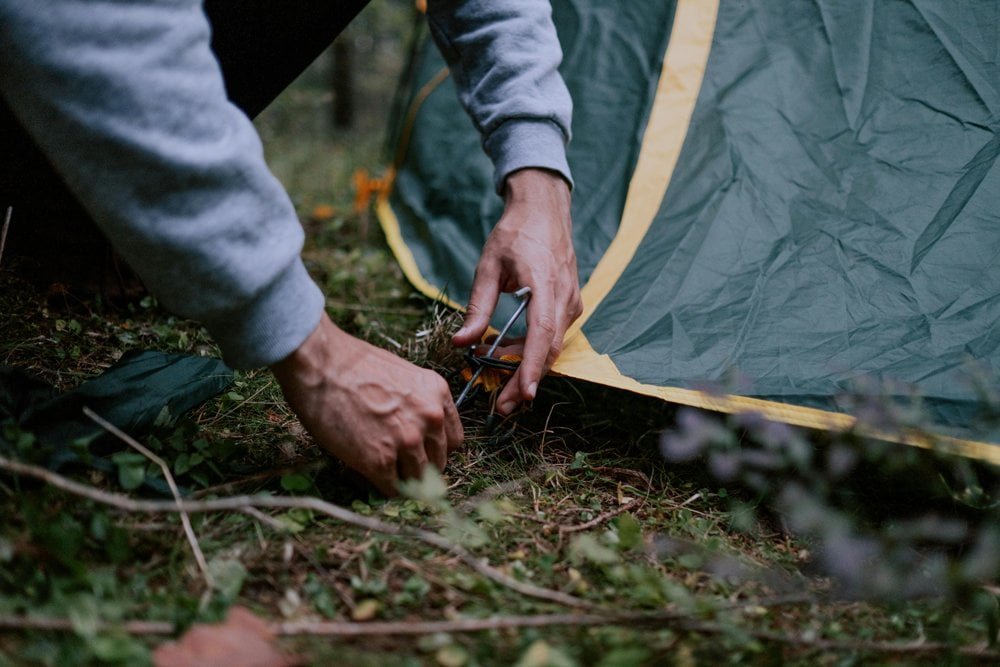
Arriving at a campsite late at night makes you feel rushed and tired. You just want to sleep, but you have to build your shelter first. Using one hand to hold a light makes this job take twice as long.
Using a headlamp significantly speeds up tent assembly4. It illuminates your workspace directly where you look, allowing you to manipulate poles and hammer pegs with both hands simultaneously. This efficiency reduces stress and leaves you more time to relax by the campfire.
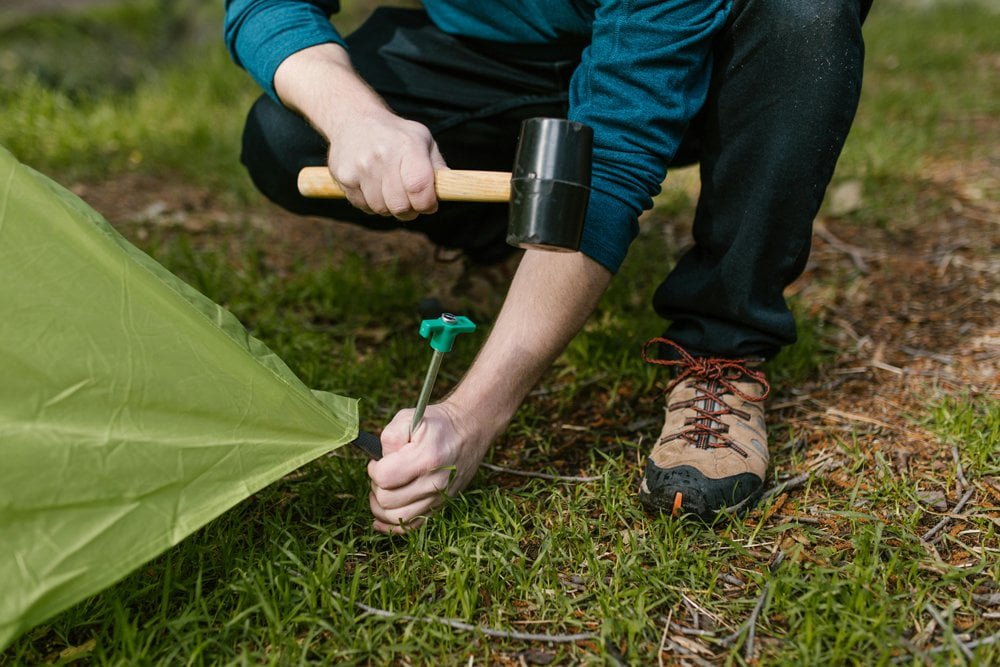
Let me tell you a quick story. Years ago, before we started our factory in Thailand, I went camping in a remote forest. I arrived late. I tried to hammer a tent peg while holding a heavy aluminum flashlight in my mouth. It slipped, hit my toe, and the light went out. I spent twenty minutes finding the batteries in the mud. It was miserable.
Now, I look at this from a manufacturing perspective. We design lights to solve these problems. When you use a headlamp, the light follows your eyes. You look at the peg, and the light is there. You look for the rainfly, and the light is there. You have two hands available to snap poles together.
Here is why two hands are better than one for setup:
| Task | Handheld Flashlight | Headlamp (Hands-Free) |
|---|---|---|
| Hammering Pegs | Dangerous. One hand holds light, one swings hammer. | Safe. One hand holds peg, one swings hammer. |
| Connecting Poles | Slow. You must put the light down constantly. | Fast. Continuous movement with both hands. |
| Reading Instructions | Frustrating. Glare reflects off paper. | Easy. Adjustable brightness reduces glare. |
| Finding Gear | Limited. Beam is narrow and fixed. | Broad. Flood beam lights up the whole bag. |
We test our products to ensure the beam angle is wide enough for these tasks. A focused beam is bad for tent pitching. It creates a "tunnel vision" effect. You need a wide flood beam5. It lights up your immediate area. This lets you see the whole tent footprint at once. You get the job done fast. Then, you can sit back and enjoy the fire.
Is Your Camp Food Actually Cooked Properly?
Cooking in the dark is risky because you cannot see the texture or color of your food. You might think that chicken is done, but shadows can be deceiving. You need the right kind of light to cook safely.
A High CRI (Color Rendering Index)6 headlamp7 reveals the true colors of your food. It distinguishes between raw and cooked meat easily. This feature ensures food safety and allows you to chop, stir, and serve with total control over your ingredients.
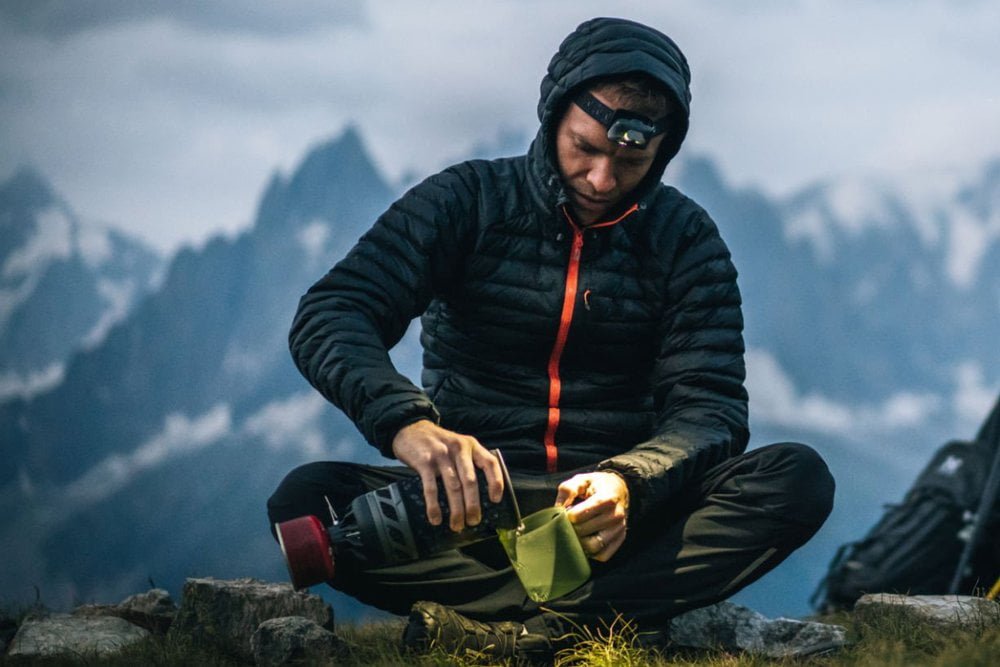
I take food safety very seriously. I have seen many campers get sick because they ate undercooked meat. They used a cheap, cold-white LED light. These lights often have a blue tint. This blue light makes pink meat look brown. You think it is cooked, but it is not.
In our lab, we use integrating spheres to test the color spectrum of our LEDs. We focus on High CRI (Color Rendering Index)6. Think of CRI as a score from 0 to 100. Sunlight is 100. Most cheap flashlights are around 70. Our High CRI headlamps are 90 or above.
Why does this matter for your dinner?
- True Color: You can see if the steak is medium-rare or well-done. You can see if the vegetables are fresh.
- Texture Detail: High quality light shows you the texture. You can see if the water is boiling or just simmering.
- Multitasking: Cooking requires constant movement. You need to chop onions, stir the pot, and manage the gas stove. If you hold a flashlight, you only have one hand. You will knock something over.
Imagine trying to drain boiling water from a pasta pot with one hand. It is a recipe for a burn injury. With a headlamp, you hold the pot handles securely with both hands. You are safer, and the food tastes better because you can actually see what you are doing.
Does Hands-Free Lighting Prevent Injuries on the Trail?
Walking on uneven ground at night is risky because one slip can ruin your trip. You need your body to be balanced and ready to react. Holding a flashlight throws off your natural rhythm.
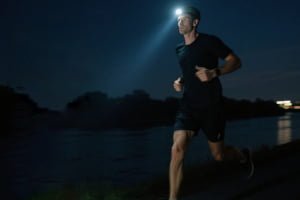
Trekking with a headlamp improves balance by allowing the natural swing of your arms or the use of trekking poles2. It lights up the path ahead, helping you avoid obstacles like rocks and roots, preventing falls and sprains.
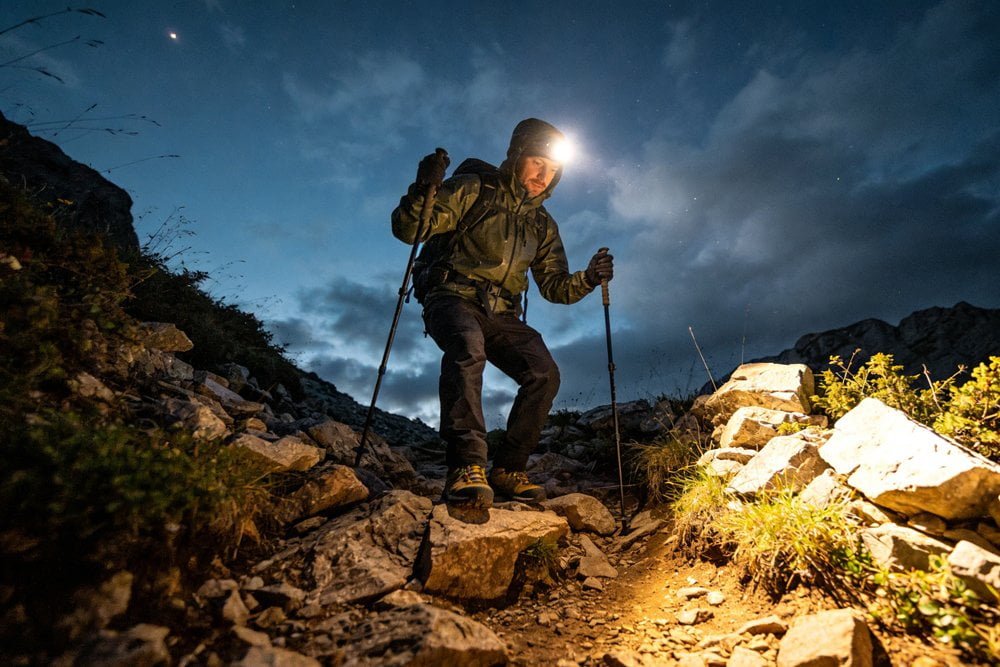
Safety is the most important part of any trip. I often hike in rugged terrain to test our new prototypes. When you walk, your arms act as counterweights. They swing to keep you balanced. If you hold a heavy flashlight in one hand, you disrupt this balance.
Also, many hikers use trekking poles. You cannot use poles if your hands are full. I have seen hikers try to tape flashlights to their poles. It rarely works well. The light shakes too much.
A headlamp provides steady light from your highest point—your head. This creates better shadows on the ground.
- Depth Perception: The angle of the light helps you see how deep a hole is.
- Peripheral Vision: Good headlamps light up the sides of the trail, not just the center. You can see branches that might hit your face.
- Reaction Time: If you do trip, your hands are free. You can catch yourself. You can grab a tree or break your fall. If you are holding a flashlight, you might smash it or hurt your wrist.
We design our headlamps to be lightweight. We balance the battery weight. This means the lamp does not bounce when you walk. A bouncing light causes eye fatigue. It makes you dizzy. Stable, hands-free light lets you move confidently. You can walk to the restroom or hike a peak without fear of falling.
Which Light Mode Matches Your Camping Style?
Not all headlamps are the same, and picking the wrong one limits you. You need a device that adapts to different environments. You need specific light modes8 for specific activities.
Select a headlamp with multiple modes for versatility. Use red light to preserve night vision, high CRI for tasks, and flood beam5s for walking. Matching the light mode to the activity optimizes battery life and visual comfort.
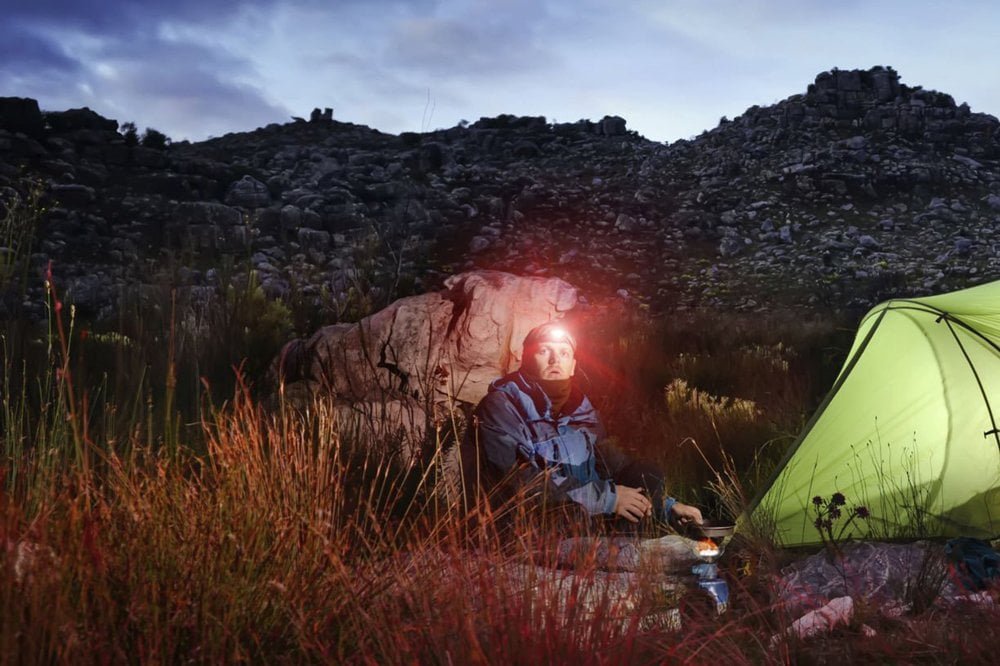
In the lighting business, we know that one beam does not fit all. We supply products to big retailers in North America and Europe. Their customers demand versatility. You should stop limiting yourself with a single-mode light. You need to match the light to your lifestyle.
Here is a breakdown of the modes you should look for:
1. Red Light Mode This is for the wild. White light ruins your night vision. It takes your eyes 20 minutes to adjust to the dark again. Red light does not trigger this reaction.
- Use it for: Reading maps, late-night bathroom trips, or chatting by the fire.
- Bonus: Bugs are attracted to white light. They are less attracted to red light. Use red light, and you eat fewer mosquitoes.
2. Flood Beam (Wide Angle) This is for the campsite. It spreads light over a large area. It is soft and does not blind your friends.
- Use it for: Pitching the tent, organizing your bag, or playing cards.
3. Spot Beam (Focused) This is for the trail. It throws light far into the distance.
- Use it for: Hiking, searching for a landmark, or spotting wildlife.
4. Strobe/SOS This is for emergencies.
- Use it for: Signaling for help if you get lost or injured.
At our factory, we are now developing "Dual Power" and OLED technologies. We want to give you more control. But even a basic multi-mode headlamp is better than a standard flashlight. It gives you the right tool for the job. It makes you a smarter camper.
Conclusion
Stop struggling with handheld lights and switch to a hands-free headlamp. You will pitch tents faster, cook safer meals, and hike with better balance. It is the smartest upgrade for your next adventure.
Explore techniques to improve your balance and safety when hiking in low-light conditions. ↩
Learn how using trekking poles can enhance your balance and safety during nighttime hikes. ↩
Discover tips and tools that can elevate your outdoor adventures to the next level. ↩
Discover tips and tools that can help you set up your tent quickly and efficiently. ↩
Understand the advantages of flood beams for camping tasks and how they improve visibility. ↩
Find out how High CRI lighting can improve food safety and cooking accuracy while camping. ↩
Learn why headlamps are superior for camping tasks, providing hands-free convenience and better visibility. ↩
Discover the various light modes in headlamps and how they can enhance your camping experience. ↩