Your customers often struggle to choose the right lighting for their trips. Bad lighting ruins the camping experience. Here is my proven guide to matching lights with specific camping styles.
The best outdoor lights1 depend entirely on the camping style. Car campers need powerful lanterns and magnetic work light2s, while backpackers3 require lightweight headlamp4s. For glamping5, choose aesthetic ambient lighting, and for beach trips, prioritize IPX66 salt-resistant models.
I recently shared a concept with my clients about matching products to specific user behaviors. They found it very interesting. It is not just about selling a light; it is about selling the right tool for the environment. Let me explain the logic we use for product recommendations based on eight specific camping scenarios7.
What Lights Are Best for Car Camping?
Car camping allows for luxury because you do not carry the gear, but darkness can be a hassle without the right tools.
Car campers should carry a main lantern, flashlight, headlamp, and magnetic work light2. Since weight isn't an issue, bring them all for maximum comfort during cooking, organizing, and relaxing.
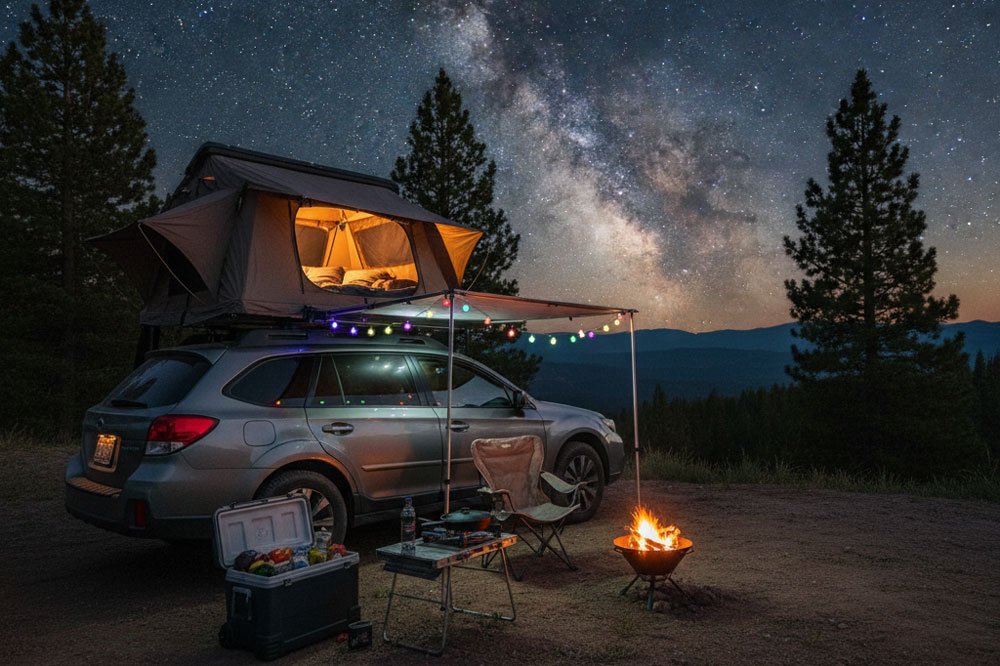
I always tell my clients one thing about car camping: if you have a vehicle, bring everything. Weight is not a problem here. The goal is comfort and enjoyment. If your customers have the space, they should pack a full range of lighting.
Here is how we break down the needs for this scenario:
| Activity | Recommended Light | Key Specs |
|---|---|---|
| Cooking | Bright Lantern / Work Light | 300–800 Lumens, IPX4+ |
| Car Organization | Magnetic Work Light | 200–400 Lumens, Magnetic Base |
| Bathroom Breaks | Small Flashlight / Headlamp | 150–300 Lumens, Clip-on |
| Ambiance | Warm Lantern | 20–80 Lumens, 2700K |
For cooking at night, you need strong light. I recommend a main lantern or a magnetic work light. It should be between 300 and 800 lumens. Adjustable color temperature is a huge plus here.
For organizing gear in the trunk, a magnetic light is essential. You can stick it to the roof or the back door of the car. It makes finding things much easier.
When walking to the bathroom or getting water, a small flashlight or headlamp is best. It keeps your hands free. Finally, do not forget the mood. A warm light8 makes the campsite feel special.
Which Lights Ensure Safety for Family Camping?
Camping with kids brings joy, but safety is the number one concern for parents in the dark.
Prioritize soft lanterns9 for stories and lightweight headlamps for children. Avoid blinding lights inside the tent. Use high-lumen lanterns for the cooking area to ensure food safety.
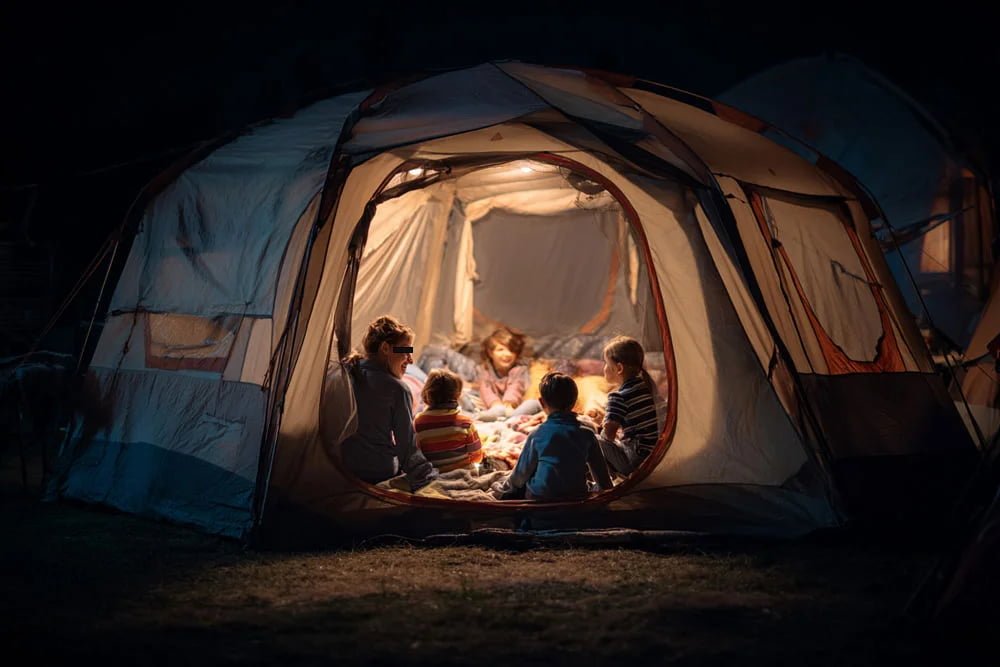
When I advise clients on family camping products, the keyword is "KIDS." The needs of children dictate the gear. The main goal is to enjoy family time, so the lighting must be safe and kid-friendly.
We structure the recommendations like this:
| Activity | Recommended Light | Key Specs |
|---|---|---|
| Parent-Child Time | Soft Lantern | 100–300 Lumens, Soft Light |
| Bedtime Stories | Warm Mini Lantern | 20–80 Lumens, No Glare |
| Child Safety | Lightweight Headlamp | 100 Lumens, <50g Weight |
| Family Cooking | High-Power Lantern | 400–800 Lumens |
Inside the tent, you need soft light. A brightness of 100 to 300 lumens is enough. It should not hurt the eyes. For reading stories, use a small, warm light. Keep it under 80 lumens so the kids do not get overstimulated before sleep.
Safety is critical. I suggest a small headlamp or flashlight for every child. It helps if they wander off. Keep it light, under 50 grams. For the cooking area, use a bright lantern. You need to see if the food is cooked properly to keep everyone healthy.
What is the Ideal Lighting Setup for Backpacking?
Carrying heavy gear up a mountain is exhausting and unnecessary. Every gram counts when you are on the trail.
Weight is the enemy here. Recommend a high-quality, lightweight headlamp (under 100g) as the core tool, paired with a tiny tent lantern. Skip the heavy flashlights entirely.
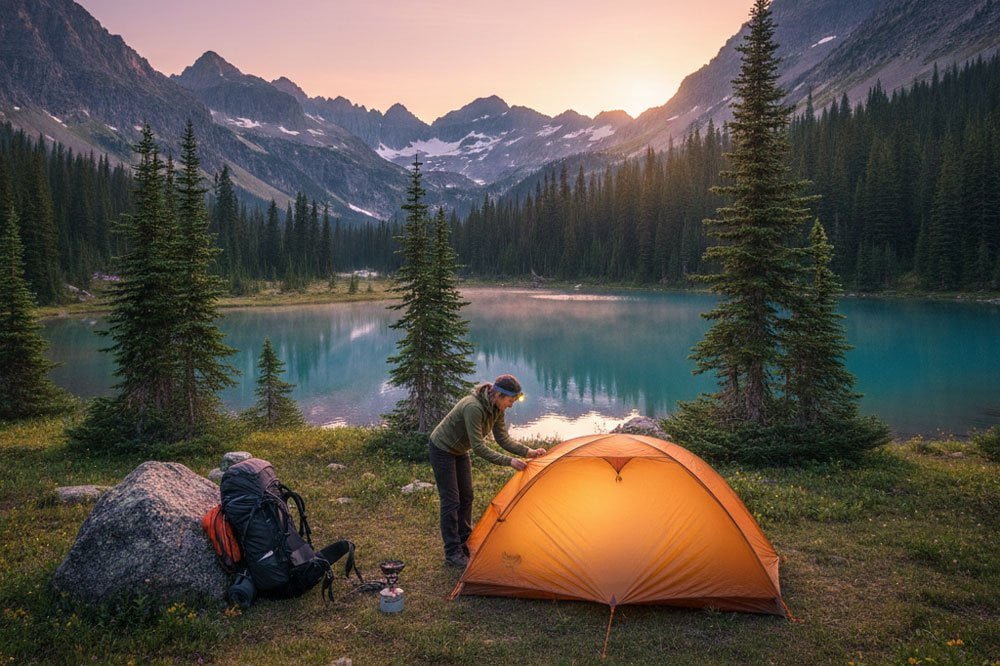
For this category, my logic is simple: lightweight beats everything else. In many cases, we do not even recommend a flashlight. A combination of a lightweight headlamp and a small lantern is usually enough.
Here is the breakdown for the backpacker:
| Activity | Recommended Light | Key Specs |
|---|---|---|
| Night Hiking | High-Quality Headlamp | 200–600 Lumens, <100g |
| Sleeping | Micro Lantern | 10–40 Lumens, Warm Light |
| Cooking | Headlamp + Small Flashlight | 300–500 Lumens |
| Emergency | Headlamp (SOS Mode) | Clear Flashing Mode |
For night hiking, the headlamp is the most important tool. It needs to be between 200 and 600 lumens. It must handle both distance and wide-angle lighting. Weight should be under 100 grams. Waterproofing (IPX5+) is also necessary.
Inside the tent or sleeping bag, a tiny light is fine. You only need 10 to 40 lumens. For cooking, the headlamp works well. Use the spot mode for the pot and the flood mode for the surrounding area. Reliability is key here because you cannot carry backups.
How Do You Light Up an RV Camping Trip?
RVs offer comfort, but bad lighting can make the experience feel cold and industrial instead of cozy.
Treat the RV like a home. Use wall-mountable lanterns with adjustable color temperatures (CRI) and magnetic work lights. Warm lighting is essential for creating a cozy, domestic atmosphere.
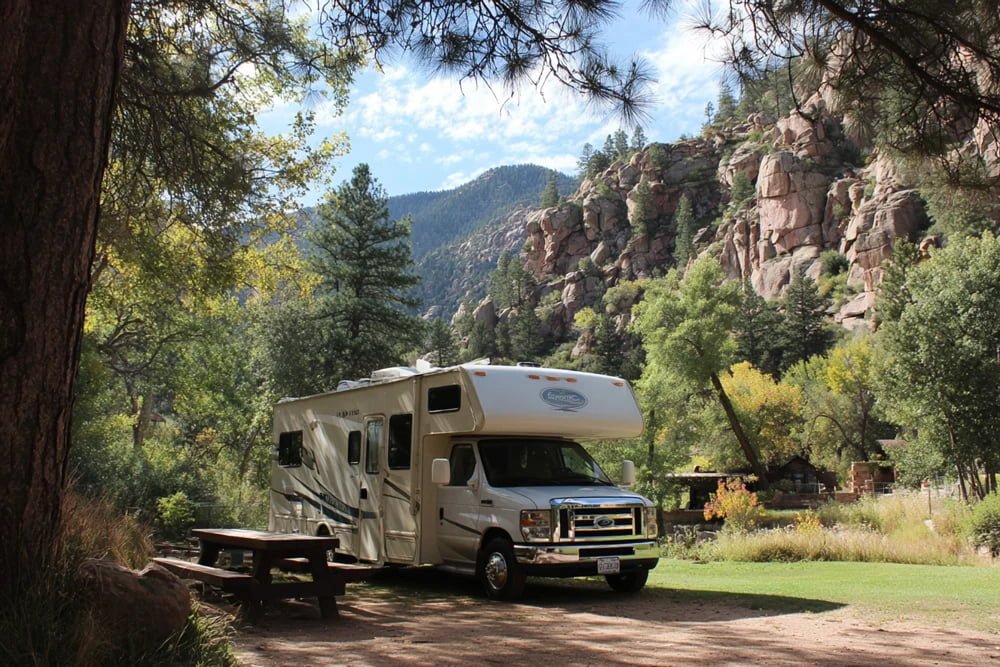
RV camping is very similar to car camping, but I see one big difference. RV camping is more about "living." It is a home on wheels. Therefore, when we recommend products, we focus on parameters like CRI (Color Rendering Index)10 and color temperature.
These are the specific needs for RV users:
| Activity | Recommended Light | Key Specs |
|---|---|---|
| Indoor Living | Wall-Mount Lantern | 200–600 Lumens, Adjustable Temp |
| Outdoor Kitchen | High CRI Work Light | 500–1000 Lumens |
| Walking Around | Small Flashlight | 150–300 Lumens |
| Relaxing | Ambient Light / Strings | 10–60 Lumens, 2200K–2700K |
Inside the RV, wall-mountable lanterns are great. The ability to change color temperature (2700K to 5000K) is a must. It helps set the mood.
Outside, under the awning, you need bright light for cooking. High CRI is safer because you can see the true color of the food. My clients often ignore this point, but it adds value. Finally, warm lights create a relaxing vibe. It makes the RV feel like a true home.
What Lighting Defines the Glamping Experience?
Glamping is not about survival; it is about style, comfort, and taking great photos for social media.
Focus on aesthetics over raw power. Choose retro-designed lanterns made of metal or bamboo, flame-effect lights, and Bluetooth speaker lanterns. The goal is luxury and atmosphere.
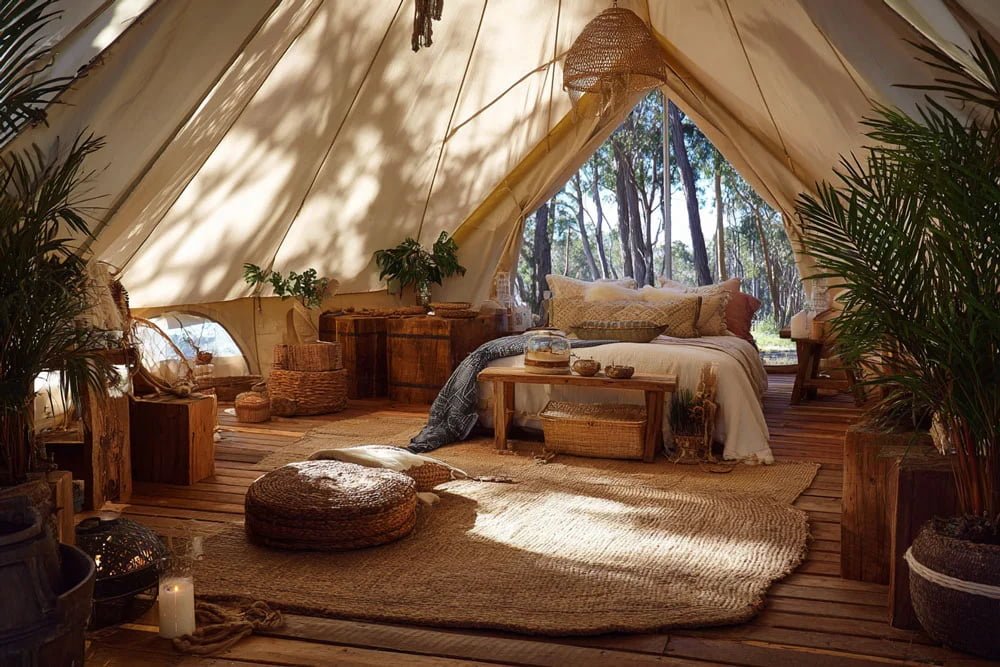
The rule for Glamping is simple: make it luxurious and comfortable. This type of camping focuses on quality and design. The lights are part of the decoration.
Here is how we approach the Glamping market:
| Activity | Recommended Light | Key Specs |
|---|---|---|
| Atmosphere | 360° Soft Lantern | 20–100 Lumens, 1800K–2700K |
| Dining/Photos | Retro Design Light | Metal / Bamboo / Acrylic |
| Reading | Warm Reading Light | 40–100 Lumens |
| Walking | Simple Flashlight | 100–200 Lumens |
For the general atmosphere, you need soft, 360-degree light. The color temperature should be very warm, between 1800K and 2700K.
For the dining table, the look of the lamp matters most. We recommend retro designs using metal or bamboo. It looks great in photos. For reading, a low-lumen warm light is best. Walking around does not require heavy gear; a simple flashlight is enough. The priority here is the visual appeal of the product itself.
What Lights Survive Best in Beach Camping?
The ocean is beautiful, but salt and sand destroy standard electronic equipment quickly if you are not careful.
Salt spray corrosion is a hidden killer. You must choose lights with IPX6 waterproofing that have passed salt spray testing11. Solar-powered lanterns are also highly effective here.
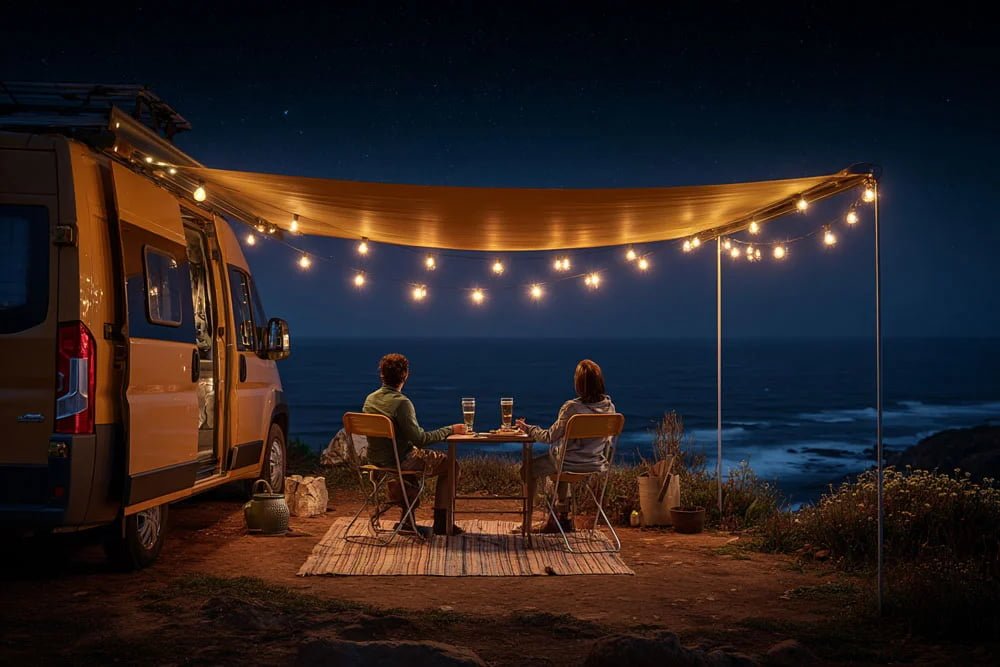
I often talk about the "Salt Spray Test" with my clients. It is an accelerated corrosion test. It checks how well metal parts survive in salty, wet environments. This is a detail many sellers ignore.
If your customers go to the beach, they need this protection:
| Activity | Recommended Light | Key Specs |
|---|---|---|
| Cooking/General | Anti-Corrosion Lantern | 500–800 Lumens, IPX6+ |
| Night Walking | Long-Throw Flashlight | 200–500 Lumens |
| Relaxing | Warm Lantern | 20–80 Lumens |
| Power | Solar Lantern | High Solar Efficiency |
For general use and cooking, you need a high-lumen lantern. It must have a sand-proof body and IPX6 waterproofing.
Walking on the beach at night can be tricky. You need a light with a long beam distance to spot rocks or sharp shells. Solar lights are also excellent here because the sun is strong during the day. If you do not want your product to rust after one trip, pay attention to the salt spray rating.
What Gear is Essential for Mountain Camping?
High altitudes and cold weather demand reliable gear that will not fail you when you need it most.
Performance is critical. A high-performance headlamp12 with cold resistance and long battery life is non-negotiable. Weight matters, but reliability in harsh conditions matters more.
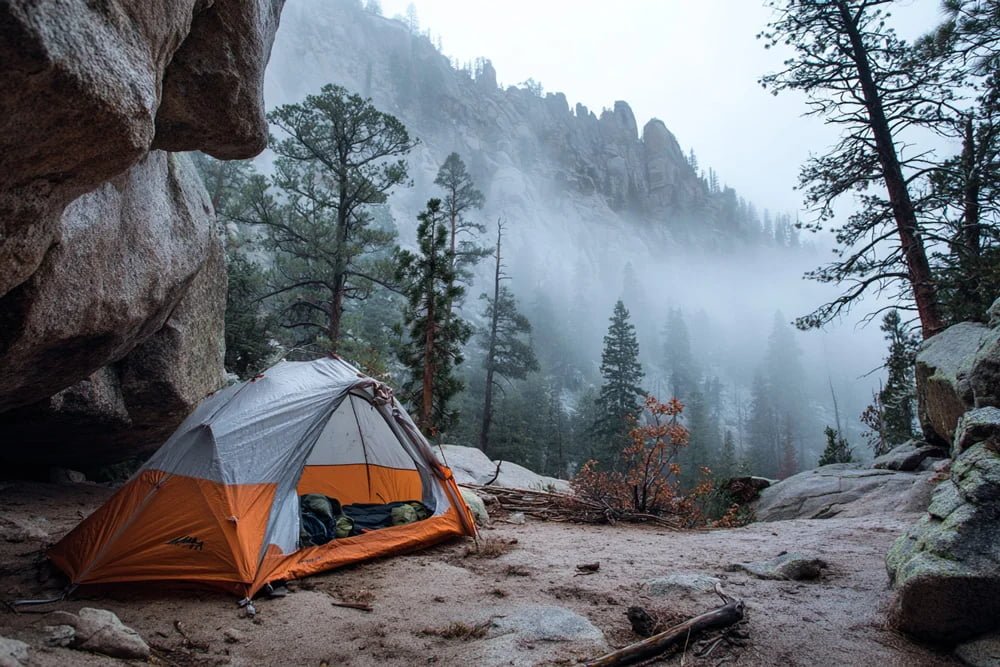
This category is sensitive to weight, but also to performance. If your target market prefers mountain camping, they likely visit places like the Nordic countries. This means cold weather and snow.
Here is the gear that works best in the mountains:
| Activity | Recommended Light | Key Specs |
|---|---|---|
| Climbing | High-Performance Headlamp | 300–800 Lumens, Cold Resistant |
| Camp Setup | Headlamp + Flashlight | 200–500 Lumens |
| Inside Tent | Small Warm Lantern | 10–40 Lumens |
| Emergency | SOS Light | Red Light Mode |
For climbing or hiking at night, you need a powerful headlamp. It should be 300 to 800 lumens. It must resist water and freezing temperatures.
Setting up camp requires good light, so a combination of a headlamp and a handheld flashlight is best. Inside the tent, a small light is enough. Safety is a big factor here. The light must have a clear SOS mode or red light mode. High-quality gear is mandatory for these environments.
Which Lights Bring Fun to Festival Camping?
Festivals are about energy and fun, but finding your tent in the dark is tricky without a light.
Keep it fun and social. Use light strings13, soft ambient lanterns, and lightweight flashlights. Avoid blinding your neighbors, but ensure you have enough light for selfies.
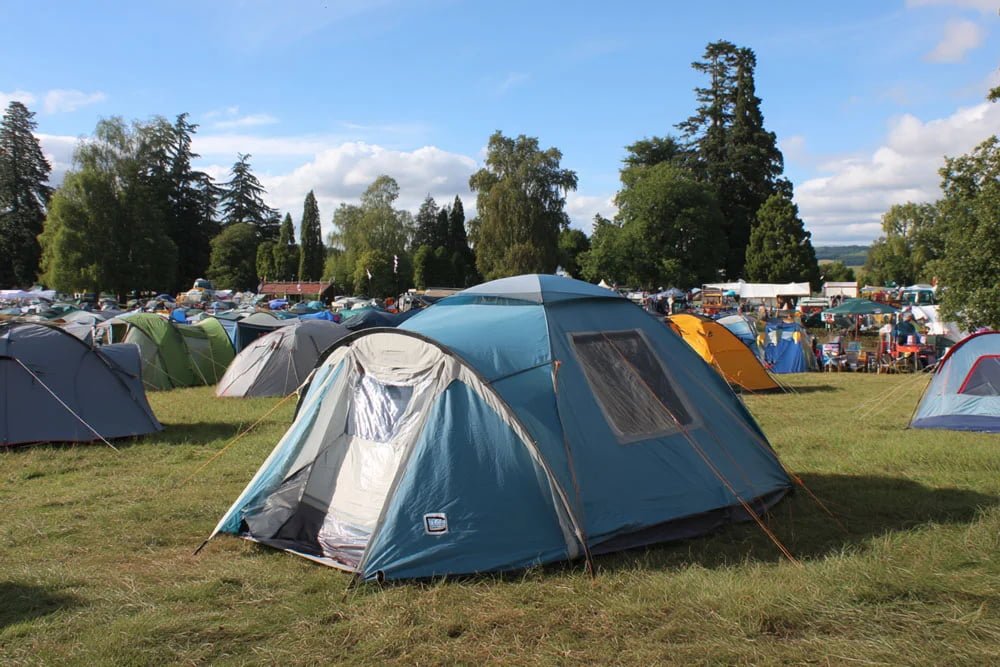
My advice for festival camping is simple: do whatever makes you happy. The only rule is not to annoy the people in the tent next to you. It is about enjoying the party.
We recommend products that enhance the social vibe:
| Activity | Recommended Light | Key Specs |
|---|---|---|
| Tent Organization | Small Lantern | 50–150 Lumens |
| Walking Around | Light Flashlight | 100–200 Lumens |
| Socializing | Light Strings | 5–20 Lumens, Soft |
| Photos | Warm Soft Light | High CRI for Skin Tones |
Inside the tent, a small lantern helps you organize your gear. When walking around the festival grounds, use a lightweight flashlight. Keep the lumens low (100-200) so you do not blind people.
For the campsite, warm light8t strings](https://www.reddit.com/r/camping/comments/1lgxgua/whats_your_opinion_on_led_string_lights_around/)%%%FOOTNOTE_REF_13%%% are perfect. They create a welcoming space for friends. Also, soft, warm lighting makes for much better photos and selfies. It is all about the experience and the memories.
Conclusion
Choosing the right light depends entirely on the environment. Whether it is salt resistance for the beach or safety for kids, matching the product to the specific need guarantees success.
Explore this link to discover the top outdoor lights tailored for various camping styles. ↩
Explore the advantages of using a magnetic work light for organizing and cooking while car camping. ↩
Learn about the ideal lightweight lighting solutions for backpackers to make their trips easier. ↩
Discover the benefits of using a lightweight headlamp for backpacking adventures. ↩
Discover how to elevate your glamping experience with stylish and functional lighting. ↩
Understand the importance of IPX6 waterproofing for camping lights, especially for beach trips. ↩
Discover various camping scenarios and the specific lighting solutions that cater to each. ↩
Learn about the benefits of warm light in creating a relaxing camping environment. ↩
Learn why soft lanterns are essential for creating a safe and enjoyable family camping experience. ↩
Understand the significance of CRI in RV lighting for better food safety and ambiance. ↩
Learn about salt spray testing and its significance in ensuring the durability of camping gear. ↩
Discover the key features of high-performance headlamps that are crucial for mountain camping. ↩
Find out how light strings can create a fun and social atmosphere at festival camping. ↩