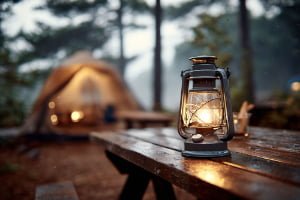
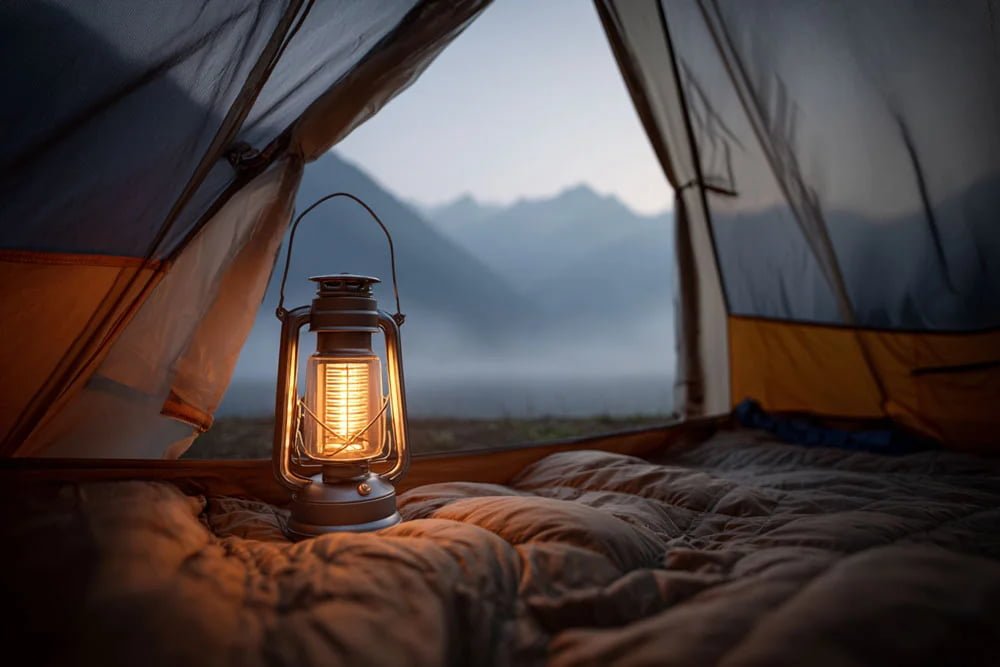
Choosing the right camping lantern for your product line can feel overwhelming because there are so many specifications and features. Picking the wrong items can slow your inventory and affect your brand. In my personal experience, there is a clear method that helps avoid this problem.
The secret to choosing the best camping lantern lies in understanding the specific camping scenario of the end user. You must match key parameters like brightness, weight, and power source1 to the actual environment. This approach ensures you offer a solution, not just a product.
With over ten years in the portable lighting industry, I’ve found that clients value this approach. They see my recommendations as structured marketing guidance. I always begin with one question: What type of camping does the target group prefer? Once the scenario is defined, the selection process becomes much easier. This method has helped many businesses grow, and I am glad to share these insights with you.
What Features Matter Most for Car Camping Lanterns?
Car campers do not worry about weight constraints. They want high performance and maximum comfort. If your product lacks power or features, these customers will look elsewhere.
For car camping, you should focus on high brightness between 300 and 800 lumens and multifunctional designs2. The weight can be heavier, ranging from 300g to 800g. The most critical features are a large floodlight capacity and a built-in power bank function.
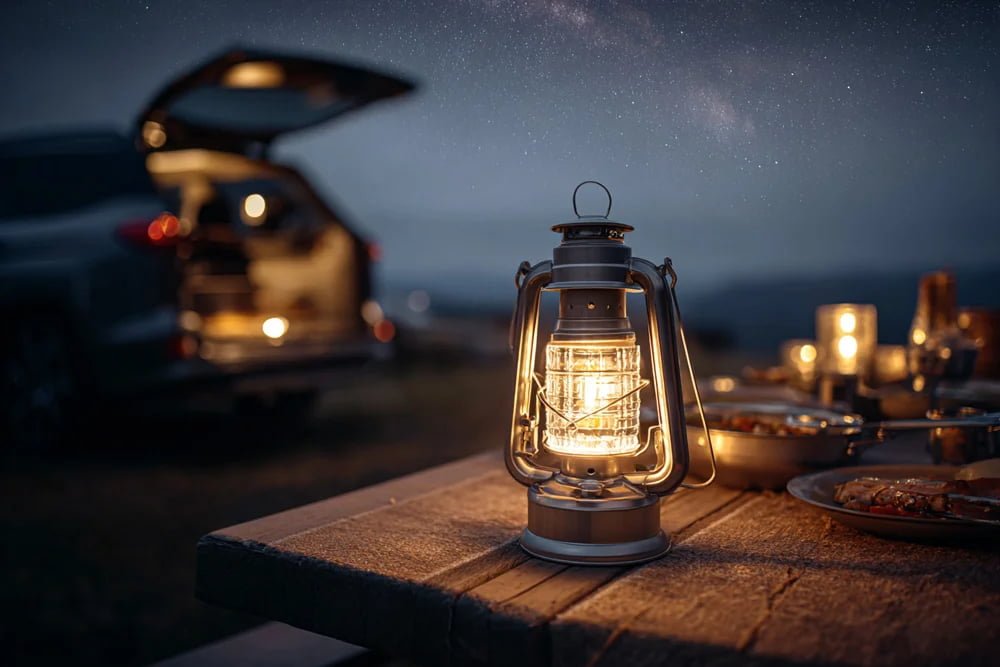
Car camping is very relaxed because the vehicle carries all the gear. In my personal recommendation, a lantern with 300 to 800 lumens is ideal. This brightness is enough for cooking or playing cards. I also suggest choosing a neutral or warm color temperature, around 3000K to 4500K, to create a comfortable atmosphere.
I personally recommend paying attention to key extra features. A power‑bank function is very useful for charging phones or walkie‑talkies. RGB ambient lighting can also increase appeal since it looks great in photos. A removable lampshade is another smart feature, allowing the lantern to switch between hanging and table use. For power, I suggest a rechargeable lithium battery, with optional dry batteries as backup.
| Feature | Recommendation | Reason |
|---|---|---|
| Brightness | 300–800 lm | Main campsite lighting |
| Weight | 300–800 g | Transported by car |
| Power | Rechargeable / Dual | High power consumption needs |
| Key Feature | Power Bank | Charging devices is high demand |
Is Safety the Priority for Family Camping Lanterns?
Family camping trips often involve young children and safety concerns. Parents will not buy a light that is too bright or dangerous. You must offer products that are safe and easy to use.
The ideal family camping3 lantern has moderate brightness4 of 300 to 600 lumens and prioritizes warm light to protect children's eyes. Key selling points include safety features like cool-to-touch housings, durable materials, and simple interfaces.
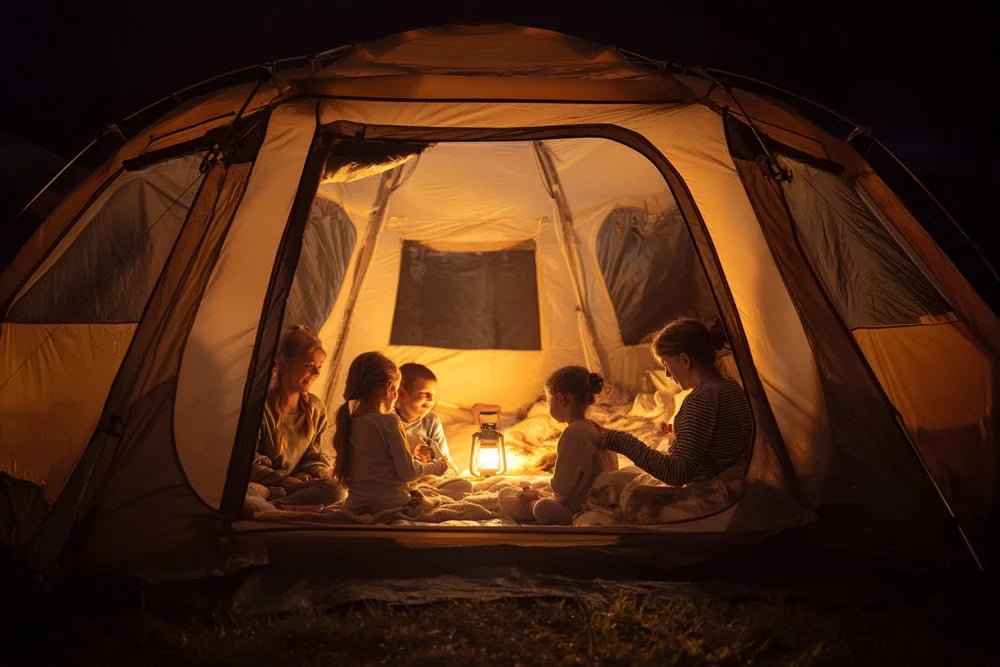
When recommending products for family camping, I personally focus on safety and a cozy atmosphere. The lantern does not need extreme brightness — 300 to 600 lumens is enough. A moderate weight between 200g and 500g works best. The key factor is color temperature. I always recommend warm light, around 2700K to 3500K, because it is soft and gentle on children’s eyes.
I also suggest choosing features that support parents. A night‑light mode is very practical, and a timer function is great for bedtime routines. Some customers ask about mosquito‑repellent features. They are not essential, but they can be a nice bonus. I usually do not recommend solar lanterns for families, since they rarely camp for many days without electricity. A rechargeable lithium battery is my preferred option because it is simple and cost‑efficient. A soft light cover is also important to reduce glare.
| Feature | Recommendation | Reason |
|---|---|---|
| Brightness | 300–600 lm | Sufficient but not blinding |
| Color Temp | 2700–3500K | Protects kids' eyes |
| Special Mode | Night Light / Timer | Good for sleeping children |
| Power | Lithium Battery | Convenient for short trips |
Do You Need High Performance for Basic Tent Camping?
Standard tent camping usually happens in designated campsites. These campers do not need professional-grade gear. They need reliable, basic lighting that works well inside a small space.
For general tent camping, a lightweight lantern with 150 to 300 lumens is the perfect choice. It needs to be compact, weighing between 150g and 300g. The most important features are a good hanging hook and basic waterproofing5.
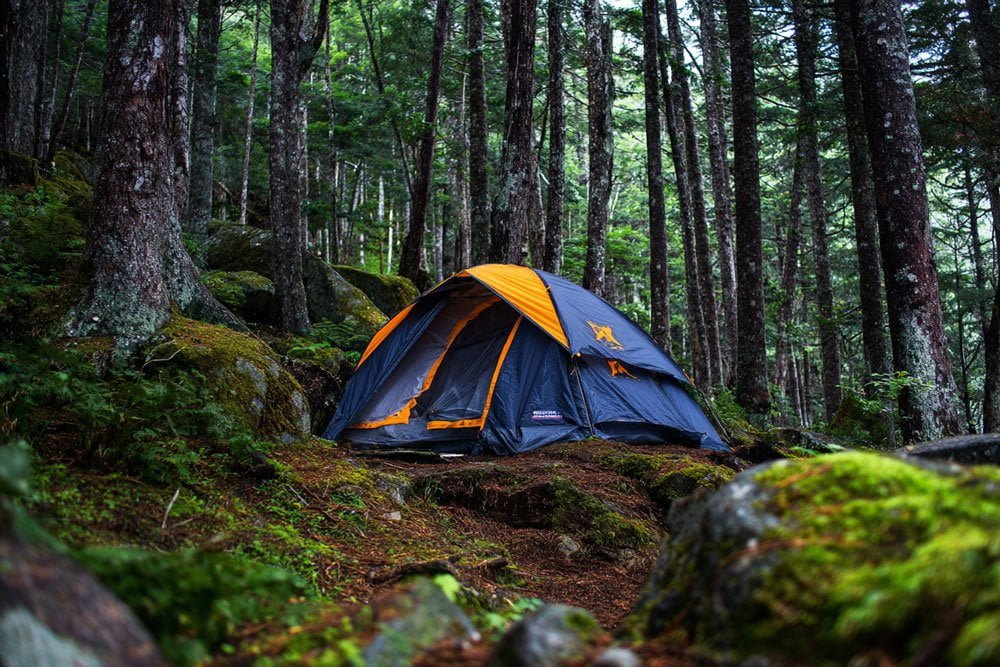
I define this category as drive‑in camping where people still sleep in a standard tent. The demands are moderate. The lantern should be durable, waterproof, and mildly corrosion‑resistant. I recommend keeping the brightness between 150 and 300 lumens because tents are small and stronger light can be uncomfortable and generate excess heat.
I personally suggest choosing lanterns with practical physical features. A magnetic base is very useful, and an upper hanging hook is essential for tent ceilings. A silent switch is a nice touch so you don’t disturb others at night. For multi‑day trips, solar charging is a good option in sunny areas. A low‑brightness reading mode is also important to save battery life. In this category, both lithium batteries and dry batteries are suitable.
| Feature | Recommendation | Reason |
|---|---|---|
| Brightness | 150–300 lm | Small space illumination |
| Weight | 150–300 g | Easy to hang and handle |
| Mounting | Hook / Magnet | Versatile placement in tent |
| Feature | Solar (Optional) | Good for longer stays |
How Important Is Weight for Backpacking Lanterns?
Backpackers and trekkers count every single gram in their pack. They will reject any item that is heavy or bulky. You must offer ultra-light solutions to win this market segment.
A backpacking lantern must be extremely light, ideally between 50g and 150g. The brightness only needs to be 100 to 250 lumens. The critical feature is compact size and the ability to use common dry batteries.
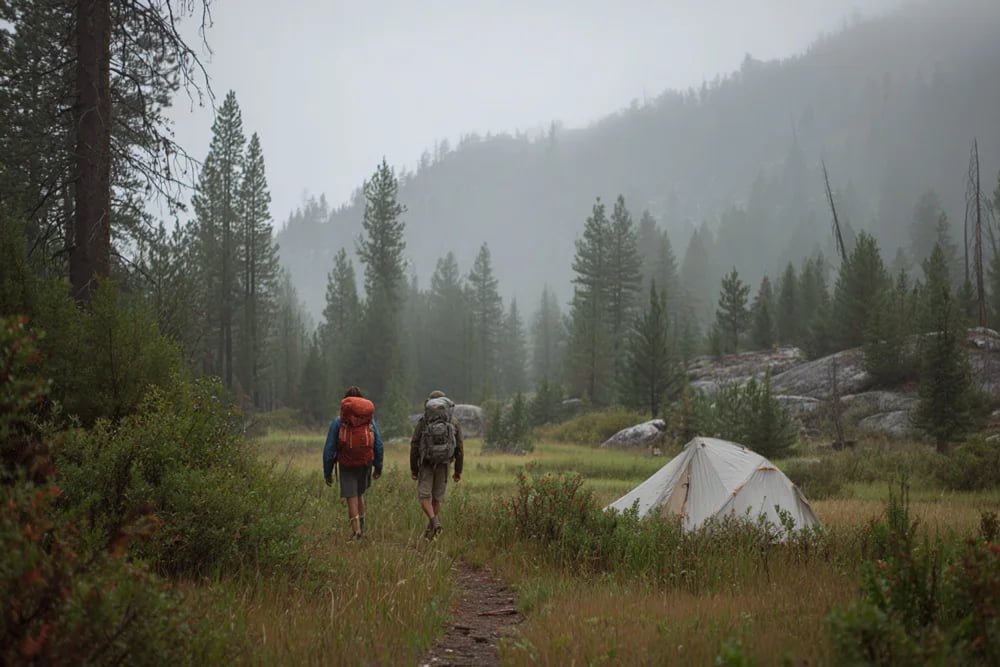
My personal view is that trekking requires strict weight control. Because most backpackers rely on headlamps, a lantern is only a secondary light and must be very small—otherwise, they won’t bring it. For camp use, 100 to 250 lumens is enough.
I personally recommend choosing a lantern with red light mode6 to protect night vision and help with quick tasks at night. For power, I suggest using AA or AAA dry batteries because they are easy to replace anywhere. A small lithium battery can also work, but you need to watch the runtime. In my experience, these mini lanterns mainly serve as atmosphere lights, not main work lights. So I advise keeping the design simple—a folding hook and one‑hand operation are usually all you need.
| Feature | Recommendation | Reason |
|---|---|---|
| Brightness | 100–250 lm | Secondary light source |
| Weight | 50–150 g | Critical for hiking |
| Light Mode | Red Light | Preserves night vision |
| Power | Dry Battery (AA/AAA) | Easy to replace on trail |
What Defines a Good Lantern for RV Camping?
RV and campervan users have access to power and plenty of space. They do not need rugged survival gear. They look for lighting that improves their living quality and comfort.
RV lanterns should offer adjustable color temperatures and brightness levels between 200 and 600 lumens. Weight is not an issue. The focus should be on creating a home-like atmosphere with features like wall mounts and remote controls.
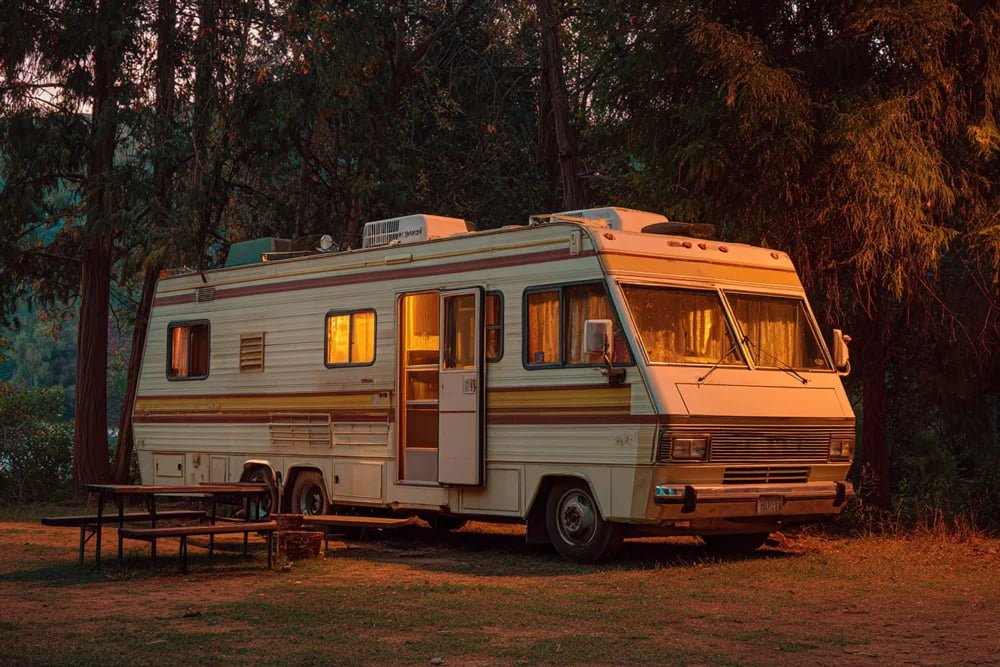
People in RVs already have power, so their lanterns are more about lifestyle than survival. The light becomes part of the interior, so I recommend 200 to 600 lumens with adjustable color temperature from 2700K to 5000K—cool light for cooking, warm light for relaxing.
I personally suggest choosing lanterns that can stay on while plugged in via USB, so they don’t drain the internal battery. Wall‑mount options are also very useful because RV space is limited. A remote control is a great added feature, letting users turn off the light from bed. The lantern should be flicker‑free for long‑term comfort. For outdoor use, I recommend models with a high‑capacity lithium battery.
| Feature | Recommendation | Reason |
|---|---|---|
| Brightness | 200–600 lm | Indoor/Outdoor use |
| Color Temp | Adjustable (2700-5000K) | Matches different activities |
| Power | USB / Large Lithium | Constant power availability |
| Feature | Remote Control | Convenience for living space |
Why Is Aesthetics Critical for Glamping Lanterns?
Glamping is about luxury and style, not just sleeping outside. These customers care more about how the product looks than technical specs. A plain plastic light will not sell in this market.
Glamping lanterns must feature retro or stylish designs with very warm light around 2200K to 3200K. The brightness is secondary, usually 200 to 500 lumens. High-end features like Bluetooth speakers and flame effects are essential.
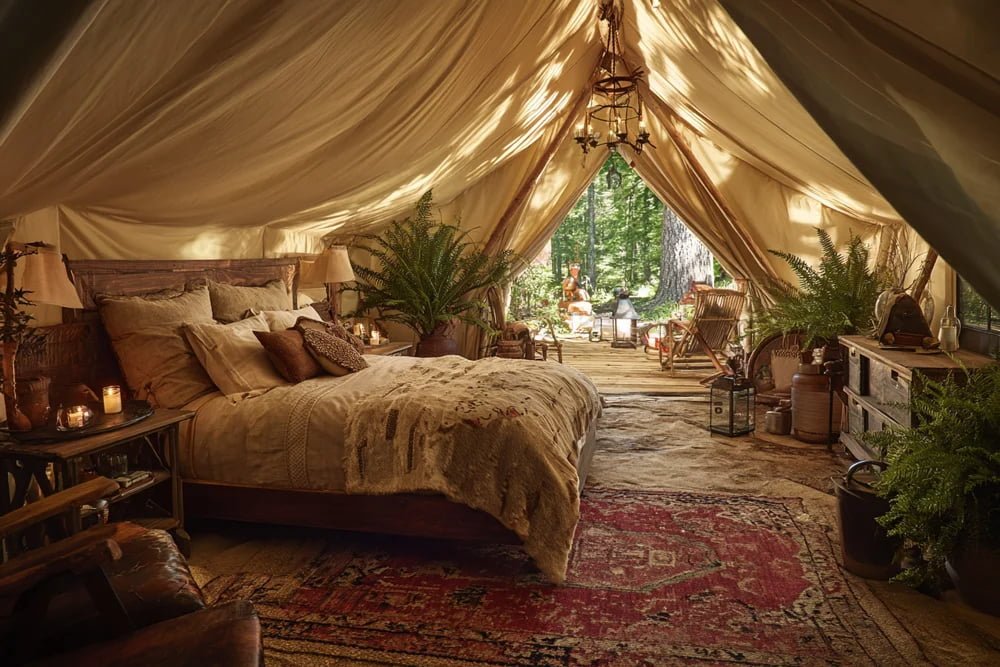
I’ve found that glamping users care most about the overall “vibe.” The lantern is part of the atmosphere, so the light should be soft, 360‑degree diffused, and very warm—similar to a candle or oil lamp. I recommend designs made with metal, hemp rope, or bamboo to create a handmade or vintage look.
I’ve noticed growing demand for lanterns with Bluetooth speakers7, but I only suggest this feature if the audio quality is reliable; poor sound can hurt the brand. A flame‑effect mode is also a strong selling point because it gives a safe campfire feel. Since these lanterns run for long periods, I personally recommend using a large‑capacity lithium battery. Weight is not a concern in this category—luxury and comfort matter most.
| Feature | Recommendation | Reason |
|---|---|---|
| Style | Retro / Handmade | Fits luxury aesthetic |
| Color Temp | Warm (2200-3200K) | Creates cozy atmosphere |
| Feature | Bluetooth Speaker | Entertainment value |
| Priority | Design over Specs | Visual appeal drives sales |
Can Standard Lanterns Survive Beach Camping?
The beach is a harsh environment for electronics due to salt, sand, and humidity. A standard lantern will corrode and fail quickly. You need to supply products built specifically for this toughness.
Beach camping lanterns require a high waterproof rating of at least IPX5 and verified resistance to salt spray. Brightness needs to be higher, around 300 to 600 lumens, to cover open areas. Dual power sources are recommended.
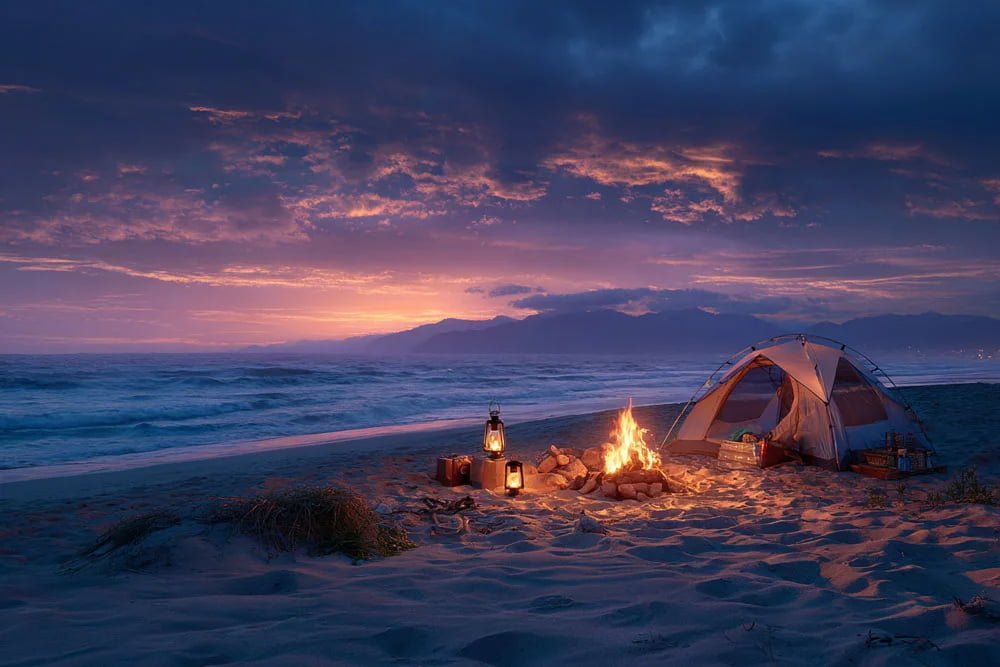
I always emphasize salt spray testing8 for beach products. Many of my competitors ignore this. They supply standard lights. The user buys them, and they look fine. But after a few days in the salty air, the internals corrode. The light fails. This damages the brand. You must ensure the lantern is resistant to corrosion. Waterproofing is also non-negotiable.
The beach is an open space. The light disperses quickly. Therefore, you need higher brightness than in a forest. 300 to 600 lumens is a good target. Sand is another enemy. The lantern needs a dust-proof design. I also recommend an SOS signal mode. It is a good safety feature near the ocean. For power, a combination of solar and lithium is excellent. The sun is usually strong at the beach. This makes solar charging very efficient. A hook and a ground spike are useful for mounting the light in the sand.
| Feature | Recommendation | Reason |
|---|---|---|
| Protection | IPX5 / Salt Resistant | Prevent corrosion and damage |
| Brightness | 300–600 lm | Open space requires more light |
| Power | Solar + Lithium | Efficient charging in sun |
| Feature | SOS Signal | Safety near water |
How Does Cold Weather Affect Mountain Camping Lanterns?
High-altitude or mountain camping often involves low temperatures. Cold weather kills lithium battery performance. You must provide a power solution that works when the temperature drops.
Mountain camping lanterns must use cold-resistant power sources9 like AA/AAA dry batteries. They need to be durable, weigh between 150g and 300g, and offer a neutral light of 3500K to 4500K to cut through fog.
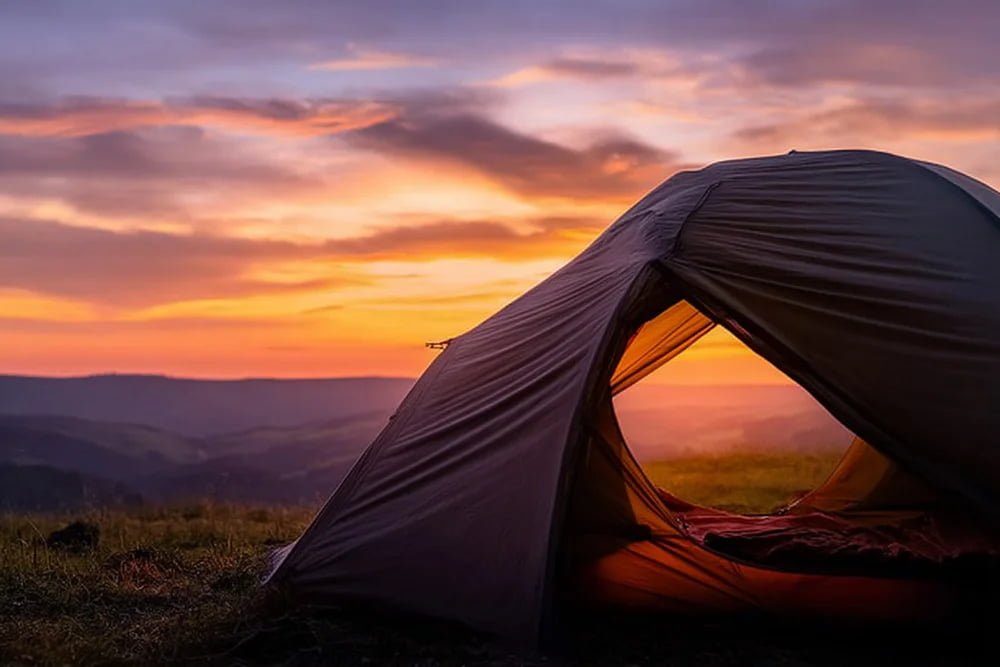
When I speak of mountain camping, I mean more extreme conditions. The biggest challenge here is the cold. Lithium batteries lose charge rapidly in freezing temps. That is why I recommend AA or AAA dry batteries. They are chemically more stable in the cold. A dual power lantern is also a safe choice.
Weight is a sensitive issue for climbers. The lantern cannot be too heavy. 150g to 300g is the limit. The build quality must be rugged. It needs to survive drops on rocks. I suggest a neutral white light. Warm light can be too dim in fog. Neutral light penetrates better. An IPX6 waterproof rating is needed for rain and snow. A red light mode6 is also helpful here. Insulation around the battery compartment is a pro feature. It helps keep the batteries warm. This extends the runtime significantly.
| Feature | Recommendation | Reason |
|---|---|---|
| Power | Dry Battery (AA/AAA) | Reliable in freezing temps |
| Color Temp | Neutral (3500-4500K) | Better visibility in fog |
| Durability | Shockproof / IPX6 | Rough terrain usage |
| Weight | 150–300 g | Must be portable |
What Makes a Lantern Suitable for Music Festivals?
Festival goers want fun, portability, and emergency safety. They do not want to carry heavy gear. The product needs to be small, fast to charge, and have party features.
Festival lanterns should be mini-sized, weighing 100g to 250g. Brightness of 150 to 350 lumens is enough. Essential features include RGB color modes10, flashing modes, and a carabiner clip for easy carrying.
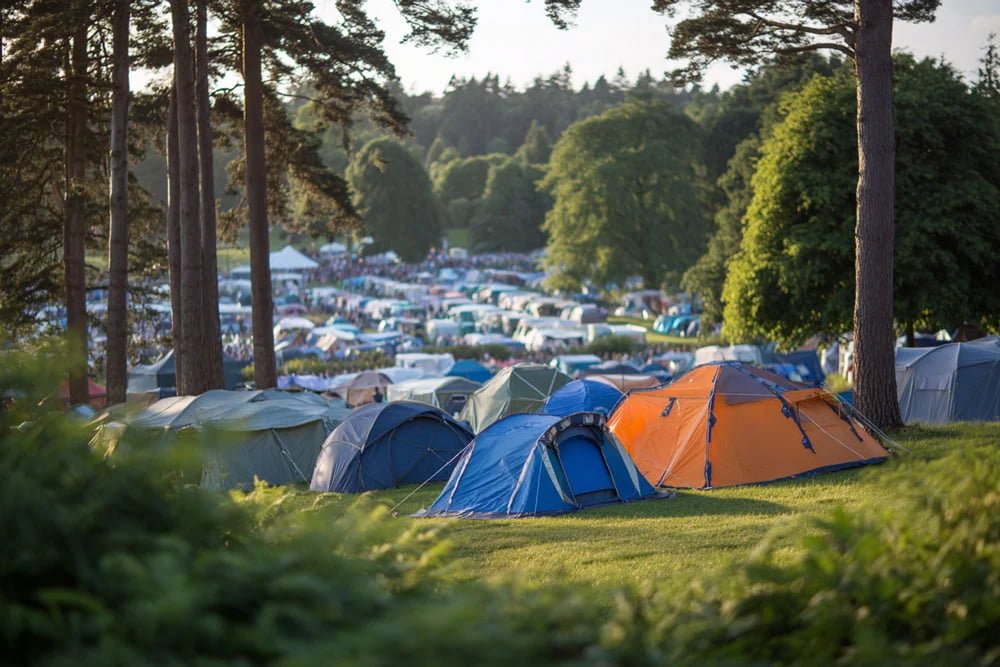
I see festival camping as a unique category. The users are there to party. They are often moving around. They do not want to hold a heavy lantern. The light must be portable. It should clip onto a backpack or belt. A magnetic base is also useful.
The features should match the environment. RGB modes are great for the concert vibe. Flashing modes can help find friends in a crowd. Fast charging is critical. They might only have access to a power bank for a short time. I recommend a brightness of 150 to 350 lumens. This is enough to find a tent in the dark. Dual power is also good here. If the internal battery dies, they can buy batteries at a festival stall. The key is convenience and fun.
| Feature | Recommendation | Reason |
|---|---|---|
| Size | Mini / Portable | Easy to carry in crowds |
| Modes | RGB / Flashing | Matches party atmosphere |
| Charging | Fast Charge | Limited power access |
| Mounting | Carabiner / Magnet | Hands-free carrying |
Conclusion
Choosing the right lantern is about matching the specs to the scenario. Use this guide to select products that truly fit your customers' needs.
Discover the best power sources for camping lanterns to ensure reliability during your trips. ↩
Explore the advantages of multifunctional designs in camping lanterns for enhanced usability. ↩
Find out the essential features for family camping lanterns to ensure safety and comfort. ↩
Understanding brightness is crucial for choosing the right lantern; this resource explains its importance. ↩
Understand the significance of waterproofing in camping lanterns for durability. ↩
Learn about the benefits of red light mode in camping lanterns for preserving night vision. ↩
Explore how Bluetooth speakers can add entertainment value to glamping lanterns. ↩
Understanding salt spray testing is crucial for ensuring your camping lanterns withstand harsh beach conditions and maintain durability. ↩
Discover the best power sources for camping lanterns in cold weather conditions. ↩
Discover how RGB color modes can add fun and atmosphere to your camping experience. ↩