You arrive at your hotel, open your laptop to finish a report, and realize the lighting is terrible. Your eyes start to hurt after an hour, and your work speed slows down significantly. This is a common struggle for business travelers.
The best solution is a portable multi-functional light1, not a standard flashlight. You need a device with adjustable brightness2 (300-800 lumens3), adjustable color temperature4 (2700K-5000K), and a high CRI5 (≥80). It must be thin, lightweight, and capable of flooding a room with soft light to reduce eye strain.
I have spent over ten years in the lighting export industry. I have seen many trends come and go. However, one specific category has always seen steady demand. This is the portable multi-functional light. I have many clients who sell these products. They tell me their end-users are often consultants, digital nomads6, or business people. These people travel constantly. They live in hotels or Airbnbs. They often face poor lighting conditions. They need to work long hours on their laptops. The bad light causes visual fatigue7. It lowers their efficiency. I want to share my insights on how to choose the right tool for this job.
What Is a Portable Multi-functional Light?
Many people try to use a phone light or a camping lantern for work. These often fail to provide the right working environment for professional tasks because they are too dim or too harsh.
A portable multifunctional light combines features of a flashlight, work light8, and area light. It is distinct from camping lanterns because it is designed for versatility. It offers adjustable direction, a thin profile9, and specific lighting modes suitable for digital nomads and business travelers.
In my experience, standard flashlights are not good for this purpose. A flashlight has a focused beam. It creates a hot spot on your desk. This is bad for reading papers or looking at a screen. Headlamps are also not ideal. Wearing a strap on your head for four hours is uncomfortable. Camping lanterns are often too bulky. They take up too much space in a suitcase.
This is why I recommend portable multifunctional lights. These lights are different. They are usually small and thin. You can adjust the direction of the light easily. They are designed to fit into a travel bag or a laptop case. They are not just for seeing in the dark. They are for creating a workspace.
When my company, Kovalite, looks at product development, we see a clear trend. The market wants a hybrid product. It needs the power of a work light but the size of a phone. It needs to stand on a desk on its own. It needs to have a magnet to stick to a wall. This versatility is key. If you are a buyer for a large company, you should look for this "cross-over" category. It solves the specific pain point of the mobile worker10.
What Is the Ideal Brightness and Beam Pattern?
Brightness is the first thing buyers look at. However, more lumens do not always mean a better working experience, especially in a small hotel room.
You need a floodlight beam11, not a spotlight. The ideal range is 300 to 800 lumens. This range allows you to illuminate your workspace clearly without creating harsh glare or sharp shadows that tire your eyes quickly.
Let's talk about the specific parameters. I always suggest using a flooding light. This spreads the light out wide. It is much better than a focused beam. When we look at customer needs, we see that 300 to 800 lumens is the sweet spot.
Actually, 500 lumens is usually enough for a desk. If you shine 500 lumens directly at your notebook, you can see everything. However, I have a personal trick that I tell my clients. Direct light can sometimes be too harsh. It creates strong shadows.
I suggest using a higher brightness, like 500 to 800 lumens. But do not shine it at the desk. Shine it at the ceiling. If the ceiling is white, the light will bounce back down. This creates a very soft, uniform light. It feels like natural daylight. It fills the whole room. This is much more comfortable for your eyes.
If you want to offer the best product, ensure it has adjustable brightness. The user needs control. Sometimes they need 300 lumens to read a map. Sometimes they need 800 lumens to bounce light off the ceiling.
| Brightness Level | Best Use Case | Beam Type |
|---|---|---|
| 300 Lumens | Reading physical documents | Flood |
| 500 Lumens | Direct task lighting on a desk | Flood |
| 800 Lumens | Ceiling bounce for room illumination | Flood |
| 1000+ Lumens | Outdoor use (often unnecessary for hotels) | Spot/Flood |
Why Is Adjustable Color Temperature (CCT) Crucial?
Have you ever felt too relaxed when you needed to focus? Or have you felt too alert when you wanted to sleep? The color of your light often causes this reaction.
An adjustable CCT range between 2700K and 5000K is essential. Lower temperatures (3000K-4000K) are warm and protect your eyes during long sessions, while higher temperatures (5000K) help you focus for short bursts.
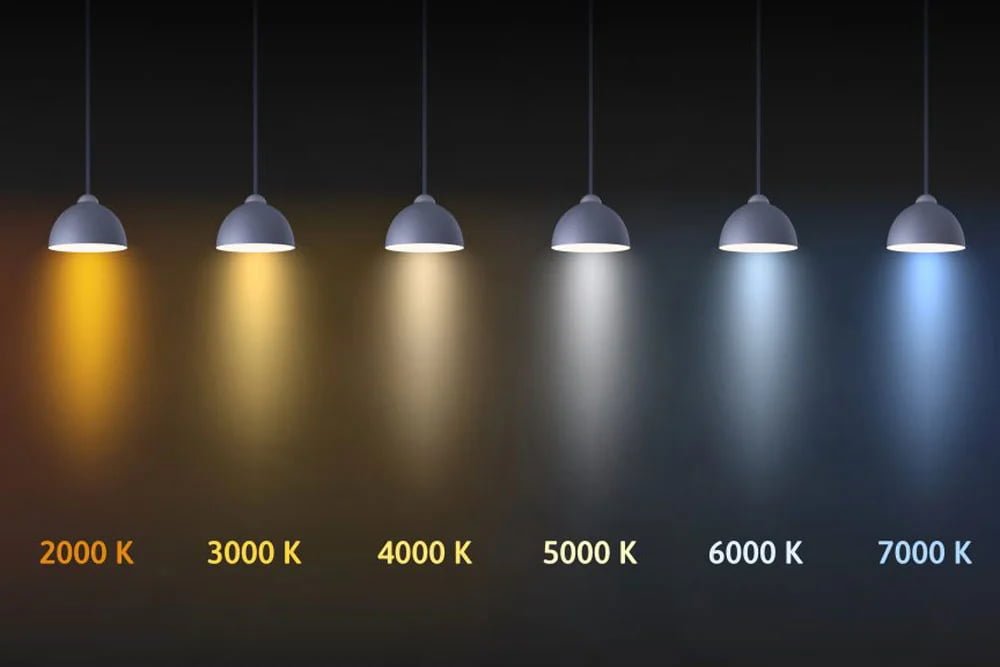
Color temperature is a feature that many basic flashlights lack. But for a work light, it is necessary. The environment of a traveler changes constantly. Sometimes the hotel room is very cold and dark. Sometimes it has warm yellow lamps that are too dim.
I recommend a light that can change from 2700K to 5000K. Here is why. 3000K to 4000K is "warm white." This is good for your eyes. It is relaxing. If you have to work for four hours straight, this light is less tiring. It is good for reading.
5000K is "cool white." It looks like noon daylight. This is good for focus. If you need to finish a spreadsheet in 30 minutes, switch to 5000K. It wakes up your brain. It helps you concentrate.
If you are a brand owner, you must demand this feature from your factory. It adds value to the product. It allows the user to customize their environment. A single color temperature is not enough anymore. People know about eye health. They know about blue light. Giving them the choice makes your product superior. At Kovalite, we see more inquiries for "Dual Power" and tunable white options for this exact reason.
Does Color Rendering Index (CRI) Really Matter?
This is a technical specification that many brands ignore. If you want a premium experience for your customers, you cannot afford to overlook it.
CRI measures how true colors look under the light. For work, you should demand a CRI of at least 80, though 85 is better. This reduces visual fatigue7 and makes reading documents or viewing screens much more natural.
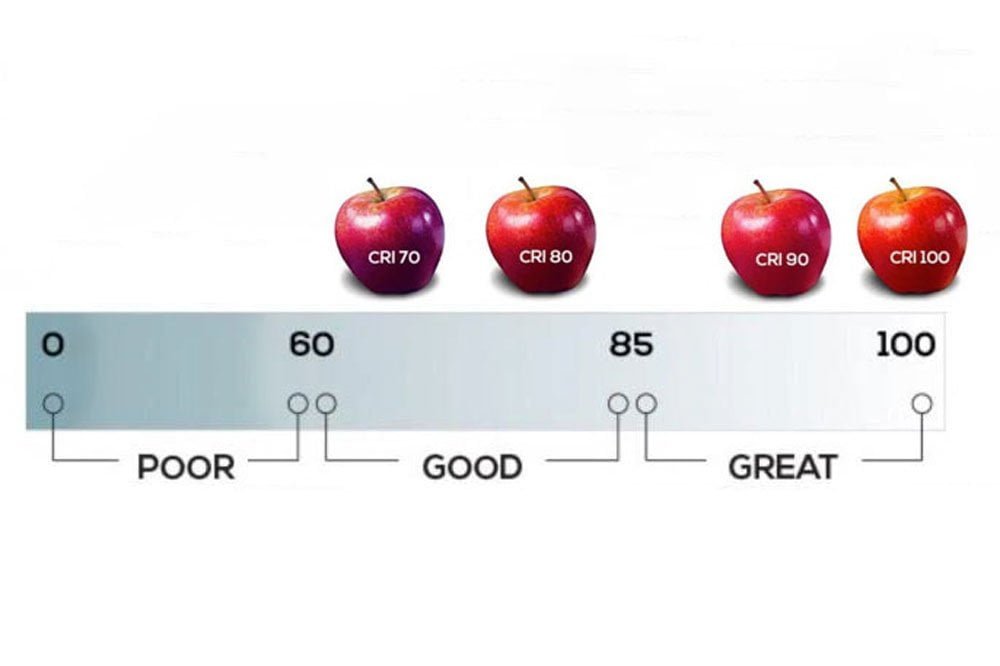
I need to be honest about the manufacturing side here. Most factories that make outdoor lights do not care about CRI. They make flashlights for hiking or security. For those uses, brightness is everything. Color accuracy does not matter. They usually use LEDs with CRI 70. This makes colors look washed out. Red looks like brown. Skin looks grey.
However, for a work lamp, this is bad. If you are a designer or a consultant, you need to see things clearly. Low CRI light strains the brain. Your brain has to work harder to interpret what it sees. This causes headaches.
I always advise my clients to ask for CRI ≥ 80. CRI 85 is the best balance. It looks great, but it is not too expensive. Getting CRI 95 is possible, but it is very expensive and reduces brightness. CRI 80 is easy for most factories to achieve if you ask for it.
But you must ask. If you do not specify it, the factory will use the cheapest LED. This is a hidden detail. It differentiates a professional tool from a cheap toy. If you print "High CRI" on your packaging, it shows you understand quality. It justifies a higher price point.
How Important Are Size, Weight, and Battery Life?
A light is useless if you leave it at home because it is too heavy. The physical design determines if the product actually makes it into the suitcase.
For travel, the device must be compact and lightweight. Prioritize a thin profile that slides into a laptop bag. Long battery life12 is critical, while the specific charging method depends on your personal equipment.
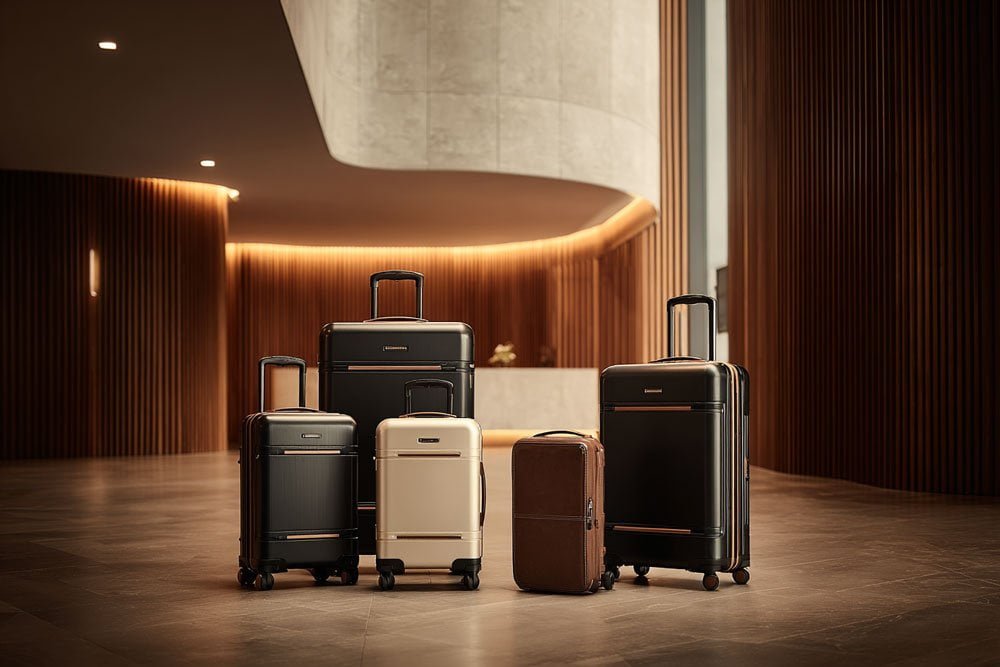
The final principle is simple: smaller is better. Lighter is better. Business travelers have limited space. They usually travel with carry-on luggage only. If a light is bulky, they will leave it behind.
I prefer lights that are flat. A cylinder shape (like a traditional flashlight) is awkward in a laptop bag. A flat, phone-shaped light slides right into a pocket. It packs easily.
Battery life is the other major factor. The light needs to last for a full work session. I suggest looking for lights that can run for at least 4 to 6 hours on medium brightness. No one wants to stop working to charge their light.
Regarding charging, USB-C is the standard now. It is convenient because you can use your laptop charger. However, some users prefer replaceable batteries. This really depends on the user. But for a modern travel lamp13, a built-in rechargeable battery is usually the best choice for slimness.
At Kovalite, we focus on high energy density. We want the battery to be small but powerful. This balance is hard to achieve, but it is what the market demands.
Conclusion
To choose the right travel lamp, focus on multifunctional lights with flood beams. Ensure it has 300-800 lumens3, adjustable CCT, CRI ≥80, and a compact, thin design.
Explore how a portable multi-functional light can enhance your workspace and reduce eye strain. ↩
Learn why having adjustable brightness can improve your work efficiency and comfort. ↩
Explore the significance of lumens in achieving optimal lighting for work tasks. ↩
Discover how different color temperatures can influence your focus and relaxation. ↩
Understand how high CRI can enhance color accuracy and reduce visual fatigue. ↩
Discover the best lighting options tailored for the needs of digital nomads. ↩
Explore strategies to minimize visual fatigue while working in poor lighting. ↩
Learn about the essential features that make a work light effective for professionals. ↩
Find out why a thin profile is essential for travel convenience and ease of use. ↩
Explore lighting solutions specifically designed to meet the demands of mobile workers. ↩
Learn about the benefits of floodlight beams for creating a comfortable workspace. ↩
Understand why long battery life is essential for uninterrupted work sessions. ↩
Get insights on the key features to consider when choosing a travel lamp. ↩