Sourcing the right tactical flashlight for your brand is often confusing. If you choose the wrong manufacturer, your reputation suffers and returns increase. I will show you exactly how to define quality based on who is holding the light.
snippet paragraph: A good quality tactical flashlight is defined by its intended user. For police, reliability and instant strobe are key. For outdoor use, consistent brightness and long battery life matter most. Quality means high-grade aluminum, a stable circuit driver, and passing rigorous IPX water-resistance tests.
Transition Paragraph: Many buyers think "brightest" means "best," but that is a mistake. I will explain why context matters more than raw numbers.
What do security professionals really need in a tactical light?
leading paragraph: Police officers and security guards face danger every day. They cannot have a light fail when they need it most.
snippet paragraph: Security personnel require absolute reliability, high lumen output, and specific defense features like a one-touch strobe switch.
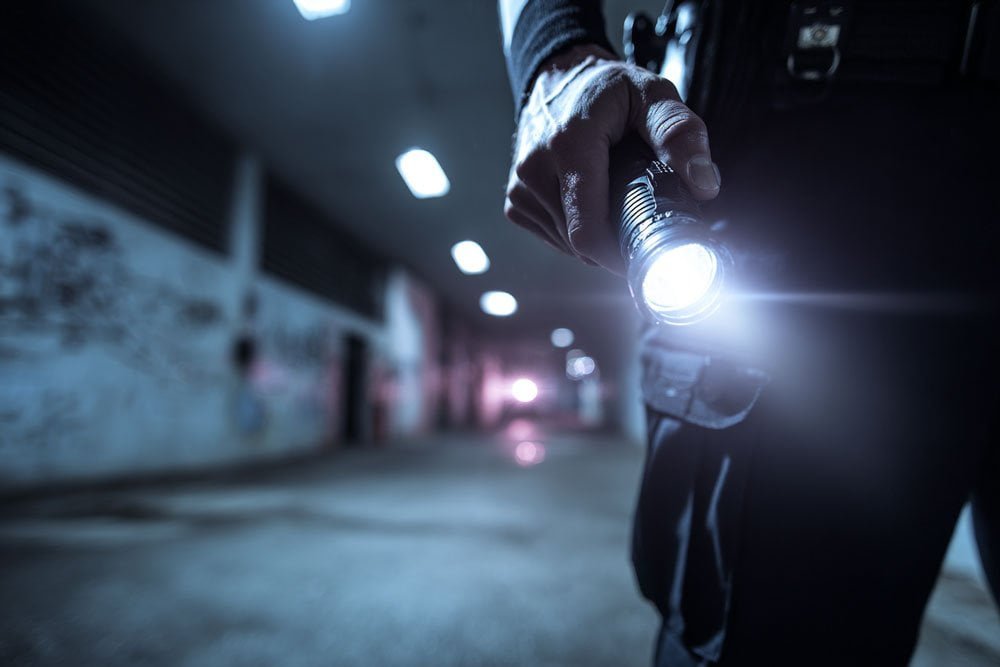
Dive deeper Paragraph: When we work with clients who supply law enforcement or security firms, the definition of "quality" changes. It is not just about a bright beam. It is about trust. A security guard uses a flashlight as a tool for observation and as a tool for defense. Therefore, the interface must be simple. If a user is under stress, they cannot fumble with complex modes. A quality tactical light for this sector must have a "tail switch" that turns on immediately.
We also need to look at the physical construction. The bezel, which is the front ring of the light, often needs to be made of stainless steel. This allows the user to break glass in an emergency or use the light for self-defense. At our factory, we test these lights for impact resistance. We drop them from 1.5 meters onto concrete. If the light flickers or turns off, it fails the quality test. Reliability is the only metric that matters here.
Key Features for Security
| Feature | Why it indicates Quality |
|---|---|
| Instant Strobe | Allows for immediate disorientation of a threat. |
| Tail Cap Switch | Easy to find in the dark; supports "momentary on." |
| Strike Bezel | Hardened steel for breaking windows or defense. |
| Simple UI | Prevents confusion during high-stress situations. |
Why is battery life crucial for outdoor enthusiasts?
leading paragraph: Hikers and search and rescue teams are different from cops. Their main fear is being stuck in the dark for hours.
snippet paragraph: Outdoor enthusiasts and rescue workers prioritize stable runtime and weather resistance over short bursts of extreme brightness.
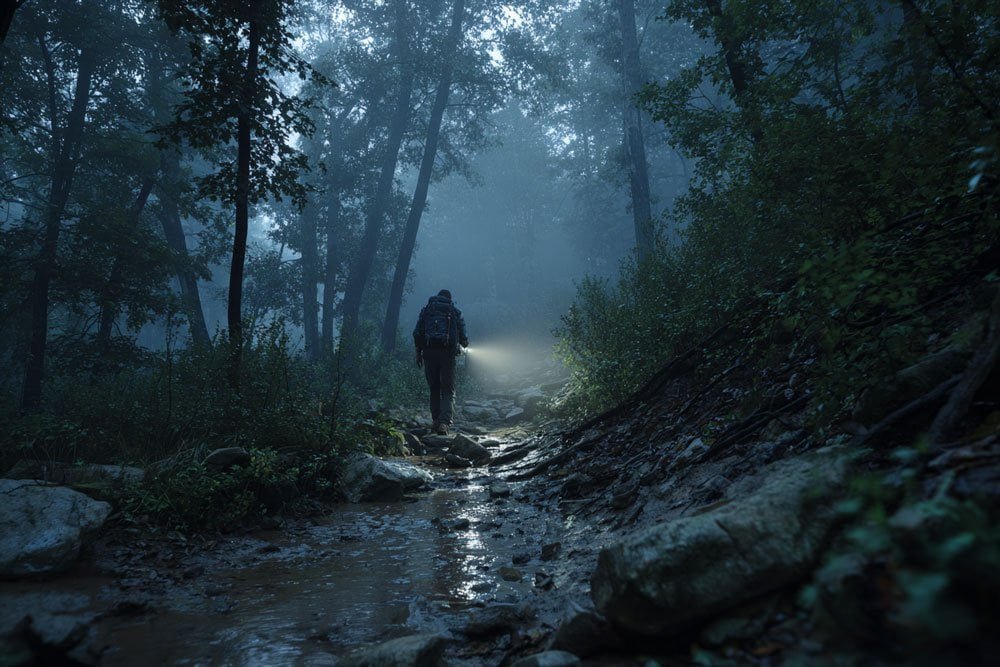
Dive deeper Paragraph: Outdoor enthusiasts, like hikers or campers, have different needs compared to police officers. For an outdoor brand, a "good quality" light must manage its energy well. We often see cheap flashlights that claim 2000 lumens. However, they only hold that brightness for two minutes before they get too hot and dim down. This is not useful for a hiker who walks for four hours at night.
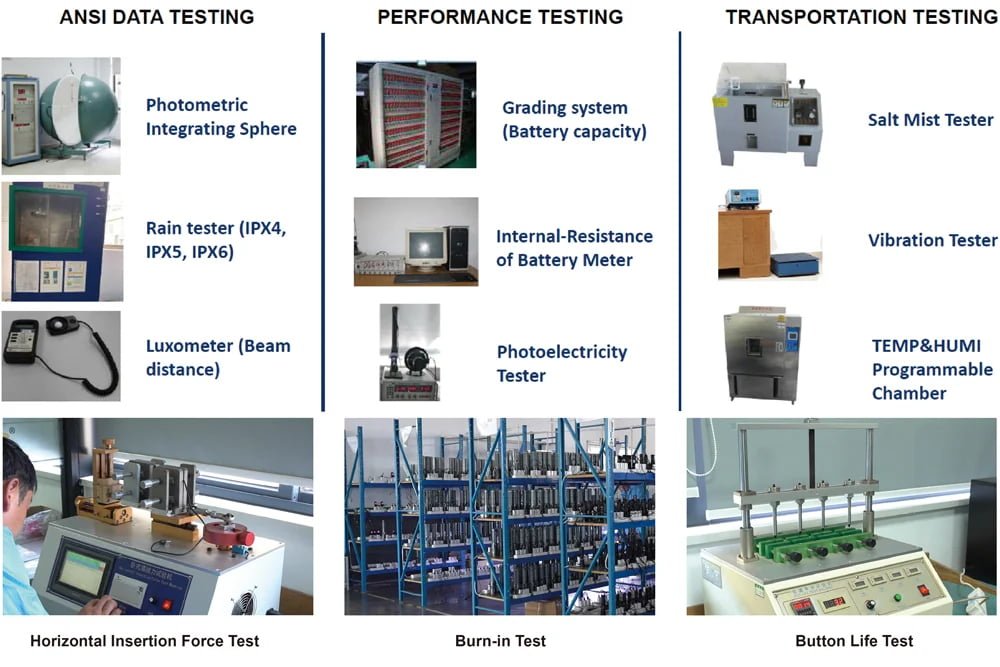
When we design lights for outdoor brands, we focus on the "driver" circuit. A quality driver regulates the power. It ensures the light stays at a usable level for a long time. We also consider the environment. Outdoor lights face rain, mud, and rivers. We use our IPX4 to IPX6 testing equipment to spray water on these units. If water gets inside the lens or the battery compartment, the quality is not good enough. The user needs to trust that the light will work even in a storm.
Outdoor Quality Metrics
- Regulated Output: The light does not dim immediately as the battery drains.
- Thermal Management: The light does not get too hot to hold.
- Weather Sealing: O-rings must be thick and lubricated to stop water.
- Battery Capacity: Uses high-capacity cells (like 21700 or 18650) for longer runtimes.
Does a home user need military-grade specs?
leading paragraph: Homeowners buy tactical lights too. But they usually do not need to break windows or search forests for hours.
snippet paragraph: Home users look for versatility, ease of charging, and a balance between cost and performance rather than extreme durability.
Dive deeper Paragraph: There is a large market for "tactical-style" lights for general home use. These customers want the look of a professional light, but they have different needs. For this group, quality is defined by convenience. At Kovalite, we find that the charging method is the most important feature here. A home user does not want to take the battery out to charge it. They want a USB-C port right on the flashlight body. This is a sign of a modern, user-friendly product.
Cost performance is also vital. A homeowner does not need a light that survives a 10-meter drop. They need a light that is bright enough to check the backyard or find supplies during a power outage. We position these products in the mid-range. We use good aluminum and decent LEDs, but we do not use the most expensive imported components. This allows our brand customers to offer a "good quality" light at a price that fits a supermarket or hardware store shelf.
Home Use Priorities
- Charging: USB-C direct charging is a standard requirement.
- Beam Style: Adjustable focus (zoom) is very popular for home use.
- Price: Must offer good value without unnecessary military specs.
- Design: Needs to look professional but feel comfortable.
How does the internal driver affect light quality?
leading paragraph: The outside of the flashlight looks good, but what is inside? The circuit board controls everything.
snippet paragraph: A quality driver ensures the light stays bright as the battery drains, rather than dimming immediately, and protects against overheating.
Dive deeper Paragraph: As a manufacturer with a factory background, I can tell you that the secret to quality is often hidden. You cannot see the circuit driver, but it does all the work. There are two main types of drivers. The first is a "direct drive." This is cheap. It connects the battery directly to the LED. The light is very bright at first, but as the battery voltage drops, the light gets dimmer.
The second type is a "constant current" driver. This is what you find in high-quality tactical lights. It keeps the brightness steady even as the battery gets low. It also manages heat. LEDs create a lot of heat. If this heat is not managed, the LED will burn out. A good driver monitors the temperature and lowers the power slightly if it gets too hot. This protects the light and the user's hand. When we develop products, we test this in our lab using integrating spheres to measure exactly how the light performs over time.
Driver Comparison
| Feature | Cheap Driver | Quality Driver |
|---|---|---|
| Brightness | Dims constantly as battery dies. | Stays flat and consistent. |
| Heat | Can overheat and damage LED. | Monitors heat and adjusts safety. |
| Efficiency | Wastes energy as heat. | Maximizes battery runtime. |
| Flicker | Often has visible PWM flicker. | Smooth light output (No flicker). |
Does the body material define the quality?
leading paragraph: A light must feel good in the hand. The finish tells the customer a lot about the value of the product.
snippet paragraph: High-quality anodizing prevents scratches, and precise machining ensures the flashlight is waterproof, durable, and feels premium to the touch.
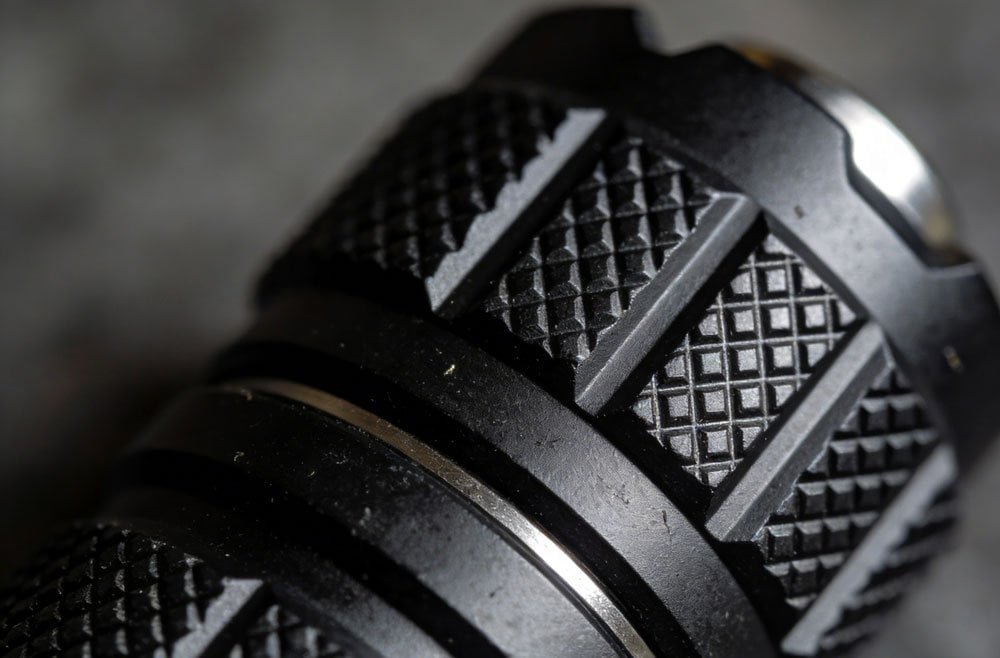
Dive deeper Paragraph: When a customer picks up a tactical flashlight, the first thing they notice is the weight and the texture. Most tactical lights are made of aluminum. But not all aluminum is the same. Good quality lights use "aircraft-grade" aluminum, usually 6061-T6. This is strong but light. If a manufacturer uses cheap recycled aluminum, the metal can be soft. The threads will strip easily when you screw on the tail cap.
The finish is also a big indicator of quality. We use a process called anodizing. A "Type III Hard Anodizing" is the best standard. It makes the surface very hard. Keys in a pocket will not scratch it. You can test this by trying to scratch the light with a knife. A good quality finish will resist the scratch. Also, look at the "knurling." This is the grip pattern cut into the metal. It should be grippy but not sharp. It shows that the CNC machines were programmed correctly and the tools were sharp.
Material Checklist
- Alloy: 6061-T6 Aluminum is the industry standard.
- Finish: Type III Anodizing (HAIII) for scratch resistance.
- Threads: Square-cut threads are stronger and last longer.
- Knurling: defined grip pattern that is comfortable to hold.
Conclusion
To determine quality, you must first define your user. Police need reliability, hikers need efficiency, and homeowners need convenience. True quality matches the features to the specific needs of the customer.