I met a client from Denmark many years ago. He wanted to expand lighting products1 to his brand. His method was simple. He searched on Google for factories. He found websites, contacted them, and asked for samples. This sounds normal. But he spent five months doing this before he made a decision. He told me later that those months were torture. The problem was clear. It is very hard to tell a good factory2 from a bad one if you do not visit China yourself.
To pick a good manufacturer, you must look beyond website photos. You need to understand the regional production hubs3 in China, verify claims through video calls4, and most importantly, find a partner who offers tailored solutions5 rather than just a catalog of products.
Many buyers face the same confusion. They see hundreds of options and cannot tell which one is right. They get samples from twenty different places, and they get even more confused. I have seen this happen for over ten years. I want to share my experience to help you avoid this pain. I will explain how to look at regions, quality, and market positioning6. This will help you find the right supplier for flashlights, headlamps, and camping lanterns.
What is your current business stage and need?
You might think you just need a product. But different business stages require different types of suppliers. You need to know where you stand first before you start looking.
The specific goal of your company determines your ideal partner. Whether you are building a new brand, filling gaps in an existing line, or entering a supermarket channel, the right supplier changes based on these needs.
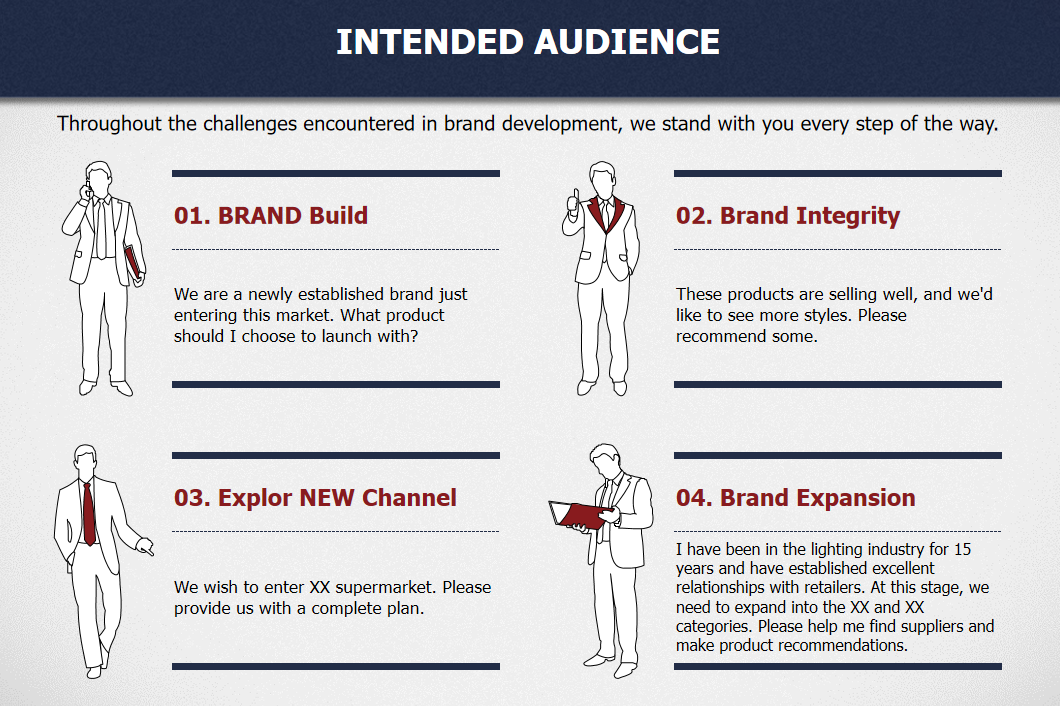
I classify the clients I meet into four main groups. This classification helps me understand what they truly need. It also helps them understand what kind of supplier they should look for. A factory that is good for a big retailer might be bad for a new brand. You need to see where you fit.
The first type is Brand Build7. You are a new brand. You are just entering the market. You need a supplier who can tell you what product to launch. You do not just need a light; you need advice.
The second type is Brand Integrity8. You already sell products. They sell well. You want more styles to keep your brand fresh. You need a supplier who can offer variety and quick updates.
The third type is Explore New Channel9. You want to get your products into a specific supermarket or chain. You need a complete plan for that channel. You need a supplier who understands retail packaging and display.
The fourth type is Brand Expansion10. You have been in the industry for a long time. You have good relationships with retailers. Now you want to sell a new category. You need a supplier to help you find the right products to leverage your existing network.
Here is a simple table to show what you should ask for based on your type:
| Customer Type | Primary Need | What to look for in a Supplier |
|---|---|---|
| Brand Build | Market Entry | Advice on "Winning Products" and low MOQ support. |
| Brand Integrity | Variety | Strong R&D and rapid prototyping capabilities. |
| Explore New Channel | Retail Planning | Experience with big retail chains and packaging solutions. |
| Brand Expansion | Category Growth | Sourcing capability to find reliable factories for new items. |
When you know your type, you stop looking for "the best factory" and start looking for "the best match." There are famous brands like Nitecore or Fenix. You can find them easily. But I am talking about the hidden manufacturers behind the brands. These are the partners you need to find.
Which region in China produces the best lights?
China is huge. You cannot treat all factories the same. The location of the factory tells you a lot about quality and price. You must check the address.
The flashlight industry is concentrated in Guangdong11 and Zhejiang12. Guangdong11 offers high-end electronics and chips. Zhejiang, specifically Ningbo, offers excellent mid-to-high-end mechanical quality. Yiwu13 focuses on lower-cost items. Knowing this saves time.
I have worked in this industry for over a decade. I see a clear pattern in where products come from. The two main provinces are Zhejiang and Guangdong. The core cities in Zhejiang are Ningbo and Yiwu. The core cities in Guangdong are Guangzhou and Shenzhen.
Factories in Guangdong have a big advantage in electronics. The supply chain there is very complete, especially for chips. If you want high-end flashlights with complex functions, this is a good place. The quality and the feel of the products are usually top-tier. Many international brands produce their lights there.
Factories in Zhejiang are different. Ningbo is the center for mid-to-high-end manufacturing. The quality is very good, but the cost is often better than in Guangdong. We are based in Ningbo. We focus on cost performance. We make lights that work well and look good, but we do not chase the most expensive specifications.
Then there is Yiwu. This area is known for small commodities. If you see very cheap flashlights, they likely come from here. The quality is usually low.
There is also a mix. It is not black and white. For example, many flashlight makers in Ningbo buy chips from Shenzhen. Factories in Shenzhen might buy plastic parts from Ningbo because it is cheaper to make molds here.
Here is how I see the regional breakdown for quality and price:
| Region | City Focus | Product Level | Price Level | Key Advantage |
|---|---|---|---|---|
| Guangdong | Shenzhen / Guangzhou | High-End | High | Advanced electronics and chips. Premium feel. |
| Zhejiang | Ningbo | Mid-to-High | Medium | Best balance of quality and cost. Strong mechanical production. |
| Zhejiang | Yiwu | Low-End | Low | Very cheap prices. High volume production. |
If you want a cheap promotional light, go to Yiwu. If you want the most advanced tech in the world, look at Shenzhen. If you want a solid product with a good price for wholesale, look at Ningbo.
Do certificates14 and factory size15 prove quality?
Suppliers love to show off certificates and big buildings. But does a big building mean a good product? Not always. You need to be careful with these claims.
Basic standards like CE, RoHS, and ANSI FL1 are common and expected. They do not guarantee superior quality. Factory size is often exaggerated in marketing. A live video tour16 is the best way to verify reality.
I often see suppliers list many standards. They list CE, RoHS, FCC, ANSI FL1, and ISO. This looks impressive. But for any decent factory in China, these are basic. It is like a driver having a driver's license. It does not mean they are a race car driver. It just means they can drive legally. Unless you need military-grade or explosion-proof lights, these certificates do not help you choose.
Then there is the size of the factory. When you contact a Chinese supplier, they will tell you how big they are. They say they have hundreds of workers. They say their factory is huge. This can be annoying. I know you care more about if they can solve your problem, not how many windows their building has.
Also, information about size is often fake. A trading company might claim the factory they buy from is their own. Or a small factory might count temporary workers as permanent staff.
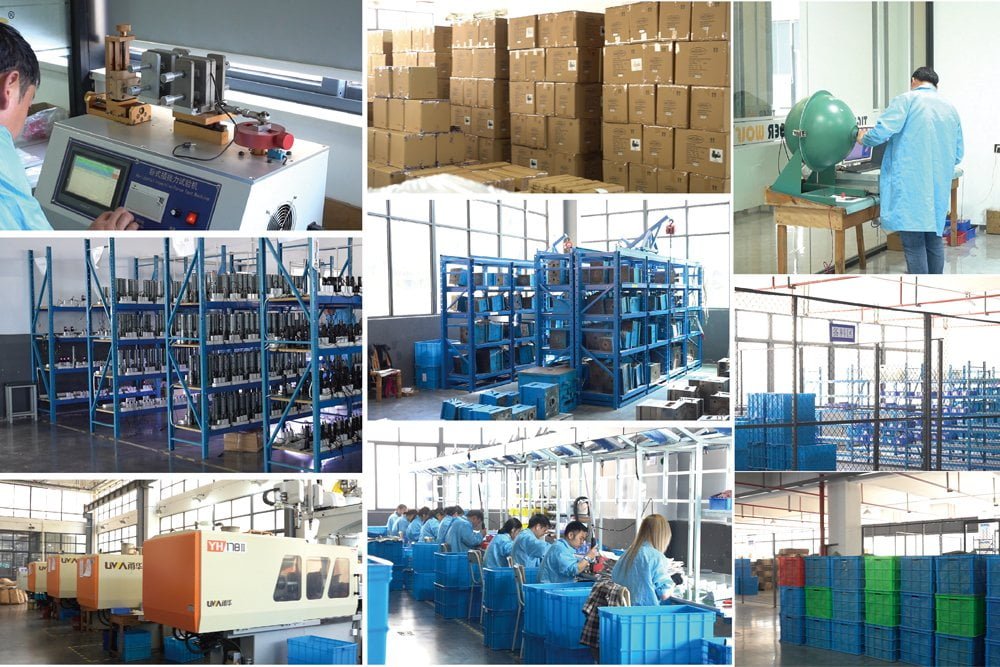
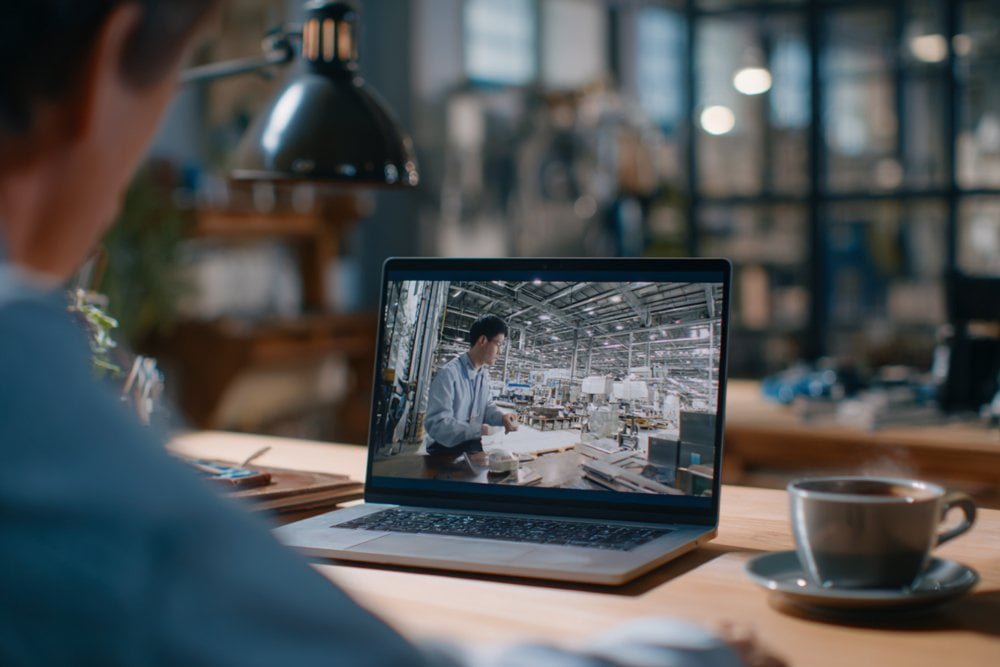
So, how do you check this? You do not need to fly to China immediately. The best way is a video call. Ask for a live factory tour. Do not look at pre-recorded videos. Ask them to walk through the production line with you on a video call.
You can see the machines. You can see the workers. You can see if it is organized. This takes ten minutes. It saves you months of guessing. You can see if they actually have the testing equipment17 they claim to have.
Do they have integrating spheres? Do they have waterproof testing tanks? Do they have aging test racks? If they have them, they will be happy to show you. If they make excuses, you know the answer.
How can you test if they are the right match?
This is the most important part. You have a list of factories. They all look okay. How do you choose the winner? You need to test their commitment.
The best supplier does more than send a price list. They invest time to research your market and propose specific solutions before you sign a contract. This effort proves they are a true partner.
I want to go back to the Danish client I mentioned at the start. He was very stressed. He needed to decide on a supplier before March. But it was January, and Chinese New Year was coming. Most factories were closing for the holiday.
He contacted us. We did not just send him a catalog. We knew he was in Northern Europe. We knew his deadline was tight. Even though our team was on holiday, we started working.
We researched his market. We looked at his brand. We looked at his competitors in Denmark. We checked the market prices there. We wanted to understand his end user better than he did.
We prepared three specific marketing plans for him.
- Plan A: Recommended existing products that fit his budget.
- Plan B: Customized options with his logo and specific colors.
- Plan C: A full package with special packaging designs for his retail channels.
If you'd like to know more about our solutions, pls visit our About Page.
We had a video meeting with him. It lasted three hours. We walked him through our research. Days after that we showed him the factory on video. We showed him we understood his business.
He did not come to China. He did not meet us in person. But he placed his first order in early March.
This is the standard you should use. When you send an inquiry, look at the reply. Do they just say "Here is the price"? Or do they ask questions? Do they try to understand your problem?
A good supplier acts like a partner. They do the homework. They give you a solution, not just a product. If a supplier is willing to spend time researching your needs before you pay them a dollar, that is a good sign. It shows they value the relationship.
So, ask yourself: Does this supplier understand my customer? Does their plan solve my problem? If the answer is yes, you have found the right manufacturer.
Conclusion
To pick the right manufacturer, understand your specific needs, check the factory's location, verify their claims with video calls, and choose the partner who offers solutions, not just products.
Explore this link to discover top lighting products that can elevate your brand's offerings. ↩
Learn effective strategies to distinguish between quality factories and avoid common pitfalls. ↩
Understanding these hubs can help you make informed decisions about sourcing. ↩
This resource will guide you on effectively using video calls to assess potential suppliers. ↩
Discover the importance of customized solutions in building successful supplier relationships. ↩
Explore insights on market positioning to better align your products with consumer needs. ↩
Learn about the Brand Build strategy and how it can impact your product launch. ↩
Understand the significance of maintaining brand integrity while expanding your product line. ↩
This link provides strategies for successfully entering new retail channels. ↩
Discover the key elements of brand expansion and how to leverage existing networks. ↩
Learn why Guangdong is a prime location for high-end electronics and manufacturing. ↩
Explore the advantages of Zhejiang for mid-to-high-end manufacturing solutions. ↩
Find out why Yiwu is known for low-cost items and how it affects product quality. ↩
This resource discusses the real value of certificates in assessing supplier quality. ↩
Explore insights on how factory size can mislead buyers about quality. ↩
Learn how to effectively use live video tours to verify factory capabilities. ↩
Discover essential testing equipment that indicates a factory's commitment to quality. ↩