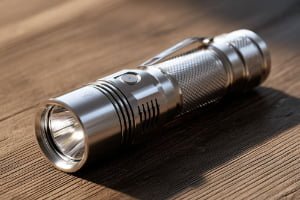
You want to buy the best flashlights for your brand. But you are confused by the many battery options available now. You worry about making the wrong choice for your customers.
There are three main battery types for LED flashlights today: dry batteries1 (alkaline), rechargeable batteries2 (lithium-ion3), and dual power4 (hybrid) systems. The right choice depends on your target market's budget and usage habits. Dry batteries are cheap upfront, rechargeables offer better performance, and dual power combines the best of both worlds.
Let me tell you about the history of these batteries. I will also explain where the market is going next.
Why do dry battery flashlights still have a market?
Many people think dry batteries1 are old technology. You might feel like you should stop selling them immediately. But this could be a big mistake for your business sales.
Dry battery flashlights remain popular because they have a very low initial purchase price and batteries are available everywhere. In markets like North America, consumers still prefer the convenience of swapping out batteries instantly rather than waiting for a device to charge.
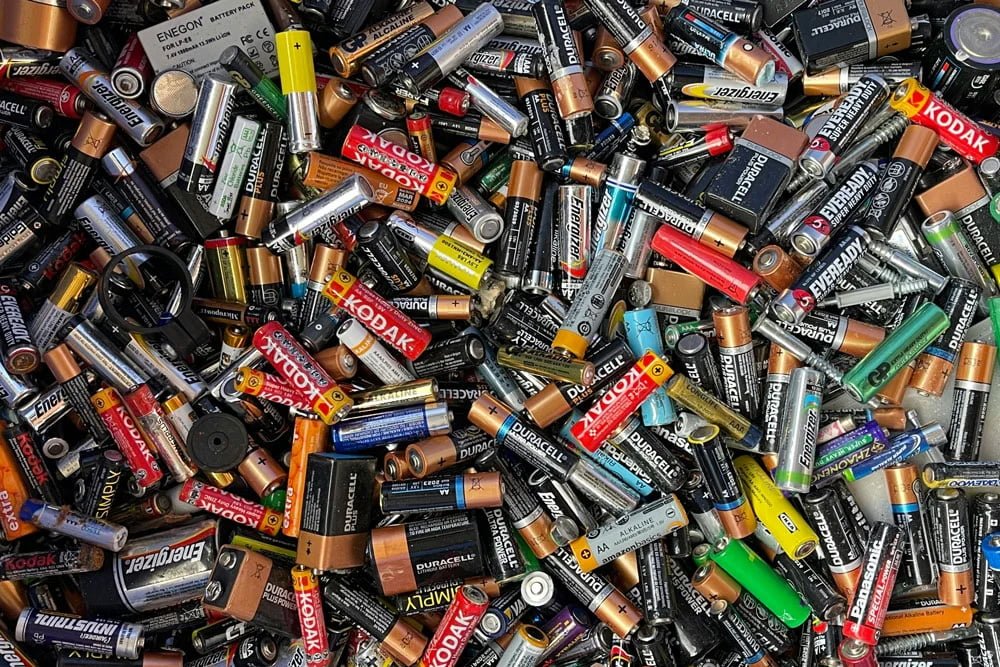
We need to look at this traditional power source closely. I established Kovalite in 2010. Back then, we only produced low-power aluminum flashlights. almost 100% of these products used dry batteries1. These are usually AA or AAA alkaline batteries5. Even today, dry battery products are very popular. This is true especially in North America.
There are specific reasons for this. First, the cost is low. A flashlight that uses dry batteries is much cheaper to make. It does not need a complex charging circuit. It does not need an expensive lithium battery inside. This means the retail price is lower. This attracts customers who look for a bargain. Second, replacement is easy. You can buy AA batteries in any supermarket or gas station. If a storm hits and the power goes out, you cannot charge a battery. But you can easily put in new dry batteries.
However, there are downsides. Dry batteries are 1.5V. This voltage limits the power. You cannot easily make a 2000 lumen flashlight with just one or two AA batteries. Also, these batteries are disposable. This creates waste. But for basic home use or emergency kits, they are still a top choice.
| Feature | Dry Battery (Alkaline) |
|---|---|
| Initial Cost | Very Low |
| Convenience | Instant Replacement |
| Voltage | Low (1.5V) |
| Brightness Potential | Low to Medium |
| Environmental Impact | High (Disposable) |
At Kovalite, we still supply many of these to US brands. We know that different markets have different habits. We help you decide if this is right for your specific sales channel.
Why are rechargeable flashlights dominating the industry?
Pollution is a big problem for our planet today. Your customers are asking for greener products. If you ignore this trend, your brand might lose its competitive edge soon.
Rechargeable flashlights are dominating the market because they offer superior brightness and lower long-term costs for the user. Environmental regulations and a shift toward sustainability make built-in lithium batteries the preferred choice for modern high-performance6 lighting tools.
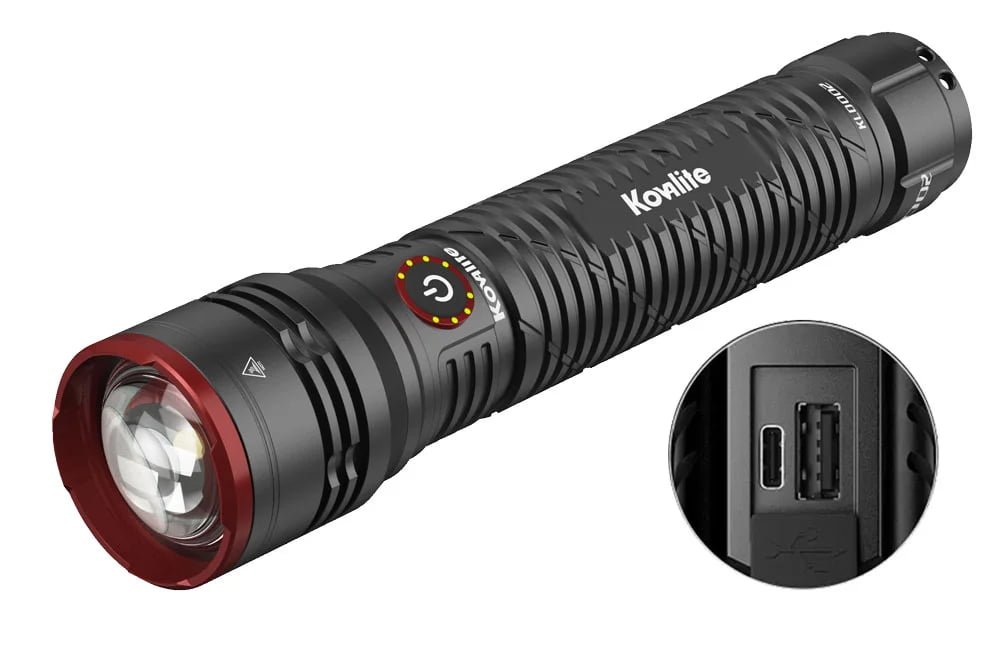
I saw a big change happen around 2015. This is when we expanded into high-power flashlights. The market began to demand higher performance. Dry batteries could not keep up. So, the industry moved toward rechargeable lithium-ion3 batteries. The most common types are 18650 or 21700 cells.
The biggest advantage here is performance. A single 18650 battery has a voltage of 3.7V. This is more than double the voltage of an alkaline battery. This allows the LED to burn much brighter. If your customers want 1000 lumens or more, you must use rechargeable batteries. This is simple physics.
Another big factor is the environment. In Europe and the Nordic countries, people care deeply about nature. They do not want to throw away batteries every month. Governments are also passing new laws. These laws make it harder to sell disposable products. A rechargeable flashlight can be used for years. You just plug it in with a USB-C cable.
The initial cost is higher. The battery costs more. The charging port costs more. But the user saves money over time. They do not have to buy new batteries every week. This is a strong selling point. You can tell your customers that the product pays for itself.
We also see better technology now. In the past, charging took a long time. Now, with Type-C fast charging, it is very quick. We test these products in our lab every day. We use integrating spheres and aging test racks. We ensure the battery is safe and lasts a long time. This builds trust with your brand.
Is Dual Power the best solution for cost-performance?
You want to offer high performance and low cost. But usually, you can only pick one. This forces your customers to make a difficult trade-off when buying.
Dual Power, or Hybrid technology, is the best solution for cost-performance because it allows a flashlight to run on both rechargeable packs and standard dry batteries1. This gives your customers "two flashlights in one," offering extended runtime7 and the flexibility to use whatever power source is available.
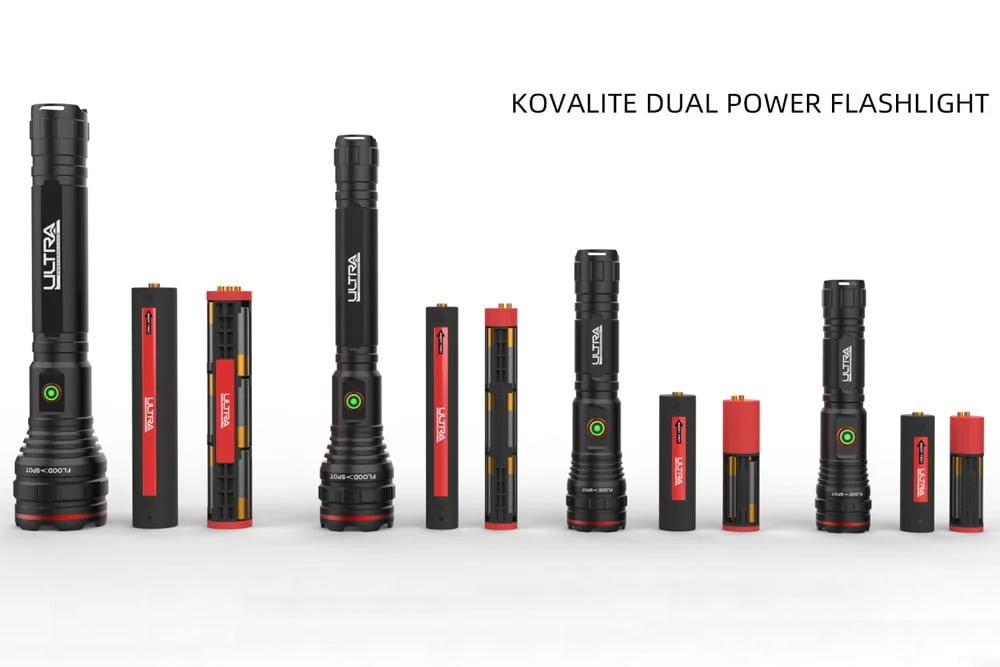
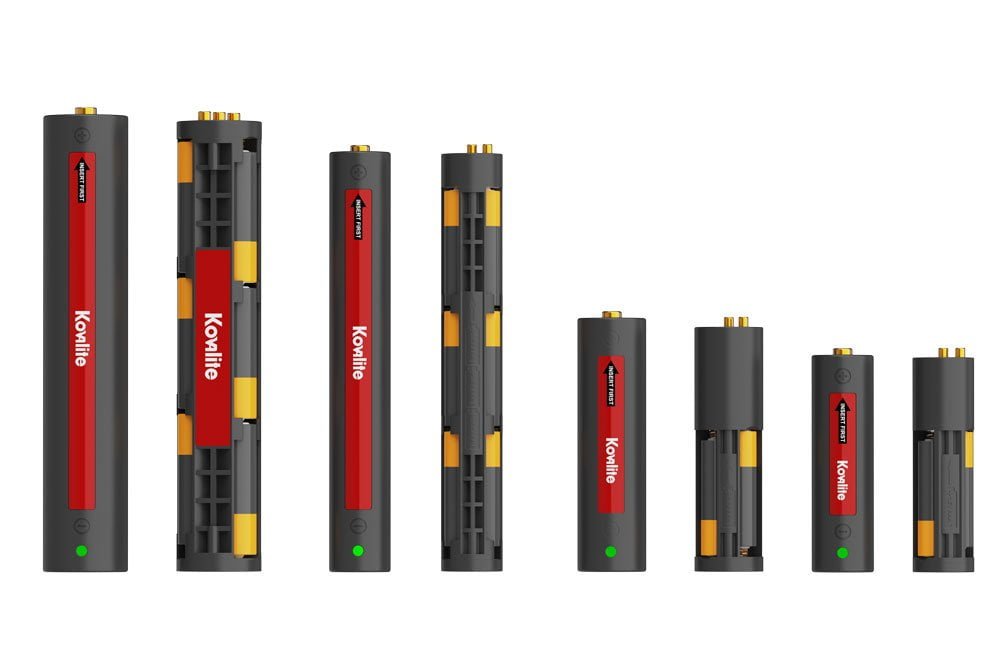
This is the most exciting development I have seen recently. In the last few years, a new category has quietly risen. We call it "Dual Power" or "Hybrid." Think about a hybrid car. It uses gas and electricity. This flashlight does something similar. It can use a rechargeable lithium battery pack. But, if that battery dies, you can take it out. Then, you can put in standard AAA or AA batteries.
This solves a huge problem. People love rechargeable lights. But they have "battery anxiety." They worry the light will die when they are in the woods. They worry they cannot find a charging outlet. Dual Power removes this fear. If the rechargeable battery dies, they just swap in alkaline batteries5.
This also increases the total runtime7. You have the runtime of the lithium battery. Plus, you have the runtime of the dry batteries1. The total usage time is massive. This is great for camping or long work shifts.
From a business view, this is smart. You are selling "two" flashlights for the price of one. It is a very high "value for money8" product. Consumers feel they are getting a great deal. This fits the current economic situation perfectly. People want to spend their money wisely.
At Kovalite, we are pushing this technology. We partner with brands to develop these Dual Power systems. We design special battery cages. These cages fit inside the flashlight to hold the dry batteries. The design must be precise. It must fit the same space as the rechargeable pack.
We can customize this for you. We can put your logo on it. We can design the appearance to look rugged or sleek. This type of product helps you stand out. Your competitors might only sell standard lights. You can offer something more versatile.
| Feature | Dual Power Benefit |
|---|---|
| Versatility | Works with rechargeable pack OR dry batteries1 |
| Runtime | Extended (Lithium time + Alkaline time) |
| User Experience | No anxiety about dead batteries |
| Market Position | High value, "Two-in-One" concept |
Conclusion
There are three main choices: dry, rechargeable, and dual power4. Dry is cheap, rechargeable is powerful, and dual power4 is versatile. You should choose the one that fits your market best.
Explore the benefits of dry batteries, including cost-effectiveness and convenience for consumers. ↩
Learn why rechargeable batteries are becoming the go-to choice for high-performance flashlights. ↩
Find out how lithium-ion batteries enhance flashlight performance and sustainability. ↩
Discover how dual power technology offers flexibility and extended runtime for flashlight users. ↩
Understand the features of alkaline batteries and why they remain popular in the flashlight market. ↩
Discover how different battery types impact the brightness and efficiency of flashlights. ↩
Learn about the runtime capabilities of dry, rechargeable, and dual power flashlight batteries. ↩
Discover how dual power flashlights provide exceptional value for consumers. ↩