You might feel overwhelmed when looking for the perfect headlamp1 because there are thousands of options on the market. If you choose the wrong one, you waste money and risk your safety in the dark.
There is no single "best" headlamp1 for everyone because the right choice depends entirely on your specific activity. Outdoor enthusiasts need red light modes2, tradespeople require High CRI3 for color accuracy, and Nordic users need extra-large straps for winter hats. Matching the features to the scenario ensures the best performance.
I have worked in the portable lighting industry for many years. I often hear clients ask which model is the absolute best. I always tell them that context is king. A headlamp that is perfect for a runner might be useless for an electrician. As a manufacturer and trader, I have seen data from many different markets. Let us look at the specific needs for different user groups so you can make the right decision.
What functions are best for outdoor adventures?
Hiking in the dark without a light is dangerous because you do not want to trip or get lost. You need a light that is reliable and easy to carry.
The best headlamp1 for outdoors prioritizes lightweight designs and long battery life. Also, a red light mode is essential for camping to preserve night vision and avoid blinding friends.
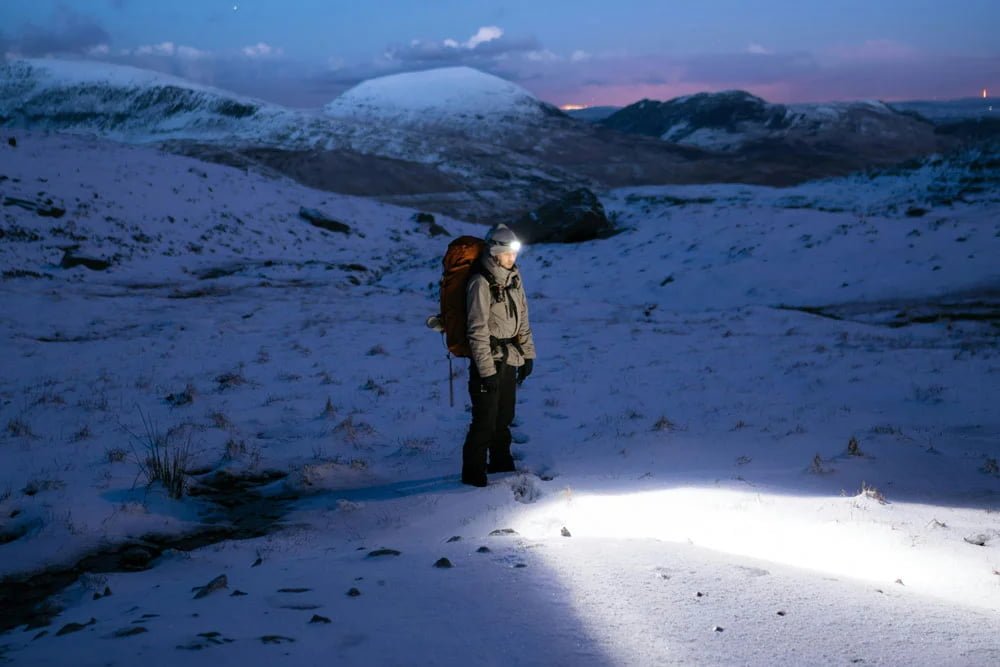
This is the biggest market for headlamps right now. I have seen a huge rise in "Outdoor Culture" across many countries. However, "outdoor" is a big word. We need to break it down.
First, there is Trail Running4. This is the fastest-growing area I see. Runners need something very light. If the lamp is heavy, it bounces when they run. That is annoying and makes it hard to see. They need a stable center of gravity and a smooth beam of light.
Second, we have Hiking and Trekking5. Think about long trails like the Pacific Crest Trail (PCT). Hikers often do "night raids," which means they start climbing at 2:00 AM to reach the peak by sunrise. Or they just hike late to finish the day's miles. For them, battery life is the most important thing.
Third is Camping. The main benefit here is keeping your hands free. You need to set up a tent, cook food, or read a book. A handheld flashlight is not good for this.
I want to share a special insight about Red Light Mode. This is a must-have feature. Why? Because red light does not spoil your "dark adaptation." If you turn on a bright white light, your eyes take a long time to adjust back to the dark. Red light prevents this. Also, it is polite. In a campsite, a white light blinds your friends. Red light does not. Finally, we have tested this in our factory: red light has a small effect on repelling mosquitoes. It is not a miracle, but it helps a little bit.
| Activity | Key Requirement | Why it matters |
|---|---|---|
| Trail Running4 | Lightweight & Stability | Prevents bouncing and neck strain during high-impact movement. |
| Hiking | Battery Life | Essential for multi-day trips or long night treks. |
| Camping | Red Light Mode | Preserves night vision and is polite to other campers. |
Do you really need colored lights for hunting and fishing?
Tracking game or tying a lure at night is frustrating with white light because it scares animals away. You might miss your target if you use the wrong color.
Hunters and anglers often look for headlamp1s with green or blue light6 options. Green helps track blood trails, while blue can attract fish without spooking them.
In North America and parts of Europe, hunting and night fishing are very popular. This is a professional niche market. If you are buying for this group, you cannot just sell a standard white light.
For Hunting, people usually move before dawn or after sunset. They have a very specific request: they like Green Light. Why green? It makes the red color of blood stand out on dark ground. This helps hunters track an injured animal. Also, many animals are not easily scared by green light7 compared to white light.
For Fishing, people stare at the water for a long time. They need a light that is waterproof. You never know when a wave might hit you or if you might drop the light. Some fishermen ask for Blue Light. They believe blue light attracts fish but does not scare them away. It creates a glow in the water that brings fish closer.
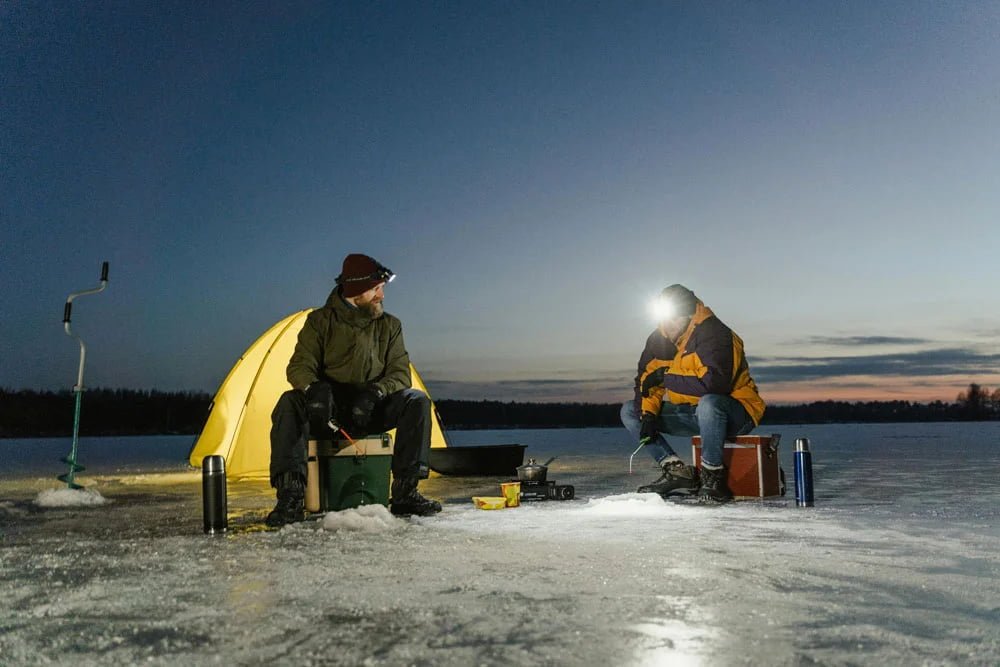
However, I need to be honest about the market trends. Based on my experience, the demand for these colored lights is going down. Animal protection awareness is rising globally. Fewer people are hunting for sport in some areas. Also, from our actual sales data, the number of users who strictly demand blue light for fishing is very small. When I advise my B2B clients on their marketing plans, I usually tell them to limit the space they give to this segment. It is good to have these products, but do not spend your whole budget promoting them. It is a shrinking niche.
| Feature | Primary Use | Trend Status |
|---|---|---|
| Green Light | Hunting / Tracking Blood | Stable but niche. Essential for specific regions. |
| Blue Light | Night Fishing | Declining. Very small user base. |
| Waterproofing | General Fishing | High demand. Must be IPX6 or higher. |
Why is light quality critical for workers and DIYers?
Fixing a fuse box in the dark is risky because if you cut the wrong wire, you could cause a fire. You need to see the difference between red and brown wires clearly.
For electricians and mechanics, the best headlamp1 must have High CRI (Color Rendering Index)8tin.com/blogs/information/what-is-cri-in-lighting-and-why-does-it-matter?srsltid=AfmBOoraPpgnJuu4_jAF3NuRxqUsA8omr1Xygm5hZ7pIIsTWsRj6wGpg)3 (Color Rendering Index). This allows you to see colors accurately, which is vital for safety.
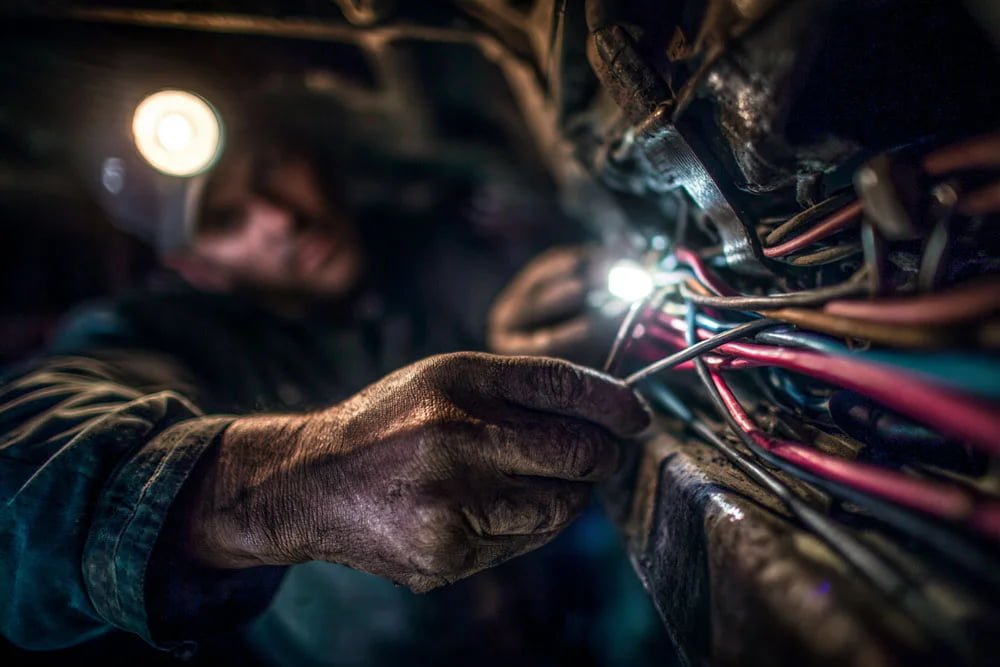
In Western countries, labor costs are very high. This means "DIY Culture" (Do It Yourself) is huge. Also, there are many "Blue Collar" professionals like electricians and plumbers.
Think about a homeowner in the USA. They live in a big house with a garage. They fix their own cars, repair their own pipes, and wire their own attics. The headlamp is a standard tool in their toolbox, just like a screwdriver.
Then you have the professionals: the Tradesmen. This includes HVAC technicians, plumbers, and electricians. They work in dark basements or inside walls.
I have found a very special need for this group: High CRI. Most standard LED lights wash out colors. Under a cheap light, a red wire and a brown wire might look the same. This is dangerous. High CRI means the light shows colors as they appear in natural sunlight.
In my years of selling lights, I noticed many buyers ignore this. They only look at "Lumens" (brightness). But for a worker, 500 lumens with High CRI is much better than 1000 lumens with low CRI. Seeing the true color of a wire ensures safety. When I recommend products to my clients, I always emphasize this point. I tell them to market this feature to their end customers. It separates a professional tool from a cheap toy. It can really boost sales in the professional market.
| Feature | Importance | Benefit for User |
|---|---|---|
| High CRI3 | Critical | Distinguish wire colors (Live vs. Neutral) to prevent accidents. |
| Flood Beam | High | Provides wide light for close-up work without blind spots. |
| Durability | High | Must survive drops on concrete floors in garages. |
How does geography change headlamp requirements?
Walking the dog in winter is hard when it is pitch black at 3 PM and your hands are full. You cannot hold a flashlight while holding a leash and a waste bag.
In high-latitude regions like Scandinavia, headlamps are daily essentials. The best choice here features a T-shaped strap9 to fit over thick winter hats.
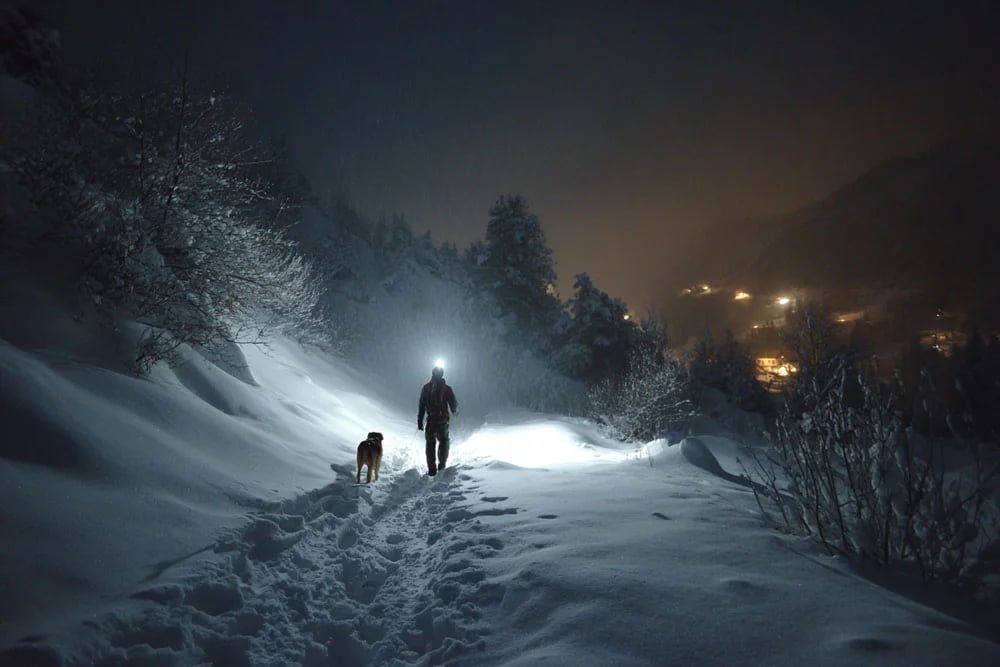
This is a market segment people often forget. But for people living in high latitudes, it is daily life.
First, let's talk about Dog Walking. This is a huge scene. In the suburbs, street lights are often dim or missing. You have one hand on the dog leash. You have the other hand holding a bag to pick up dog poop. You have zero hands left for a flashlight. A headlamp1 is the only solution. It solves a real problem.
Second, consider the "Polar Night" in places like Sweden, Norway, and Finland. In winter, the sun sets very early, sometimes at 2:00 PM. Kids go to school in the dark. People commute on bikes in the dark. They go cross-country skiing for exercise in the dark. For them, a headlamp is not a toy; it is a necessity like shoes or a coat.
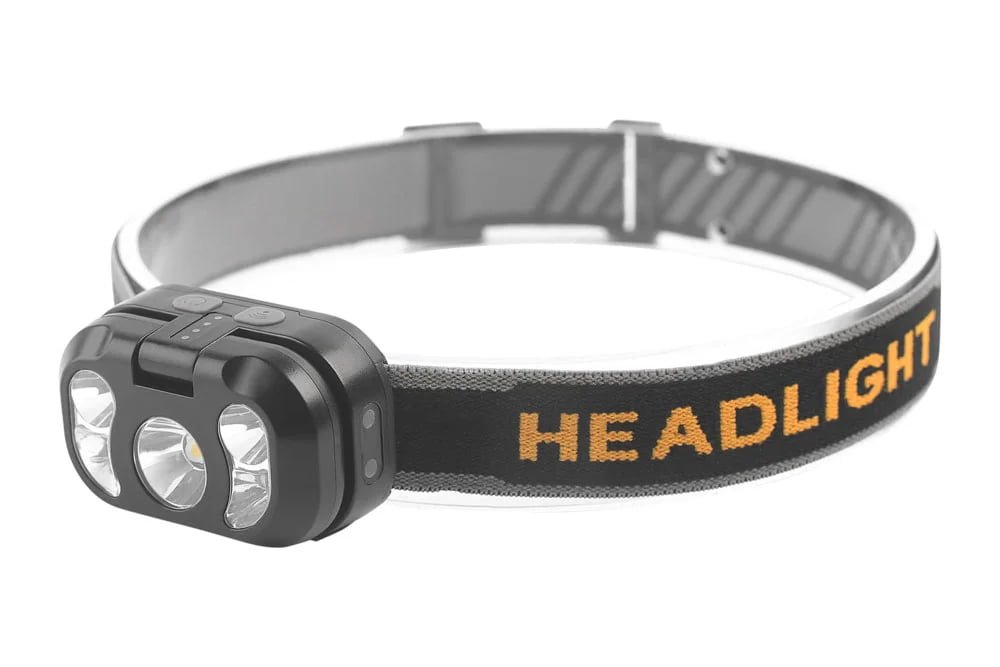
I have a specific tip for clients targeting these Nordic areas. The headlamp strap must be Long and T-shaped. Why? Because it is freezing cold. People wear thick wool beanies or hats. A standard strap is too tight. It will give you a headache or pop off your head. You need a strap that is adjustable to a very large size. Also, a "T-type" strap (which has a third strap going over the top of the head) is best. It stops the lamp from sliding down when you move. Stability is key when you are wearing layers.
| Scenario | Challenge | Solution |
|---|---|---|
| Dog Walking | No free hands | Headlamp allows hands-free safety and cleanup. |
| Nordic Winter | Thick headwear | Extra-long straps to fit over hats. |
| Active Commuting | Lamp slipping | T-shaped (3-point) strap for maximum stability. |
Conclusion
To summarize, there is no single best headlamp. You must choose based on the user's specific scenario, whether it is red light for camping, High CRI for work, or large straps for winter.
Explore this link to find tailored recommendations for headlamps based on specific activities. ↩
Learn how red light modes enhance night vision and improve camping experiences. ↩
Discover the significance of High CRI in ensuring color accuracy for safety in work environments. ↩
Get insights into the best headlamps designed specifically for trail runners. ↩
Learn about the key features that enhance hiking and trekking experiences. ↩
Find out how blue light can attract fish without scaring them away. ↩
Discover how green light aids in tracking during hunting activities. ↩
Understand how High CRI helps distinguish wire colors for safety. ↩
Discover how T-shaped straps enhance stability for headlamps in cold climates. ↩