Walking alone at night feels unsafe. You want protection, but carrying weapons is often illegal. Which tool actually keeps you safer: a baton or a flashlight?
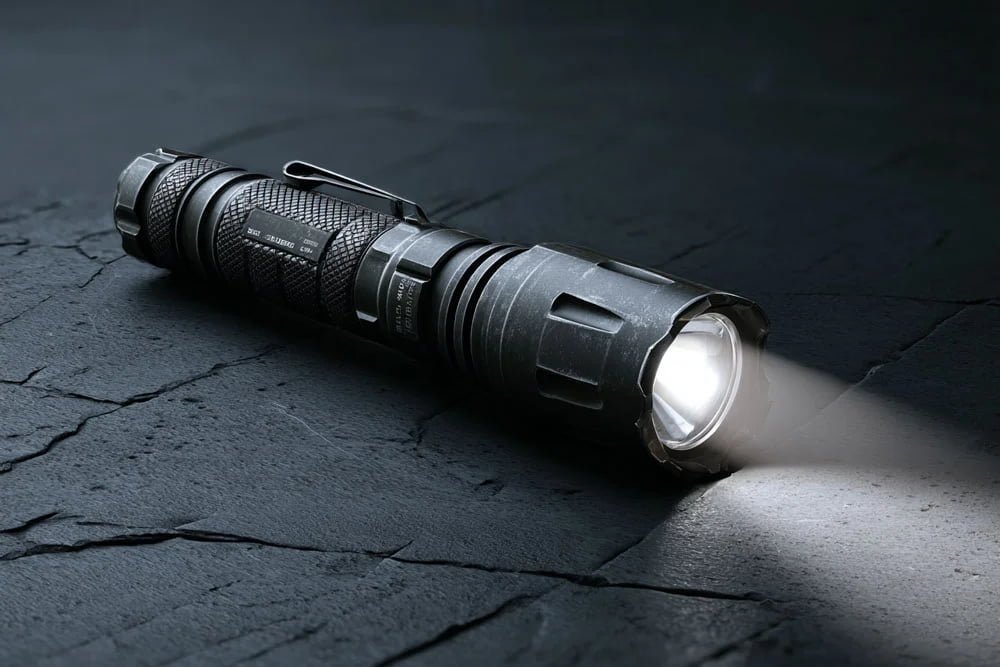
While batons offer impact power, a tactical flashlight1 is often the safer choice for civilians. Flashlights are legal everywhere, allow you to blind attackers from a distance, and eliminate the risk of a weapon being turned against you.
Many people assume a heavy stick is best. Real-world situations are messy. Before you buy gear that might sit in a drawer, you need to understand the hidden risks of batons and the surprising power of modern light.
Is a baton actually practical for the average person?
You might think a baton equals power. But effective self-defense requires more than just holding a heavy stick in your hand.
The second paragraph, which answers the question posed by the headline, is the paragraph that will be used later to compete for Google's Featured Snippets. (max 50 words) Batons require training to use effectively. If you are not strong or trained, an attacker can easily grab the baton and use it against you, making a dangerous situation much worse.
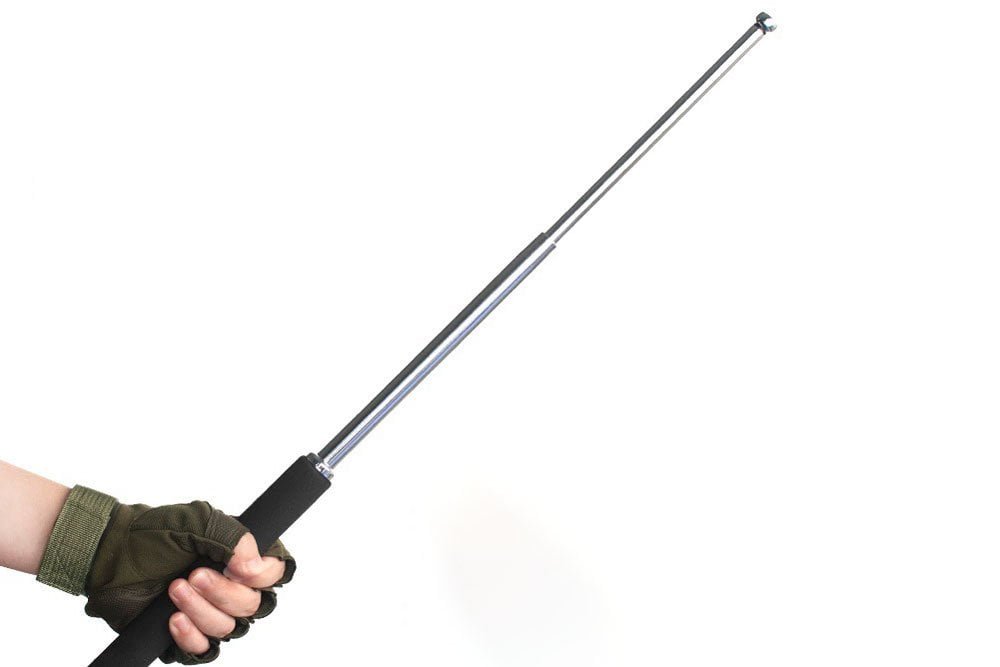
I often talk to clients who want to sell self-defense gear2. They think batons are the ultimate answer. Let's look at the specific product: the expandable steel baton3. It looks intimidating. In a stressful moment, adrenaline makes your hands shake. If you are a smaller person, perhaps a woman walking to her car, swinging a baton requires space and force. If you miss, you are off-balance.
The biggest risk is the "take-away." If an attacker is stronger, they can grab the baton. Now, they have a weapon, and you have nothing. This changes the dynamic completely. You are now in more danger than before.
Also, in many countries I ship to, carrying a baton is illegal for civilians. It is considered an offensive weapon. You cannot take it on a plane or into a mall. This limits its use significantly. You might leave it at home because it is heavy or illegal. A self-defense tool is useless if you do not have it with you.
Why is a tactical flashlight a better self-defense tool?
You need a tool that works before the attacker gets close. A flashlight offers a layer of protection that a baton cannot match.
A tactical flashlight provides a "wall of light." It temporarily blinds an attacker, giving you time to escape. It is non-lethal4, legal everywhere, and does not require physical strength to be effective.
When I discuss product development at our factory, we focus on function. A high-power tactical flashlight is not just for seeing in the dark. It is a distance weapon. Imagine a 2000-lumen strobe light hitting someone's eyes at night. It causes immediate disorientation. They cannot see you. This buys you 3 to 5 seconds to run away. This is the best self-defense: avoiding the fight entirely.
Unlike a baton, you do not need to be close to the bad guy. Also, a flashlight is innocent. You can carry it into a cinema, a bank, or an airport. It is a tool, not a weapon. If you are stopped by police, you are just a person with a light.
Some flashlights are "born with self-defense features." They have a strike bezel5. This is a jagged metal ring on the front. If you must fight, this bezel hits just as hard as a baton. It concentrates force into a small area. This makes it effective even if you are not very strong. It is the perfect balance of utility and safety.
How do these tools compare in real-life danger?
Theory is different from reality. Let us imagine a specific scenario to see which tool actually helps you survive a threat.
In a parking lot encounter, a flashlight allows you to scan corners and blind a threat from ten meters away. A baton only works if the attacker is already within arm's reach.
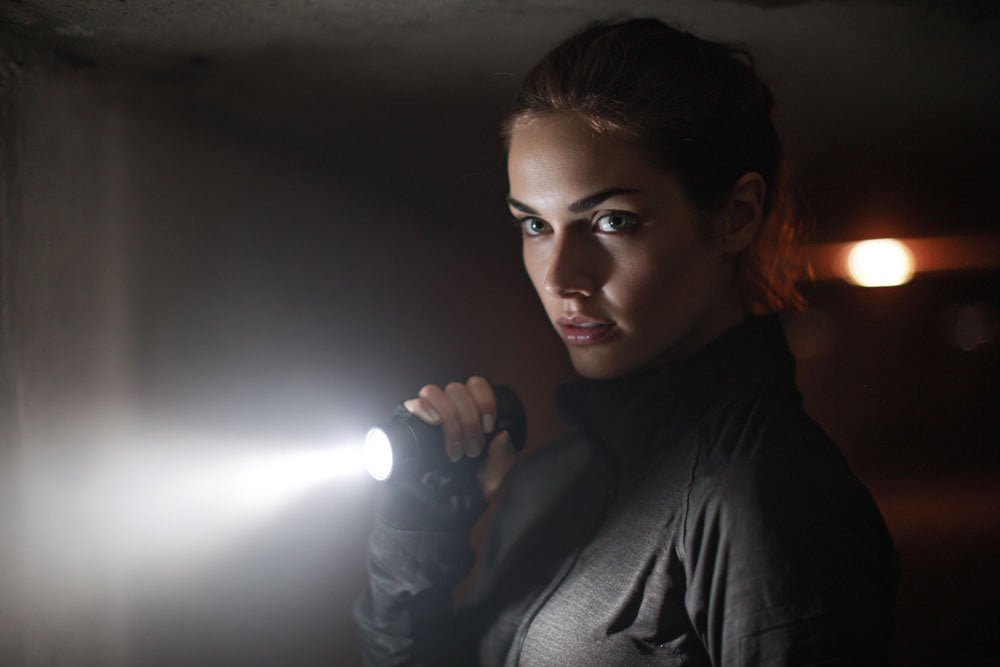
Let's think about a specific user: a procurement manager I know named Sarah. She leaves work late. If she has a baton, she keeps it in her bag. She cannot walk around holding a metal stick; people will stare. If someone approaches her, she has to unzip her bag, find the baton, extend it, and swing. That takes too long.
Now, imagine she has one of our tactical flashlight1s. She holds it in her hand as she walks. It looks normal. She uses it to check under her car. If someone runs at her, she presses one button. The light blinds them instantly. She screams and runs. The flashlight prevents the attack. The baton requires the attack to happen first.
Here is a breakdown of why the flashlight wins in a real scenario:
| Feature | Expandable Baton | Tactical Flashlight |
|---|---|---|
| Primary Function | Striking/Impact | Illumination/Blinding |
| Range | Close Contact (Arm's length) | Long Range (10+ meters) |
| Legal Status | Restricted in many areas | Legal everywhere |
| Ease of Carry | Heavy, hard to conceal | Light, fits in pocket |
| Risk to User | High (Weapon can be taken) | Low (Non-lethal) |
The table shows the clear advantage. The flashlight keeps the danger far away. The baton invites the danger close.
What should retailers look for when sourcing these products?
As a buyer, you need to know which features actually sell. Not all lights or batons are built for reliable defense.
Retailers should focus on high-lumen flashlights6 with instant strobe access and durable aluminum bodies. These features offer the best value and safety for the end consumer compared to liability-heavy batons.
From my experience running our factory in Ningbo and now Thailand, I see a shift in orders. Large retailers in North America are moving away from aggressive weapons. They prefer "safety tools7." When you source products from us, look for specific features.
For flashlights, you need "Instant Strobe." The user should not have to click five times to find the defense mode. It must be immediate. We also recommend aluminum alloy bodies, not plastic. It needs to withstand a drop or a hit. We can customize the strike bezel5 to be sharp enough for defense but smooth enough for a pocket.
For batons, the market is shrinking due to liability. If you sell a baton and a customer uses it wrongly, it hurts your brand image. Selling a high-quality light positions your brand as a provider of safety and utility. This is a smarter business move. We can help you design a light that looks tactical but sells as a household essential. This increases your potential customer base from just "security guards" to "everyone."
Conclusion
Flashlights are the superior choice for self-defense. They offer distance, legality, and ease of use. Batons are risky and hard to use. Choose the light to stay safe.
Explore how tactical flashlights can provide safety and protection in dangerous situations. ↩
Discover the best self-defense gear options to enhance your personal safety. ↩
Learn about the effectiveness and risks associated with using an expandable steel baton. ↩
Understand the advantages of non-lethal self-defense tools for personal safety. ↩
Explore how a strike bezel enhances the self-defense capabilities of a flashlight. ↩
Learn why high-lumen flashlights are crucial for visibility and self-defense. ↩
Discover the most effective safety tools that can help protect you in emergencies. ↩