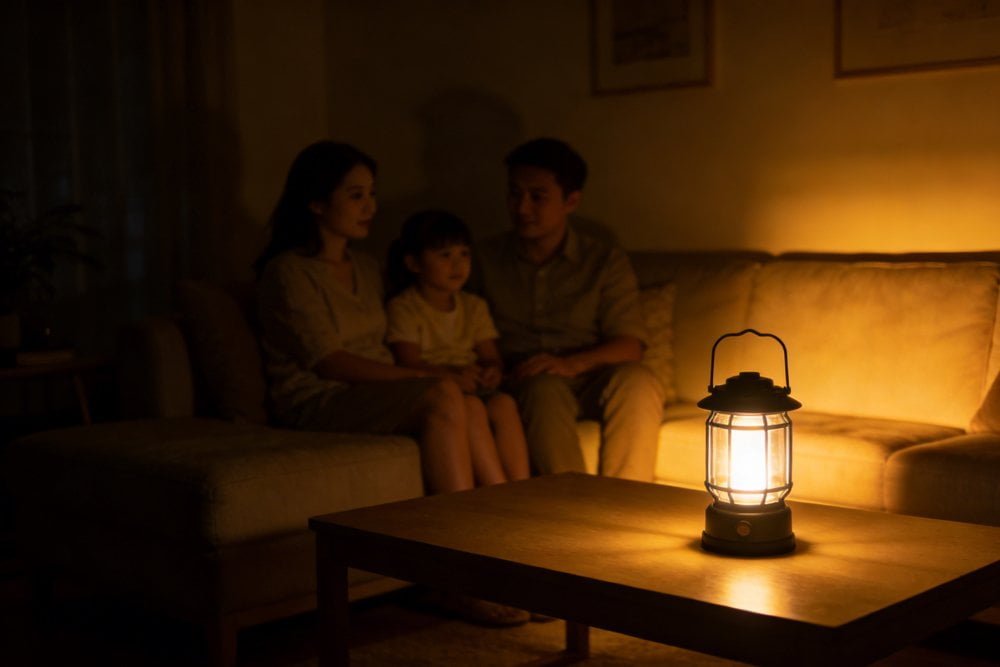
Power outages strike unexpectedly, leaving you in total darkness and cutting off communication with the outside world. You scramble to find light, worrying about safety and how long your old batteries will last before they die.
The best lantern for power outages1 offers a brightness range of 50 to 300 lumens2 and uses a hybrid power source3, combining rechargeable lithium4 with standard dry batteries. This combination ensures long runtime, sufficient indoor lighting5 without glare, and the critical ability to charge essential devices like phones.
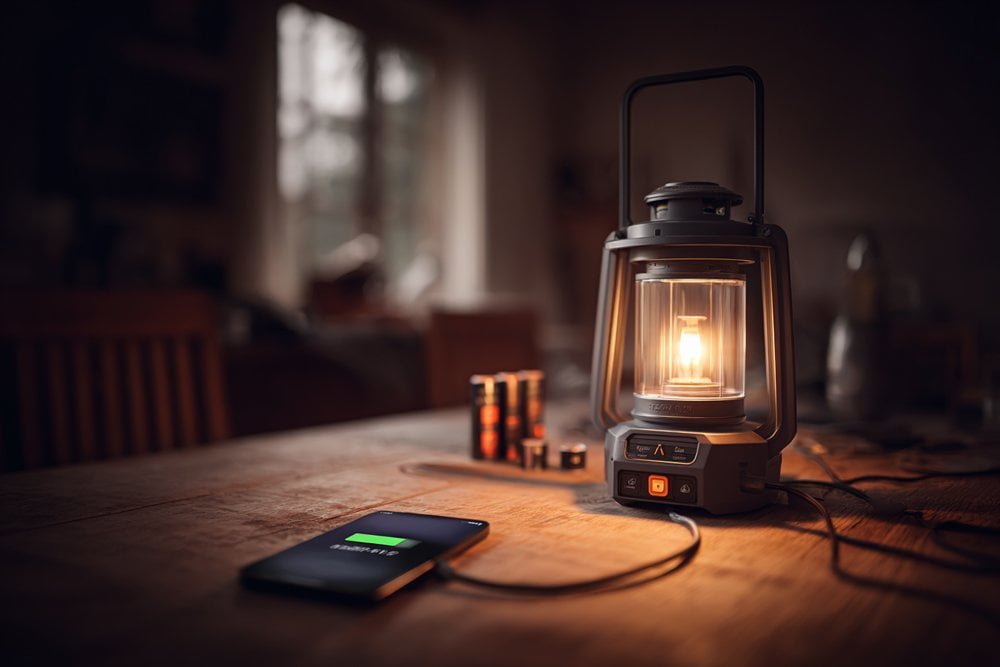
Many people think any light will do, but the wrong choice can leave you stranded when you need help the most. Let me share why specific features matter based on my industry experience and a personal survival story that changed how I view emergency lighting6.
Why a Reliable Lantern Matters During Power Outages?
Natural disasters are terrifying, but the sudden darkness that follows often causes the most panic and confusion. Without a reliable light source, simple tasks become dangerous and isolation sets in quickly.
The right lantern does more than just light up a room; it provides a sense of security and keeps you connected. Modern lanterns with power bank functions are critical for keeping phones charged during extended blackouts caused by floods or storms.
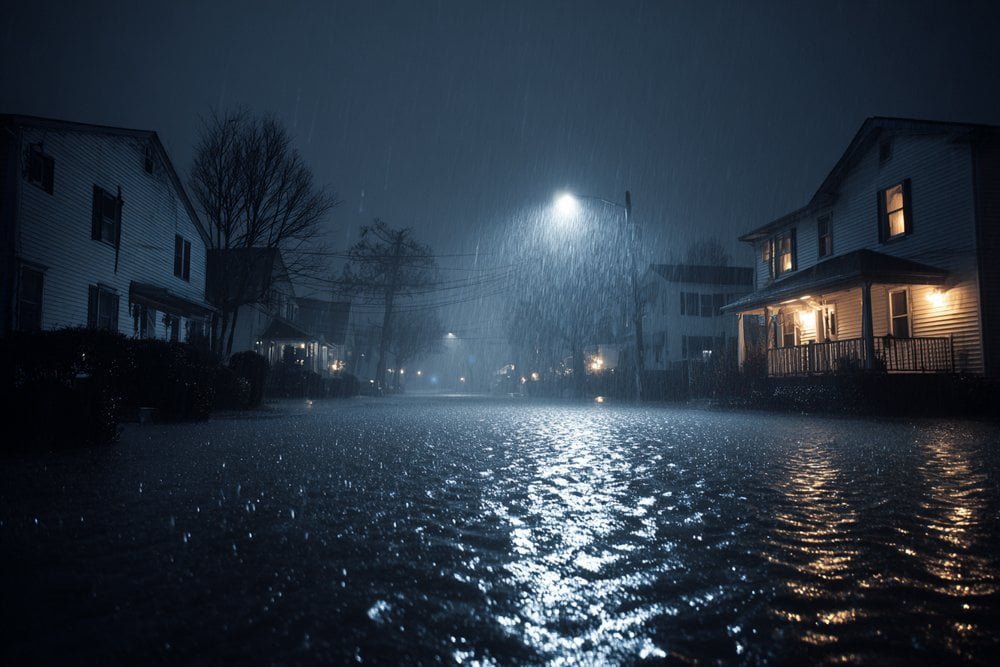
Lanterns have been essential gear for extreme weather and natural disasters for centuries. As time moves on, we face modern threats like earthquakes, hurricanes, and tsunamis. However, the biggest problem we face during these events often is not finding a shelter or avoiding falling buildings. The most immediate struggle is the loss of electricity.
I have faced this situation personally. I live in Ningbo, a coastal city in China that sees typhoons and heavy rain every year. One year, we were surrounded by floods caused by intense rainfall. The standing water was higher than the waist of a normal adult. We were trapped.
My family and I were stuck on the second floor of our home. We lost power completely. For those few days, the LED lanterns7 I had prepared ahead of time played a huge role. The most important ones were the lanterns with charging functions. They allowed my whole family to keep our mobile phones working for the four days before we were successfully rescued.
Because of this experience, and my years of working in lighting product exports, I want to answer this question seriously. Choosing the wrong gear brings inconvenience, but it can also bring safety risks. When you are cut off from the grid, a light is not just a tool; it is a lifeline. It keeps you calm, it lets you signal for help, and it allows you to care for your family.
Key Factors to Consider When Choosing a Lantern for Emergencies?
Walking into a store to buy a lantern can be overwhelming with so many technical specs and different designs. If you choose the wrong brightness or battery type, you might regret it later when the lights go out.
Focus on brightness between 50 and 300 lumens for indoor use and prioritize hybrid power source3s. Also, look for water resistance ratings8 of at least IPX6 and safety features9 that prevent overheating during long-term use.
When we talk about power outages, we are mostly talking about indoor emergency situations. For lighting inside a home, you do not need a searchlight. My advice is to choose a brightness range that covers 50lm to 300lm.
Here is how I break it down:
- 50-100lm: This is enough to find things in a room, change clothes, or check your supplies.
- 40-60lm: If you need to read before sleep or just want a calm atmosphere, this is the best choice. It avoids light pollution that hurts your eyes or ruins your sleep.
- 100-150lm: This is enough to light up a standard bedroom. It is not too glaring, so you can walk around safely and avoid obstacles. This level usually saves power and gives you a longer runtime. It is a very comfortable range.
- 150-300lm: This brightness fits larger spaces, like a big living room or a shelter gathering point. As long as you do not look straight at the light, this brightness is very practical.
Battery Type & Runtime Technology has moved us from oil lamps to advanced electronics. Here are the common options we see in the factory:
| Power Type | Pros | Cons |
|---|---|---|
| Dry Battery (AA/D) | Reliable, easy to carry, good shelf life. | You need to store many batteries. Not eco-friendly. |
| Rechargeable (Lithium) | Eco-friendly, bright, multiple modes. | If the outage is long, the battery dies. |
| Solar Power | Free energy, renewable. | Charging is slow. Clouds lower efficiency. |
| Hand-Crank | Self-powered, great backup. | Low brightness, tiring to use. |
| Hybrid (Dual Power) | Long life. Uses Lithium + Dry batteries. | Price is higher. |
I personally recommend the Hybrid (Lithium + Dry Battery) lanterns or Hand-Crank lanterns. My second choice is a standard Rechargeable lantern. Solar comes last because converting sun to power is still slow.
In a disaster, your phone is your connection to rescue. Except for old oil lamps, most modern lanterns can charge a phone. My experience in the flood taught me that a working phone is vital.
Durability & Weather Resistance For indoor use, size does not matter much. But water resistance does. A standard lantern is IPX4 (splashes). I suggest IPX6. This can handle strong water jets, like a bad storm or a leak in your roof. If you expect extreme flooding, go for IPX7.
Safety Features This is a point many people miss. Even though I recommend lower brightness (50-300lm), lights still make heat. In my export business, I see many manufacturers worry about the circuit board getting hot because it hurts the product's life. But they often ignore the heat on the outside. A good lantern must dissipate heat well so you do not get a low-temperature burn if you touch it after hours of use.
Best Lanterns for Specific Scenarios?
Not every home or emergency situation requires the exact same type of lighting equipment. Using a high-powered outdoor camping light in a small studio apartment is often unnecessary and wasteful.
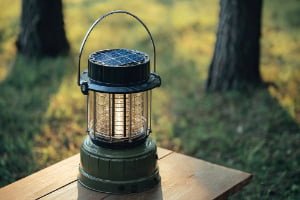
For small apartments, compact battery-powered or hybrid lanterns are best. Large homes need wide-coverage rechargeable units. For hurricanes, prioritize waterproof hybrid models. Camping during outages requires rugged, high-brightness options like gas or durable LED lanterns7.
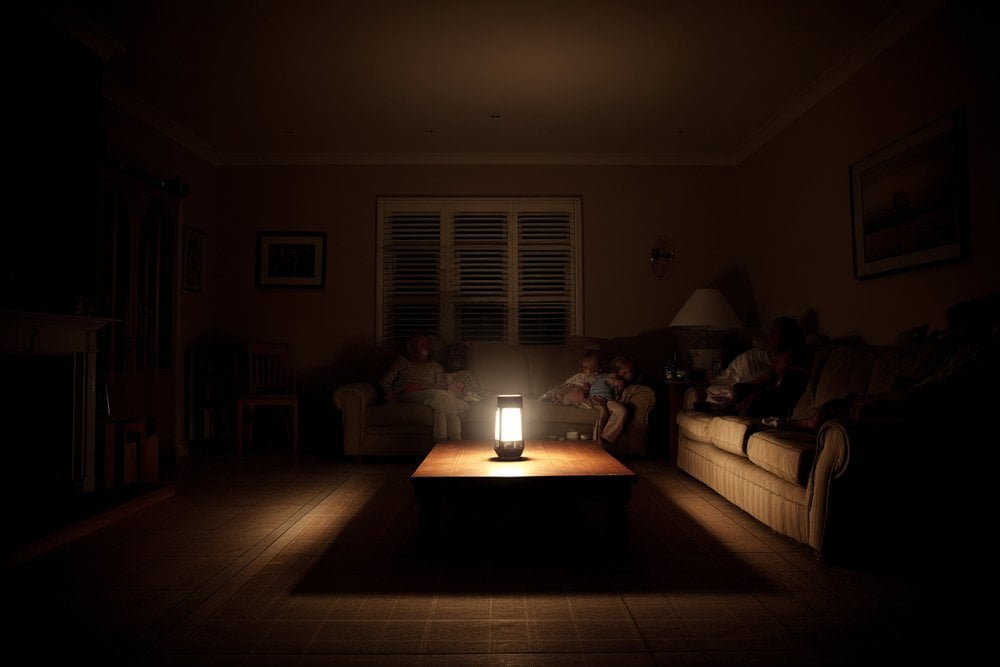
To make the best choice, you need to match the lantern to your specific environment. Here is how I categorize them based on my product planning experience.
Small Apartment If you live in a small space, you do not need a massive floodlight.
- Best Pick: Battery-powered Lanterns, Hybrid Lanterns, or Hand-Crank Lanterns.
- Why: You need something compact that gives off soft light. You do not have much storage space for big batteries or fuel. A small hybrid lantern is perfect because it can sit on a shelf and be ready instantly.
Large Home If you have a house with multiple rooms and a family to manage, you need more power.
- Best Pick: Large LED Rechargeable Lanterns or Hybrid Lanterns.
- Why: You need wide coverage. You might need to light up a kitchen and a living room at the same time. A lantern with 300 lumens works well here. You want a battery that lasts a long time so you aren't constantly changing it.
Hurricane Preparedness This is for areas where weather is the main threat.
- Best Pick: Solar-powered Lanterns or Waterproof Hybrid Lanterns.
- Why: You might lose power for a week. You need waterproof gear (IPX6 or higher). Solar is a good backup here because once the storm passes, you can get some free energy while the grid is down.
Outdoor Camping (During Outage) Sometimes you cannot stay in the house. You might have to camp in the yard or evacuate.
- Best Pick: Gas Lantern or Rugged Hybrid Lantern.
- Why: You are outside, so ventilation is not an issue for gas. Gas lanterns are very bright. However, a rugged LED lantern is safer and easier to use inside a tent.
Frequently Asked Questions (FAQ)?
You might have bought the perfect lantern, but using it incorrectly can still be dangerous. Many people make simple mistakes with storage and usage that compromise their safety during emergencies.
Common questions revolve around indoor safety and battery life10. Always ensure proper ventilation if using non-LED lights, keep lanterns away from children to prevent burns, and remove batteries during long-term storage to avoid corrosion.
Q: Can I use fuel-based lanterns indoors? A: I strongly advise against using flammable fuel lanterns in closed spaces. If you must use a gas or oil lamp, you must ensure good ventilation. Carbon monoxide is invisible and deadly. In a power outage, you might close windows to keep heat in, which makes fuel lamps very dangerous. Stick to LED for indoor safety.
Q: How do I ensure my children are safe around lanterns? A: Even LED lanterns can get hot. As I mentioned before, heat management is a key factor. Children are curious and will want to touch the light source. Keep lanterns on high shelves or tables. Teach them that it is a tool, not a toy.
Q: How should I store my batteries? A: Do not leave dry batteries inside the lantern if you are not using it for a long time. They can leak acid and ruin the device. Store them separately in a cool, dry place. For rechargeable lithium batteries, try to charge them to about 60-80% before storing them. Check them every few months.
Q: Is a hand-crank lantern really worth it? A: Yes, absolutely. It is your last line of defense. When the sun is gone, the grid is down, and your spare batteries are dead, the hand crank will still work. It is tiring to use, but it produces light and can give your phone enough power for one emergency call.
Q: What is the biggest mistake people make with emergency lights? A: The biggest mistake is not testing them. People buy them and throw them in a closet. When the power goes out two years later, the batteries are dead or leaked. Check your gear twice a year. I usually check mine before the typhoon season starts in Ningbo.
Conclusion
To survive a power outage comfortably, choose a hybrid lantern with 50-300 lumens and IPX6 water resistance11. A reliable light keeps you safe, connected, and calm when darkness falls.
Understanding how to prepare for power outages can help you stay safe and comfortable during emergencies. ↩
Understanding lumens is essential for selecting the right brightness level for your emergency lighting needs. ↩
Learn about hybrid power sources and their advantages in providing reliable lighting during emergencies. ↩
Discover the advantages of rechargeable lithium batteries for long-lasting and eco-friendly lighting solutions. ↩
Find tips for maintaining effective indoor lighting during power outages to enhance safety and comfort. ↩
Discover best practices for using emergency lighting effectively to ensure safety during power outages. ↩
Learn why LED lanterns are a popular choice for emergencies due to their efficiency and safety. ↩
Understanding water resistance ratings helps you choose lanterns that can withstand harsh weather conditions. ↩
Explore crucial safety features that can prevent accidents and ensure safe usage of emergency lanterns. ↩
Learn tips to extend the battery life of your emergency lanterns for prolonged use during outages. ↩
Explore what IPX6 water resistance means and why it's crucial for lanterns used in extreme conditions. ↩