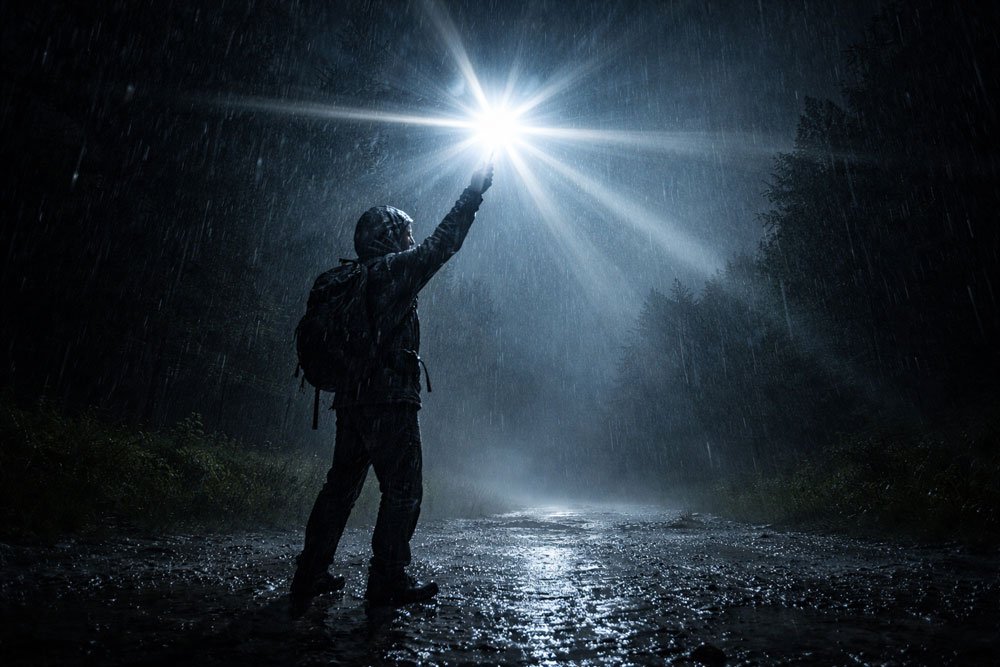
Are you worried about staying safe in outdoor emergencies1? A normal light might not get you noticed. You need to know how a strobe light2 can save your life.
The strobe mode is effective in emergencies because it creates high-contrast3 visual changes4. These rapid flashes grab human attention instantly. A strobe light2 cuts through bad weather, stands out from background lights, and acts as a universal distress signal5 to help rescuers find you fast.
In my last article, I talked about flashlights with a strobe mode. I explained their role in self-defense. Many of my clients read that post. They gave me great feedback. They also asked me to write a detailed guide. They want to know about using the strobe function in emergency situations. They plan to use this information in their product manuals and marketing materials. I have worked as a user and a manufacturer at Kovalite for over ten years. Today, I want to share my knowledge. I will explain how the strobe function works in emergencies. Please note one thing. The word "strobe" here means all kinds of flashing frequencies. It does not just mean the fast, bright tactical strobe6. I hope this guide helps you. You can use it to build better products for your brands. Now, let us look at the details. If you think a constant light is always enough, the facts below will change your mind.
Why is the Human Eye More Sensitive to Strobe Light Than Constant Illumination?
Do you struggle to grab attention with a steady light? Constant light often goes unnoticed in busy areas. A flashing strobe light forces the eye to look right away.
The human eye is naturally more sensitive to dynamic changes than steady light. A strobe light creates sudden, high-contrast3 visual stimuli. This constant switching between bright and dark breaks visual persistence7. It prevents the eyes from getting used to the light, keeping attention focused.
To understand this better, we must look at human evolution. Our visual system developed to notice moving objects. It also detects sudden changes in brightness. This helped our ancestors survive. You turn on a constant light. The visual nerves react at first. But after a short time, the eyes adapt to the steady light. The brain starts to ignore it.
A strobe light works differently. The light turns on and off. Every flash creates a new visual signal. The visual nerves must trigger a new reaction every single time. This constant contrast between light and dark forces the brain to switch its attention. We call this breaking the visual persistence7 effect. The light keeps changing. Your eyes cannot adapt to it. You stay sensitive to the light source. Here is a simple table to show the difference:
| Feature | Constant Light | Strobe Light |
|---|---|---|
| Visual Stimulus | Steady and stable | Sudden and changing |
| Brain Reaction | Adapts quickly | Forces new attention |
| Contrast Level | Low contrast over time | High contrast constantly |
| Best Use | Seeing in the dark | Getting noticed |
We always suggest adding different flashing modes. We do this when we design custom flashlights for our B2B clients at Kovalite. It uses human biology to your advantage.
Strobe vs. Constant Light: Why Are Flashing Signals Easier to Spot at Long Distances?
Are you afraid of being lost far away from help? A steady beam fades into the distance. A flashing signal ensures people can see you from miles away.
Flashing signals are easier to spot at long distances because they stand out from background lights. The peak brightness8 of a strobe flash is very high. Human vision relies on noticing changes to identify objects far away, making rhythmic flashes much more visible than steady beams.
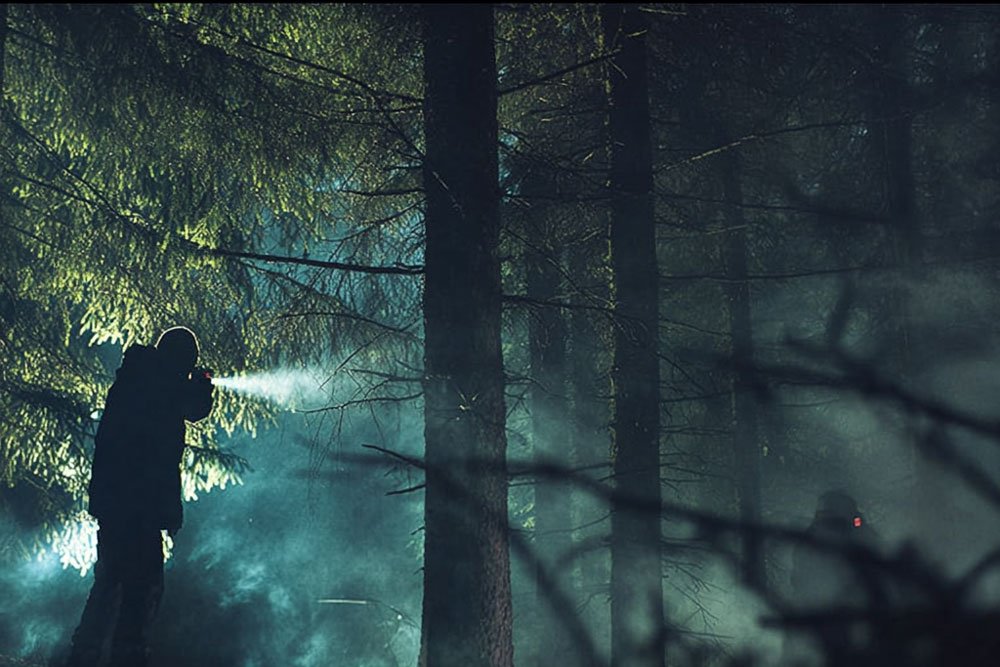
You are far away. A constant light easily mixes with the environment. You are near a city. The night sky is full of steady background lights. A continuous flashlight beam looks like another street lamp. It looks like a house light. However, a strobe light has a unique time feature. It blinks. This makes it impossible to hide in the background.
Another reason is the peak brightness. The average brightness of a strobe light might equal a constant light. But the peak brightness is much higher in the exact moment of the flash. This intense burst of light cuts through the long distance effectively. Human eyes are very good at catching periodic flashes. The light source is very far away. We can still easily see the change between light and dark. We do not need to judge the exact strength of the light. We only need to see the change.
| Light Type | Background Blending | Peak Brightness | Recognition Factor |
|---|---|---|---|
| Constant | Mixes easily | Average | Intensity |
| Strobe | Stands out clearly | Very high bursts | Periodic change |
Our buyer clients sell outdoor gear9. This feature is a big selling point for them. A good strobe mode gives the user a much better chance. They can be seen across a large valley or a wide lake.
Why Does Strobe Light Cut Through Fog and Low Visibility More Effectively?
Does thick fog block your light during an emergency? Constant beams scatter and blind you. A strobe light punches through the thickest smoke and fog to show your position.
A strobe light cuts through fog effectively because its intense, instantaneous flashes penetrate airborne particles. Constant light scatters and weakens in smoke or fog. The strong contrast of a flashing light stands out in chaotic environments, helping you show your location even when visibility is very low.
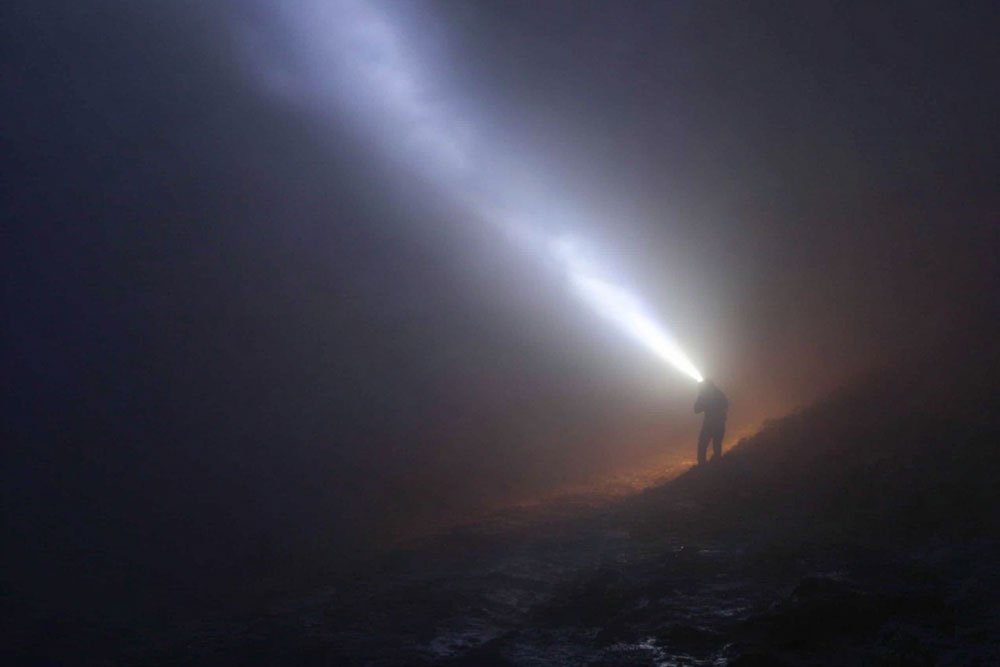
Bad weather creates dangerous situations. Fog, smoke, and heavy rain are full of tiny particles. You shine a constant light into these particles. The light scatters. The beam gets weak very fast. It creates a white wall of light. This wall makes seeing harder.
A strobe light solves this problem. It uses high instantaneous intensity. The short bursts of light are very powerful. They penetrate the water drops. They penetrate the smoke particles. You do not need a continuous beam to be seen. Someone might only see broken, flashing light through the fog. They can still quickly find your direction. The strong change from bright to dark is very clear. It is much easier to see in a messy background than a weak, steady light.
| Environment | Constant Light Effect | Strobe Light Effect |
|---|---|---|
| Thick Fog | Scatters, creates glare | Penetrates particles |
| Heavy Smoke | Weakens quickly | High contrast flashes |
| Complex Background | Blends in | Stands out clearly |
Also, a flashing light acts as a special signal language in environments with complex light interference. Many rescue workers learn to look for this. They see a periodic flashing light in the fog. They immediately know it is a distress signal. At Kovalite, we make sure our camping lanterns and headlamps have reliable flashing modes for exactly these harsh conditions.
The Survival Advantage: How Strobe Mode Helps Rescuers Pinpoint Your Location?
Are you worried rescuers will miss you in a vast forest? A steady light can look like a reflection. A strobe mode guarantees search teams10 will find your exact spot.
The strobe mode helps rescuers find you by providing a rhythmic signal. Rescuers easily spot this pattern among natural reflections. It remains visible even when you are moving. Most importantly, a flashing light is a universal distress signal recognized by rescue teams all over the world.
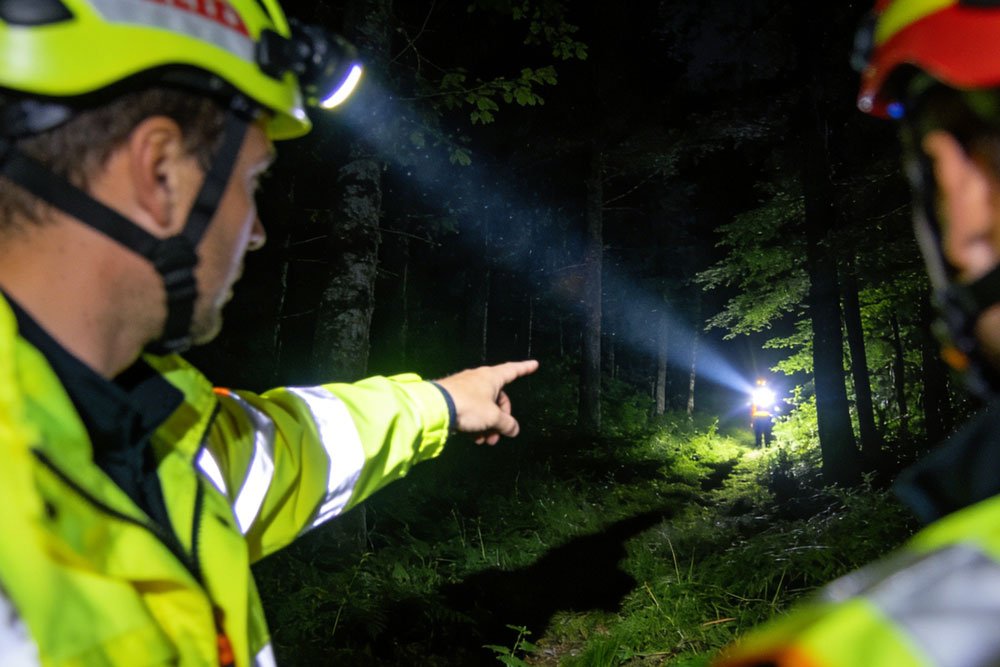
Rescuers look for specific patterns in a real search mission. A constant light can cause confusion. A rescue team might see a steady light. They might think it is a car. They might think it is a star or a reflection off a wet rock. But a strobe light has a clear rhythm. This rhythm automatically makes it a high-priority signal.
Forests, mountains, and disaster rubble have a lot of visual interference11. The strong contrast of a strobe light breaks through this clutter. A rescue team can easily pick out a flashing light from a chaotic environment. Also, you might move. The rescuers might move. Trees or rocks might block a constant light. A repeating strobe light is much easier to track during movement.
| Rescue Factor | Constant Light | Strobe Light |
|---|---|---|
| Signal Priority | Low (might be natural) | High (clearly human-made) |
| Tracking in Motion | Hard to track if blocked | Easy to track repeating flashes |
| Universal Meaning | General illumination | Emergency help needed |
Finally, a periodic flashing light is a universal signal12. Outdoor guides state this clearly. Aviation survival manuals state this clearly. Coast guard rules state this clearly. A flashing light equals an emergency signal. Rescuers see a strobe. Their instinct tells them someone needs help right now. We highlight this critical feature for our B2B clients. It helps them plan their brand's safety product lines13.
Conclusion
The strobe mode is a powerful tool for emergencies. It grabs attention, cuts through bad weather, and acts as a universal rescue signal to keep users safe anywhere.
Learn essential tips and strategies to stay safe during outdoor emergencies. ↩
Explore how strobe lights can enhance visibility and safety in emergency situations. ↩
Discover how high-contrast signals can improve visibility in critical situations. ↩
Understand the significance of visual changes in capturing attention during emergencies. ↩
Find out what signals are recognized globally as distress signals for emergencies. ↩
Learn about tactical strobes and their applications in emergency situations. ↩
Learn about visual persistence and its implications for emergency signaling. ↩
Discover how peak brightness enhances the effectiveness of strobe lights. ↩
Find out which outdoor gear can enhance safety and preparedness for emergencies. ↩
Understand the methods search teams employ to effectively locate individuals. ↩
Explore how visual interference can complicate emergency signaling. ↩
Discover the characteristics that make signals universally recognized in emergencies. ↩
Gain insights into effective strategies for creating safety-focused products. ↩