Choosing a flashlight often starts by looking at one number: lumens. It’s tempting to think that higher lumens mean brighter and better. But is that really true?
Lumens measure the total amount of visible light a flashlight produces, but they don’t guarantee brightness or distance. The best flashlight balances light output, beam design, and your specific needs.
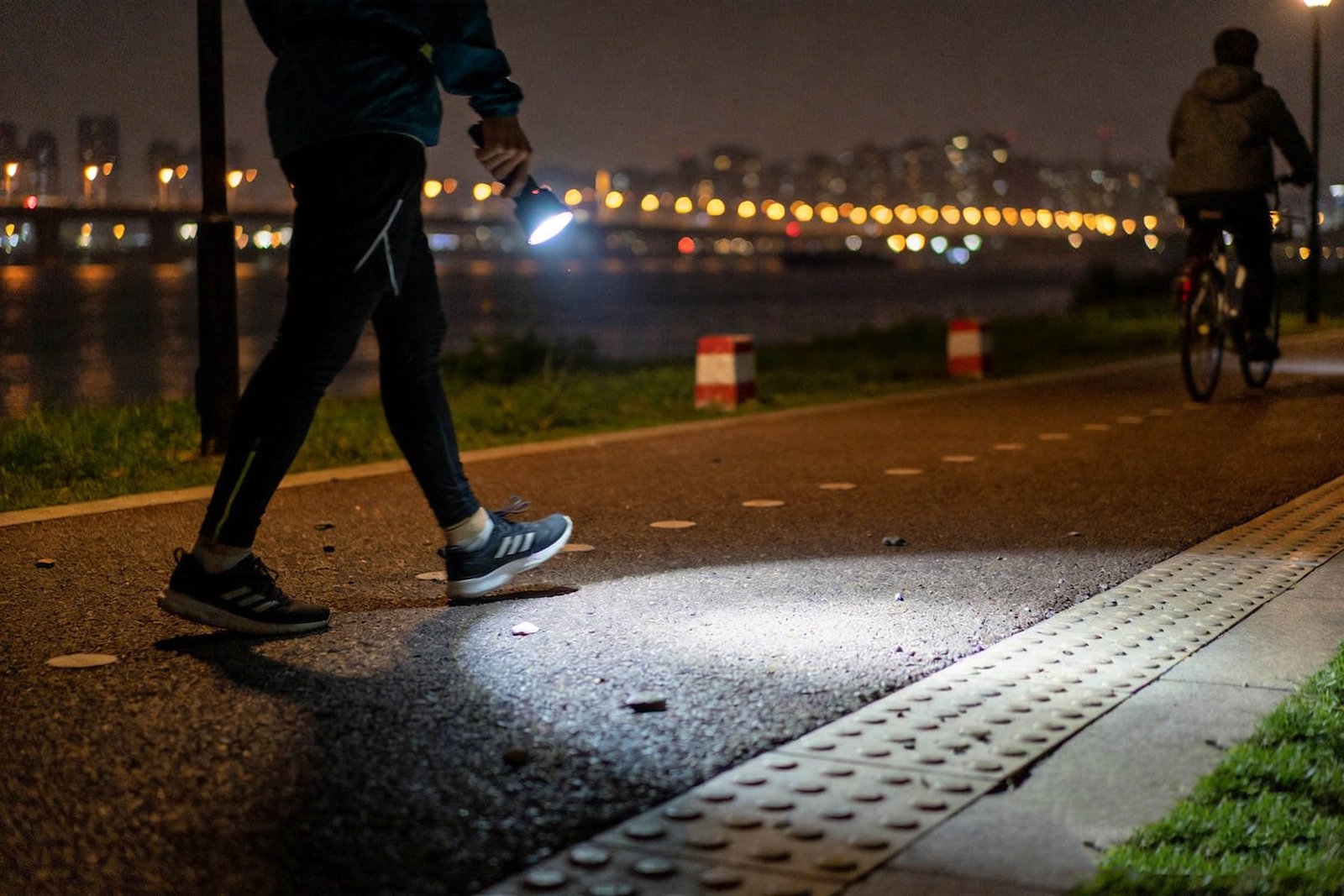
Higher lumens might sound appealing, but real-world use often shows that more light isn’t always better. Let’s explore what lumens truly mean and how to choose wisely.
What are Lumens, and How Do They Work?
Lumens are a measure of visible light. If we imagine light as water flowing from a faucet, lumens tell us the total amount of water being produced.
Lumens quantify total visible light output, but they don’t tell you how this light is distributed or used effectively.1
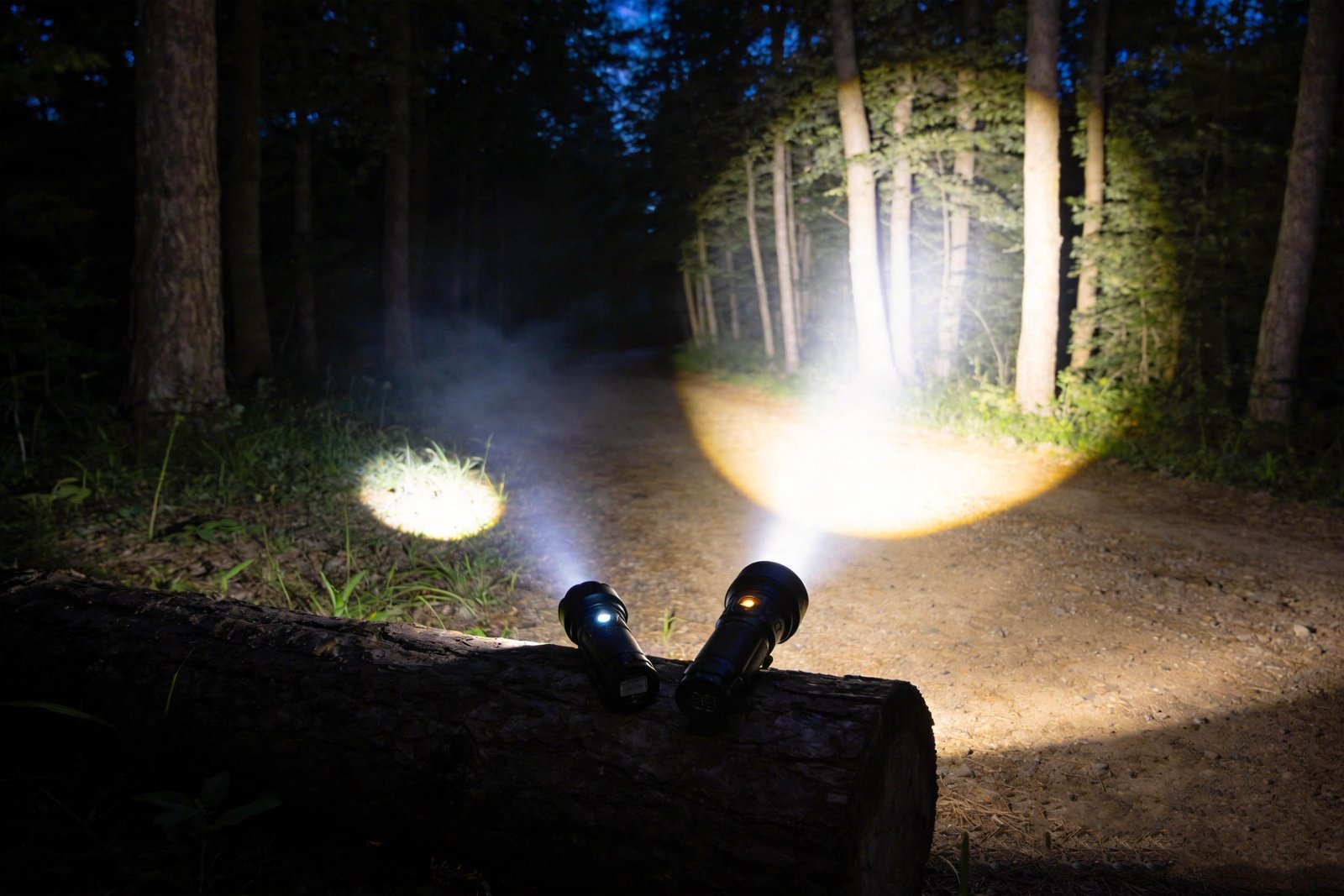
When two flashlights with the same lumens distribute light differently, their visual performance changes. One might create a broad, even beam, while another focuses light into a small, intense area. Lumens alone don’t explain this.
Beam Distribution: Why It Matters
Lumens are just one side of the story. Flashlights also use optics, like lenses and reflectors, to shape their beam. This affects how light reaches areas you want to illuminate.
| Lumens | Beam Type | Usage Example |
|---|---|---|
| 1000 | Broad, even beam | Campsite lighting |
| 1000 | Focused, narrow | Long-distance spotting |
The right combination of lumens and beam design ensures a flashlight performs well in specific situations.
Does Higher Lumens Always Mean Brighter?
Many people assume that higher lumens mean brighter. But brightness depends on context, beam pattern, and environment.
Higher lumens don’t always look brighter. Beam focus, area coverage, and environmental light also impact perceived brightness.
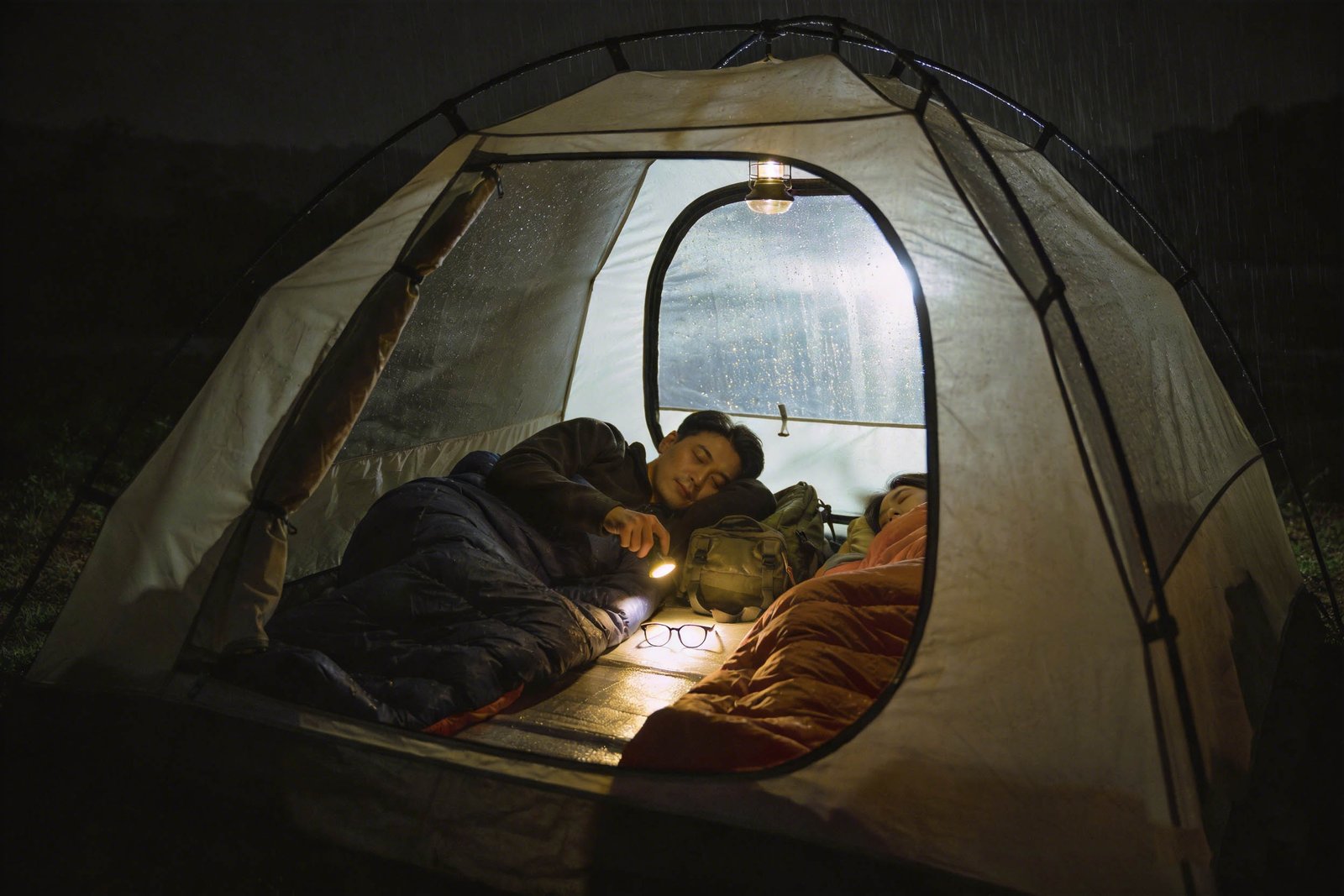
For example, in a dark forest, 500 lumens might seem very bright. But in daylight, even 2000 lumens may feel dim. Similarly, wide beams spread light more evenly, while narrow beams concentrate it in one spot.
Perceived Brightness and Beam Design
Beam design is crucial. A 1000-lumen flashlight creating a wide, even spread feels less intense than one concentrating light into a distant target.
| Lumens | Beam Width | Perceived Brightness |
|---|---|---|
| 1000 | Wide | Bright for general visibility |
| 1000 | Narrow | Intense for far targets |
Manufacturers focus on how light can actually help users, not just chasing higher numbers.
Why More Lumens Isn’t Always Better
It’s easy to think doubling lumens means twice the performance. But this ignores how light interacts with surroundings, beam optics, and real-world use.
More lumens don’t guarantee better usability. Effective lighting depends on beam focus, target distance, and usage scenarios.
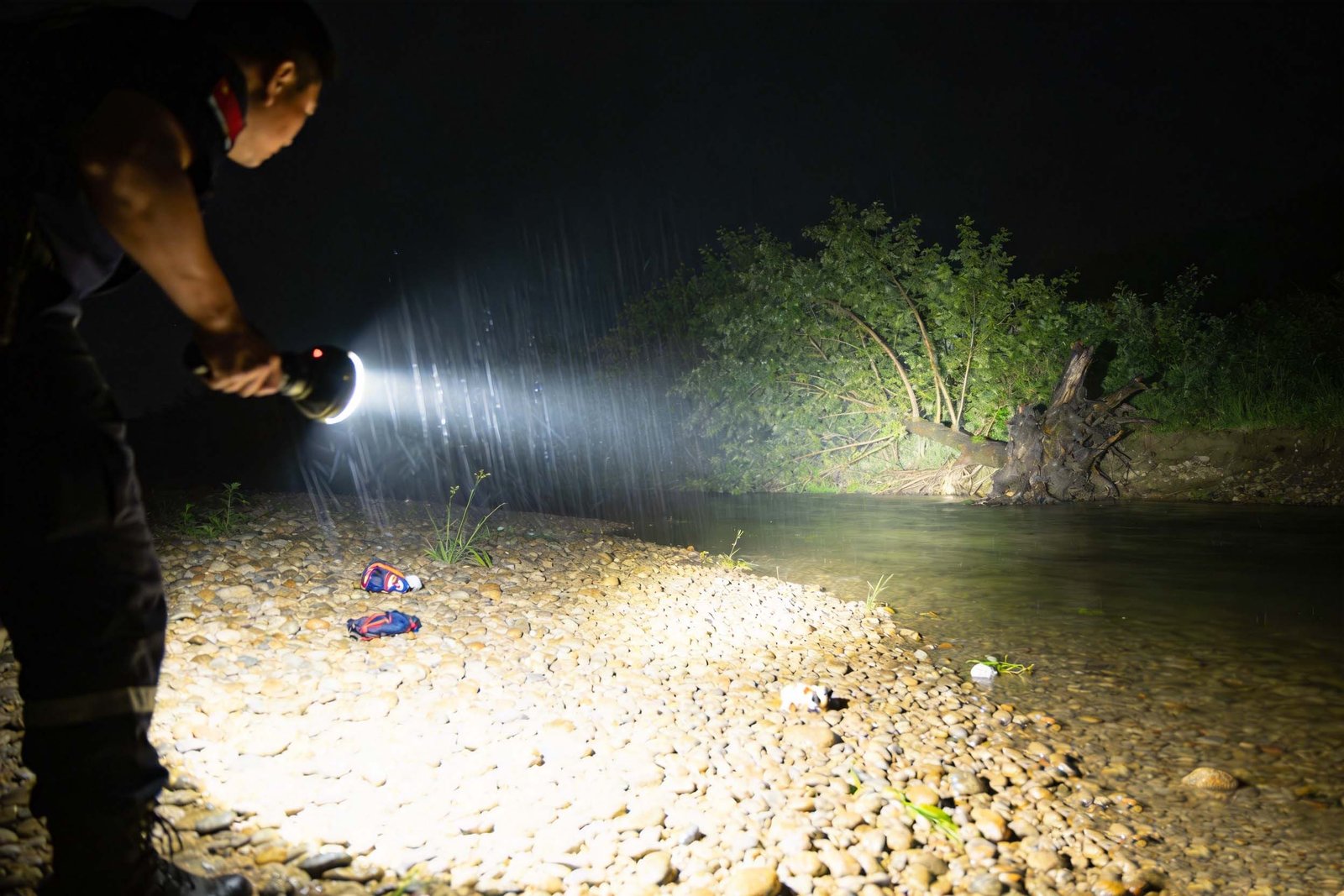
Consider a flashlight with 2000 lumens. If the light is dispersed widely, it might make nearby areas brighter, but not improve long-distance visibility. Effective flashlight design balances light output and optical systems.
Balancing Lumens and Design
Flashlight manufacturers optimize multiple factors, not just the LED’s maximum lumens. Reflectors, lenses, and energy efficiency ensure light is used effectively.
| Design Element | Impact on Performance |
|---|---|
| Lumens | Total visible light |
| Beam Design | Light distribution |
| Battery and Optics | Sustained output and usability |
A flashlight with high lumens but poor optics might look good on paper but disappoint in real-world use.
How to Choose Between 1000 lm and 2000 lm?
Choosing lumens isn’t about picking the biggest number. It depends on where and how you plan to use your flashlight.
Choose lumens based on use case. High lumens are ideal for outdoor navigation, while medium outputs suit close-up tasks.
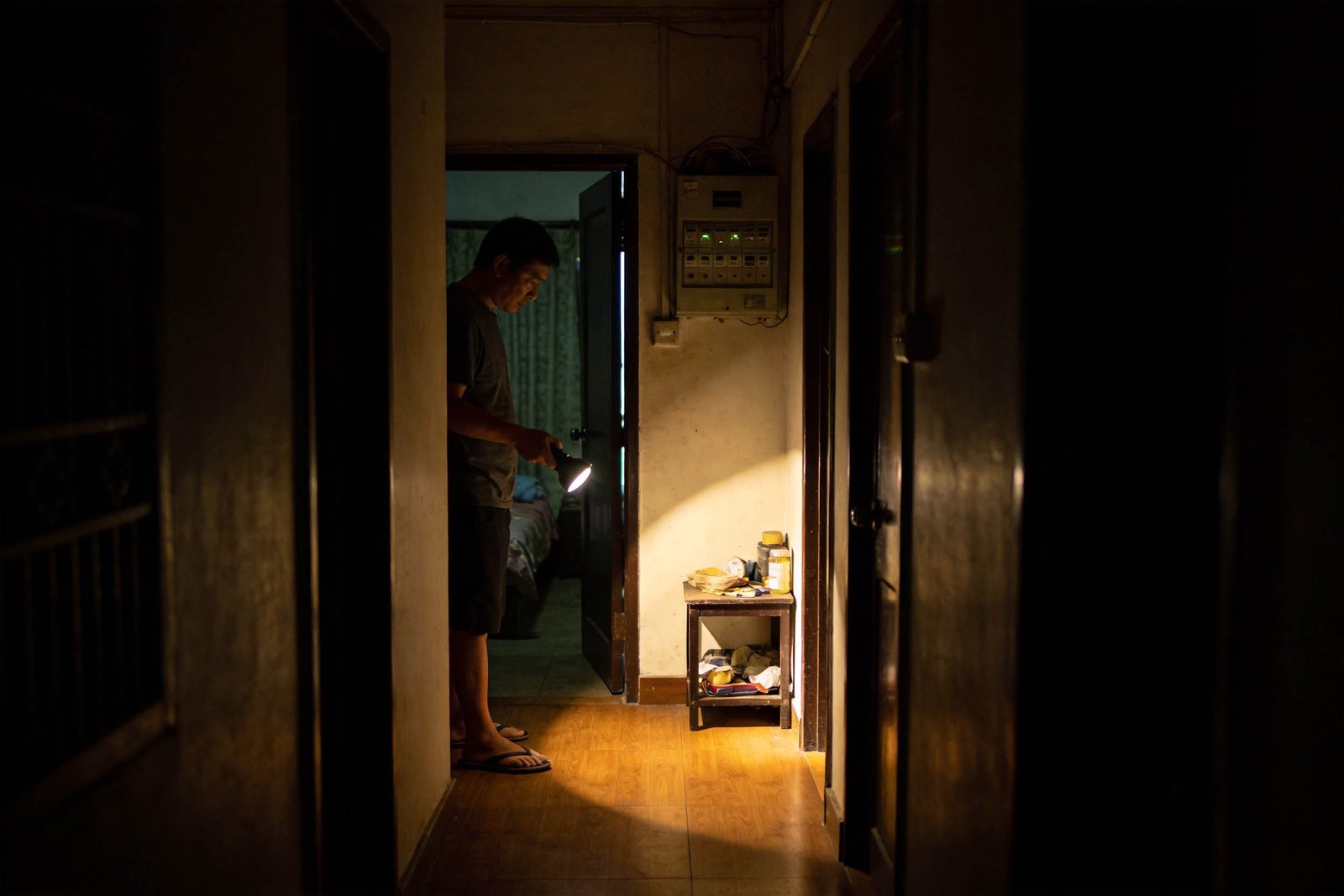
For near-distance work, like home repairs or garage tasks, lower lumens are often better. They reduce glare and strain on your eyes. For camping or hiking, balanced beam patterns and moderate lumens are key.
Real-World Scenarios for Lumens
While camping with my kids, I noticed that high lumens didn’t always help. Near the tent, moderate light is enough, while forest trails need stronger beams for safety.
| Activity | Recommended Lumens | Beam Type |
|---|---|---|
| Home/Close Work | 300-800 lm | Wide, even beam |
| Camping | 800-1500 lm | Balanced beam |
| Hiking/Night Walk | 1500-2500 lm | Focused, longer range |
The environment and activity dictate your lumens need.
Why Fast Movement Requires More Light?
Night hiking, cycling, or fast activities demand more than just illumination. You need light that allows early detection of obstacles.
Fast-moving activities require higher lumens to illuminate distant obstacles early and ensure safety.
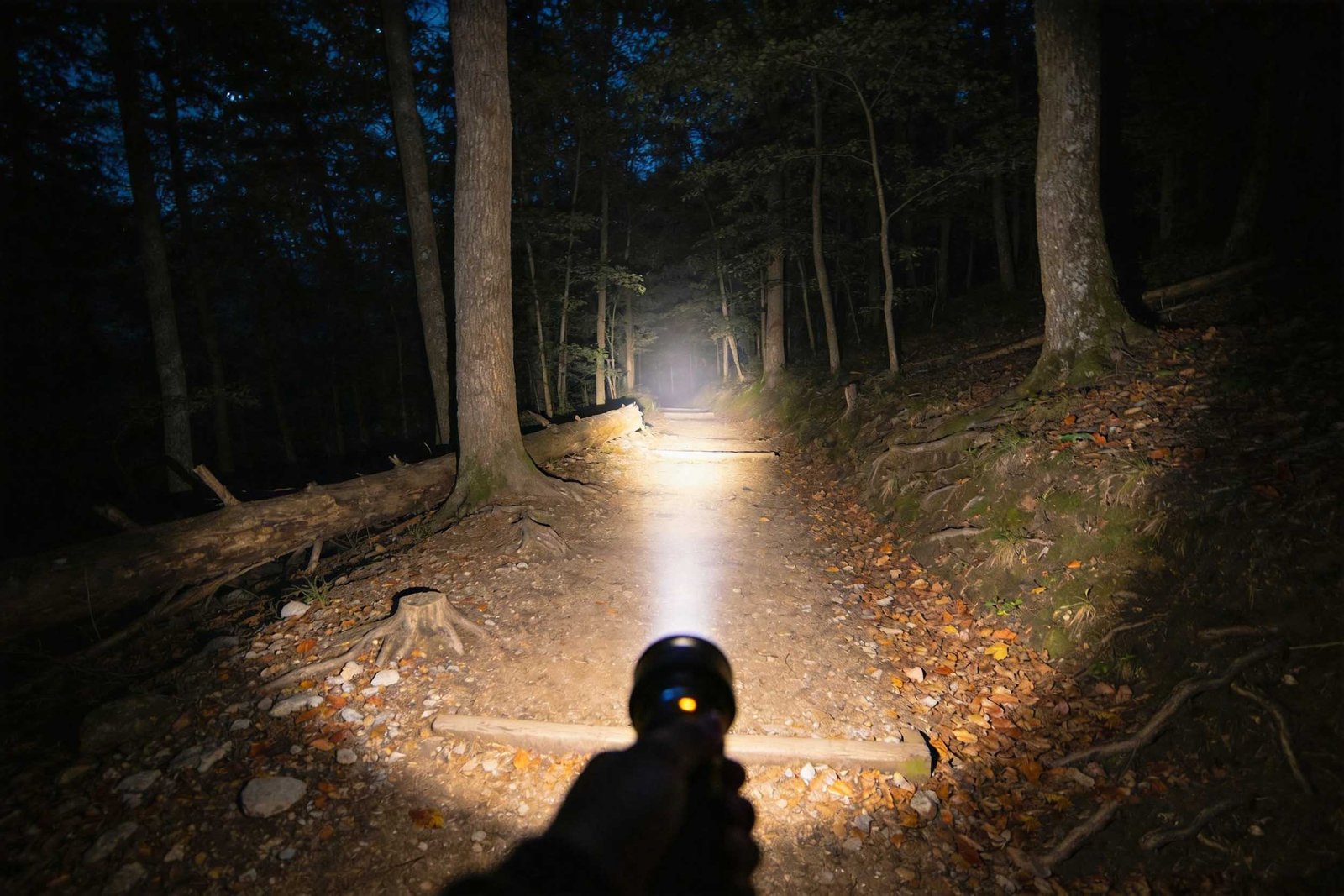
As speed increases, reaction time decreases. A focused beam with higher output ensures visibility at longer distances, helping you navigate safely.
Factors for Safe Illumination
Safety during fast movement depends on beam distance and light consistency. Flashlights should provide stable, concentrated light for clear visibility.
| Factor | Importance |
|---|---|
| Beam Distance | Identifies obstacles early |
| Lumens Stability | Ensures consistent lighting |
| Wide/Narrow Beam | Covers peripheral or focused areas |
Why Lumens Alone Don’t Guarantee Distance?
It’s tempting to think high lumens mean farther reach. But beam distance depends on how light is focused and directed.
Lumens measure light quantity, while beam distance tells how far light effectively reaches.2
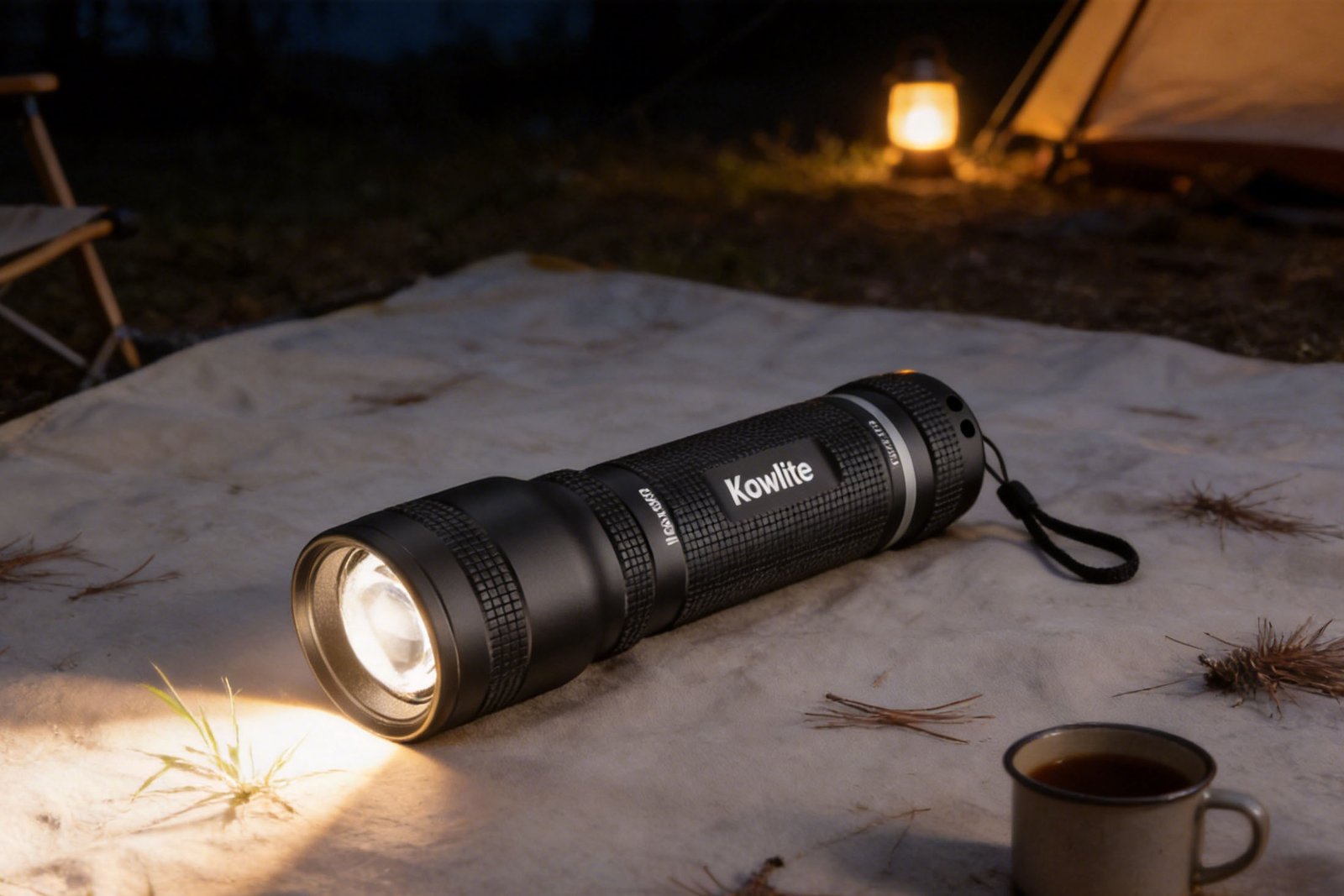
A flashlight with concentrated optics might reach far despite lower lumens, while a wide beam flashlight might fail to illuminate distant objects effectively.
Lumens and Beam Distance Together
Matching lumens with beam distance provides better clarity for specific applications. Outdoor users benefit from both lumens and focused beams.
| Lumens | Beam Distance | Use Case |
|---|---|---|
| 800 | Short Range | Campsite, near tasks |
| 1500 | Medium Range | Trails, forest paths |
| 2500 | Long Range | Open fields, safety |
Why Beam Pattern Matters?
Beam pattern decides how light spreads—wide for general visibility or narrow for long-distance focus.
Beam pattern determines usability. It balances foreground illumination and long-range visibility.
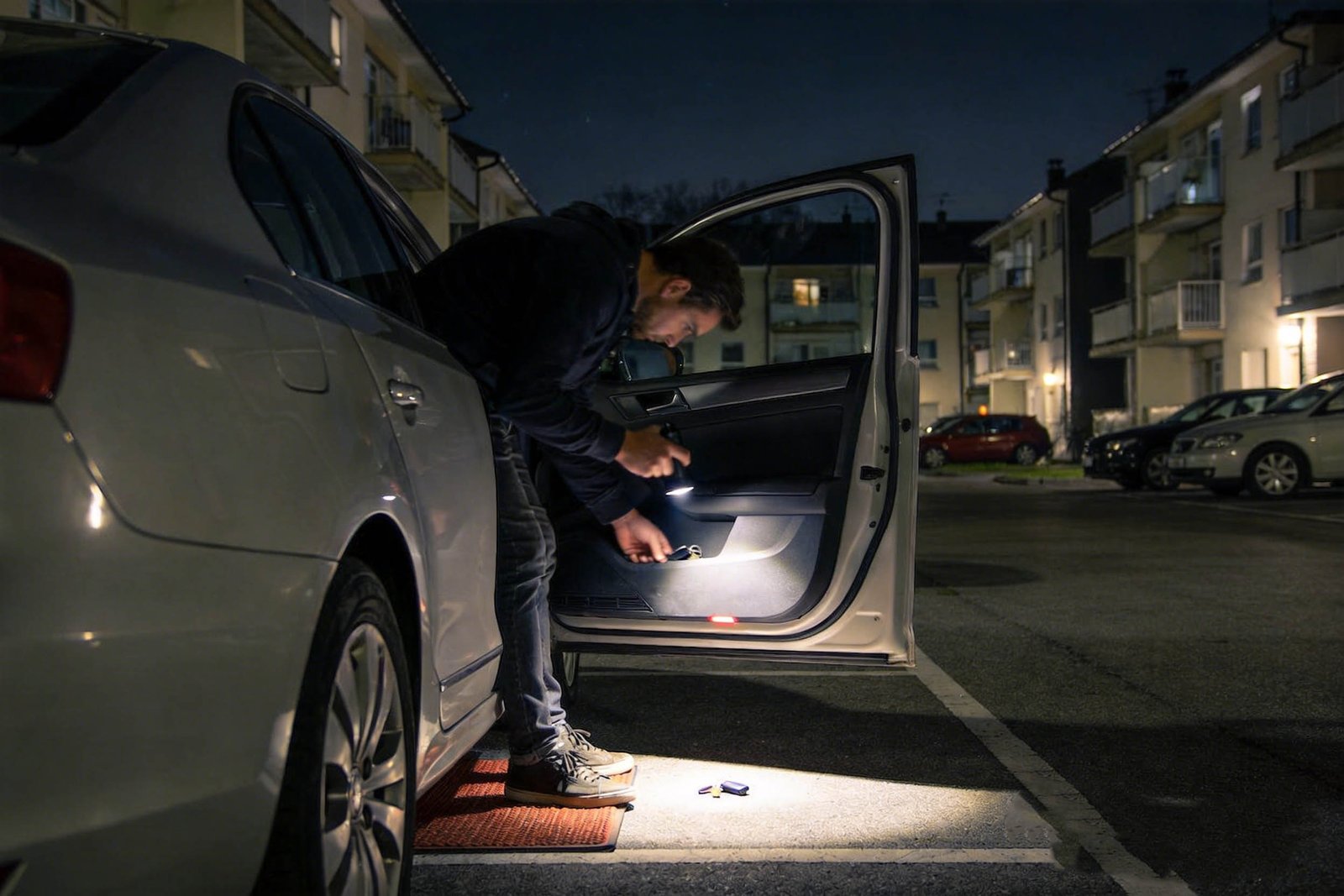
Flood beams work well for campsites, while spot beams excel in trails and search applications. Balanced beams suit mixed-use situations.
Choosing the Right Beam Pattern
Beam patterns should match your needs: comfortable light for close tasks, or intense beams for spotting distant targets.
| Beam Type | Best For |
|---|---|
| Flood Beam | Campsite, repair tasks |
| Spot Beam | Long-range navigation |
| Balanced Beam | Mixed-use activities |
Sustained Output: Why Peak Lumens Aren’t Everything
Flashlight brightness often decreases over time, especially in high-output modes.
Peak lumens reflect maximum achievable light, not sustained brightness over extended use.
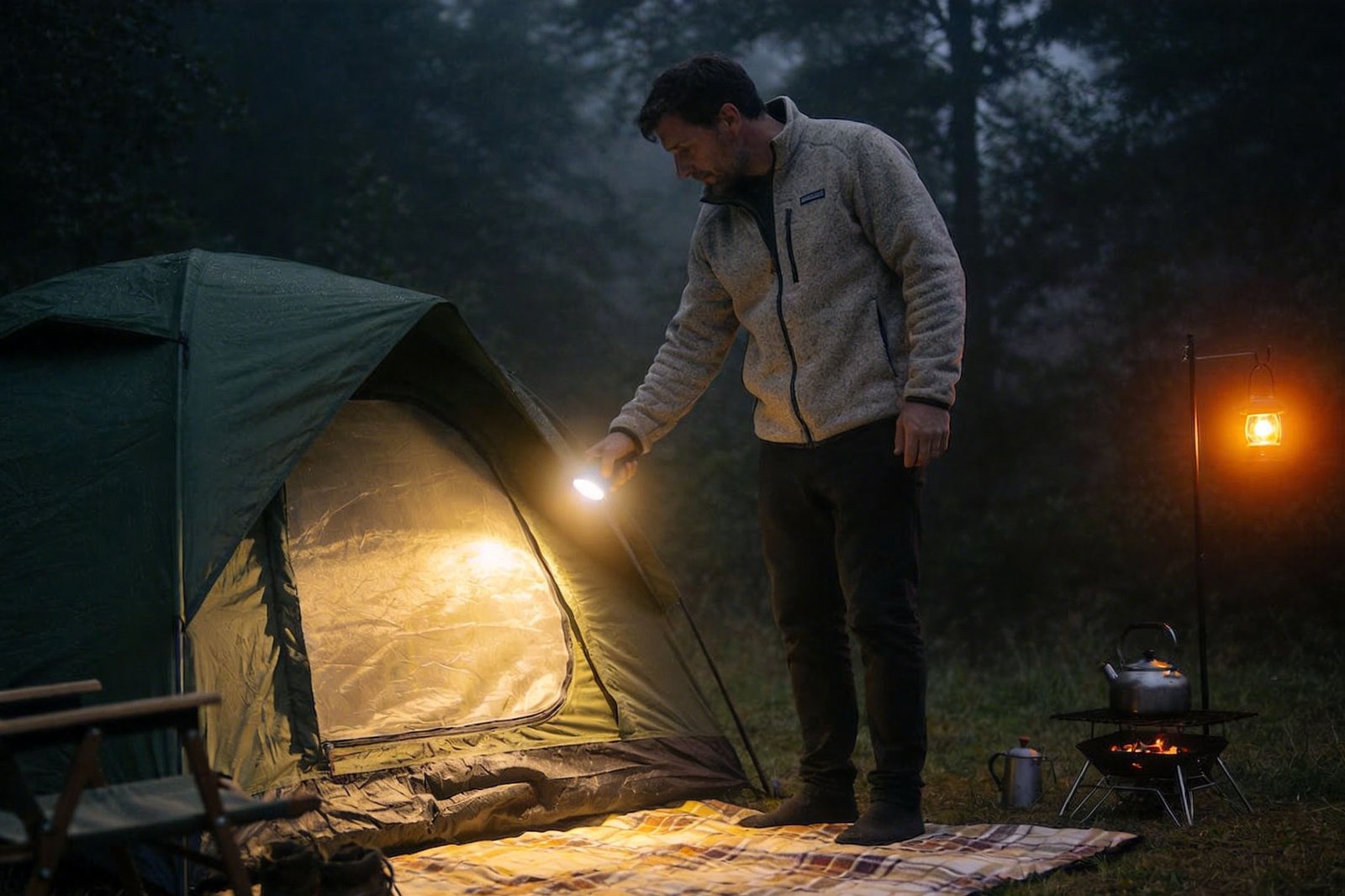
Heat and power drain affect long-term usability. Testing focuses on consistent output and duration rather than peak numbers.
Manufacturer Focus on Stability
A flashlight’s usability depends on how well it maintains performance during use. High peaks are less important than stable illumination.
| Test Focus | User Benefit |
|---|---|
| Output Stability | Reliable brightness over time |
| Efficient Cooling | Prevents overheating |
| Battery Optimization | Prolongs runtime |
Does Battery Capacity Guarantee Higher Lumens?
Battery capacity contributes to runtime, but it doesn’t ensure consistent high lumens output.
Battery size supports sustained use, but efficiency depends on LED, optics, and cooling systems.
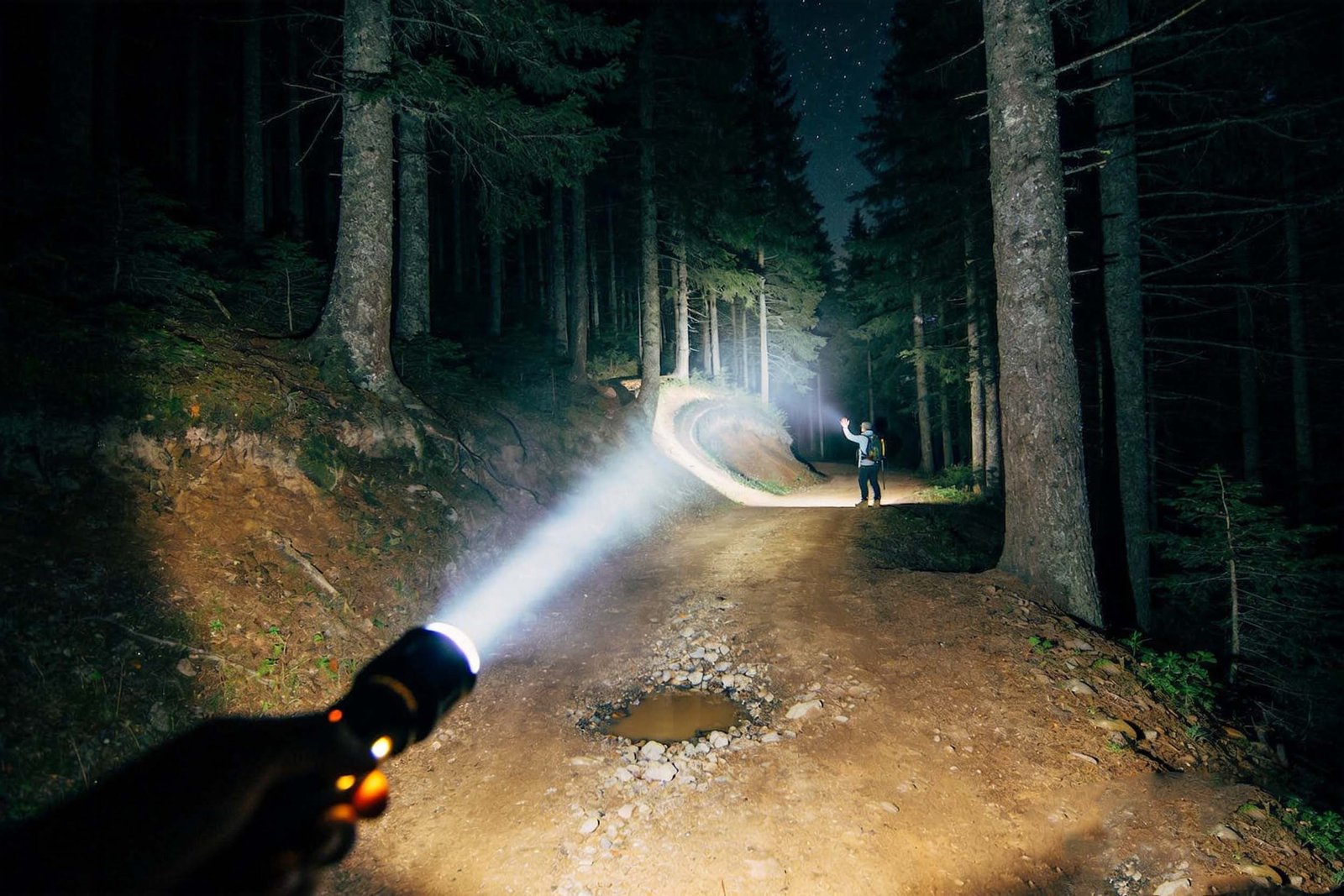
Turbo modes drain batteries quickly, while lower modes extend runtime. Balanced systems optimize power use for better performance.
System-Level Efficiency
Flashlights combine battery capacity, LEDs, and optics for optimal performance, not just raw numbers.
| Component | Role |
|---|---|
| Battery | Energy supply |
| LED | Light source |
| Optics | Directing light effectively |
How Many Lumens Do You Really Need?
Choosing lumens depends on your activities. The best flashlight offers balanced performance based on your environment and tasks.
Consider lumens alongside beam type, distance, and runtime for the best flashlight experience.
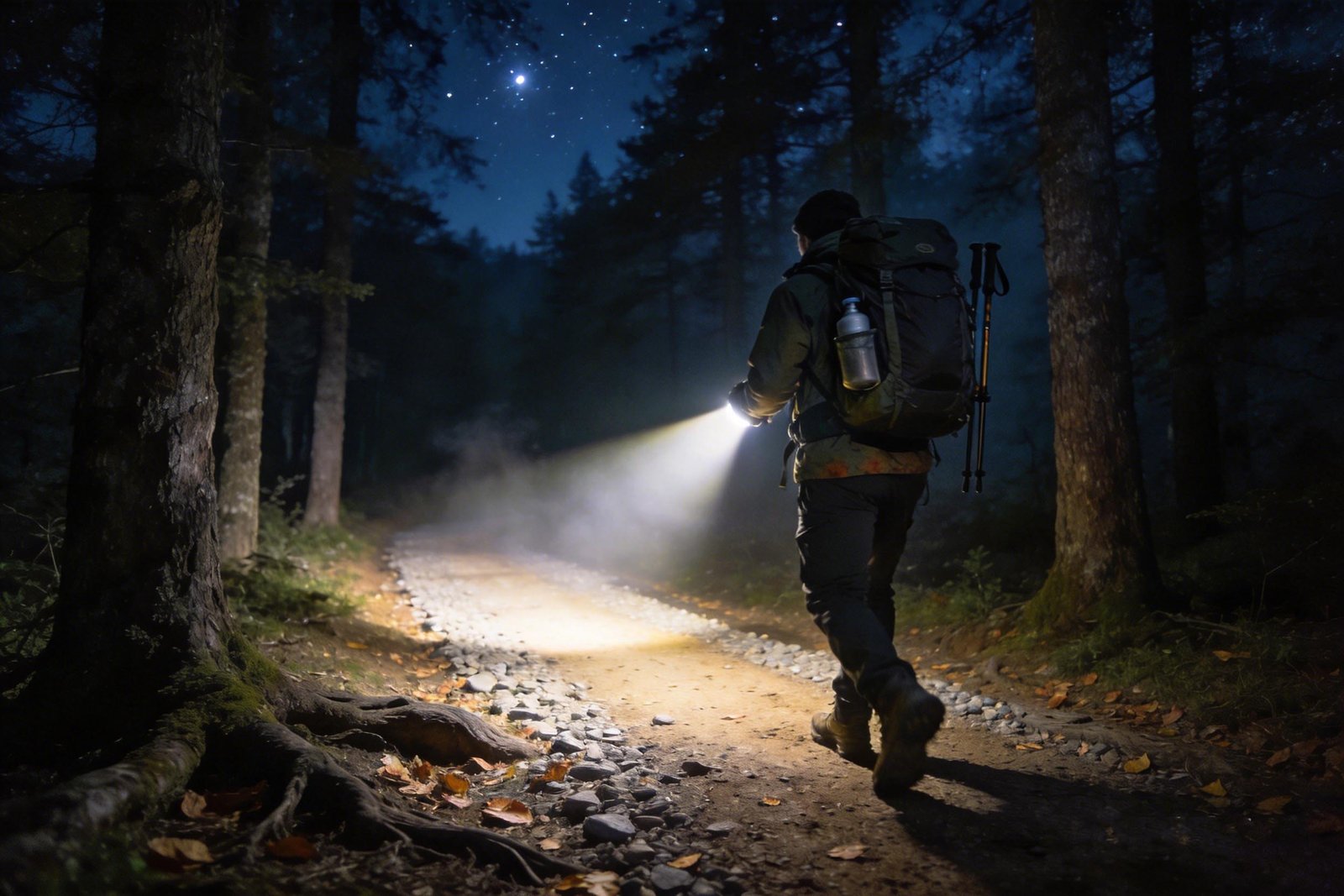
For tasks like home use or camping, moderate lumens suffice. Forest trails or fast movement benefit from higher outputs with focused beams.
Three Questions to Ask
Before buying a flashlight, ask:
- Where will I use it?
- How far do I need to see?
- How long will I use it?
Answering these questions simplifies the decision-making process.
The Brightest Flashlight Isn’t Always the Best
After years in flashlight design, I’ve learned that the best products prioritize real-world usability, not just high numbers.
The goal isn’t to make the brightest flashlight. It’s to create one that helps you see what you need.
When choosing your flashlight, don’t just ask: “How many lumens does it have?”
Instead, consider: “Will this light help me see what I need clearly and comfortably?”
Because the right light for your needs matters more than the biggest number on the label.
"Beam Angle vs Lumens: Lighting Brightness Explained", https://artdonlighting.com/resources-blog-detail.php?slug=beam-angle-vs-lumens-lighting-design. This source explains that lumens measure total light output but do not account for how light is distributed or utilized, emphasizing the importance of beam design in effective lighting. Evidence role: mechanism; source type: paper. Supports: Lumens quantify total visible light output, but they don’t tell you how this light is distributed or used effectively.. Scope note: The support is contextual, focusing on the relationship between lumens and beam design rather than providing direct proof of effectiveness. ↩
"Flashlight Beam Distance Explained | Testing Methods & Real ...", https://www.tank007store.com/blogs/flashlight-knowledge/knowledge-flashlight-beam-distance-explained. This source clarifies the distinction between lumens as a measure of light quantity and beam distance as a measure of effective reach, emphasizing their different roles in flashlight performance. Evidence role: definition; source type: encyclopedia. Supports: Lumens measure light quantity, while beam distance tells how far light effectively reaches.. Scope note: The support is contextual and may not cover all flashlight types or designs. ↩