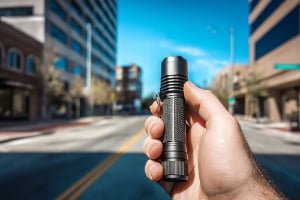
When choosing a flashlight, many people focus on lumens. It seems logical: the bigger the number, the brighter the light. But does more lumens mean better performance outdoors?
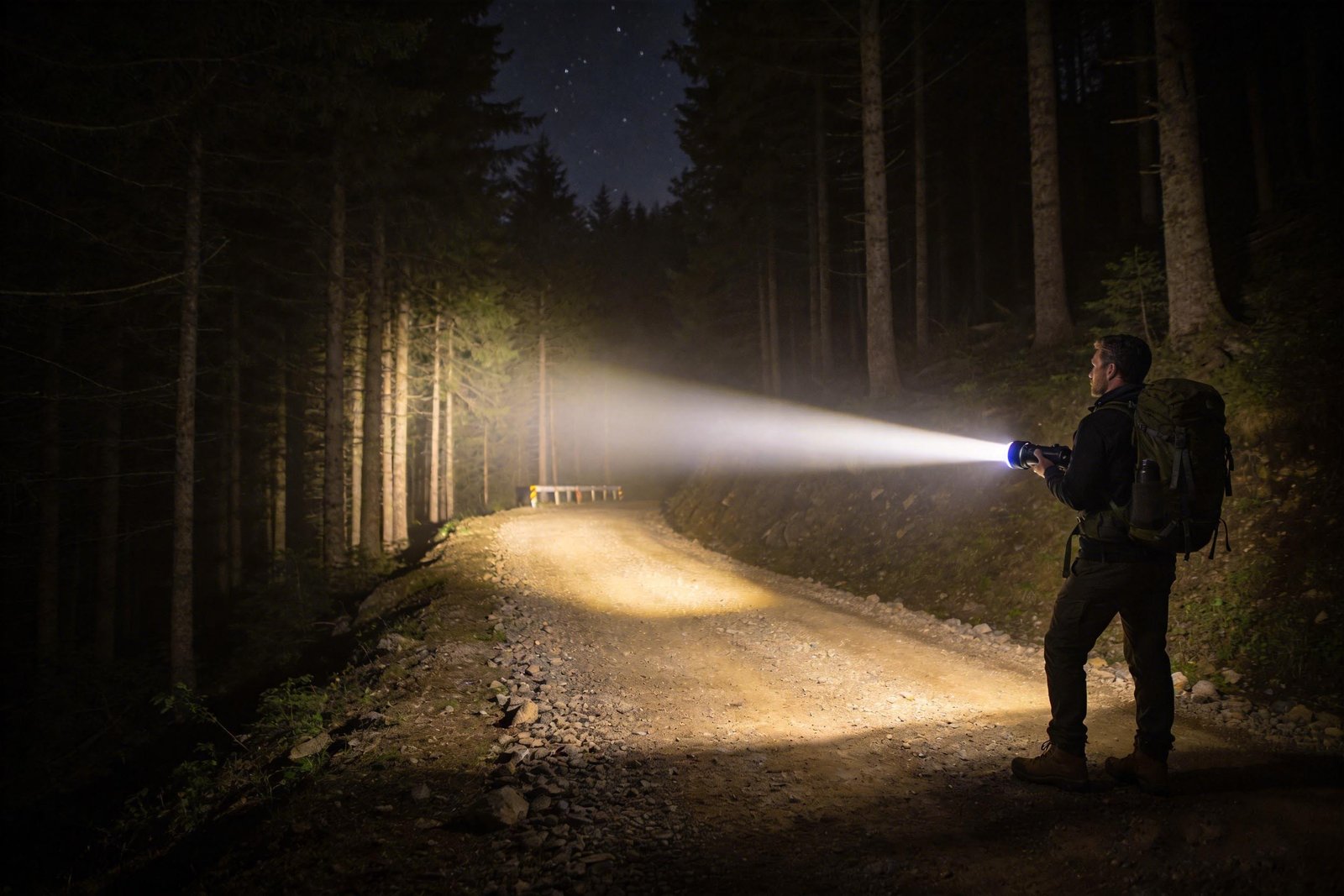
Beam distance affects flashlight performance by determining how far the light can travel while maintaining sufficient brightness to identify and recognize a target clearly.
Beam distance, often overlooked, can be the difference between simply lighting up a room and identifying obstacles far away. Let’s explore how it works and why it matters.
What does beam distance really mean?
Beam distance measures how far a flashlight’s light can extend while still providing enough brightness to recognize a target. This is typically measured in meters.
Beam distance isn’t about how far light travels, but how far it remains functional for visibility under test conditions.
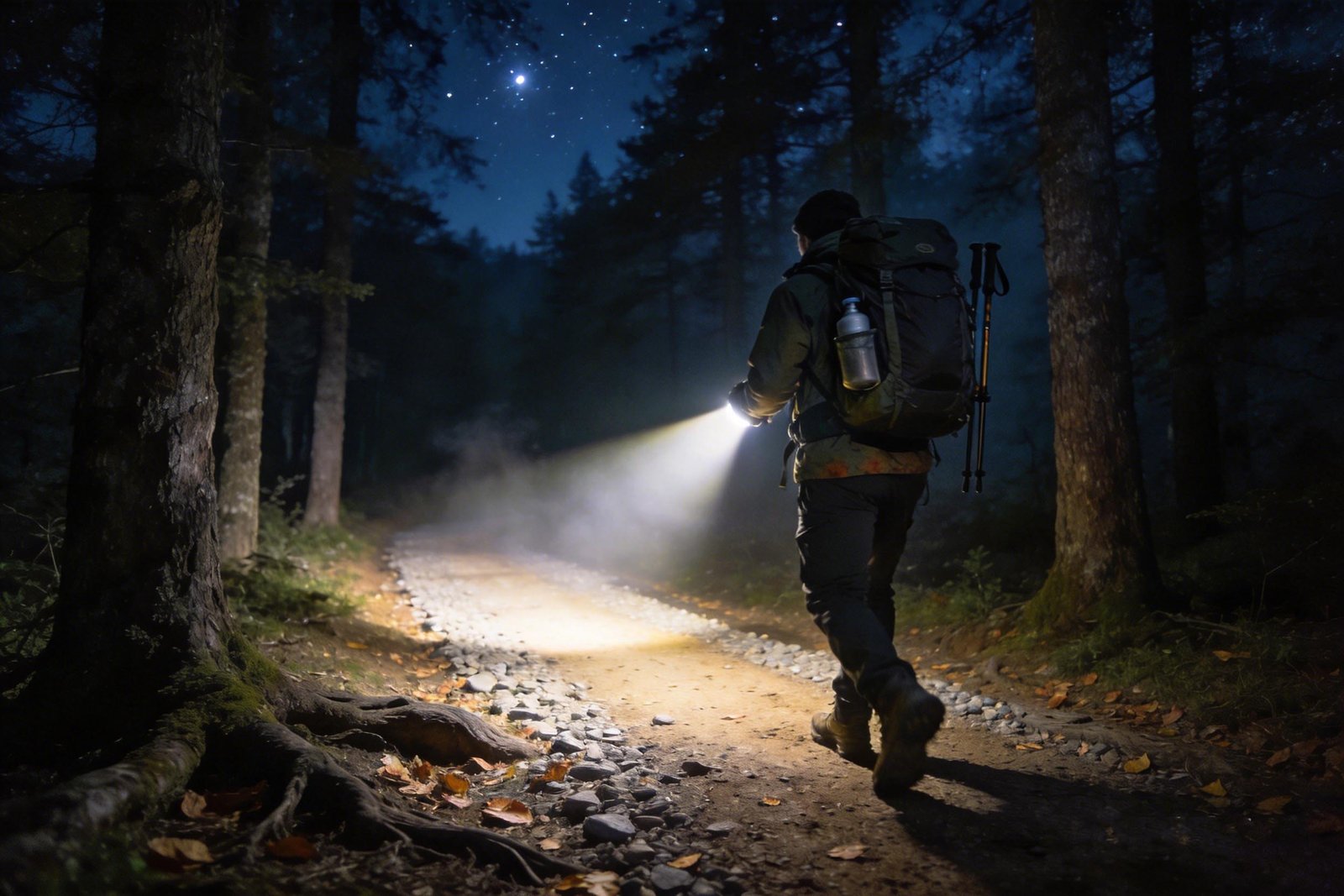
Beam distance depends on multiple factors. These include the flashlight’s total output, beam type, and reflector design. A focused beam travels further than a wide beam. This makes beam distance a key performance metric, not just a number.
Breaking it down: Why beam distance matters
| Beam Distance (m) | Usage Scenario | Key Benefit |
|---|---|---|
| <50 | Indoor work, garage tasks | Illuminates tight areas evenly |
| 50–200 | Outdoor walk, camping | Balanced beam for nearby visibility |
| >200 | Hiking, search-and-rescue | Long-range vision and target spotting |
Beam distance aligns light performance with real-life needs, letting users choose the right flashlight for their environment.
Why don’t higher lumens always mean longer distance?
It seems intuitive that more lumens should mean better distance. However, lumens measure total light output, not where or how effectively the light travels.
Lower lumens can offer longer beam distance if the light is focused into a narrower beam. Spread-out light loses intensity over distance.
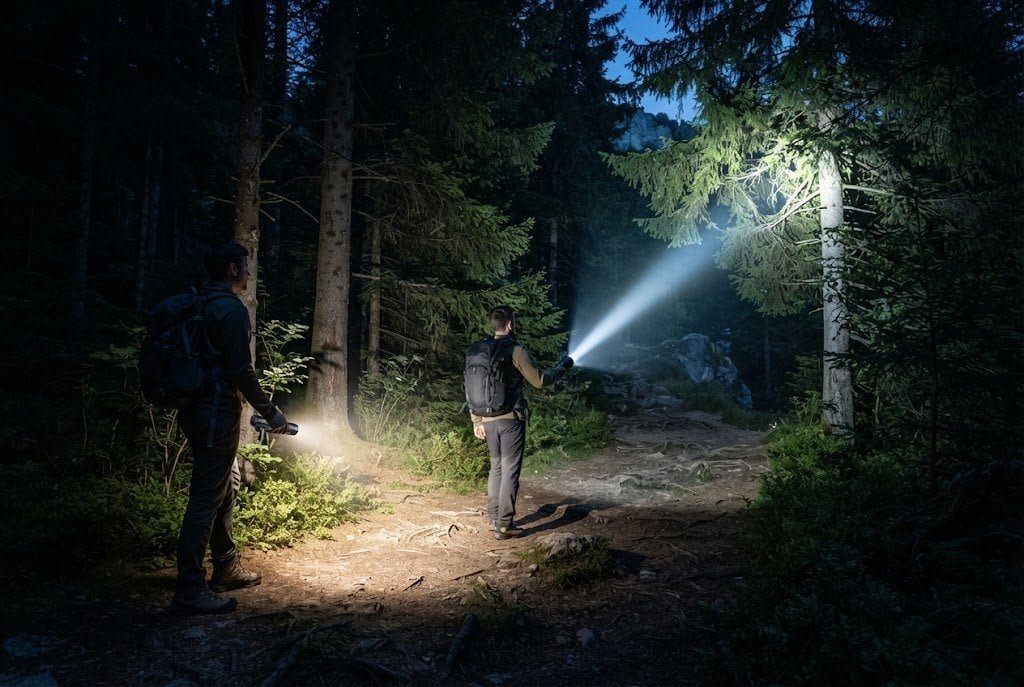
Take two flashlights: one with 2000 lumens dispersed across a wide area and another with 1200 lumens concentrated into a narrow spot. The latter often provides better long-distance visibility. This “counterintuitive” result highlights the importance of beam focus.
Is beam distance the same as beam pattern?
No. Beam distance is the result, while beam pattern is how this result is achieved. Patterns can range from wide flood beams to narrow spot beams.
Flood beams illuminate large areas, while spot beams concentrate light for longer distances. Each has distinct advantages depending on the task.
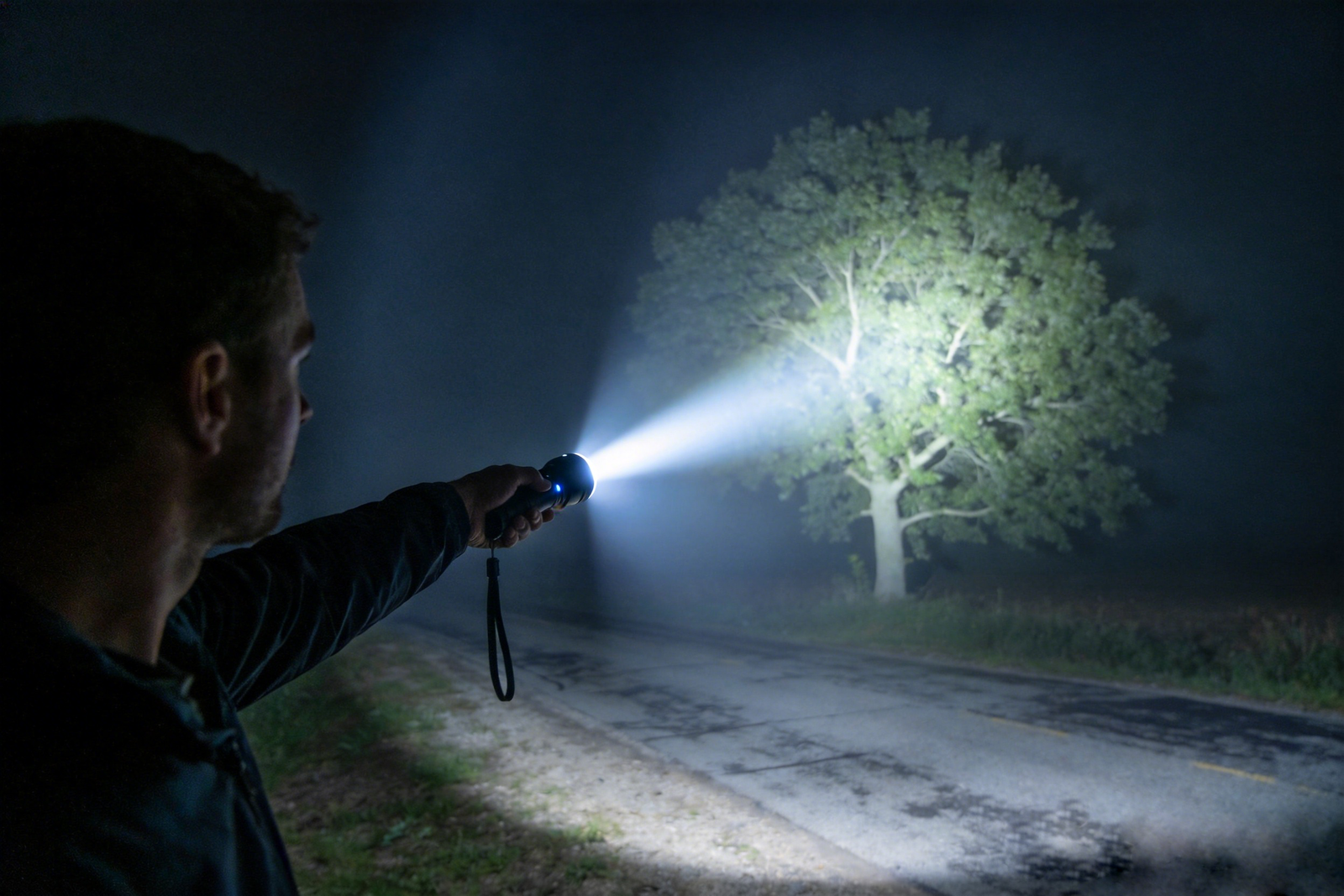
For example, a wide beam is ideal for walking near a campsite to see obstacles at short distances. A narrow beam works better for spotting a target far ahead, such as during a night hike. The key is choosing the beam pattern that matches the situation.
Does longer beam distance automatically mean better performance?
Not necessarily. A longer beam distance isn’t always ideal1. For close-range tasks, a highly focused beam might make nearby areas too dark and hinder visibility.
In everyday situations like dog walking or casual camping, a balanced beam with moderate range often feels more comfortable and practical.
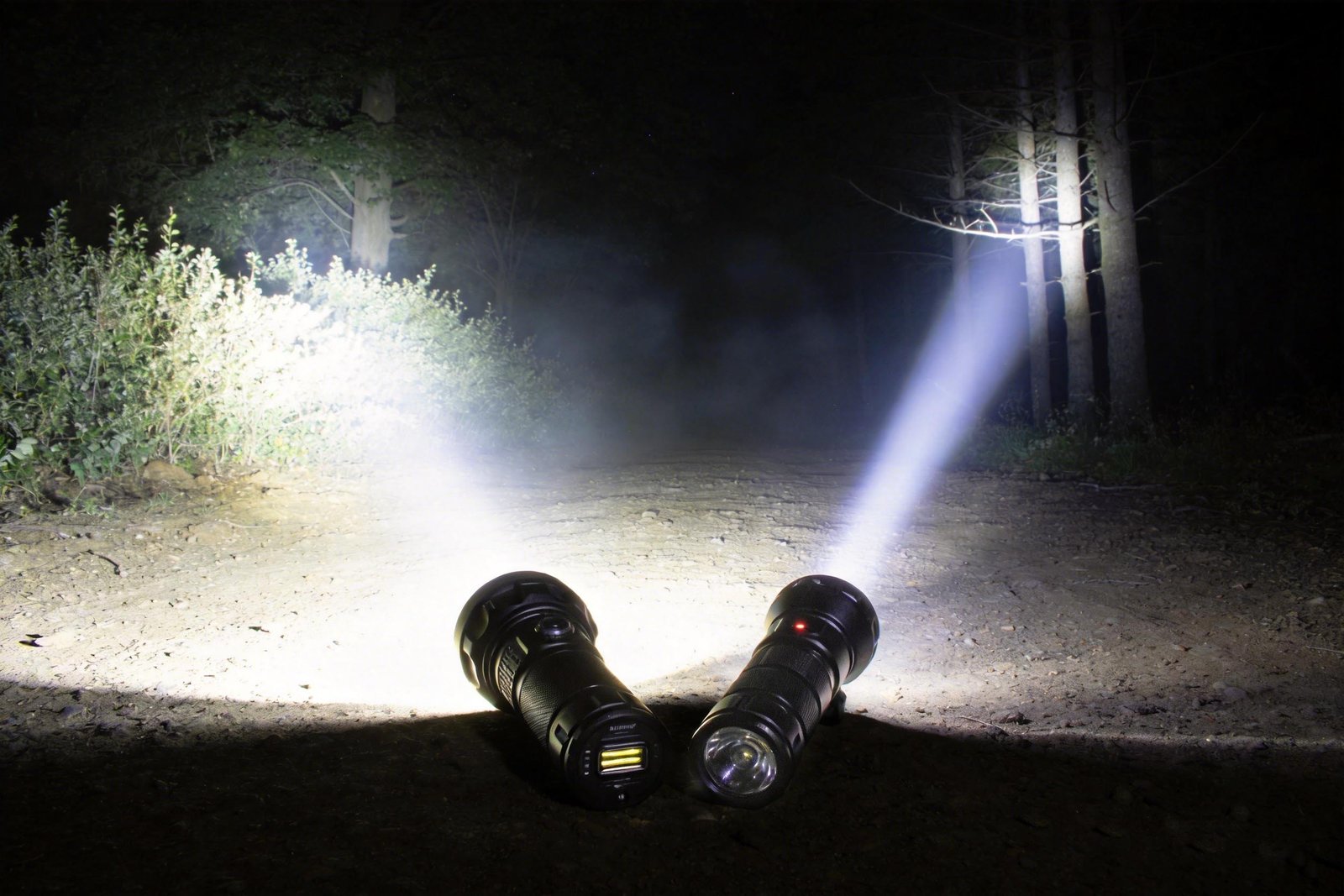
However, for environments like forests or open fields, a longer beam becomes critical. Here, a concentrated beam helps spot distant obstacles or pathways. Use cases determine whether beam distance contributes to a better experience.
Context Matters: Matching Beam Design to Use
| Scenario | Beam Type Preference | Example |
|---|---|---|
| Daily tasks or home use | Wider flood beam | Garage repairs, indoor fixes |
| Camping or outdoor walks | Balanced flood-to-spot beam | Navigating trails, family outings |
| Search-and-rescue | Long-range spot beam | Locating individuals or targets far away |
The best flashlight adapts to your environment, balancing near and far illumination.
How does the reflector influence beam distance?
Reflectors play a vital role in shaping beam performance. They determine how light leaves the flashlight and whether it’s focused or dispersed.
Deeper reflectors create concentrated beams for longer distances, while shallow ones spread light for wider coverage.
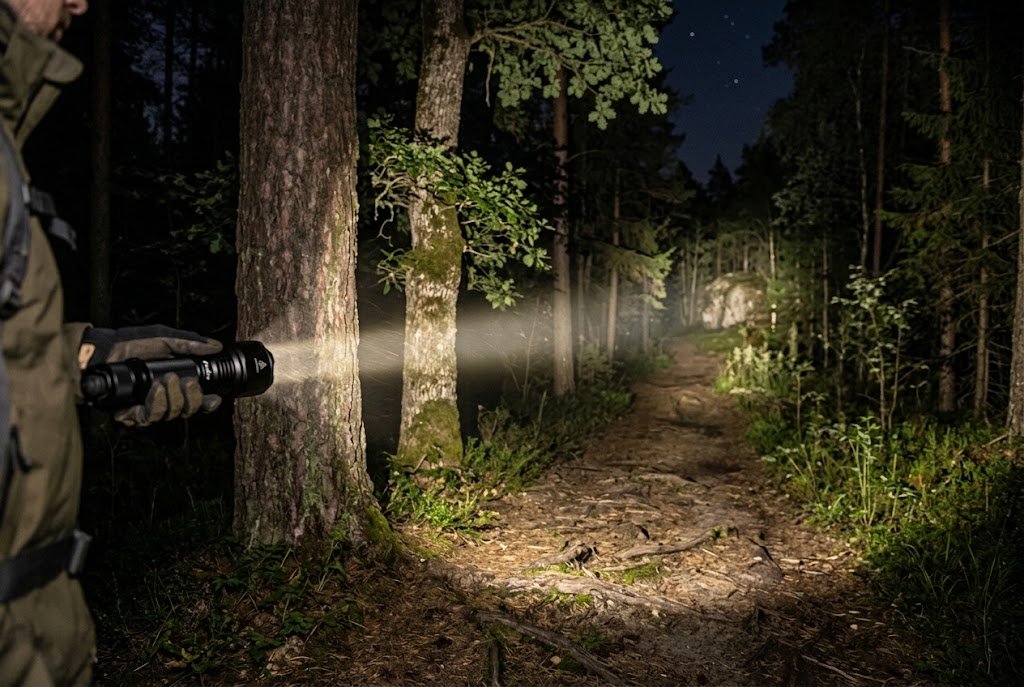
Different reflector types serve unique purposes. Smooth reflectors deliver focused beams, while textured ones provide diffused lighting. Combined with optical lenses, reflectors directly impact how far the beam travels.
Factors like LED placement and reflector depth make designing beam distance an intricate process. It’s not just about powerful LEDs, but how their light is utilized.
Can batteries affect beam distance performance?
Yes. Beam distance performance isn’t just about initial brightness—it’s also about sustained output. Batteries determine how long beam distance remains effective over time.
High-capacity batteries enable flashlights to maintain peak performance longer, especially under high power settings.
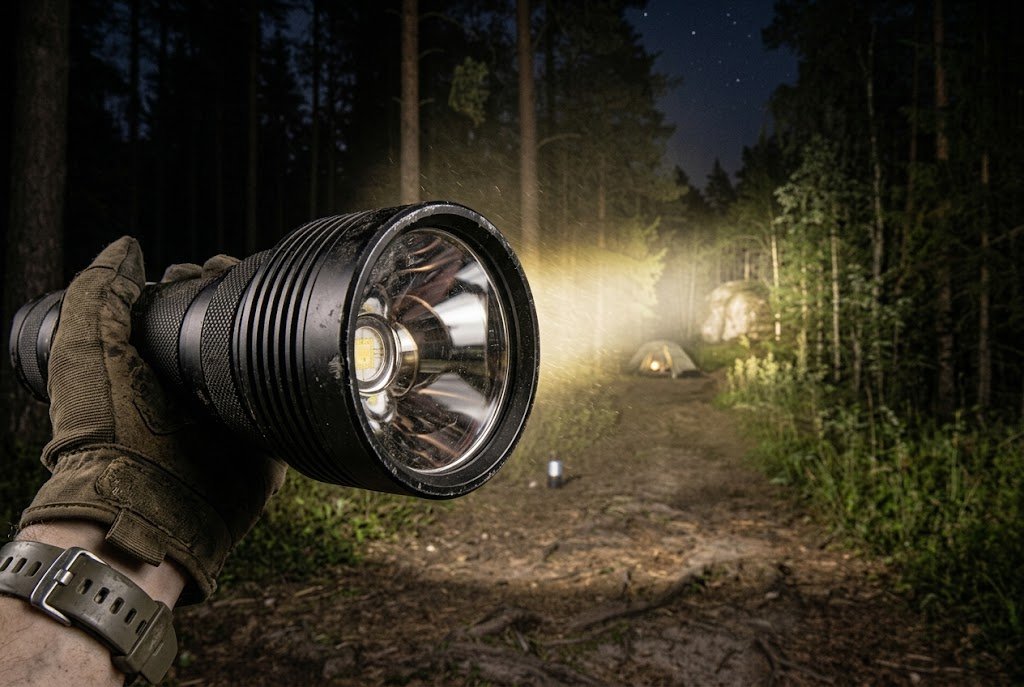
A flashlight that starts bright but dims quickly isn’t useful for extended outdoor activities. Testing for sustained performance reveals whether a flashlight can deliver consistent beam distance, not just a fleeting burst of light.
Why beam distance matters differently in headlamps?
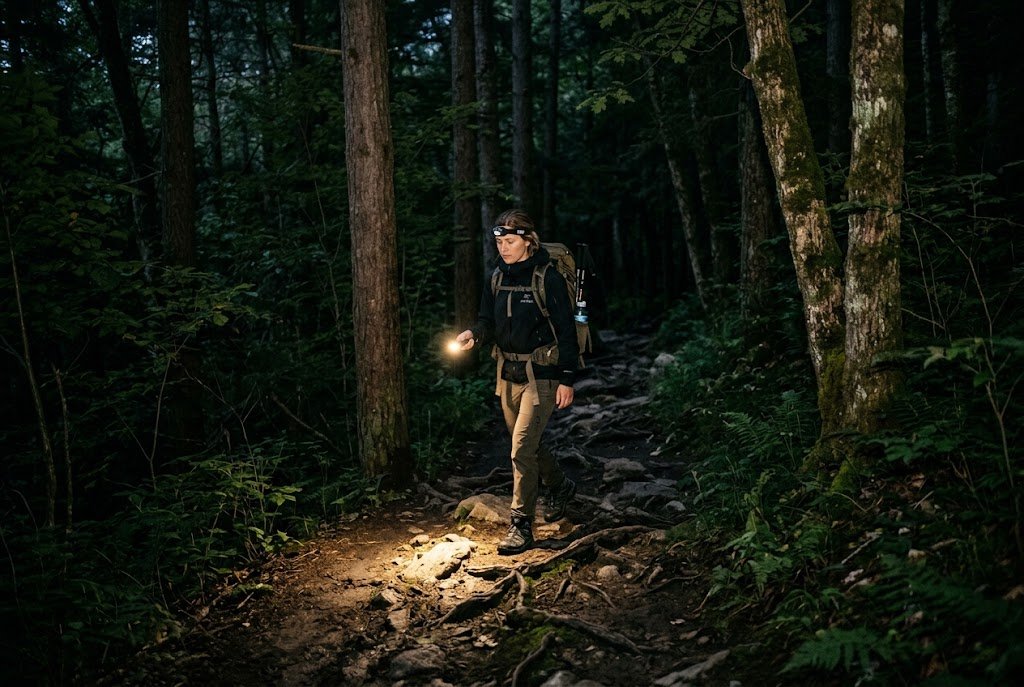
Beam distance considerations shift for headlamps due to their hands-free nature. Movement causes beam changes depending on head direction.
Headlamps with balanced beams prevent discomfort from overly focused lighting during walking or hiking.
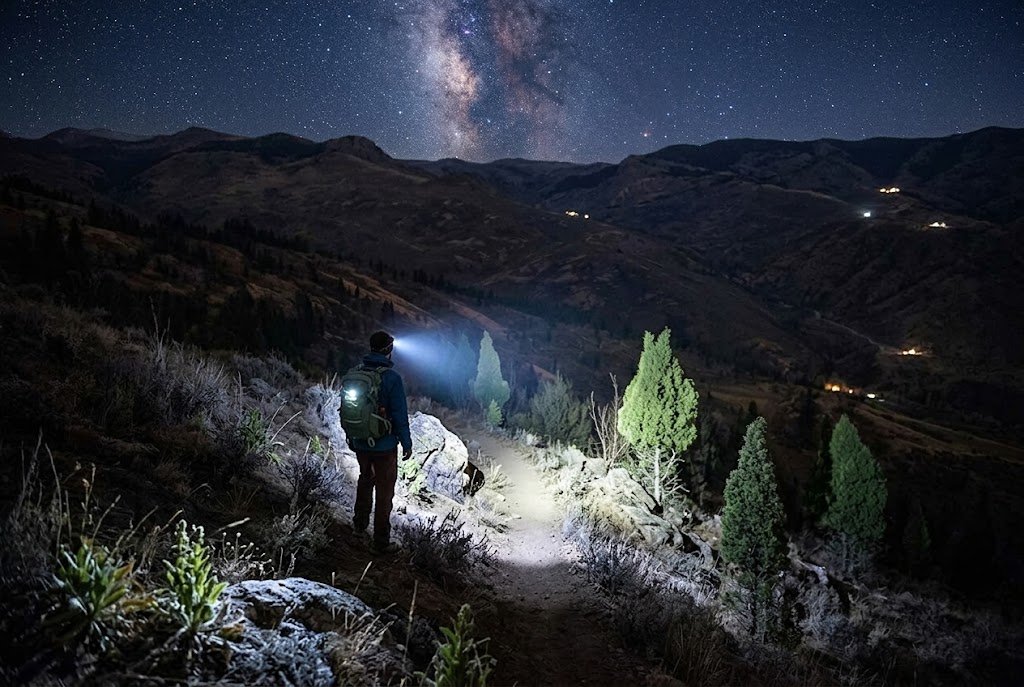
Situations like trail running or family hikes benefit from headlamps with moderate beam distances and wide patterns. This ensures sufficient visibility across footpaths, obstacles, and surrounding areas.
Effective beam distance: The real benchmark
After years of flashlight testing, I’ve learned that maximum beam distance doesn’t equate to better usability. Effective beam distance measures practical visibility in real-world conditions.
A flashlight with balanced brightness and smooth transitions may outperform one with extreme focus and limited versatility.
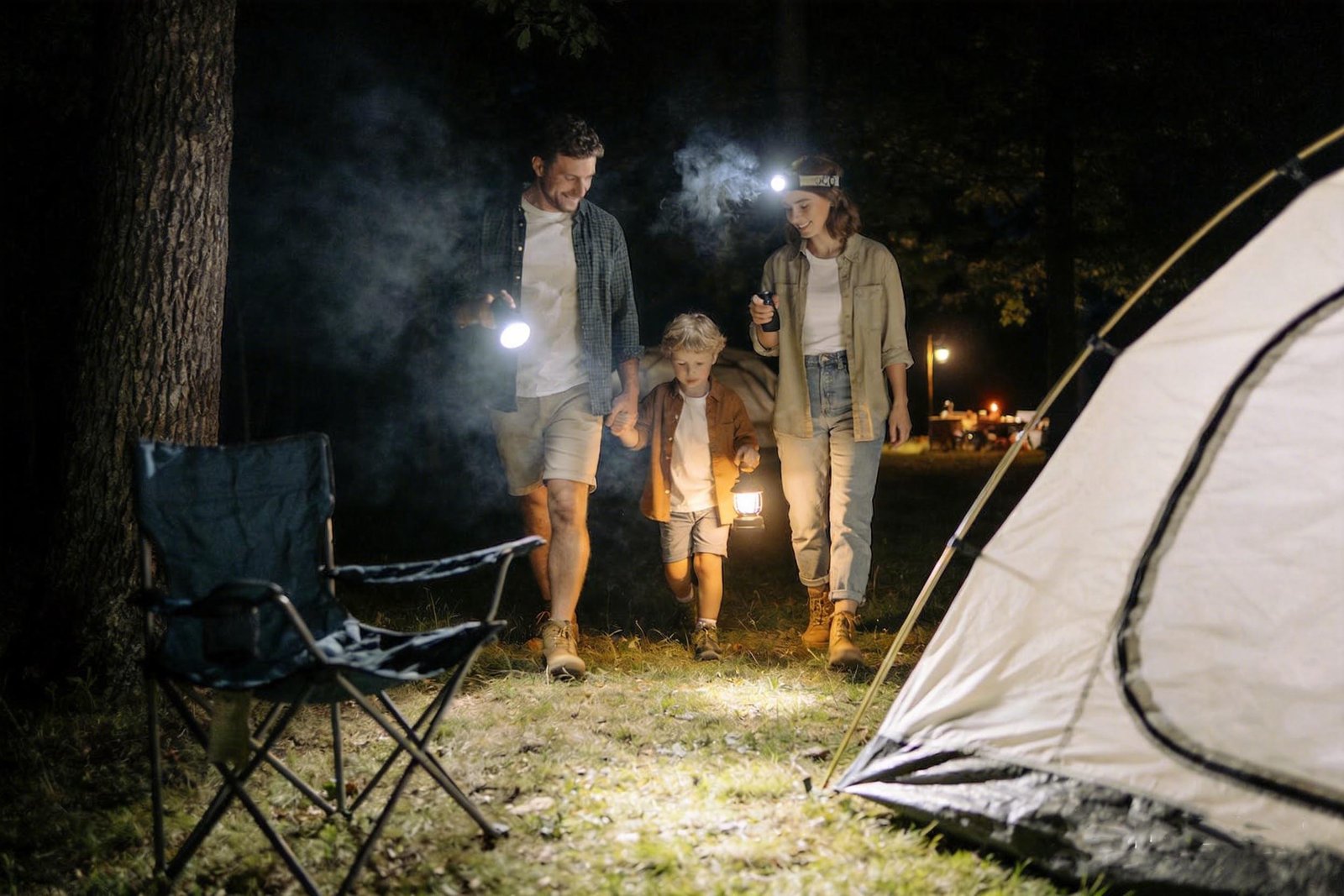
Prioritize how well a flashlight integrates beam distance with other factors like beam pattern, battery life, and optical design. This ensures it fits your environment and needs.
Conclusion
Beam distance is more than a number—it’s a performance metric tied to real-life usability. Choosing the right flashlight means balancing lumens, beam patterns, and distance for optimal visibility.
"High-Beam Intensity, Visual Performance and Safety- ...", https://rosap.ntl.bts.gov/view/dot/31078/dot_31078_DS1.pdf. This source discusses the practical implications of beam distance in various scenarios, emphasizing that longer distances may not always enhance usability. Evidence role: expert_consensus; source type: education. Supports: A longer beam distance isn’t always ideal.. Scope note: The support may not directly address flashlight use but provides insights into general lighting principles. ↩