When you work with portable lighting, it is easy to spend a lot of time looking at lumens, beam distance, battery capacity, and IP ratings.
But those numbers feel quite different when you are actually standing on a dark trail with two children asking, “Where are we going?”
After years of working with portable lighting and testing headlamps outdoors with my two kids, I’ve found that the most useful headlamp is rarely the one with the biggest number on the box. It is the one that fits the situation you are actually in.
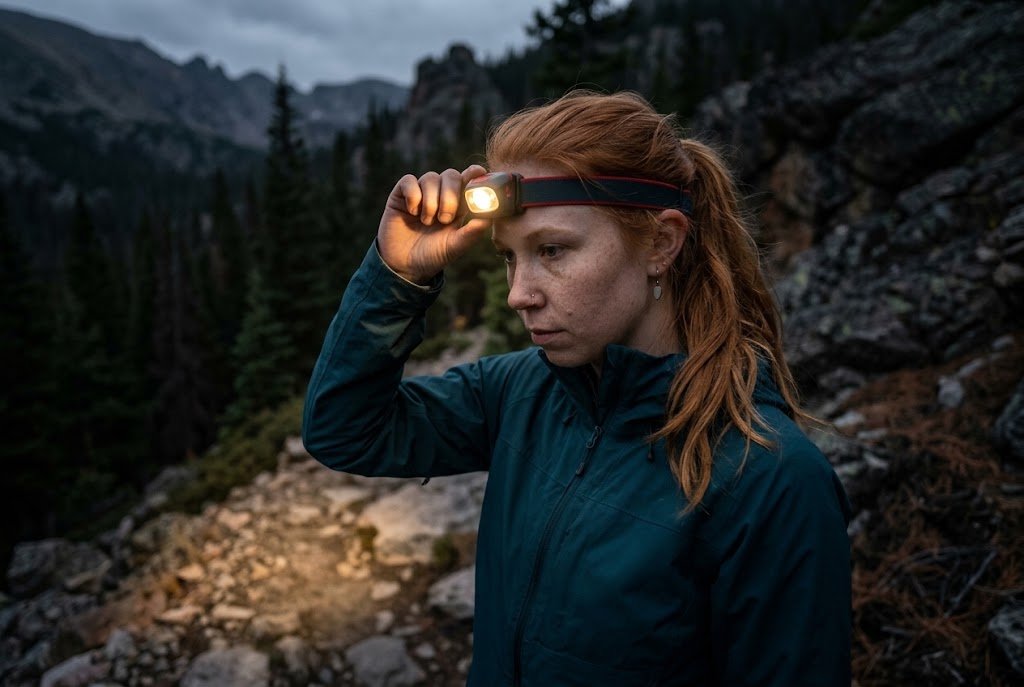
When we go hiking or camping as a family, the lighting conditions can change several times during the same trip. We might start walking before sunset, continue through a forest after dark, stop to look at something on the trail, and eventually end up at the campsite sorting out food, bags, and sleeping equipment.
That is also what makes hiking headlamps interesting from a product development perspective. A headlamp isn't really solving one lighting problem. It is solving several small problems throughout the same evening.
The First Thing I Look At Is Not Lumens
When I take a new headlamp out with the kids, I usually notice the trail before I notice the specification sheet.
A trail around a campground can still have plenty of ambient light. A forest trail can become almost completely dark. A rocky mountain path can require us to see not only where our feet are going, but also what is coming several steps ahead.
The same headlamp can therefore feel very different depending on the environment in which it is being used.
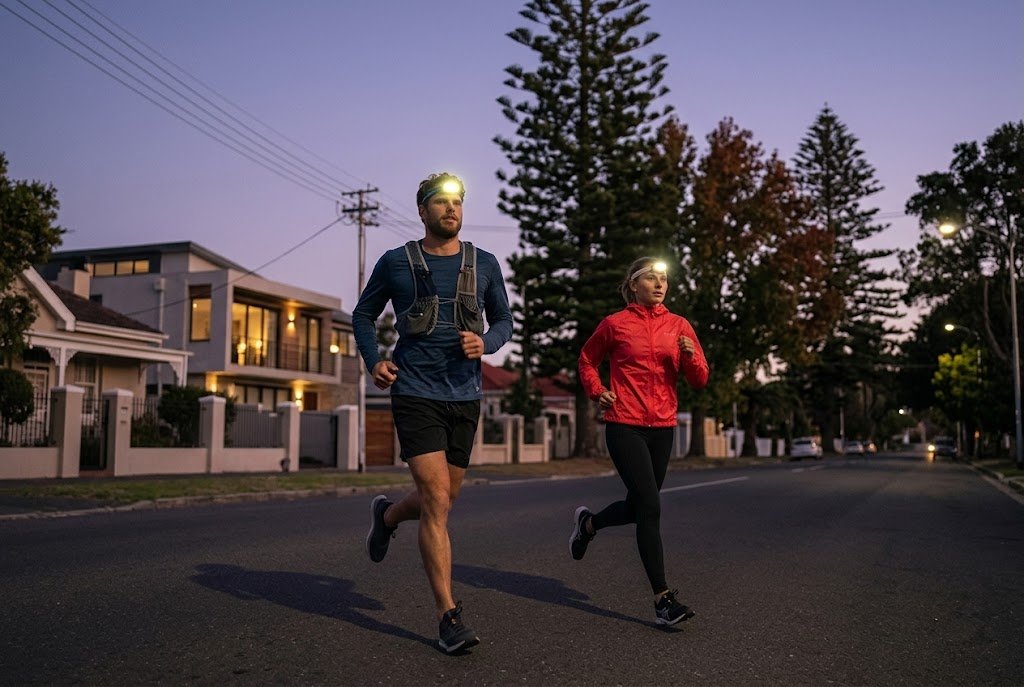
This is particularly noticeable with children. They rarely walk at the same pace for very long. One child may stop to look at something, while the other is already several meters ahead.
On a familiar campsite, a low or medium output may be completely comfortable. On a dark trail with rocks and roots, I may prefer more light simply because I want to see the terrain earlier.
That experience changed the way I look at lumen numbers. Instead of asking whether 500 or 1000 lumens is “better,” I tend to ask what I am trying to see.
More Lumens Don’t Always Mean a Better Experience
Lumens are useful because they tell us about total light output. But when you are standing on a trail, you don't actually experience “lumens.” You experience what the light allows you to see.
A higher lumen output can provide more illumination, but how that light is distributed and how long it can be maintained are equally important1.
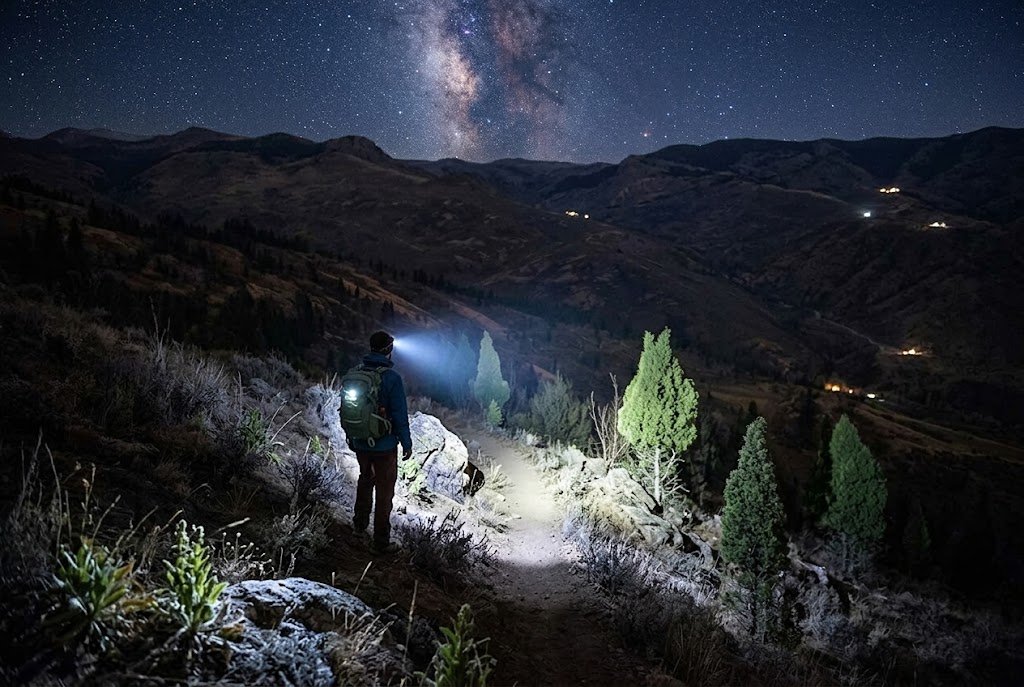
I have noticed this many times when testing products. When walking through a dark section of trail, turning up the brightness can immediately make the environment feel more open. Rocks become easier to distinguish and objects farther away become more visible.
But when we arrive at the campsite, that same brightness can suddenly feel excessive.
If I'm helping my children find something inside a backpack, adjusting a sleeping bag, or preparing food, I usually don't need a powerful beam. A lower setting is more comfortable and also uses less battery.
There is another detail behind the lumen number that is easy to miss: maximum output is not necessarily sustained output.
A headlamp rated at 1000 lumens may reach that output in its highest mode, but it does not necessarily stay there for the entire runtime. LED efficiency, driver design, battery capacity, and thermal management all influence how long a particular output can be maintained.
From a supplier's perspective, this is one of the reasons we look at the entire lighting system rather than simply asking how many lumens the LED can produce.
Then I Start Paying Attention to Where the Light Goes
One evening, my kids were walking ahead of me on a trail. I could see their backs quite clearly, but I noticed something else: I was also paying attention to the ground immediately around my own feet.
This is where beam pattern becomes surprisingly important.
A headlamp that spreads light widely and one that concentrates light farther ahead can create very different experiences2, even when their lumen output is similar.
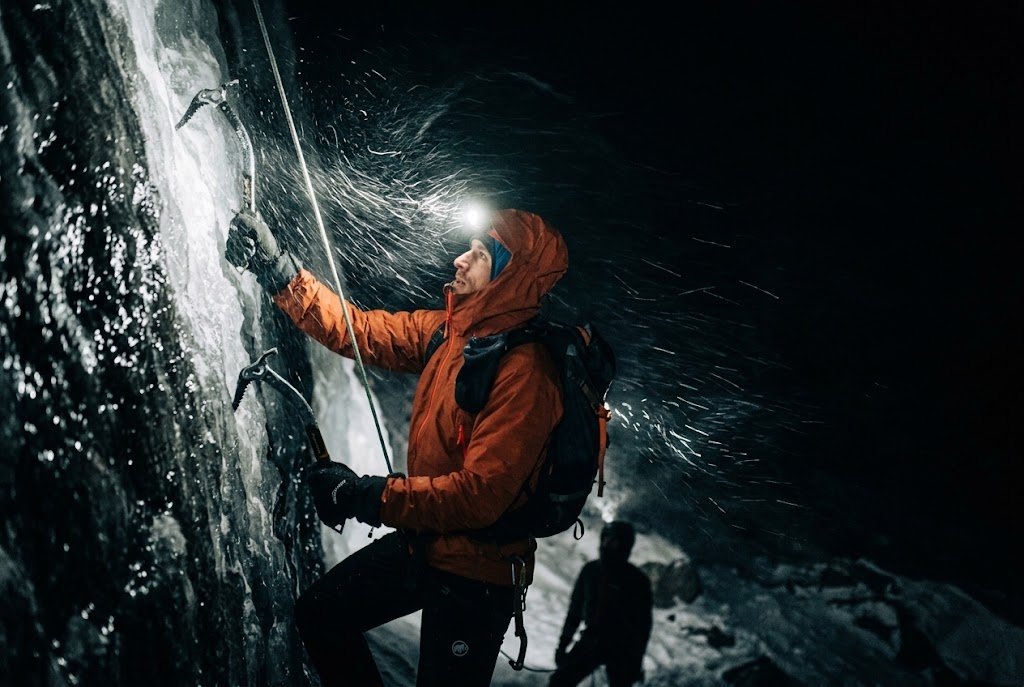
A wide flood beam is useful for close-range activities. It can illuminate the ground around you, your backpack, tent, cooking area, or anything you are holding in your hands.
A focused spot beam behaves differently. It can put more light farther down the trail, making it easier to notice a trail marker, a rock, a branch, or a change in elevation before reaching it.
When hiking with children, I find myself switching between these situations constantly.
On the trail, I appreciate some reach. At the campsite, I prefer broader and softer illumination.
This is why some headlamps combine spot and flood lighting or offer different beam modes. It isn't simply about adding another function to the product. It reflects the fact that outdoor activities themselves are constantly changing.
A Long Beam Is Not the Same Thing as More Lumens
This was another lesson that became much clearer through outdoor testing.
Two headlamps can have similar lumen ratings but produce noticeably different results on a dark trail.
Beam distance depends not only on how much light is produced, but also on how effectively the optical system directs that light3.
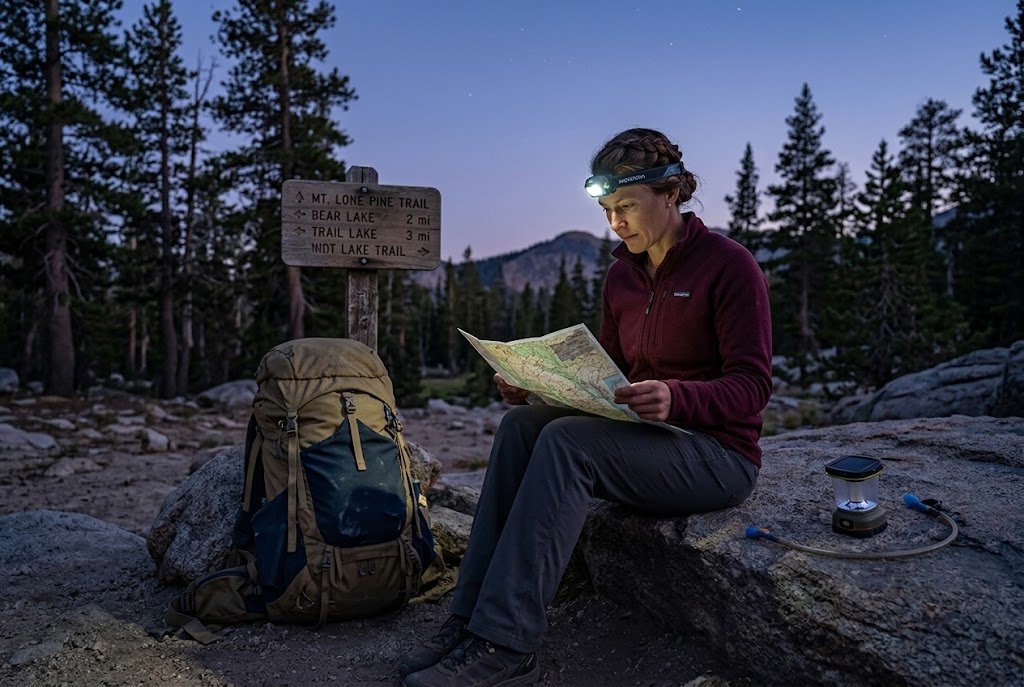
The reflector or lens, beam angle, LED characteristics, and overall optical design all influence where the light goes.
Imagine walking along a rocky trail at night. Seeing the ground immediately in front of your shoes is one thing. Seeing a large rock or a change in the trail several meters ahead is another.
For a slow walk around camp, the difference may not matter much. On a darker mountain trail, it can become much more noticeable.
This is why, when we evaluate a headlamp, we don't only look at the maximum lumen figure. We also look at how the beam behaves in real environments.
The Headlamp I Use on the Trail Is Not the Same One I Want at Camp
One of my favorite parts of testing lighting products outdoors is discovering how quickly the lighting requirement changes.
Before sunset, we may not need a headlamp at all.
After sunset, a moderate setting may be enough for walking.
In a completely dark forest, I may want more output.
At the campsite, I usually want something softer again.
A headlamp with several useful output levels can adapt to these changing situations without requiring maximum brightness all the time4.
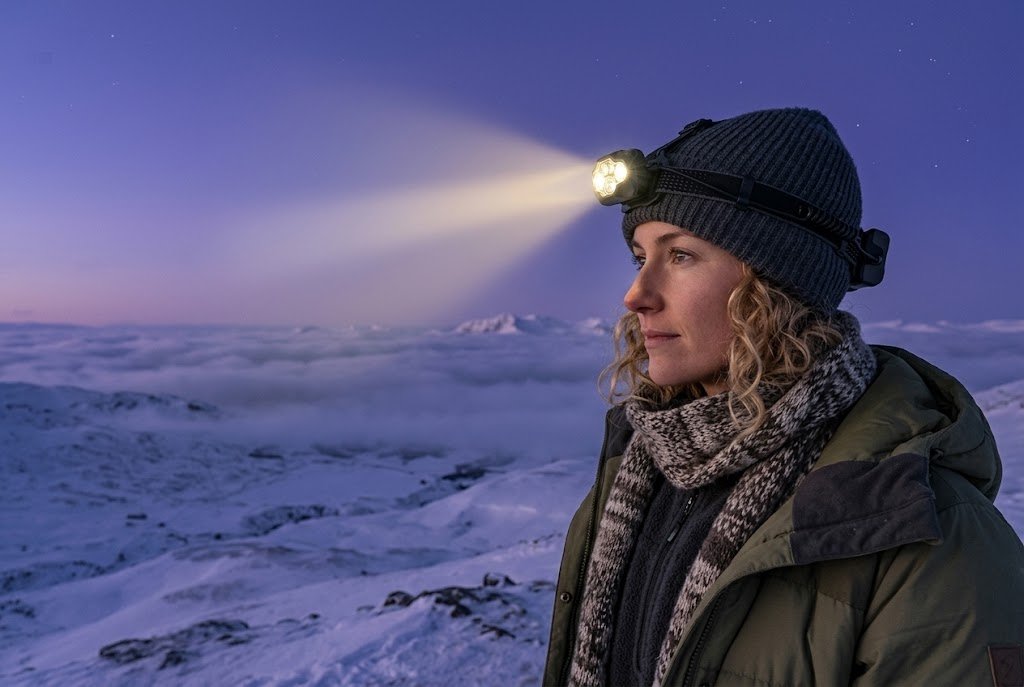
This also has a direct effect on battery life. Running a headlamp at maximum output throughout an evening is very different from using a lower setting for routine activities and increasing the output only when necessary.
When we develop or evaluate a headlamp, this is one of the things I find more interesting than simply increasing the maximum output. A useful low mode, a practical medium mode, and a high mode that can provide extra illumination when needed can make the product much more versatile.
In real use, the highest mode may only represent a small part of the evening.
Battery Life Becomes Very Real After a Few Hours
Battery specifications can seem abstract when you are sitting at a desk5.
They become much more concrete when you are still two kilometers from the campsite and the headlamp has already been running for hours.
Runtime is not simply a battery specification; it is closely connected to how the headlamp manages power at different output levels.
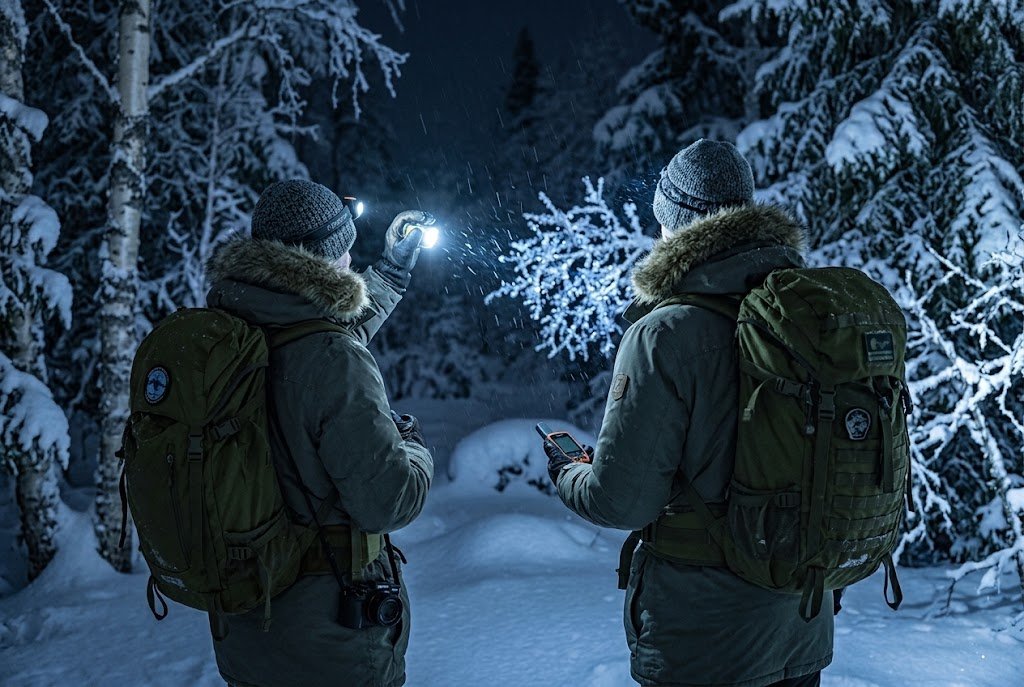
Battery capacity matters, of course. But so do LED efficiency, driver efficiency, thermal management, and the output level being used.
This is another reason I prefer to look at runtime at different modes rather than focusing only on one maximum figure.
For a short evening hike, the difference may not be particularly important. For a long night hike or multi-day trip, it becomes much more relevant.
And there is always the practical question: how easy is it to recharge or replace the battery when you are away from home?
Then There Is the Weight You Don’t Notice at First
A headlamp can feel extremely light when you pick it up from a table.
After wearing it for three or four hours, the same headlamp can feel very different.
Because a headlamp sits on the head rather than in the hand, weight distribution and stability can matter almost as much as total weight6.
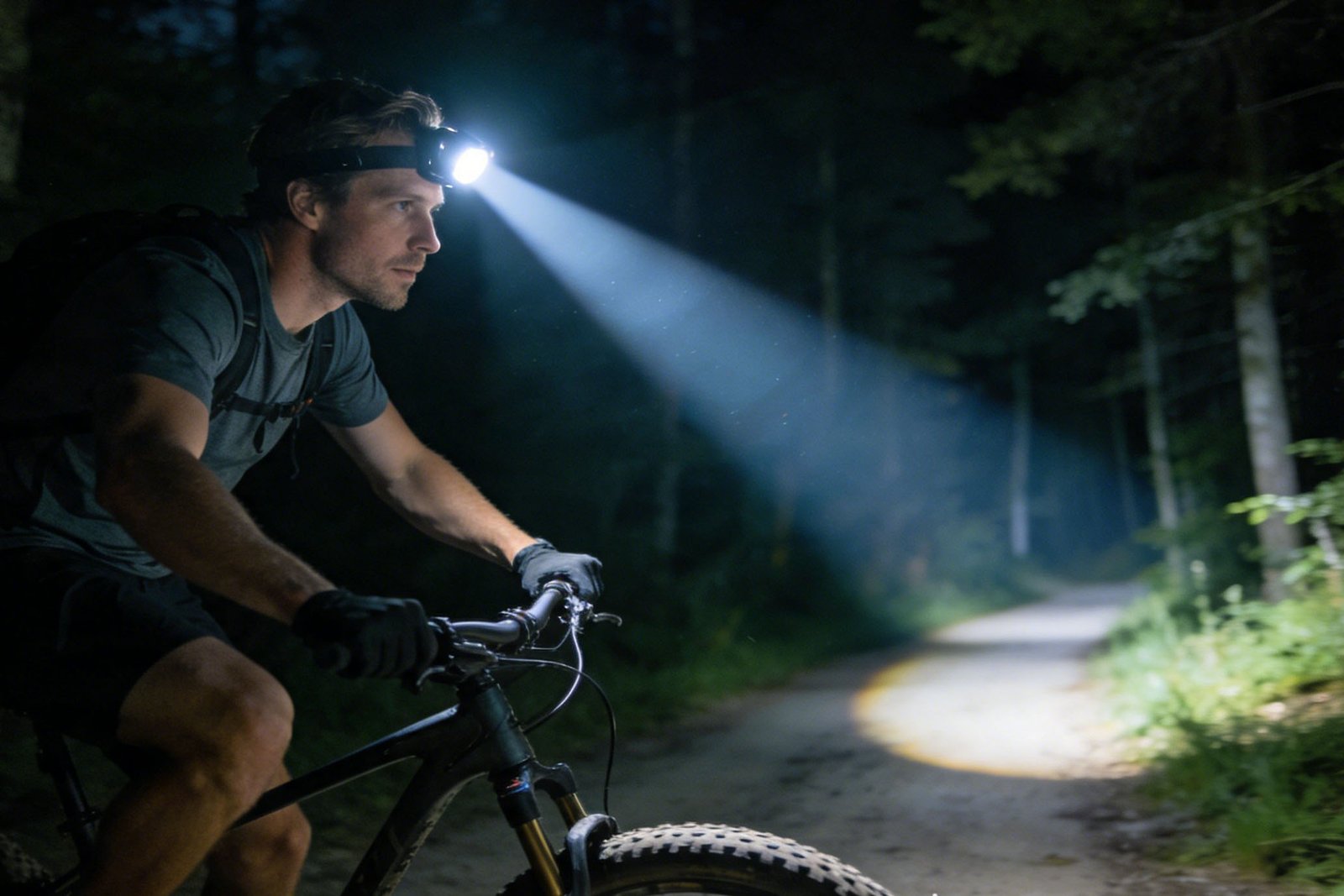
A larger battery can provide more energy. A larger optical system can provide more lighting performance. A stronger housing can improve durability.
But every additional component eventually becomes something you are carrying.
When testing products with my children, comfort is especially easy to notice. Kids move quickly, turn their heads, run ahead, stop suddenly, and generally don't care about keeping a headlamp perfectly positioned.
A headlamp that moves around too much can quickly become annoying.
This is why headband design, balance, front-to-back weight distribution, and overall dimensions are all part of the product design process.
Rain Is Usually When IP Ratings Stop Being Just Numbers
Outdoor testing has a simple way of reminding you which specifications actually matter.
It starts raining.
Water resistance becomes much more meaningful when the weather changes from a specification on paper into something happening on the trail.
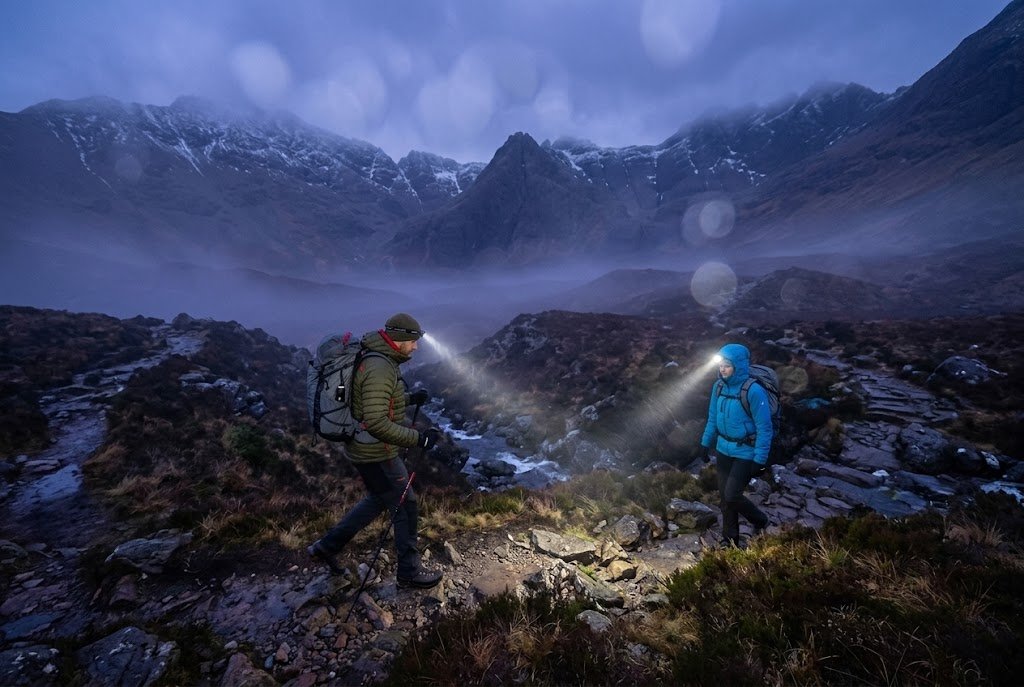
Rain, wet vegetation, sweat, mud, and accidental drops can all put additional demands on a headlamp.
The IP rating provides standardized information about protection against water and solid particles. But the overall construction also matters. Housing joints, seals, switches, charging interfaces, and the way different components are assembled all contribute to outdoor durability.
As someone working with portable lighting products, this is one area where the small details can become important.
A headlamp is not normally treated gently on a hiking trip7. It gets thrown into a backpack, taken out with wet hands, exposed to changing temperatures, and sometimes dropped on the ground.
Real outdoor use is a good reminder that durability is part of the lighting experience too.
Red Light Is One of Those Features You Understand Later
I used to think of red light as one of those secondary headlamp features.
Then you spend a night camping with two children.
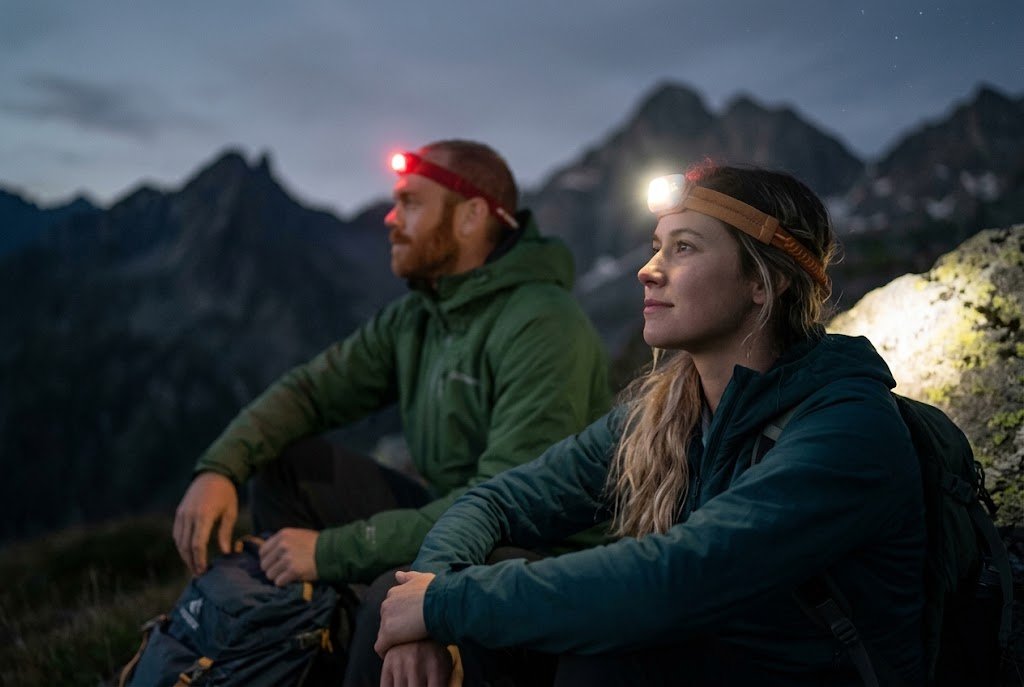
Red light can be surprisingly useful when the goal is to see what is immediately around you without filling the entire campsite with bright white light.
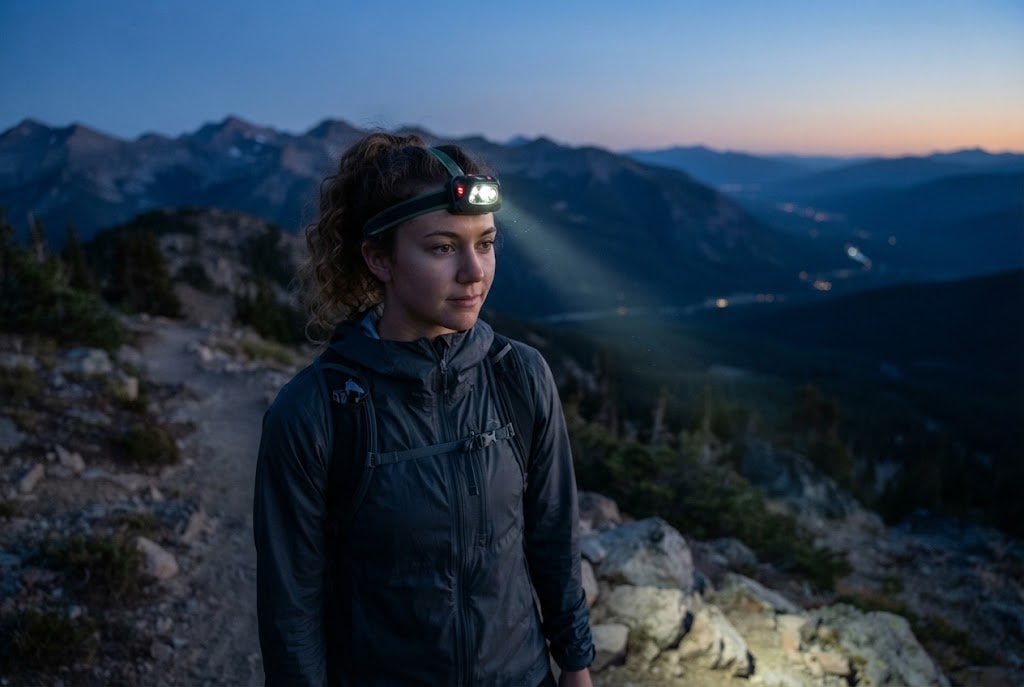
Checking a map, looking through a backpack, finding something inside a tent, or walking around camp can often be done without a powerful white beam.
Red light can provide a lower-impact lighting option for these close-range situations and may be less disruptive to dark adaptation than bright white light8.
It is a relatively small feature, but it is a good example of how a product can become more useful when its design considers different activities rather than only maximum brightness.
Rechargeable or Replaceable Batteries?
This is another question where actual usage matters more than a universal answer.
For regular hiking, rechargeable batteries can be convenient. Charge the headlamp before leaving, put it in the backpack, and it is ready to go.
For a longer trip away from power, having a spare battery or replaceable battery system can provide another layer of flexibility.
The more useful battery configuration depends on the trip, charging conditions, expected runtime, and how much additional weight you are comfortable carrying.
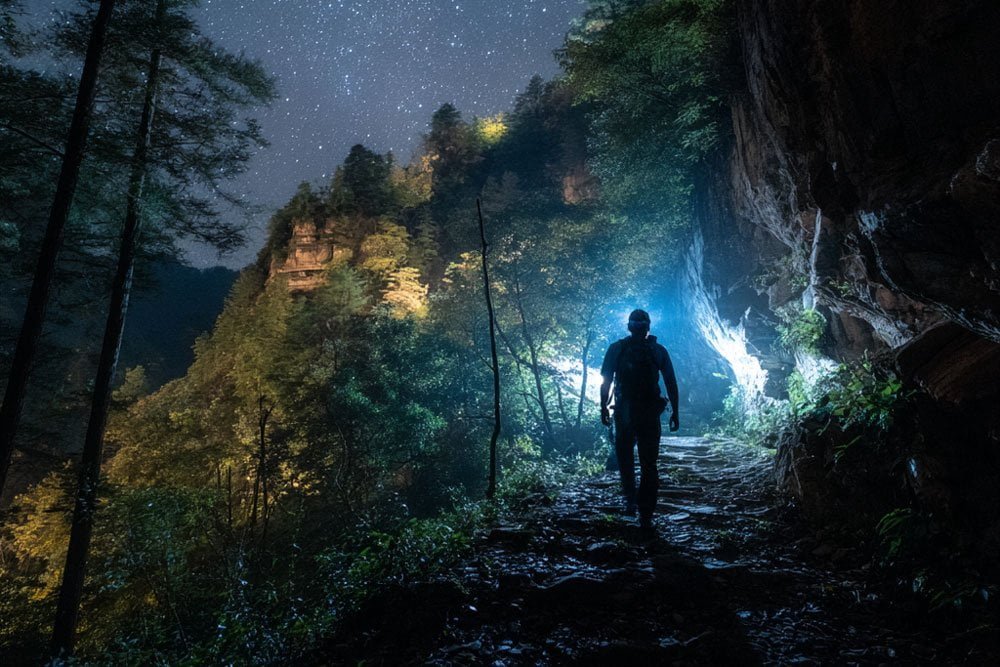
There is also a product-design trade-off here. Increasing battery capacity can extend runtime, but the battery itself takes up space and adds weight.
This is one of those decisions that looks simple on a specification sheet but becomes more interesting when all the components have to fit together inside a small headlamp.
What I Look for After Testing a Headlamp Outdoors
After working with portable lighting for years, I have become less interested in asking whether a headlamp has an impressive specification and more interested in how all of its specifications work together.
The real test is what happens when the headlamp leaves the specification sheet and becomes part of an actual evening outdoors.
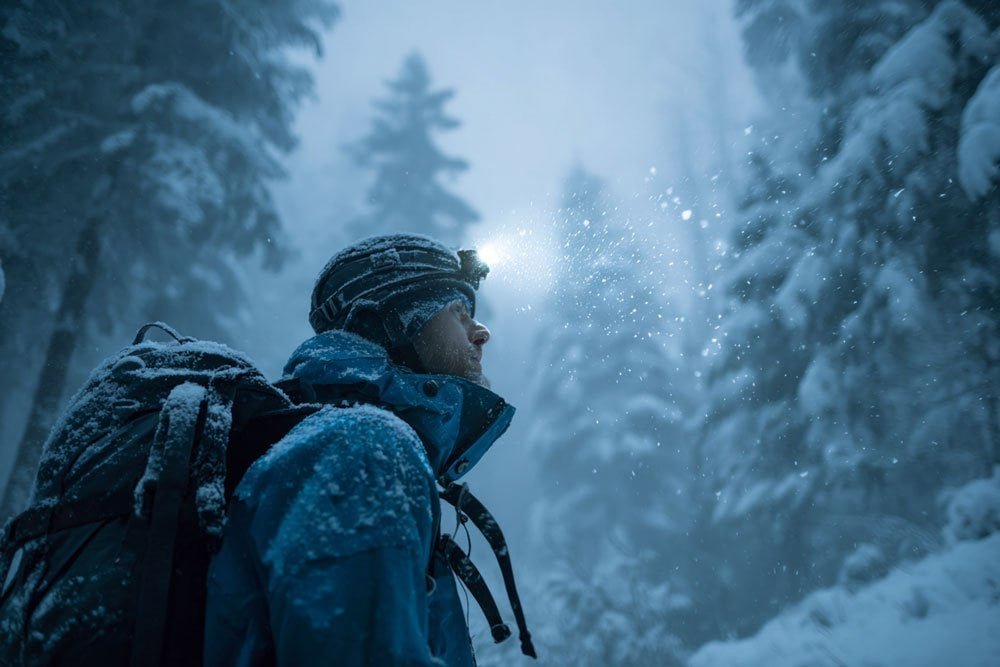
Can the light illuminate the ground comfortably?
Can it provide enough reach when the trail becomes darker?
Is there a useful low mode for close-range activities?
Does the battery last for the type of trip it is designed for?
Does the headlamp stay comfortable after several hours?
Can it handle rain and normal outdoor handling?
These are not separate questions. They are connected.
From a manufacturer's perspective, this is what makes portable lighting interesting. The LED, optics, driver, battery, thermal structure, housing, controls, and mechanical components all have to work as one system.
Increasing one specification can also affect another. More output can mean more heat and power consumption. More battery capacity can mean more weight. A stronger optical system can change the size and balance of the product.
The final product is therefore the result of balancing these factors rather than maximizing one number.
Choosing Based on How You Actually Hike
After testing different products in different environments, I don't think there is one specification that can define the ideal hiking headlamp for everyone.
A short evening walk around a campground is a very different situation from a six-hour mountain hike. Hiking with children, I have found that the small details often become the most noticeable ones.
The brightest light isn't necessarily the one we use most. The largest battery isn't necessarily the most convenient. And the longest beam isn't always what we want around a campsite.
A good hiking headlamp is ultimately a combination of many small design decisions—decisions that only really make sense when you consider where, how, and for how long the light will be used.
That is also how we approach portable lighting development at Kovalite: not starting with a number and building a product around it, but looking at the actual situation first and then working through the LED, optics, electronics, battery, thermal management, housing, and mechanical design to make the whole system work together.
"Nighttime Glare and Driving Performance: Research Findings", https://www.nhtsa.gov/sites/nhtsa.gov/files/811043.pdf. Research indicates that lumen output alone does not determine the effectiveness of lighting; factors such as beam distribution and runtime significantly influence user experience and satisfaction. Evidence role: mechanism; source type: paper. Supports: A higher lumen output can provide more illumination, but how that light is distributed and how long it can be maintained are equally important.. Scope note: The findings may not apply universally to all lighting products or user scenarios. ↩
"Lighting Design: Techniques to Transform Interior Spaces", https://marymount.edu/blog/lighting-design-techniques-to-transform-interior-spaces/. Research in lighting design indicates that beam pattern significantly affects visibility and user experience in various environments, supporting the importance of beam characteristics in headlamp design. Evidence role: mechanism; source type: paper. Supports: A headlamp that spreads light widely and one that concentrates light farther ahead can create very different experiences.. Scope note: The findings may not apply to all lighting scenarios or user preferences. ↩
"The Physics of Light -- Light Beams", https://www.pa.uky.edu/sciworks/courses/light/beam3.htm. Studies show that beam distance is influenced by optical design and light distribution, not just lumen output, highlighting the importance of optical engineering in lighting products. Evidence role: mechanism; source type: paper. Supports: Beam distance depends not only on how much light is produced, but also on how effectively the optical system directs that light.. Scope note: The support is based on general principles of optics and may not reflect all headlamp designs. ↩
"Adaptive Lighting in Outdoor Security Applications", https://cltc.ucdavis.edu/publication/adaptive-lighting-outdoor-security-applications. Research indicates that variable output levels in lighting devices enhance usability and adaptability in different environments, improving user experience. Evidence role: statistic; source type: paper. Supports: A headlamp with several useful output levels can adapt to these changing situations without requiring maximum brightness all the time.. Scope note: The findings may not be universally applicable to all types of headlamps or user preferences. ↩
""An Analysis of Charging Practices and their Impact on Battery ...", https://scholars.indianastate.edu/etds/14/. User experience studies show that battery performance becomes a critical factor in real-world usage scenarios, affecting user satisfaction and product reliability. Evidence role: case_reference; source type: paper. Supports: Battery specifications can seem abstract when you are sitting at a desk.. Scope note: The support is based on anecdotal evidence and may not represent all user experiences. ↩
"Nighttime Glare and Driving Performance: Research Findings", https://www.nhtsa.gov/sites/nhtsa.gov/files/811043.pdf. Research indicates that weight distribution and comfort are critical factors in wearable lighting devices, influencing user satisfaction and usability during extended use. Evidence role: mechanism; source type: paper. Supports: weight distribution and stability can matter almost as much as total weight.. Scope note: The findings may not apply to all headlamp designs or user preferences. ↩
"Nighttime Glare and Driving Performance: Research Findings", https://www.nhtsa.gov/sites/nhtsa.gov/files/811043.pdf. Research indicates that outdoor gear is often subjected to harsh conditions, which can affect durability and performance, highlighting the importance of robust design in headlamps. Evidence role: general_support; source type: paper. Supports: A headlamp is not normally treated gently on a hiking trip.. Scope note: The findings may not apply to all types of outdoor gear or user scenarios. ↩
"Light and Dark Adaptation by Michael Kalloniatis ...", https://www.webvision.pitt.edu/book/part-viii-psychophysics-of-vision/light-and-dark-adaptation/. Studies suggest that red light is less disruptive to night vision and can be beneficial in preserving dark adaptation, particularly in low-light environments. Evidence role: statistic; source type: paper. Supports: Red light can provide a lower-impact lighting option for these close-range situations and may be less disruptive to dark adaptation than bright white light.. Scope note: The support is based on general principles of light adaptation and may not reflect all user experiences. ↩