Have you ever turned on a flashlight, only to notice its beam dimming significantly within minutes? What’s going on here, and why does this happen?
A flashlight dims after a few minutes due to factors like battery voltage drop, LED overheating, or driver circuitry adjustments. These are mechanisms aimed at protecting the flashlight or compensating for power loss.

There’s more to this than meets the eye. Let’s dive into the science behind this common phenomenon and explore ways to prevent it.
Is battery voltage drop the real culprit?
It might surprise you, but the first reason flashlights dim often lies within the battery itself.
When a flashlight operates at high brightness, batteries experience a voltage drop due to the increased power draw. This voltage drop reduces the current, causing the LED to emit less light.
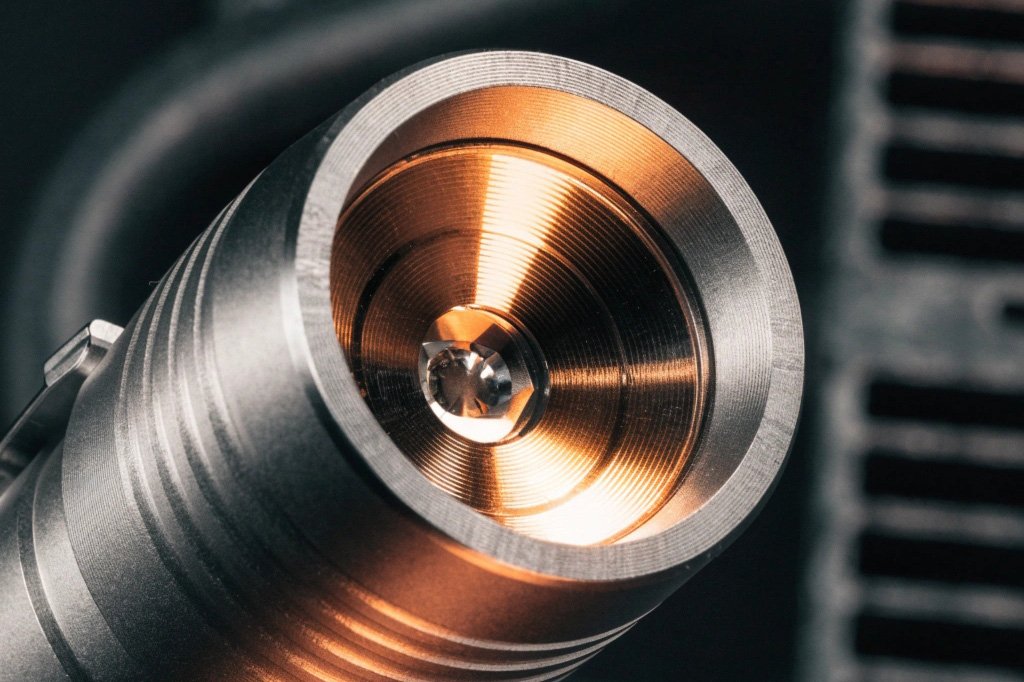
Different battery types behave differently under stress. For instance:
| Battery Type | Typical Behavior Under High Brightness |
|---|---|
| Alkaline (AA/AAA) | Rapid voltage drop, especially in high-drain applications. |
| Lithium-ion | Better performance, but voltage drops as energy depletes, especially if the battery ages. |
Even batteries with large capacities may not sustain brightness if their discharge rate doesn’t match the flashlight’s needs. The takeaway? Choosing the right battery for your flashlight makes all the difference.
Could overheating be the reason your flashlight dims?
When your flashlight dims unexpectedly, heat could be the silent instigator.
LEDs produce heat during operation, and if flashlights don’t manage this heat effectively, they may reduce brightness to prevent damage to the LED and electronic components.
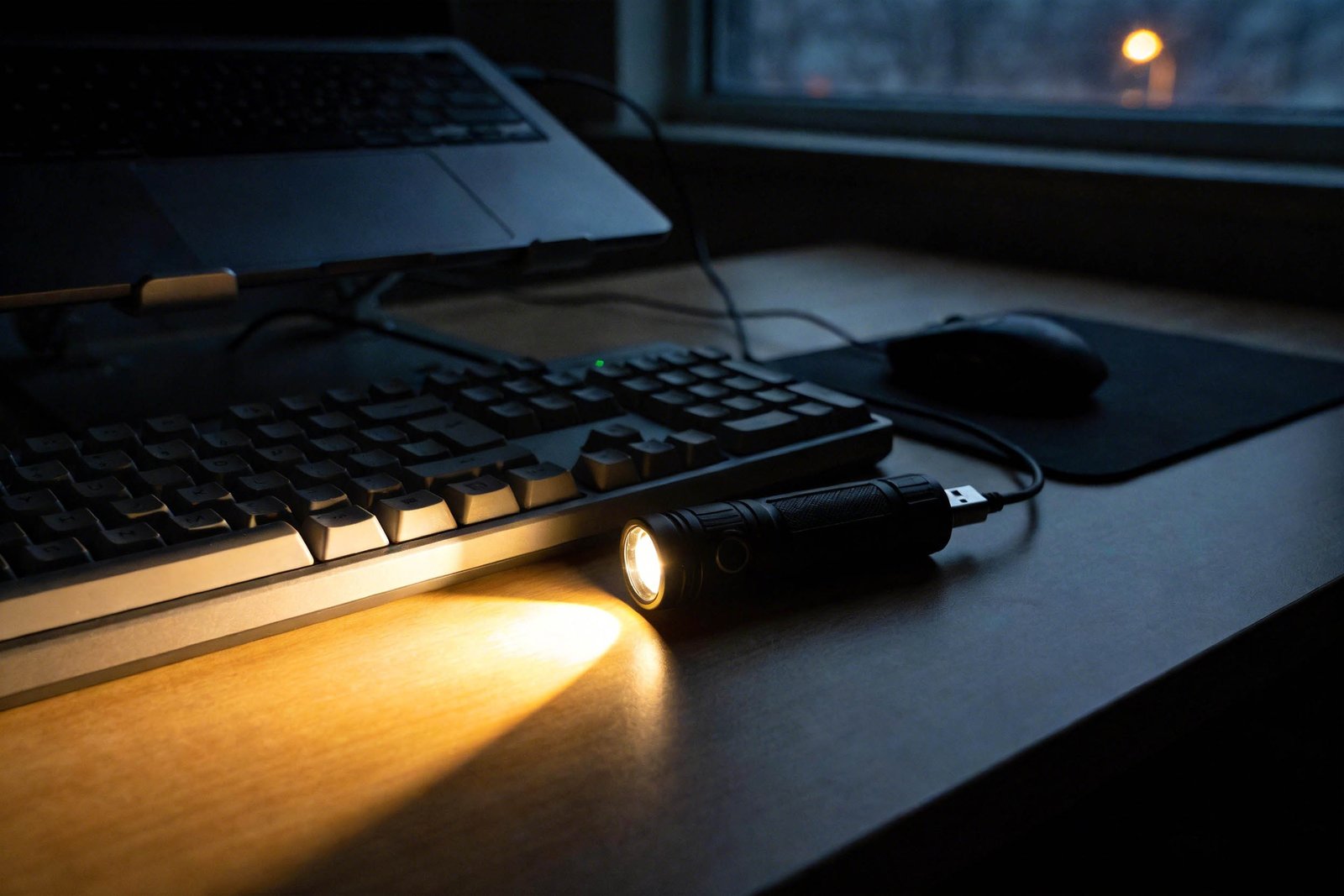
This issue is especially visible in compact high-power flashlights1 that have limited space for heat dissipation. Consider these two scenarios:
- Compact Flashlights (EDC): They tend to overheat quickly due to smaller internal surfaces for heat transfer.
- Larger Flashlights: These are equipped with better heat dissipation designs, allowing longer sustained brightness.
Overheating doesn’t mean your flashlight is broken—it’s often a safety feature. However, repetitive overheating may indicate a poorly designed heat-management system.
What role does the driver circuitry play?
The inner workings of a flashlight’s driver circuitry are more important than you might think.
Driver circuits stabilize LED performance by controlling current and power. However, they may adjust brightness to maintain efficiency or protect the flashlight from damage under stress.
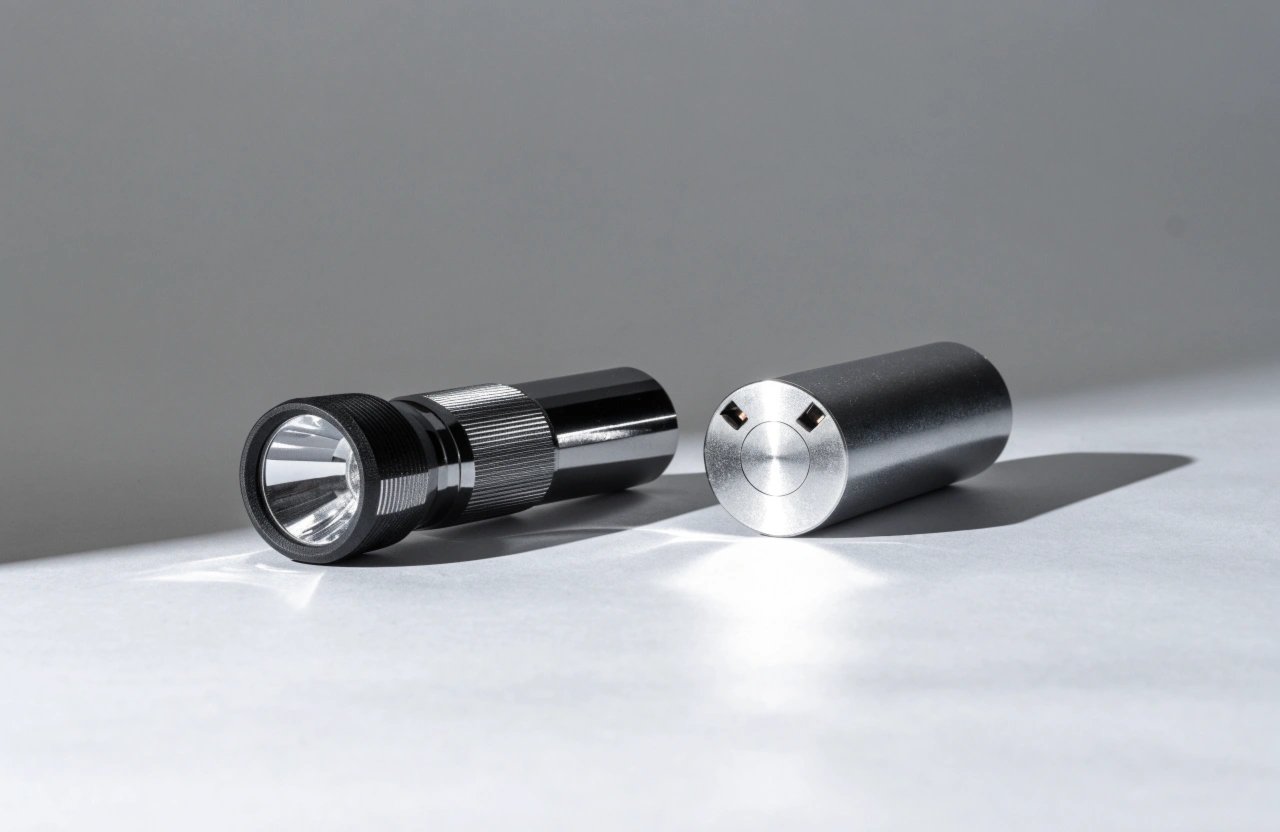
Here’s a simplified comparison of common driver types:
| Driver Type | Behavior Under Low Battery Voltage |
|---|---|
| Simple Drivers | Brightness decreases directly as voltage drops. |
| Constant Current Drivers | Maintains brightness longer but dims when voltage becomes critically low. |
This explains why identical flashlights may perform differently based on the driver used. Choosing flashlights with advanced driver circuitry often ensures steadier brightness over time.
Why do flashlights dim even when battery levels seem adequate?
At first glance, it seems odd that flashlights dim when batteries still have capacity.
This usually happens due to proactive safety mechanisms like heat reduction or battery protection, which temporarily limit performance to prevent long-term damage.
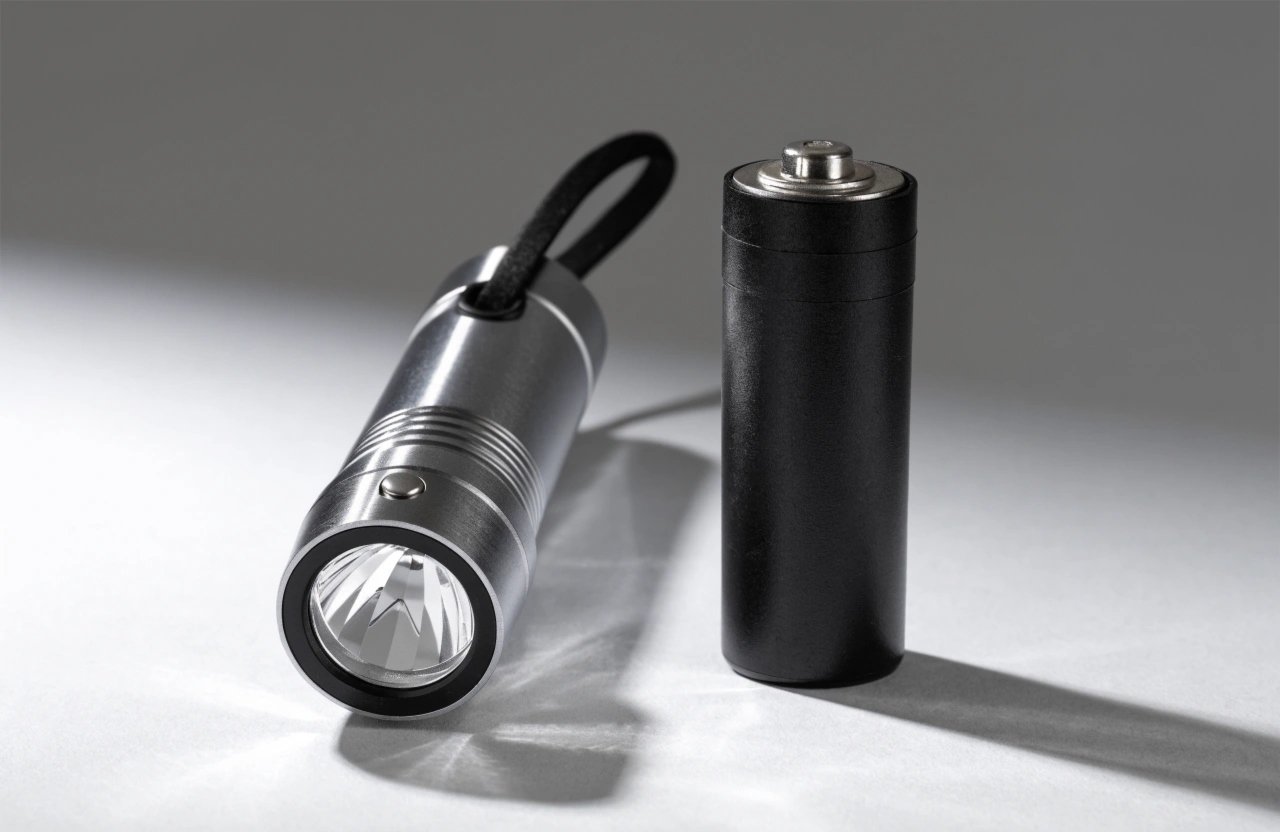
For example:
- Heat Reduction: Once the flashlight cools down after being turned off briefly, brightness may return.
- Battery Recovery: Batteries sometimes recover voltage momentarily after resting, making the flashlight seem brighter on restart.
Observing patterns—does your flashlight heat up every time it dims? Or does it dim sooner with older batteries?—can pinpoint the exact cause.
What should manufacturers prioritize for better flashlight designs?
As a manufacturer, creating a flashlight that sustains brightness requires balancing several factors.
Optimal flashlight design must align LED power, battery capacity, driver circuitry, and heat management to meet user needs without compromising durability or performance.
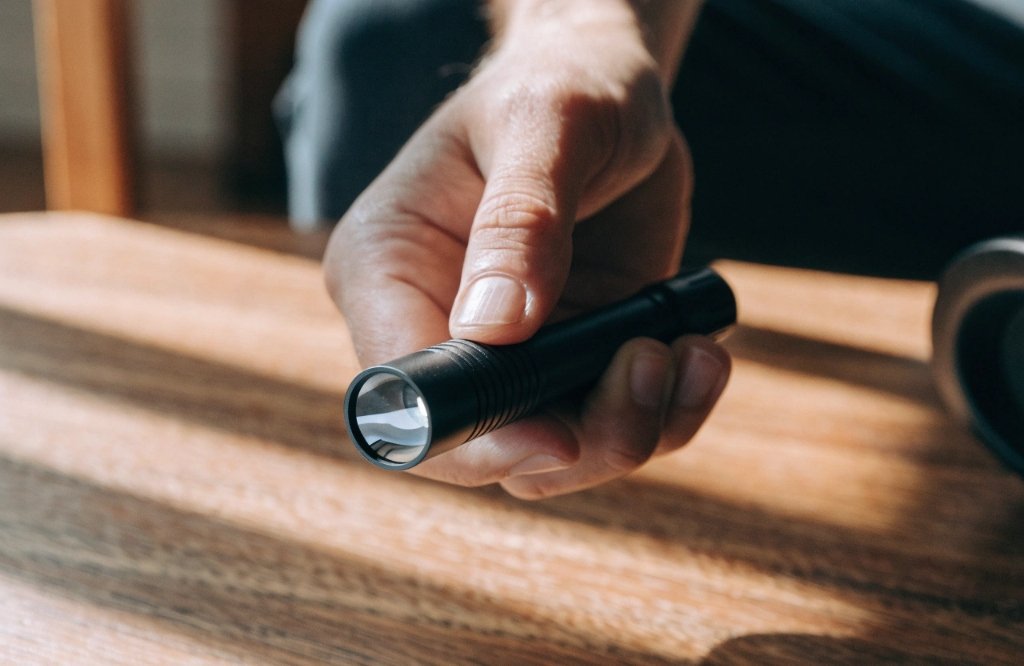
Key considerations include:
- Matching LED power to battery output: A high-powered LED needs batteries capable of consistent high-current discharge.
- Efficient heat dissipation: Materials like aluminum and clever engineering can mitigate overheating.
- Smart driver settings: Adaptive brightness levels allow users to balance performance and longevity.
Ultimately, flashlights need to be tailored—for outdoor adventurers, repair technicians, and casual home users—to match different demands.
How can you prevent your flashlight from dimming prematurely?
If you’re seeing dimming problems too often, there are steps you can take.
Avoid long-term high-brightness usage, choose suitable batteries, and ensure your flashlight’s heat management system works properly to minimize dimming issues.

Practical tips:
- Use medium brightness settings for routine tasks to conserve energy and reduce heat.
- Stick to manufacturer-recommended batteries for optimal performance.
- Keep the flashlight’s cooling components unobstructed during use.
- Monitor for abnormal behaviors like flickering or overheating, which may signal deeper issues.
These everyday habits can save you from frustration and extend your flashlight’s lifespan.
Conclusion
Flashlights dimming after a few minutes isn’t always a sign of poor quality. Battery behavior, heat management, and driver circuitry all play a role in balancing brightness and safety. By understanding these factors, you can choose and use flashlights more effectively, ensuring reliable illumination when you need it most.
"Flashlight recommendations for compact variety", https://www.facebook.com/groups/everythingstagelighting/posts/2479045792297844/. Studies indicate that compact high-power devices often face challenges in heat dissipation, affecting their performance and longevity. Evidence role: case_reference; source type: paper. Supports: This issue is especially visible in compact high-power flashlights that have limited space for heat dissipation.. Scope note: The source discusses general issues with compact devices but may not focus specifically on flashlights. ↩