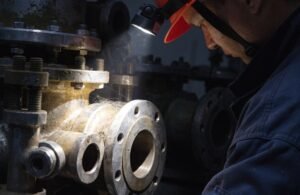
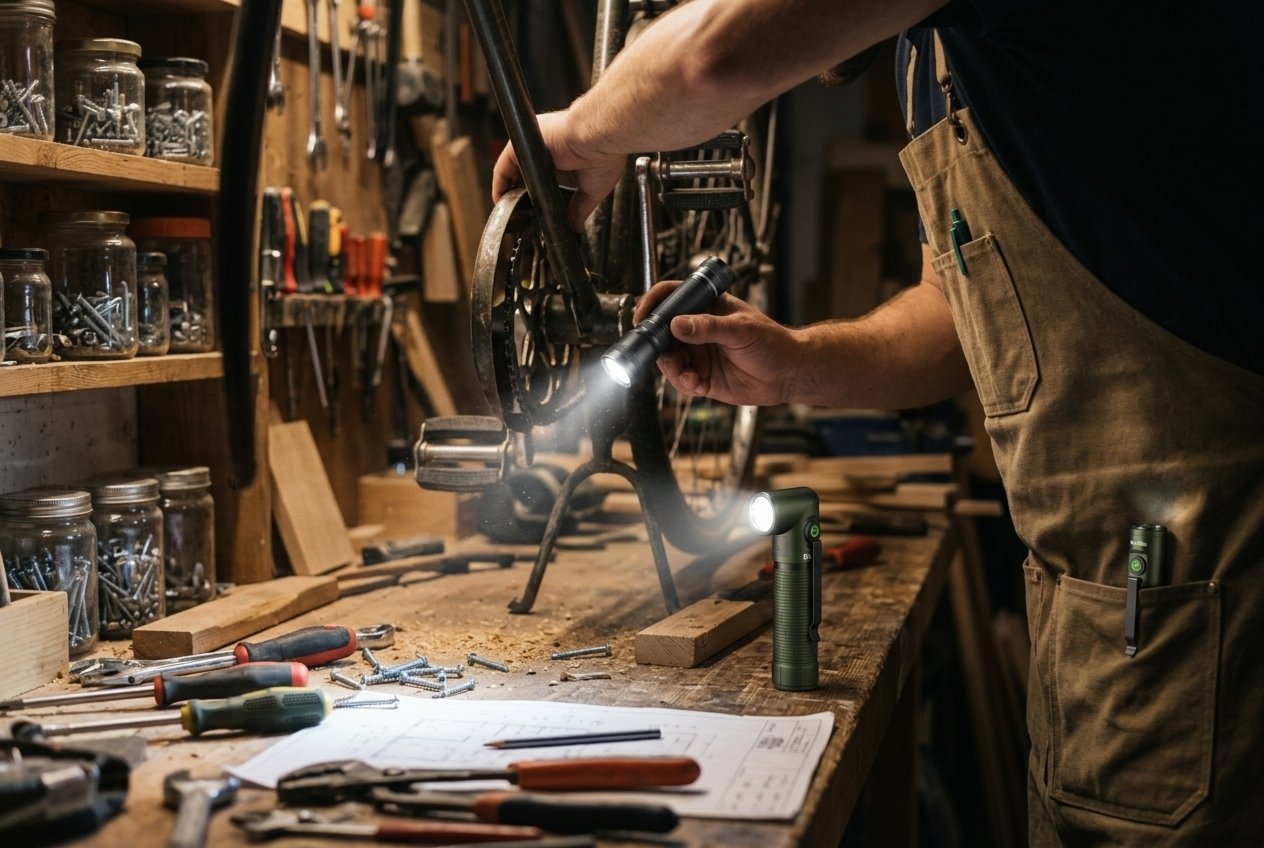
When working on DIY projects at home, lighting is an often overlooked yet crucial element. Poor lighting can slow down work efficiency or make tasks unnecessarily difficult. Whether you're fixing appliances, assembling furniture, or troubleshooting plumbing under the sink, a magnetic flashlight can be priceless. It attaches to metallic surfaces, freeing up your hands for the tools and tasks at hand. But how do you choose the right one?
In DIY projects, the best magnetic flashlight combines strong magnetism, adjustable brightness, versatile features, and durable build quality to ensure ease and efficiency during various tasks.
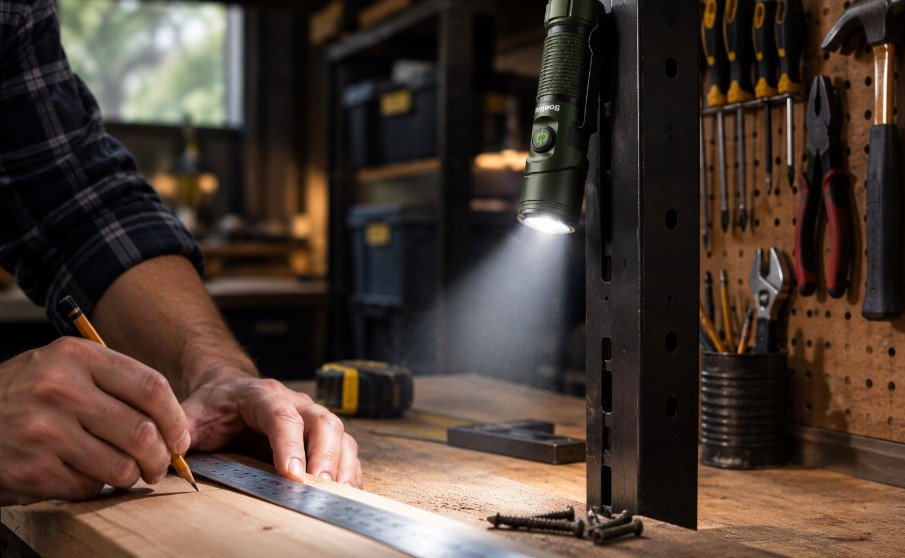
Let's dive deeper into each consideration, so you can make an informed choice.
How important is your working environment for flashlight selection?
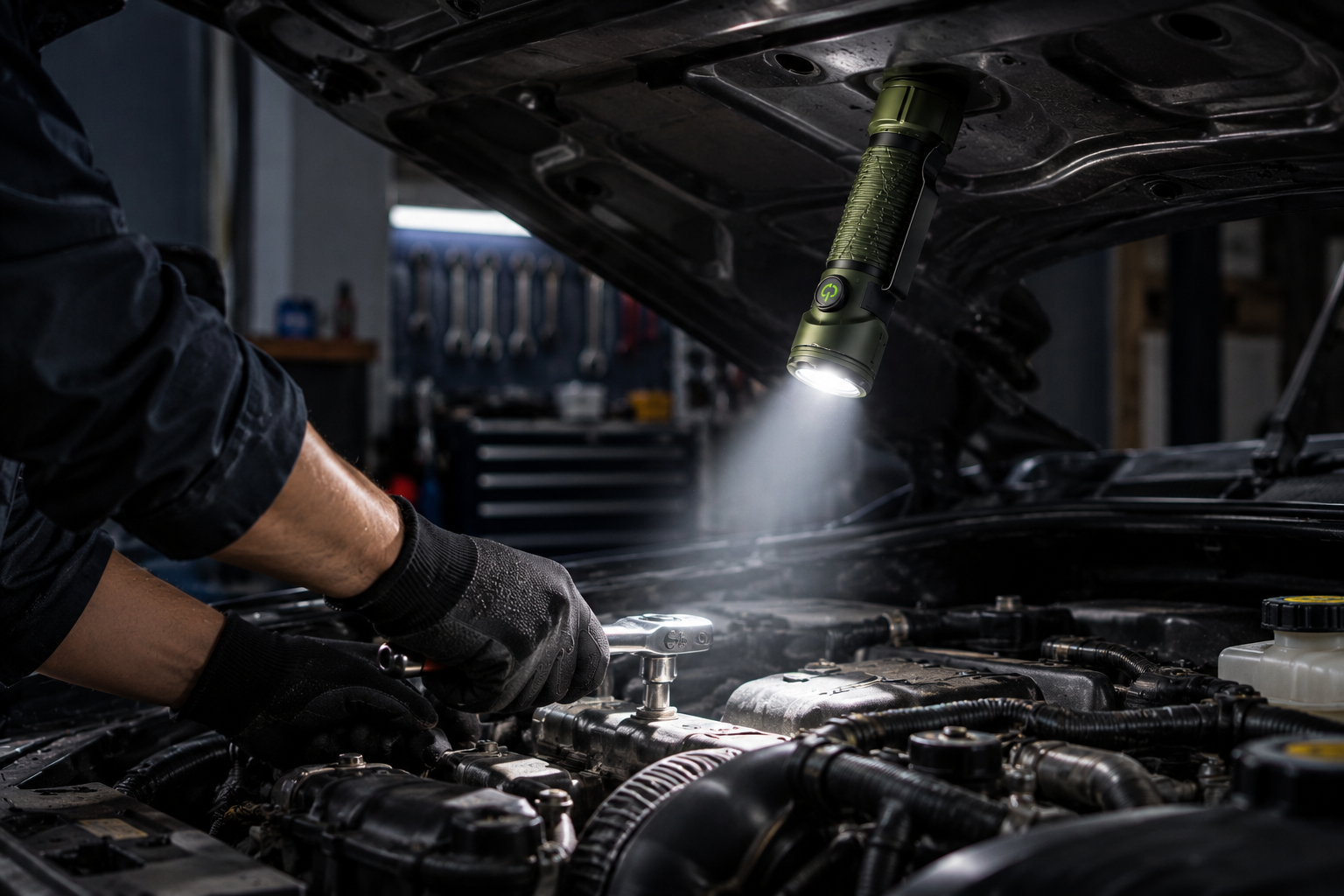
Lighting needs differ based on where and how you're working. Spaces like beneath an engine hood or workshop areas may have abundant metallic surfaces, while wooden or plastic environments may not.
For metallic environments, magnetic flashlights with strong magnets are ideal for stable, hands-free lighting. For non-metallic areas, opt for flashlights with hooks, stands, or foldable designs for flexibility.
Dive deeper into working scenarios:
Different DIY tasks require varying levels of flexibility and stability. For automotive repairs, look for flashlights with stronger magnets and adjustable angles. For home repairs like plumbing inspections, prioritize portability and ease of detachment to move the light frequently. For woodworking, select models with additional support mechanisms like stands for non-metallic environments.
| DIY Task | Ideal Magnetic Flashlight Features | Additional Support Needed |
|---|---|---|
| Automotive Repair | Strong magnets, rotatable light head, compact design | No |
| Plumbing Work | Portable, easy to detach, medium brightness | No |
| Woodworking | Foldable stand, wide light coverage | Yes |
Should you prioritize higher brightness?
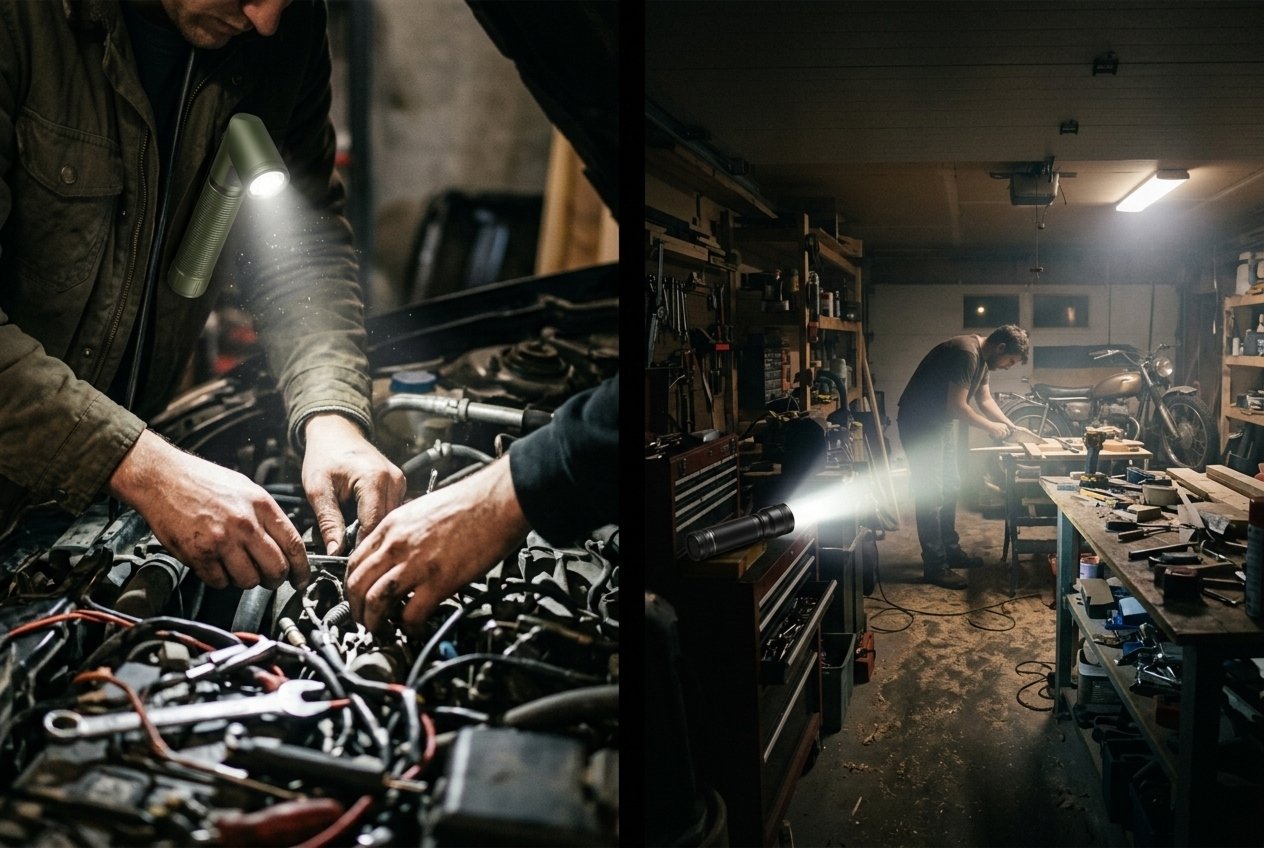
Brightness is important, but more isn't always better. The effectiveness of light depends on distance, beam type, and surface reflection, not just lumen count.
For close-range tasks like fixing electronics, medium brightness reduces glare. For larger areas, opt for adjustable brightness levels to adapt to varying needs.
Dive deeper into brightness selection:
Over-bright lights can cause glare, especially on shiny surfaces. For detailed tasks, select flashlights offering lower-lumen settings for clarity without strain. For garages or basements, medium to high lumen options with wide beam coverage work effectively. Always check advertised brightness for real-world usage as battery life at peak brightness tends to decline quickly.
| DIY Setting | Ideal Brightness (Lumens) | Features to Look For |
|---|---|---|
| Electronics Repairs | 100-300 lumens | Anti-glare coating |
| Garage Maintenance | 300-700 lumens | Multiple brightness modes |
| Plumbing (Dark Spaces) | 700+ lumens | Focused beams |
Spotlight, floodlight, or both?
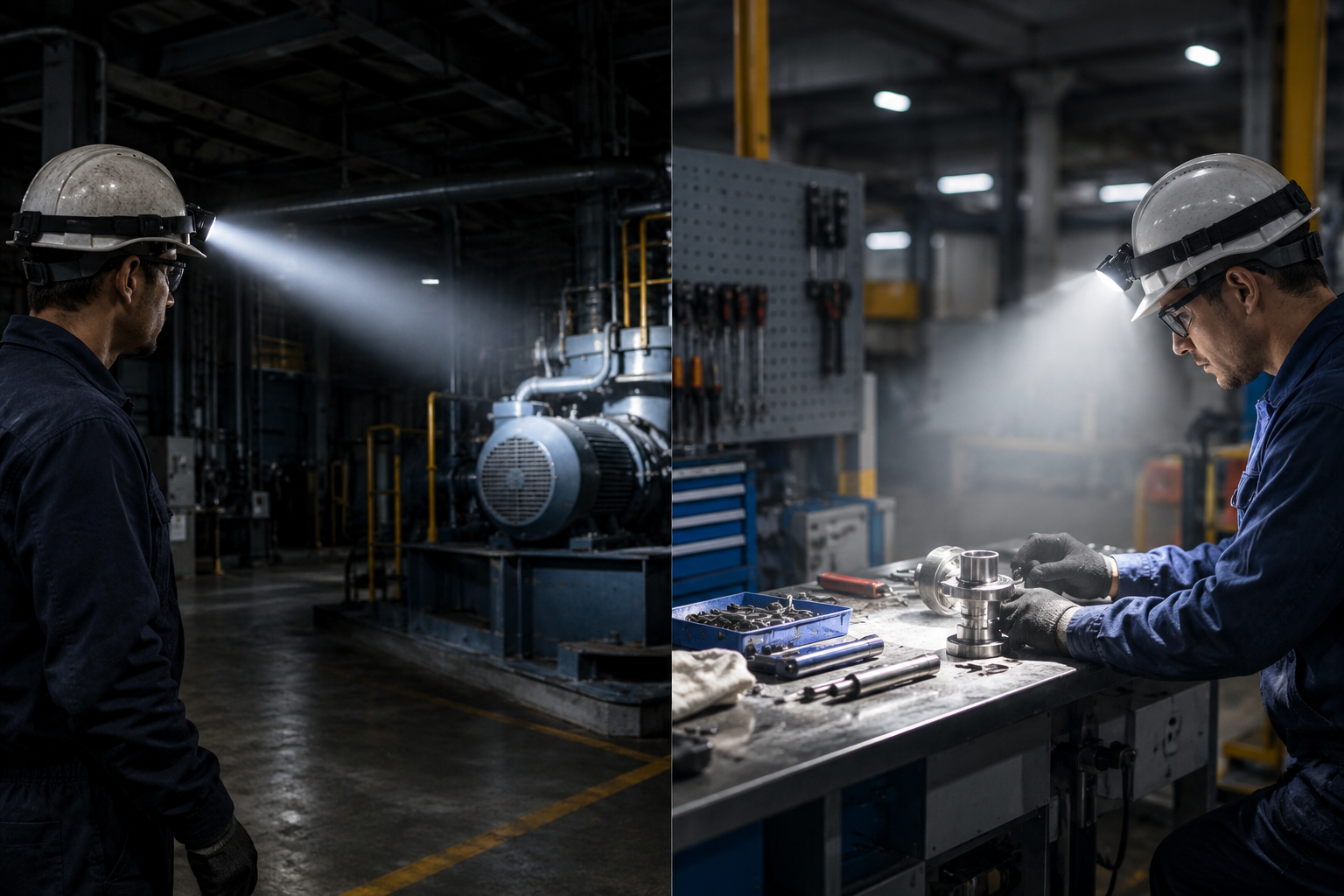
A flashlight's beam type greatly affects its usability. Spotlights focus on a small area, while floodlights evenly illuminate broader spaces.
For intricate tasks like narrow inspections, spotlights excel. For general workspace lighting, floodlights provide better coverage. Hybrid models offer versatility for multitasking.
Dive deeper into beam types:
The choice between spotlight and floodlight depends on your usual DIY tasks. If you often inspect internal components of machines, a narrow spotlight is useful. For hammering nails or assembling furniture, floodlights minimize the need to adjust the flashlight's position repeatedly. Hybrid models save time and suit dynamic tasks.
| Beam Type | Best For | Limitations |
|---|---|---|
| Spotlight | Precision tasks, narrow areas | Limited coverage |
| Floodlight | General lighting, wide areas | Reduced beam intensity |
| Hybrid | Multitasking, dynamic tasks | Slightly bulkier |
Is the flashlight design crucial?
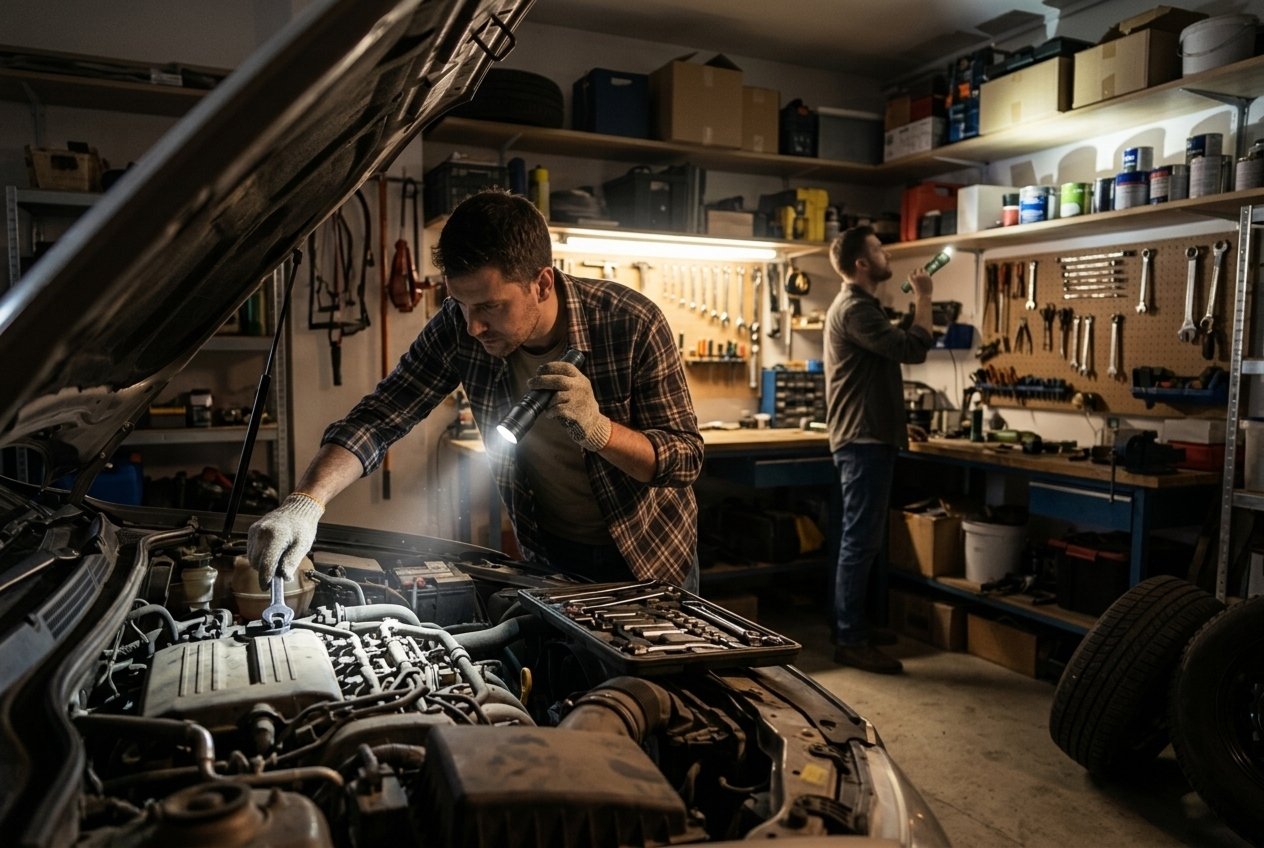
A magnetic flashlight’s design impacts how easily it adjusts to your needs. Fixed designs can limit light direction and coverage.
Choose models with adjustable angles, rotatable heads, or foldable designs to mitigate shadows and maximize light efficiency.
Dive deeper into design considerations:
DIY tasks often involve odd angles and confined spaces. Flashlights with multi-directional pivot points or rotatable heads are ideal for positioning light precisely. Compact designs are also advantageous for storage and portability. Consider magnetic placements like tail magnets for vertical use or side magnets for horizontal use.
| Design Feature | Benefits | Suitable For |
|---|---|---|
| Rotatable Head | Precise light direction | Automotive repairs |
| Foldable Design | Flexible storage, multipurpose use | Home repairs |
| Side/Tail Magnets | Adjustable installations | Tight spaces |
How crucial is battery life?
Nothing disrupts a DIY session faster than a flashlight running out of power. Battery capacity determines its runtime and reliability in long projects.
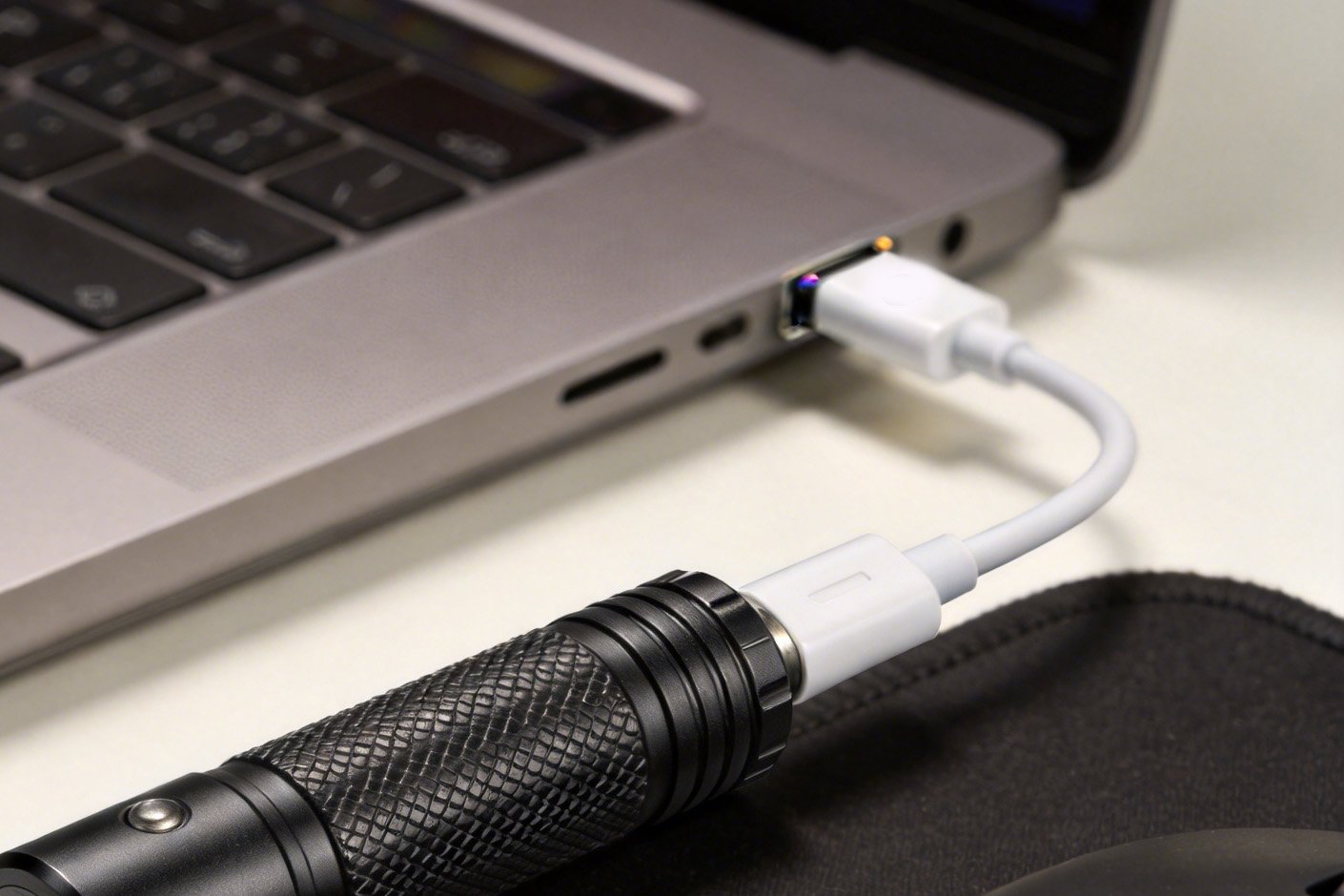
Look for rechargeable flashlights with USB-C ports. Check runtime at medium brightness levels for sustained use.
Dive deeper into battery options:
For occasional repairs, flashlights with 3-5 hours runtime on medium brightness are sufficient. For extended workshops or car repairs, models offering 8+ hours runtime on a single charge are better. USB-C charging is preferable for its wide compatibility, and battery status indicators ensure you’re never caught off guard.
| Work Duration | Recommended Runtime | Charging Features |
|---|---|---|
| Short (<3 hours) | 3-5 hours | Basic USB-C charging |
| Medium (3-6 hours) | 6-8 hours | Fast charging options |
| Long (>6 hours) | 8+ hours | Battery status display |
Does durability matter?
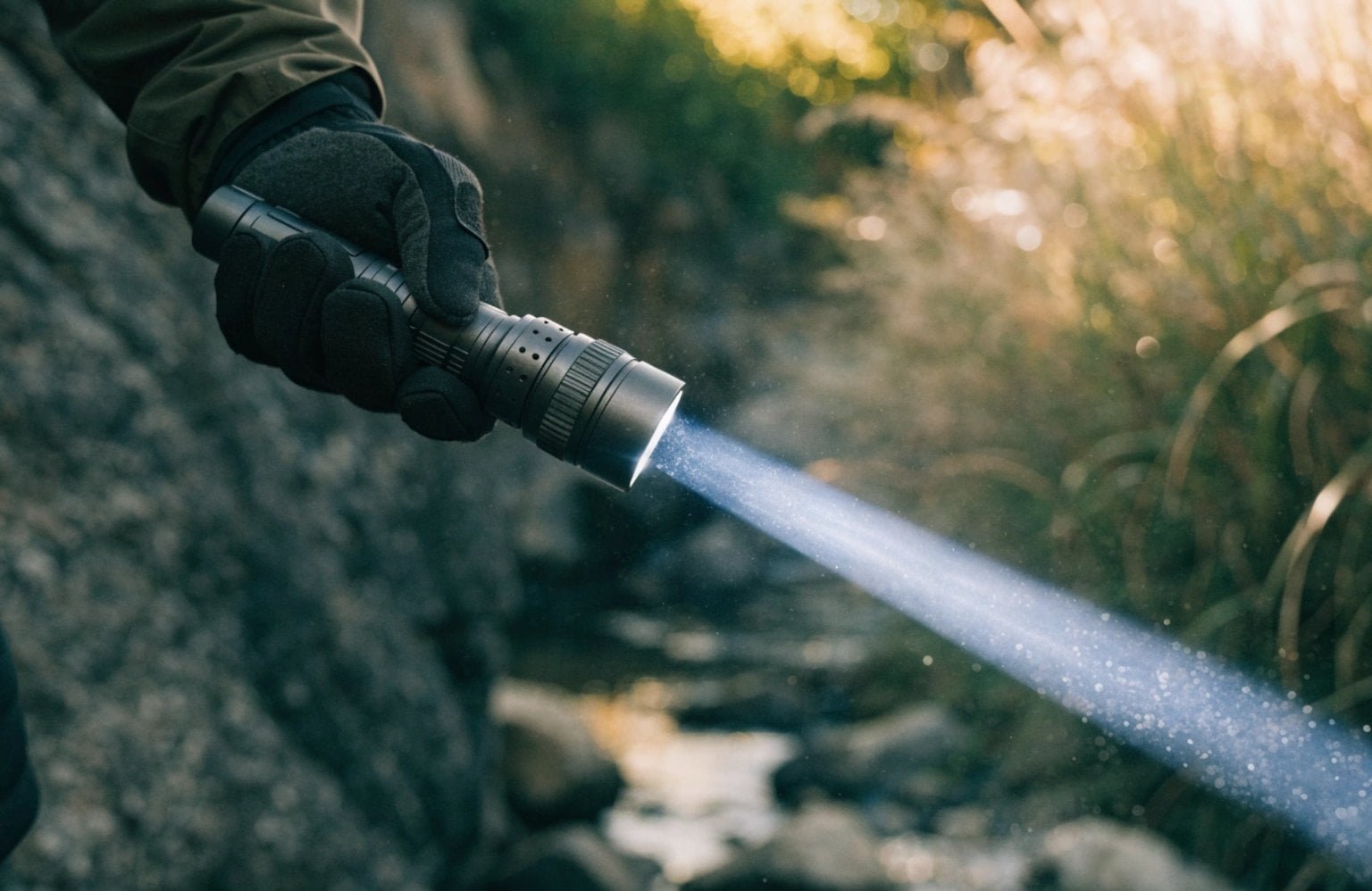
DIY environments can be demanding. Flashlights might face dust, water splashes, or accidental drops.
Select models with an IP rating for water and dust resistance. Impact-resistant designs are ideal for workshops or outdoor repairs.
Dive deeper into durability:
For car repairs or outdoor use, flashlights with IPX5 or higher ratings ensure protection against water and contamination. Impact-resistant casings prevent damage from accidental drops. Rubberized exteriors also improve grip and enhance durability against rough handling.
| Durability Feature | Protection Level | Best For |
|---|---|---|
| Water Resistance (IPX5) | Splash safety | Outdoor tasks |
| Dust Resistance (IP5X) | Dust protection | Garages, workshops |
| Impact Resistance | Drop protection (<5 ft) | Rough environments |
Conclusion
Choosing the best magnetic flashlight for DIY projects is about balancing features with specific needs. Consider your workspace, beam type, brightness levels, design flexibility, battery life, and durability. A well-chosen flashlight not only enhances your efficiency but also makes your DIY tasks safer and more enjoyable.When working on DIY projects at home, lighting is an often overlooked yet crucial element. Poor lighting can slow down work efficiency or make tasks unnecessarily difficult. Whether you're fixing appliances, assembling furniture, or troubleshooting plumbing under the sink, a magnetic flashlight can be priceless. It attaches to metallic surfaces, freeing up your hands for the tools and tasks at hand. But how do you choose the right one?
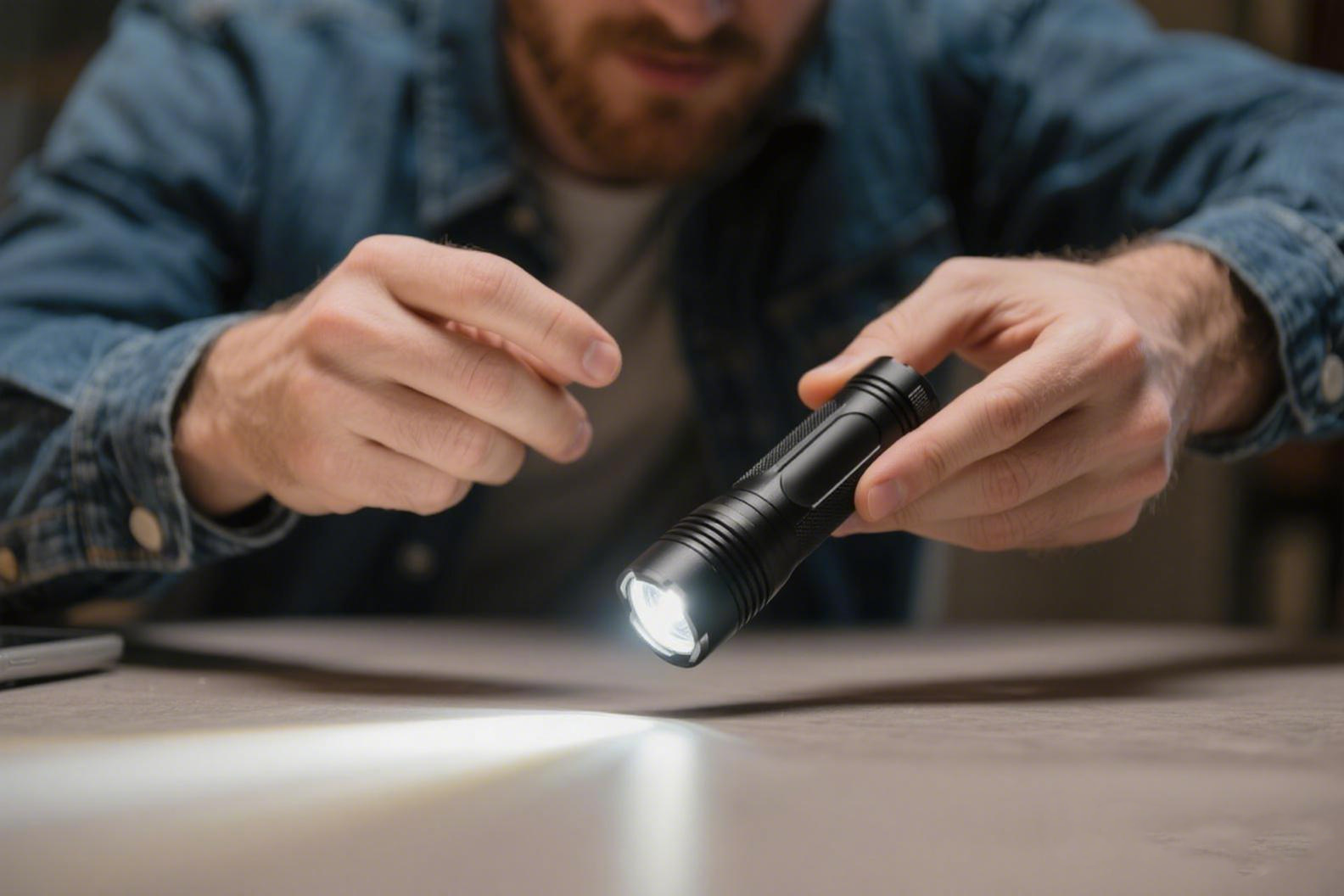
In DIY projects, the best magnetic flashlight combines strong magnetism, adjustable brightness, versatile features, and durable build quality to ensure ease and efficiency during various tasks.
Let's dive deeper into each consideration, so you can make an informed choice.
How important is your working environment for flashlight selection?
Lighting needs differ based on where and how you're working. Spaces like beneath an engine hood or workshop areas may have abundant metallic surfaces, while wooden or plastic environments may not.
For metallic environments, magnetic flashlights with strong magnets are ideal for stable, hands-free lighting. For non-metallic areas, opt for flashlights with hooks, stands, or foldable designs for flexibility.
Dive deeper into working scenarios:
Different DIY tasks require varying levels of flexibility and stability. For automotive repairs, look for flashlights with stronger magnets and adjustable angles. For home repairs like plumbing inspections, prioritize portability and ease of detachment to move the light frequently. For woodworking, select models with additional support mechanisms like stands for non-metallic environments.
| DIY Task | Ideal Magnetic Flashlight Features | Additional Support Needed |
|---|---|---|
| Automotive Repair | Strong magnets, rotatable light head, compact design | No |
| Plumbing Work | Portable, easy to detach, medium brightness | No |
| Woodworking | Foldable stand, wide light coverage | Yes |
Should you prioritize higher brightness?
Brightness is important, but more isn't always better. The effectiveness of light depends on distance, beam type, and surface reflection, not just lumen count.
For close-range tasks like fixing electronics, medium brightness reduces glare. For larger areas, opt for adjustable brightness levels to adapt to varying needs.

Dive deeper into brightness selection:
Over-bright lights can cause glare, especially on shiny surfaces. For detailed tasks, select flashlights offering lower-lumen settings for clarity without strain. For garages or basements, medium to high lumen options with wide beam coverage work effectively. Always check advertised brightness for real-world usage as battery life at peak brightness tends to decline quickly.
| DIY Setting | Ideal Brightness (Lumens) | Features to Look For |
|---|---|---|
| Electronics Repairs | 100-300 lumens | Anti-glare coating |
| Garage Maintenance | 300-700 lumens | Multiple brightness modes |
| Plumbing (Dark Spaces) | 700+ lumens | Focused beams |
Spotlight, floodlight, or both?
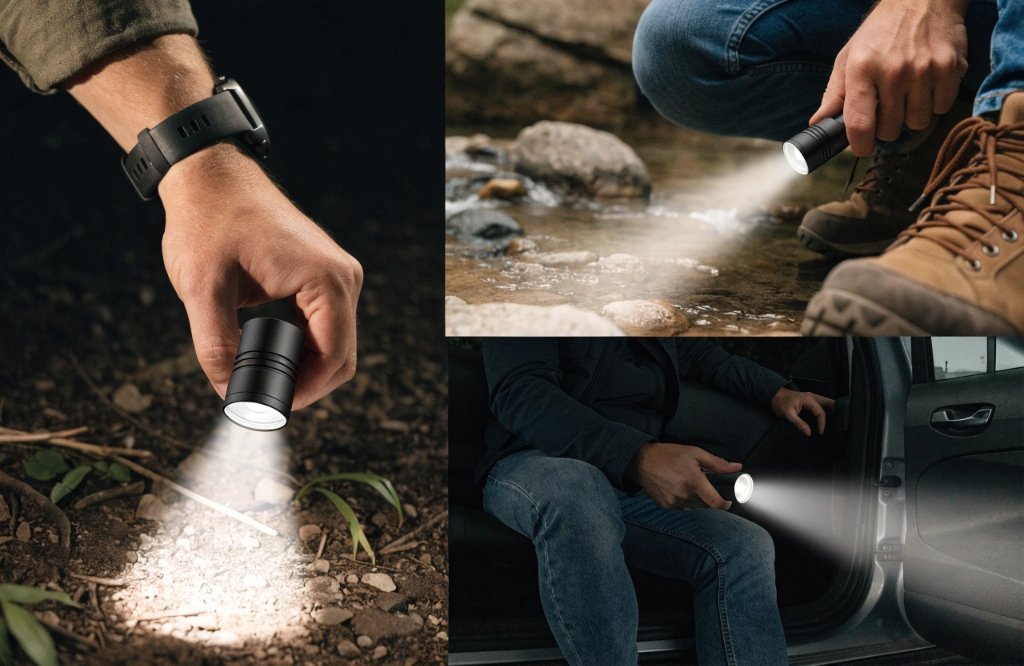
A flashlight's beam type greatly affects its usability. Spotlights focus on a small area, while floodlights evenly illuminate broader spaces.
For intricate tasks like narrow inspections, spotlights excel. For general workspace lighting, floodlights provide better coverage. Hybrid models offer versatility for multitasking.
Dive deeper into beam types:
The choice between spotlight and floodlight depends on your usual DIY tasks. If you often inspect internal components of machines, a narrow spotlight is useful. For hammering nails or assembling furniture, floodlights minimize the need to adjust the flashlight's position repeatedly. Hybrid models save time and suit dynamic tasks.
| Beam Type | Best For | Limitations |
|---|---|---|
| Spotlight | Precision tasks, narrow areas | Limited coverage |
| Floodlight | General lighting, wide areas | Reduced beam intensity |
| Hybrid | Multitasking, dynamic tasks | Slightly bulkier |
Is the flashlight design crucial?
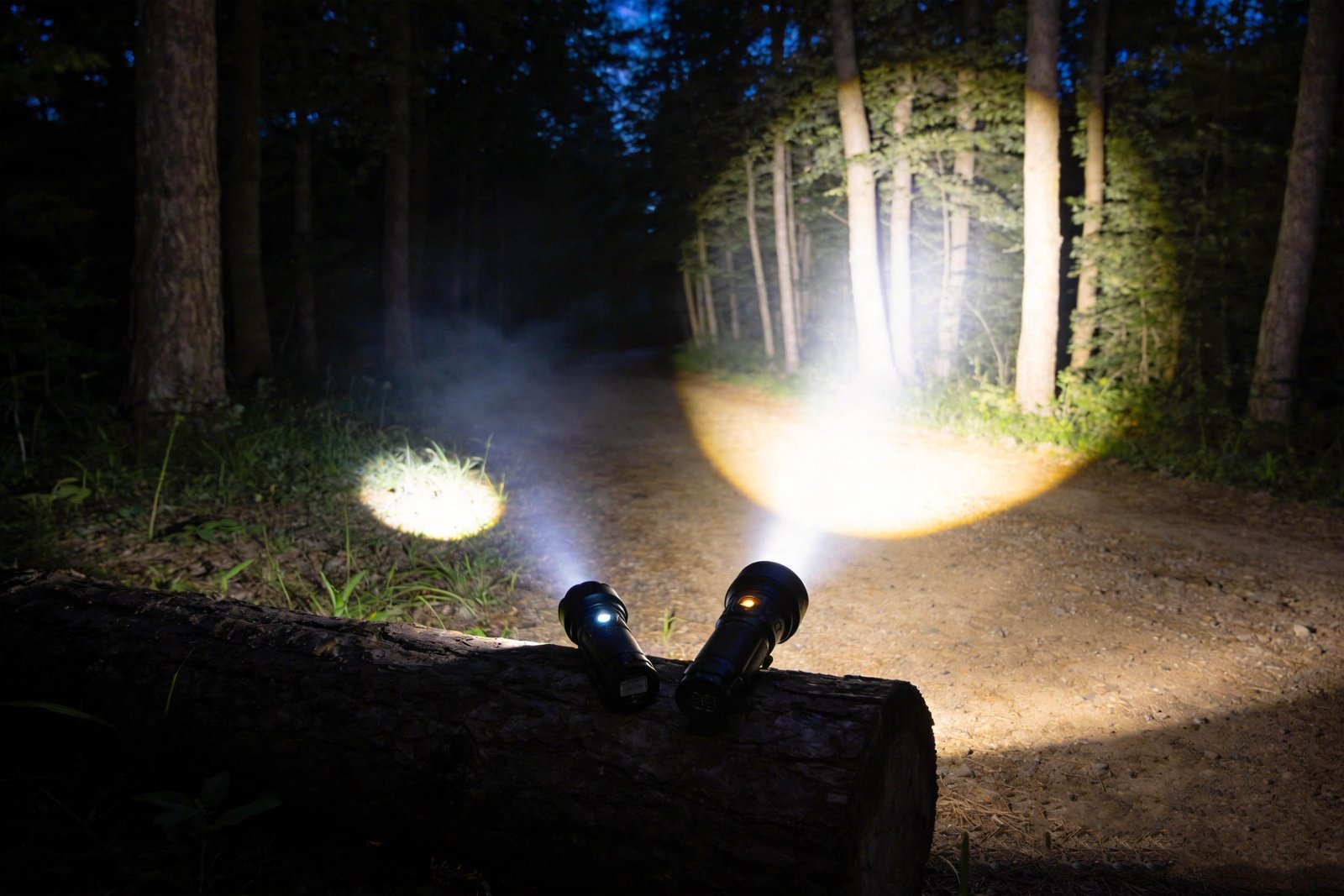
A magnetic flashlight’s design impacts how easily it adjusts to your needs. Fixed designs can limit light direction and coverage.
Choose models with adjustable angles, rotatable heads, or foldable designs to mitigate shadows and maximize light efficiency.
Dive deeper into design considerations:
DIY tasks often involve odd angles and confined spaces. Flashlights with multi-directional pivot points or rotatable heads are ideal for positioning light precisely. Compact designs are also advantageous for storage and portability. Consider magnetic placements like tail magnets for vertical use or side magnets for horizontal use.
| Design Feature | Benefits | Suitable For |
|---|---|---|
| Rotatable Head | Precise light direction | Automotive repairs |
| Foldable Design | Flexible storage, multipurpose use | Home repairs |
| Side/Tail Magnets | Adjustable installations | Tight spaces |
How crucial is battery life?
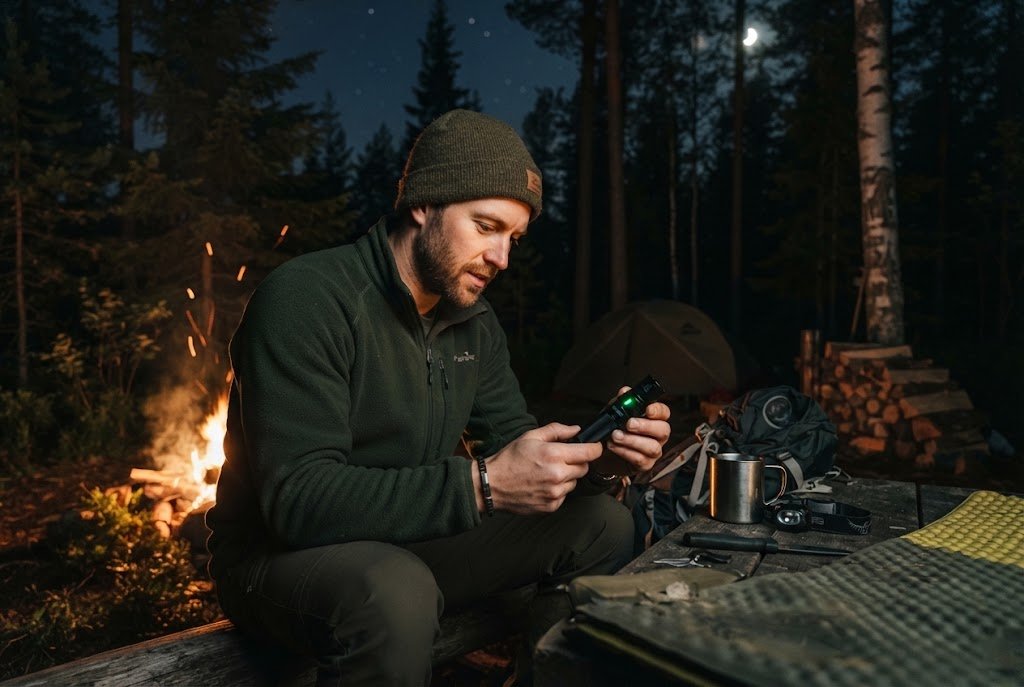
Nothing disrupts a DIY session faster than a flashlight running out of power. Battery capacity determines its runtime and reliability in long projects.
Look for rechargeable flashlights with USB-C ports. Check runtime at medium brightness levels for sustained use.
Dive deeper into battery options:
For occasional repairs, flashlights with 3-5 hours runtime on medium brightness are sufficient. For extended workshops or car repairs, models offering 8+ hours runtime on a single charge are better. USB-C charging is preferable for its wide compatibility, and battery status indicators ensure you’re never caught off guard.
| Work Duration | Recommended Runtime | Charging Features |
|---|---|---|
| Short (<3 hours) | 3-5 hours | Basic USB-C charging |
| Medium (3-6 hours) | 6-8 hours | Fast charging options |
| Long (>6 hours) | 8+ hours | Battery status display |
Does durability matter?
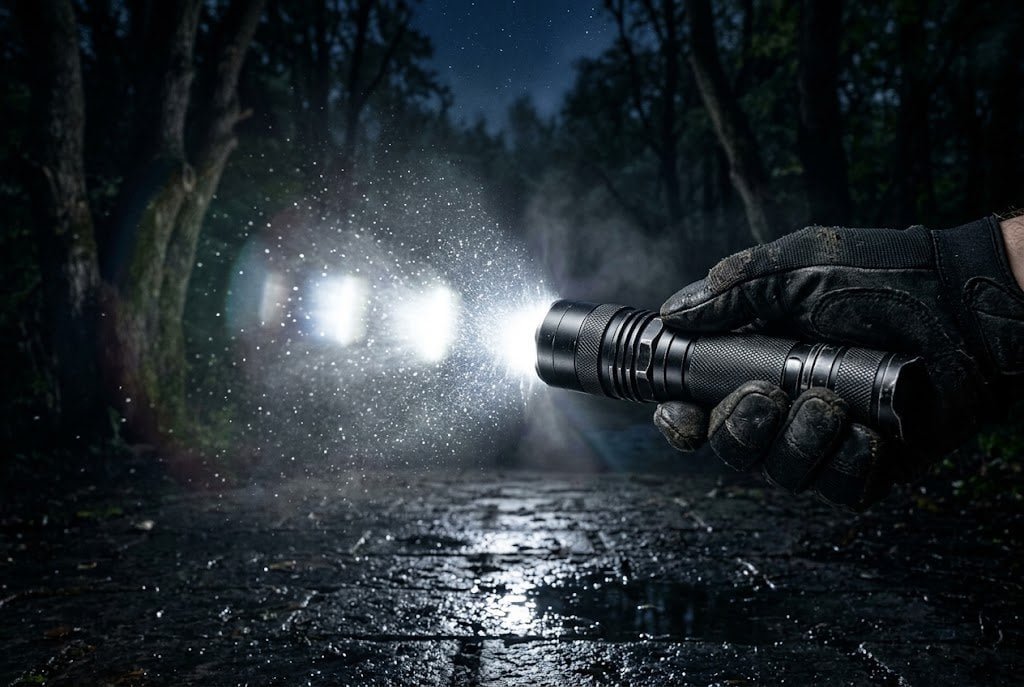
DIY environments can be demanding. Flashlights might face dust, water splashes, or accidental drops.
Select models with an IP rating for water and dust resistance. Impact-resistant designs are ideal for workshops or outdoor repairs.
Dive deeper into durability:
For car repairs or outdoor use, flashlights with IPX5 or higher ratings ensure protection against water and contamination. Impact-resistant casings prevent damage from accidental drops. Rubberized exteriors also improve grip and enhance durability against rough handling.
| Durability Feature | Protection Level | Best For |
|---|---|---|
| Water Resistance (IPX5) | Splash safety | Outdoor tasks |
| Dust Resistance (IP5X) | Dust protection | Garages, workshops |
| Impact Resistance | Drop protection (<5 ft) | Rough environments |
Conclusion
Choosing the best magnetic flashlight for DIY projects is about balancing features with specific needs. Consider your workspace, beam type, brightness levels, design flexibility, battery life, and durability. A well-chosen flashlight not only enhances your efficiency but also makes your DIY tasks safer and more enjoyable.