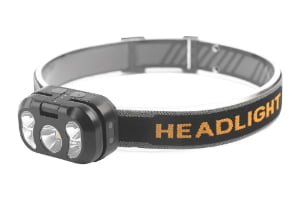
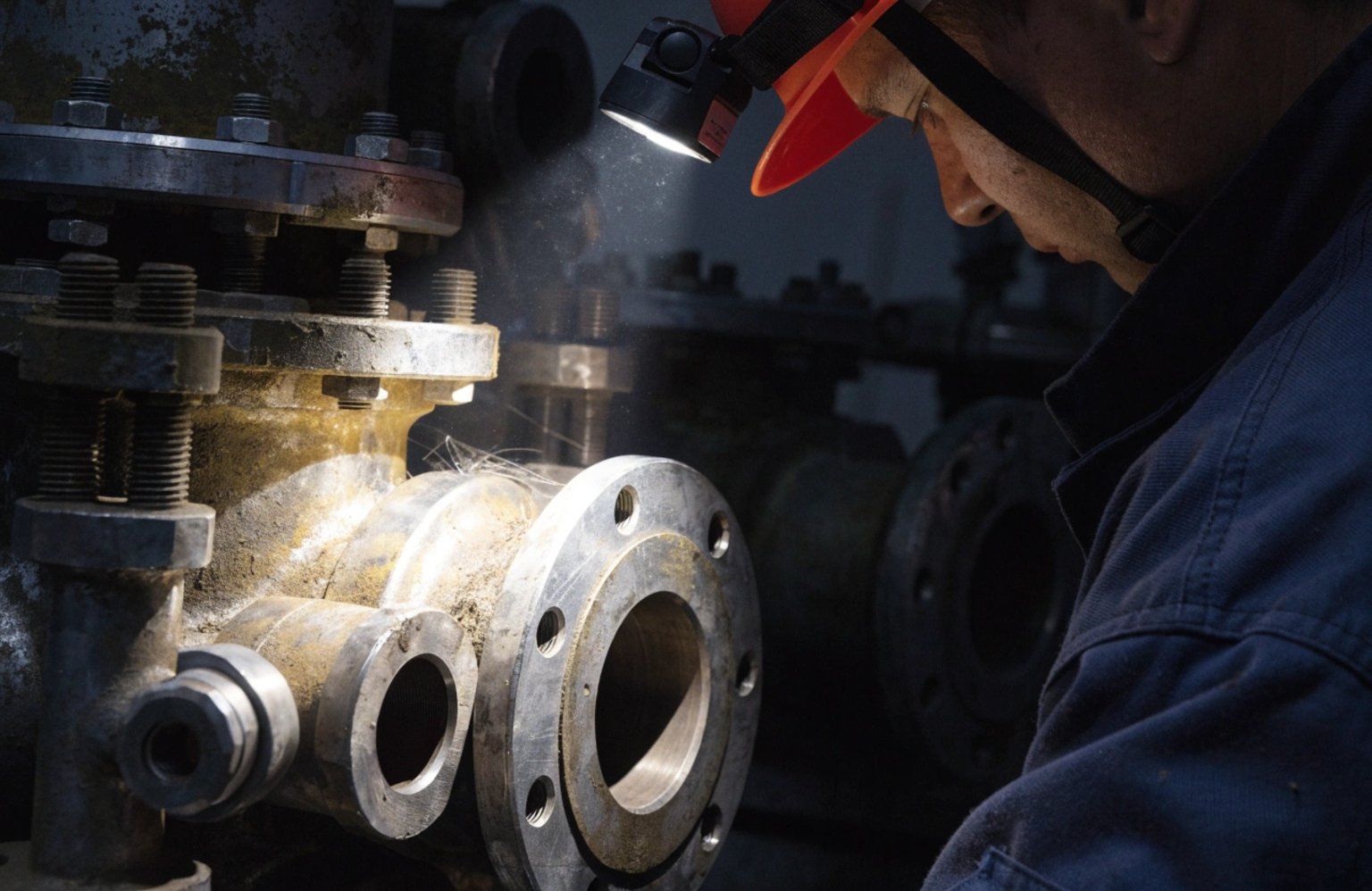
In environments where precision and efficiency matter, choosing the right headlamp can improve safety and performance. Industrial workers need reliable, hands-free lighting in dim or variable conditions.
The best headlamp for industrial work provides stable, clear, and reliable illumination1 tailored to the specific tasks and environments of the job. Key features include brightness, beam design, comfort, and durability.
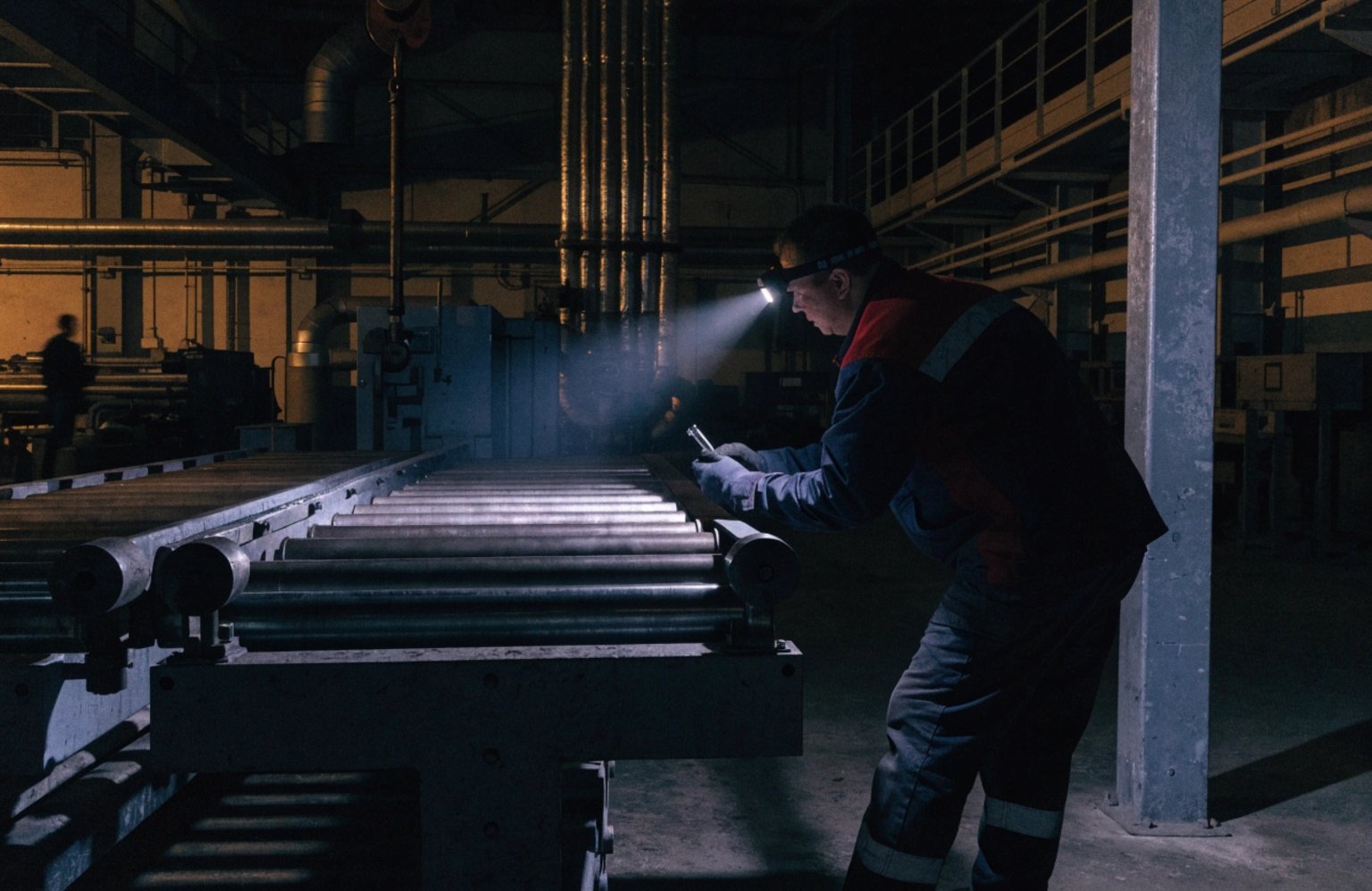
Picking a headlamp isn’t just about brightness. Each work task has unique needs. Let’s explore.
How bright should a headlamp for industrial work be?
Brightness isn’t everything. It's about distance, uniformity, and task needs. Missteps in choosing brightness can lead to less effective lighting.
For close work like repairs, 100–300 lumens of evenly distributed light suffices. For larger spaces or distant inspections, 300–600 lumens or more is ideal. Stability in brightness matters over peak lumens.
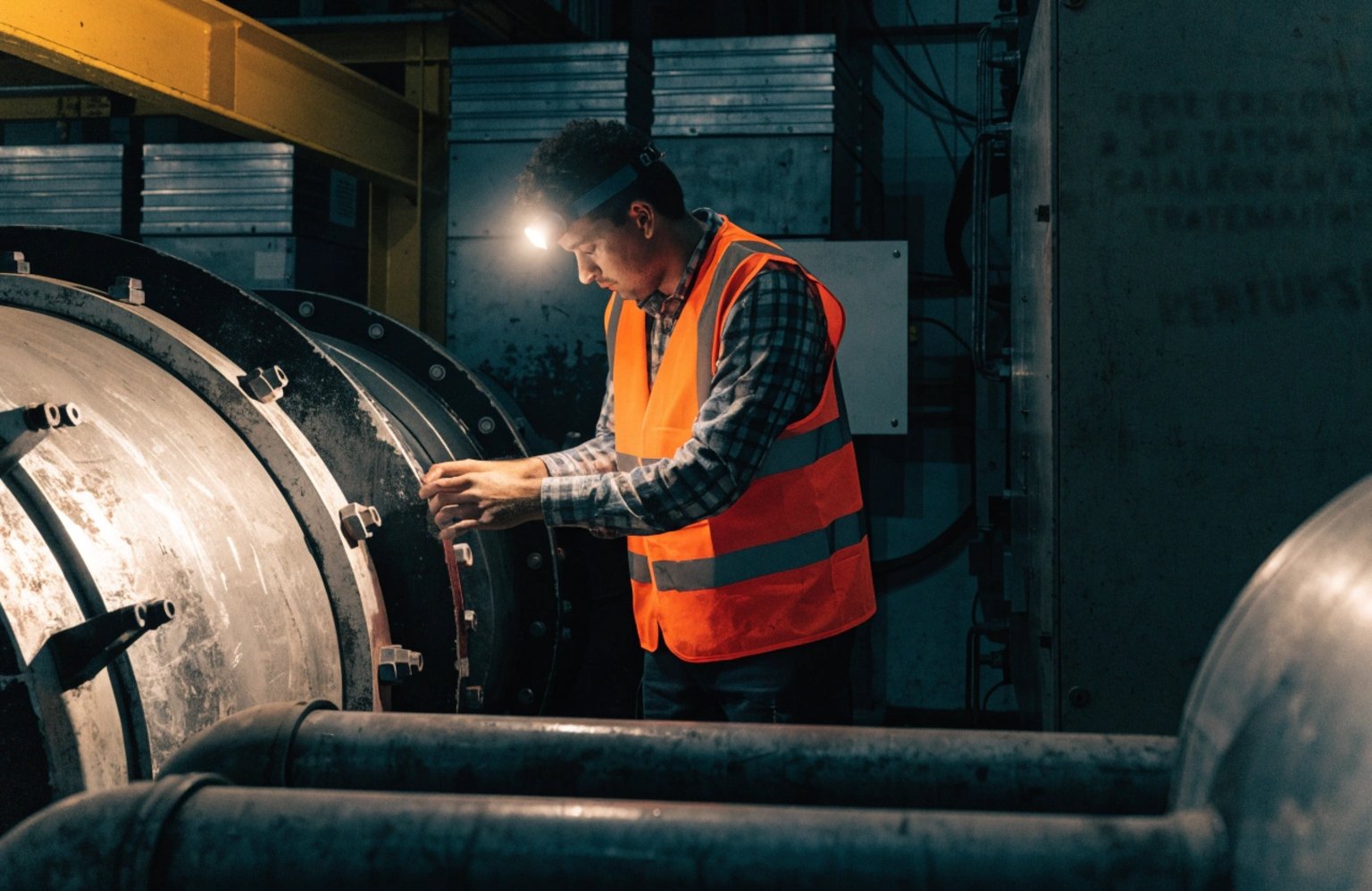
Brightness isn’t just numbers; it’s about stability and utility. Many industrial tasks demand consistent lighting over time. So, it’s essential to check factors like runtime, beam patterns, and cooling mechanisms to avoid light dimming during critical tasks.
Should you choose a spotlight or floodlight design?
Beam type defines where the light goes, shaping task efficiency. Spotlight excels at distance; floodlight spreads light for close tasks.
Choose floodlight for close, detailed work. For large areas or long-range viewing, spotlight designs or dual modes (spot and flood) offer flexibility.
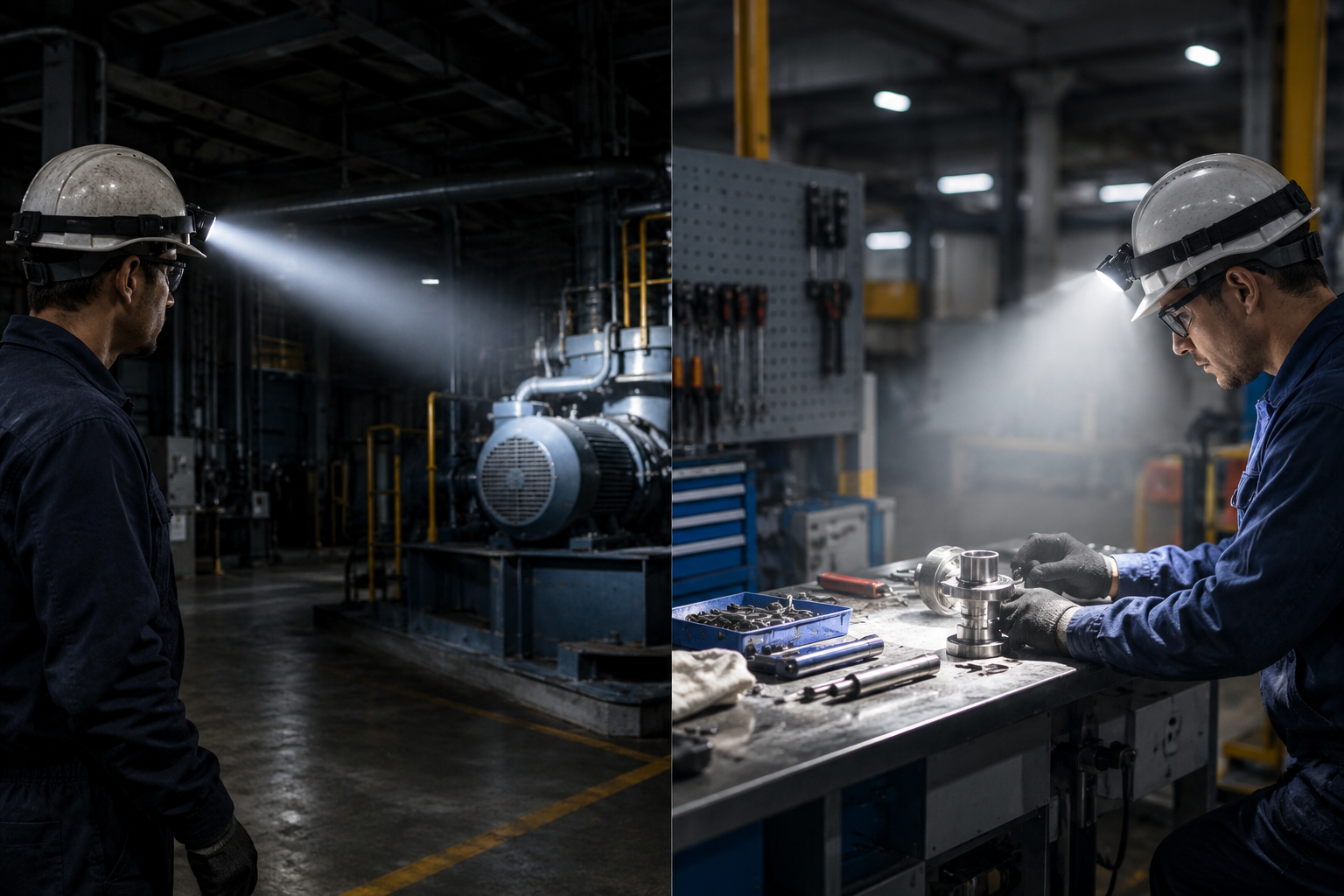
For workers juggling tasks at varying distances, dual-beam headlamps with adjustable output can be game-changers. These designs provide both concentrated light for inspections and a broad flood for hands-on repairs. Evaluating beam stability across modes further enhances industrial usability.
What water and dust protection do industrial headlamps need?
Industrial environments test durability—water, dust, and impacts are common. Protection ratings matter here.
IPX4-rated headlamps handle minor splashes. IPX6 withstands heavy spray. IPX7 offers temporary immersion resistance. Dust protection requires full IP ratings like IP54 or above.

Beyond IP ratings, understanding real-world durability is vital. High dust environments demand sealed designs, while wet or explosive zones need certified safety features. Always check for certifications relevant to the worksite to mitigate risks.
Why does comfort matter for industrial headlamp users?
Hours of continuous use make comfort essential. Poor design affects productivity and creates long-term strain.
Lightweight, balanced designs prevent strain2. Adjustable straps fit securely, and compatibility with helmets or gear adds flexibility for varied environments.
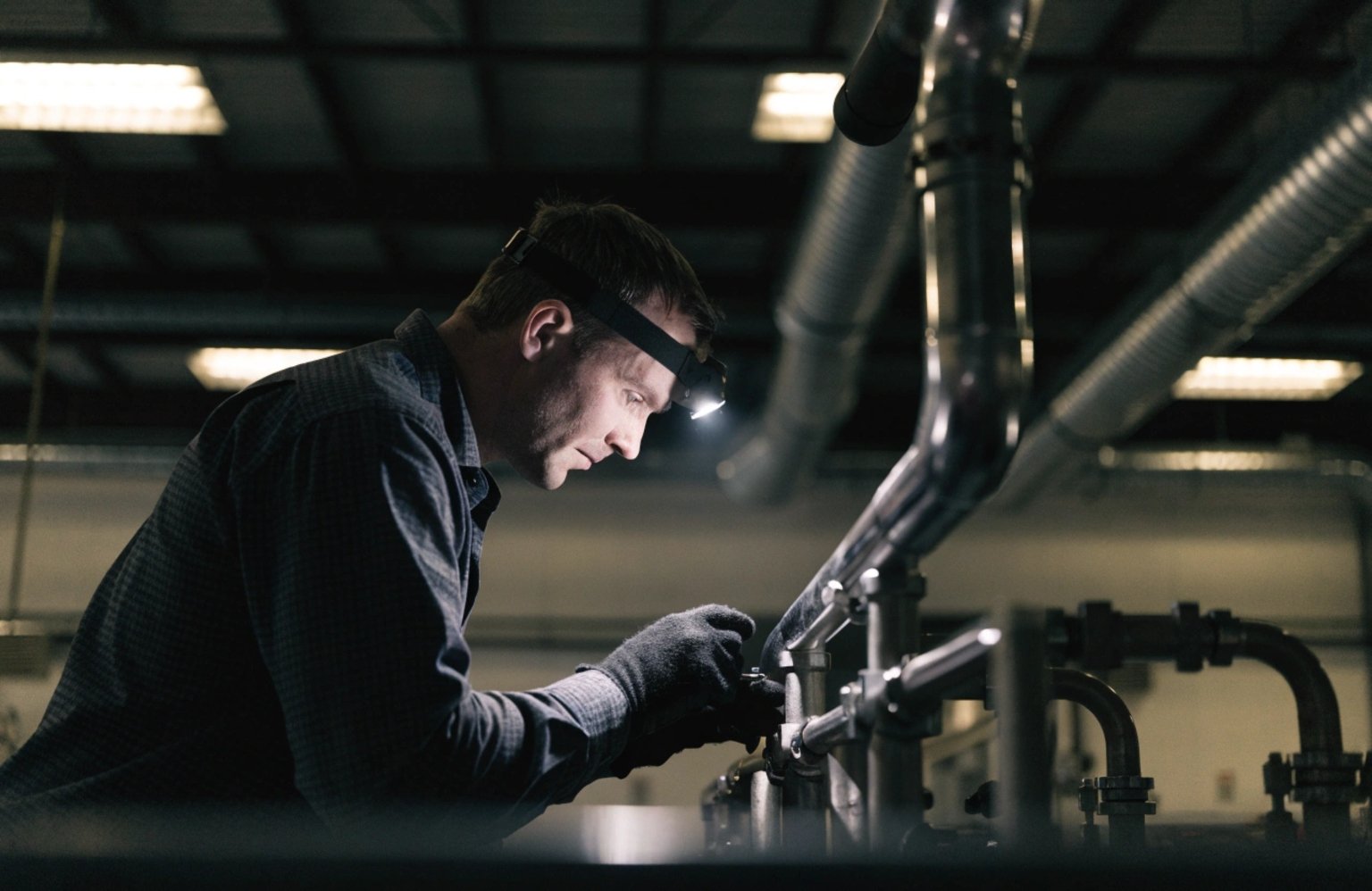
Details matter in comfort. A poorly balanced headlamp can distract workers. Adjustable straps with breathable materials, angled lighting, and stable mounting ensure reliable, hands-free operation during long shifts without discomfort.
Should you choose rechargeable or replaceable battery designs?
Battery systems shape usability and convenience. Each has pros and cons based on work conditions.
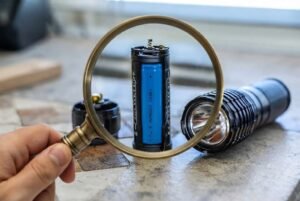
Rechargeable batteries suit predictable shifts with charging downtime. Replaceable batteries fit long hours or remote sites where recharging isn’t feasible.
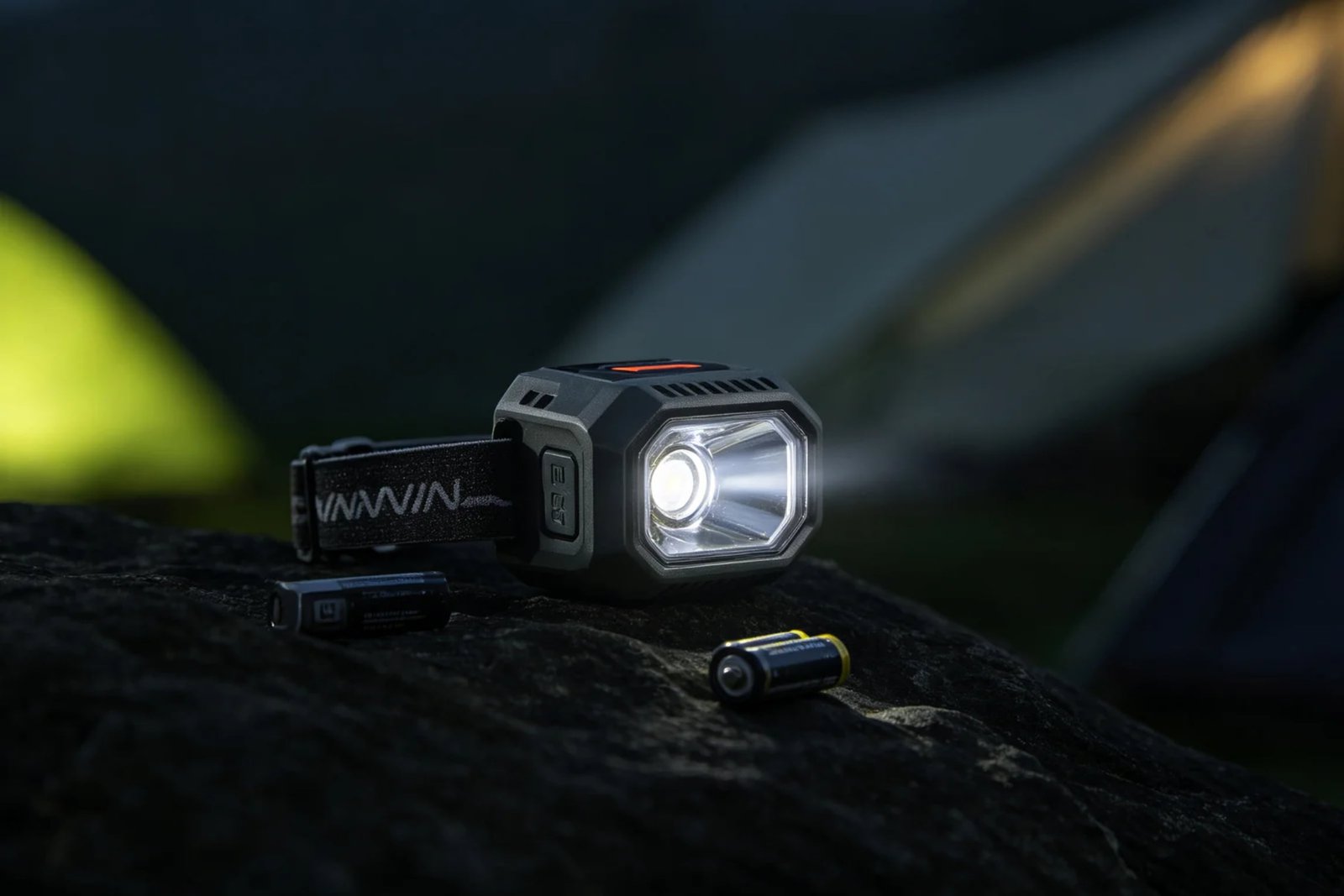
Many rechargeable headlamps now offer USB-C interfaces and rapid charging, but remote workers may prefer devices using AA or AAA batteries for ease of replacement. Considering runtime per mode helps ensure sustained performance during critical tasks.
Are red light, sensors, or dual light sources worth it?
Added features promise versatility but aren’t universally needed. Select based on actual work demands.
Red light suits night work without glare. Sensors assist hands-free use but need stable designs. Dual sources add flexibility for mixed environments.
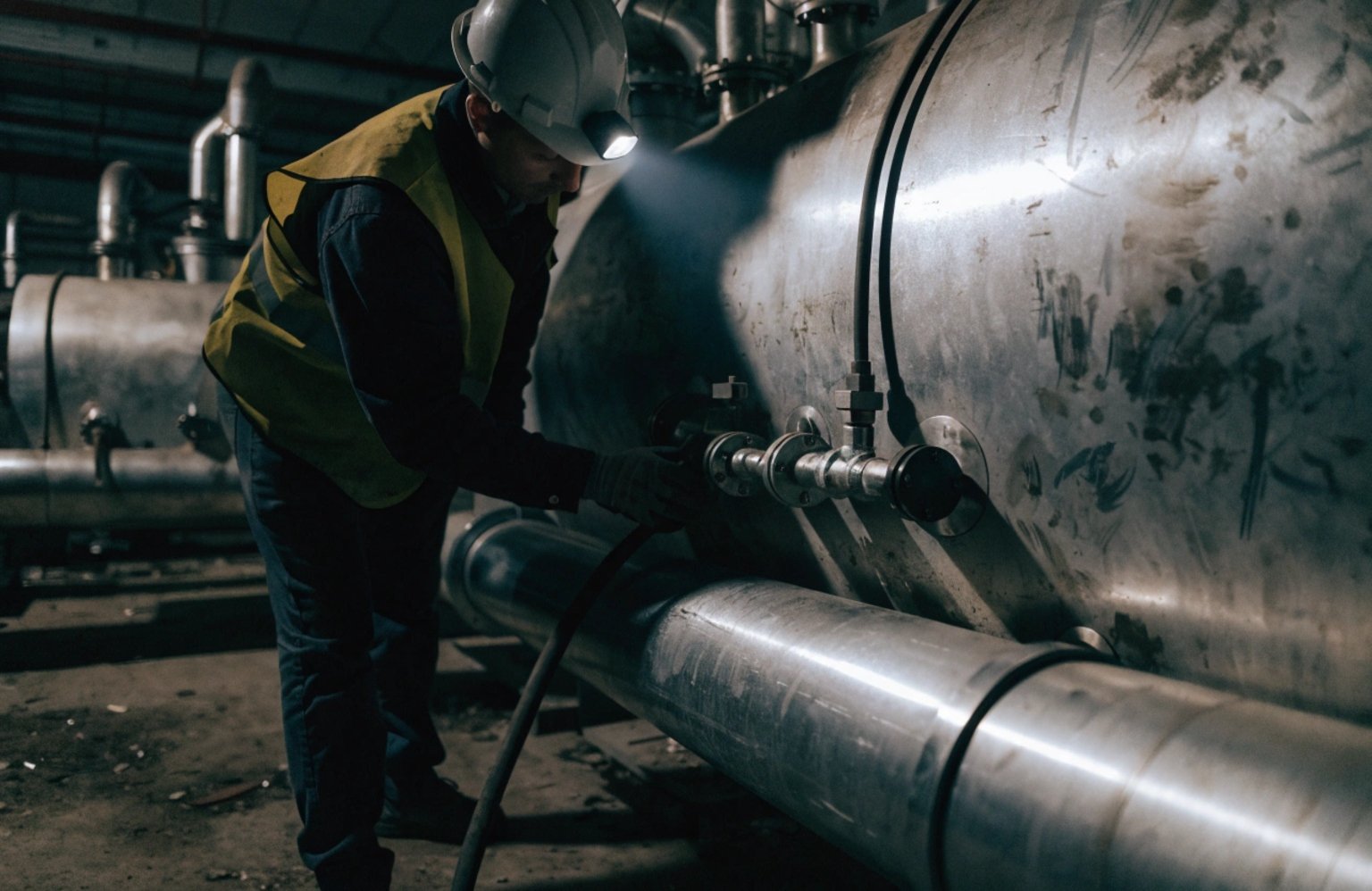
Features like motion sensors work well in clean environments but might struggle in dusty or wet areas. Similarly, dual-source designs aid multi-tasking, but single-purpose users may find simpler options more reliable. Always prioritize core performance over extras.
What headlamp types suit specific industrial tasks?
Task demands define headlamp choices. Different industries have different risks and lighting needs.
For repair work, prioritize floodlight designs. For inspections, combine spotlight and flood. Outdoor work demands durability with high IP ratings. Emergency tasks need long runtimes and reliable grip.
For automotive repair, evenly distributed floodlighting prevents eye strain. Warehouse workers benefit from wide beams to see shelving clearly. Field construction needs impact-resistant, waterproof designs. Rescue operations require long runtime and intuitive controls.
Conclusion
The best industrial headlamp isn’t about the highest brightness or flashy features. It’s one that fits the job, stays reliable in tough conditions, and ensures comfort for long use.
"Research Regarding Different Types of Headlights on ... - PMC", https://pmc.ncbi.nlm.nih.gov/articles/PMC9959406/. The source discusses the importance of stable and reliable illumination in industrial settings, emphasizing how it enhances safety and performance, particularly in low-light conditions. Evidence role: general_support; source type: paper. Supports: The best headlamp for industrial work provides stable, clear, and reliable illumination tailored to the specific tasks and environments of the job.. Scope note: The support is contextual and may not directly quantify the benefits of illumination stability. ↩
"Robust optical design of high-contrast vehicle headlamps with ...", https://pmc.ncbi.nlm.nih.gov/articles/PMC12032155/. The source discusses ergonomic design principles in headlamps, supporting the claim that lightweight and balanced designs reduce user strain. Evidence role: expert_consensus; source type: research. Supports: Lightweight, balanced designs prevent strain.. Scope note: The support may not provide quantitative data on strain reduction or productivity improvements. ↩