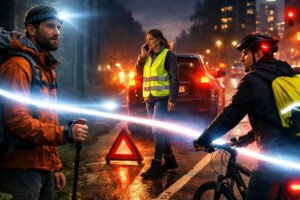

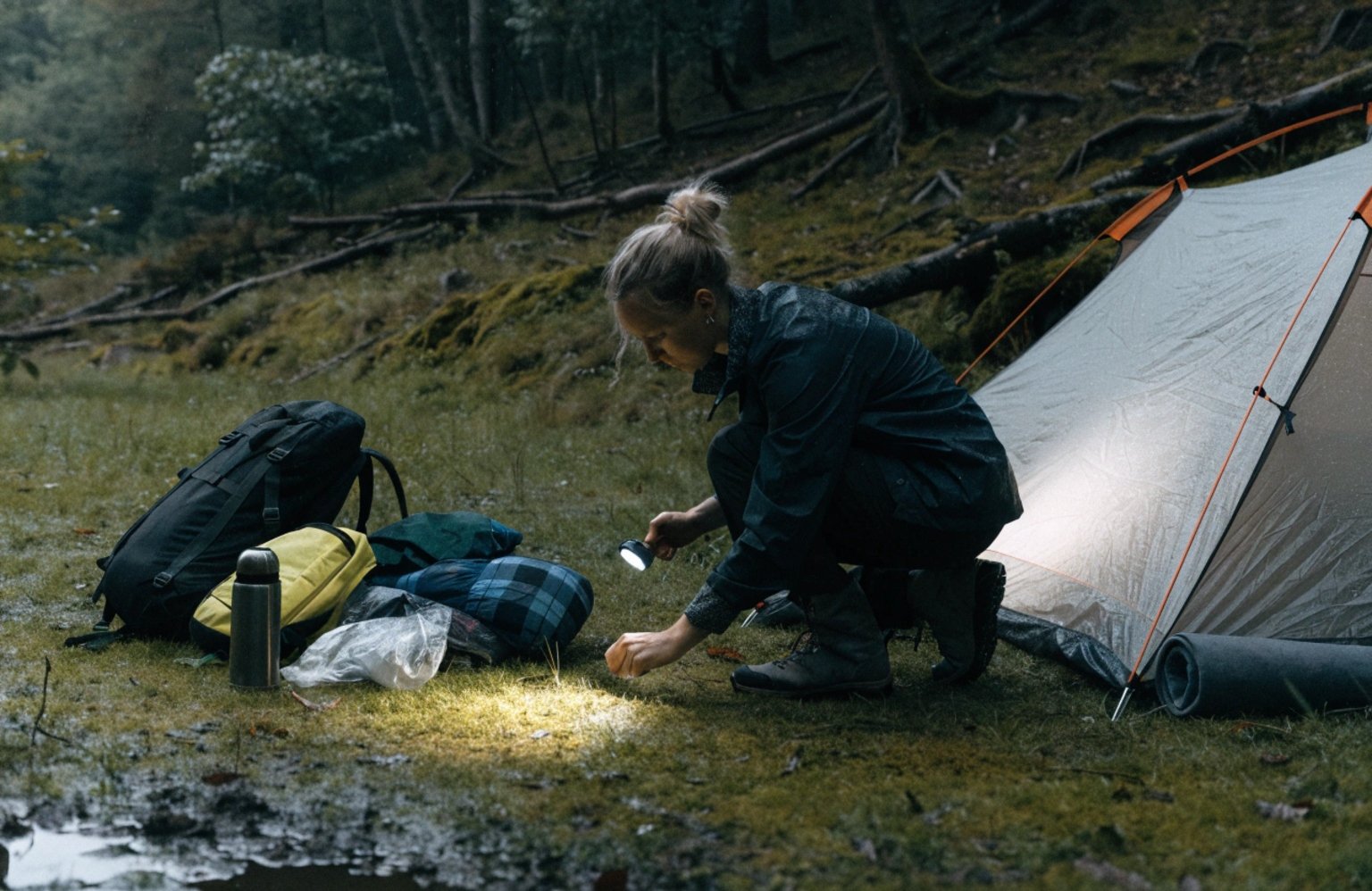
When it comes to compact EDC flashlights, wet weather presents unique challenges. Whether commuting in the rain or camping overnight, your flashlight might face moisture and water exposure. A flashlight that fails in the rain, no matter how bright, is not effective.
The best compact EDC flashlight for wet weather combines waterproof capabilities, reliable sealing, grip stability, and power supply compatibility. Brightness alone should not be your only concern.
So, what should you prioritize when choosing the best flashlight? Let’s dive deeper into the factors that matter most.
Why Is Waterproof Rating Important?
Rain can spell disaster for poorly protected flashlights. Waterproof ratings like IPX4, IPX6, and IPX7 indicate how well a flashlight can resist water exposure under different conditions.
IPX4 resists splashes, IPX6 handles powerful jets of water, and IPX7 can survive temporary submersion under controlled conditions. Each rating suits specific situations.
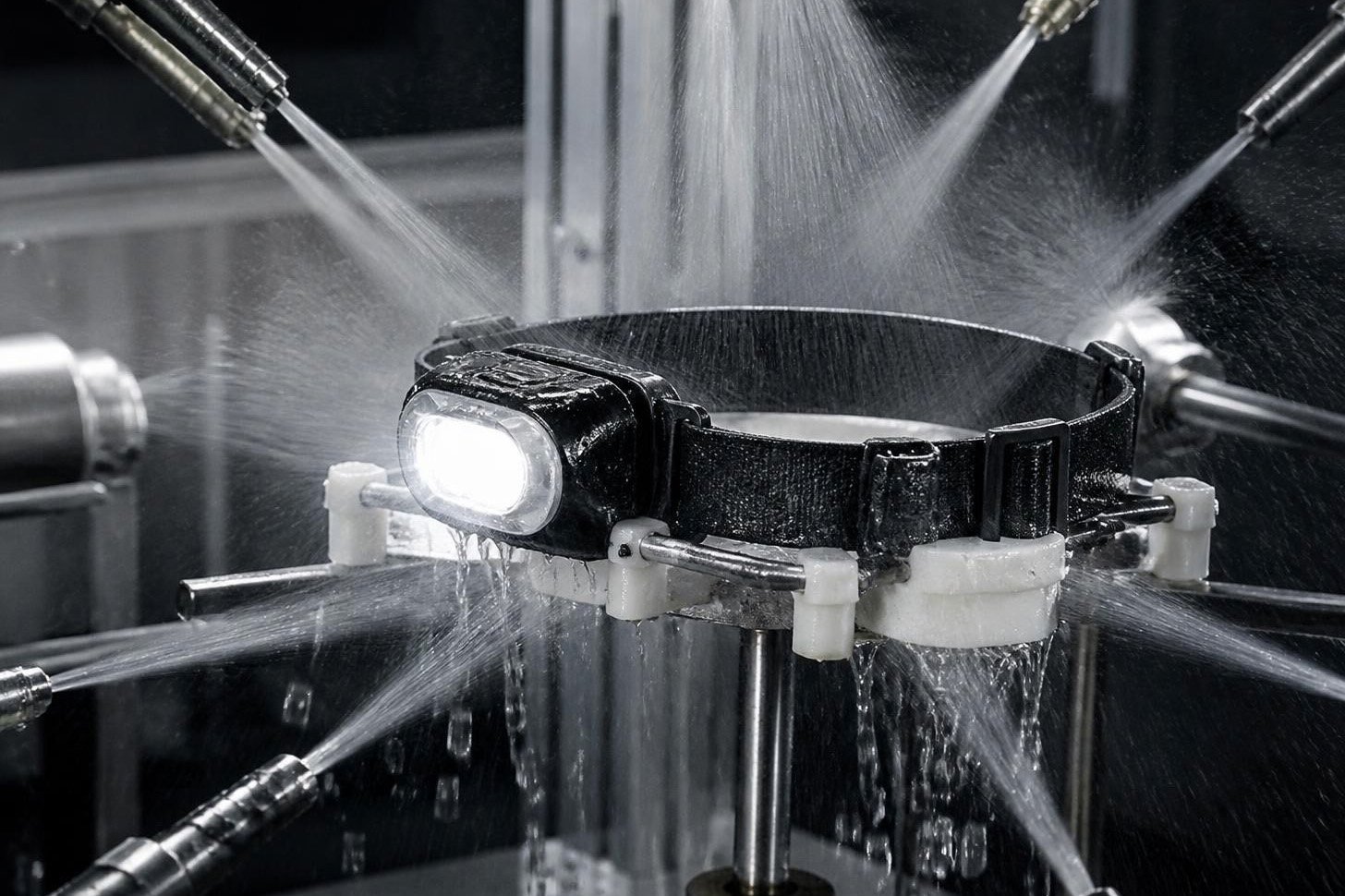
Understanding these ratings is crucial. For casual rain exposure or city walks, IPX4 might work fine. But if you’re frequently outdoors facing heavy rain or high-pressure water jets, IPX6 becomes a safer choice. For activities like fishing or wading through streams, IPX7-rated flashlights offer better protection and peace of mind. Always check the manufacturer’s full specifications to avoid unpleasant surprises.
Why Is Sealing Structure So Important?
A flashlight’s waterproof rating is one thing; its sealing structure ensures long-term reliability1. Many flashlights fail not because of their casing but due to poor sealing of entry points.
Critical areas like the battery compartment, USB-C charging ports, and switch buttons require robust sealing to block moisture entry.
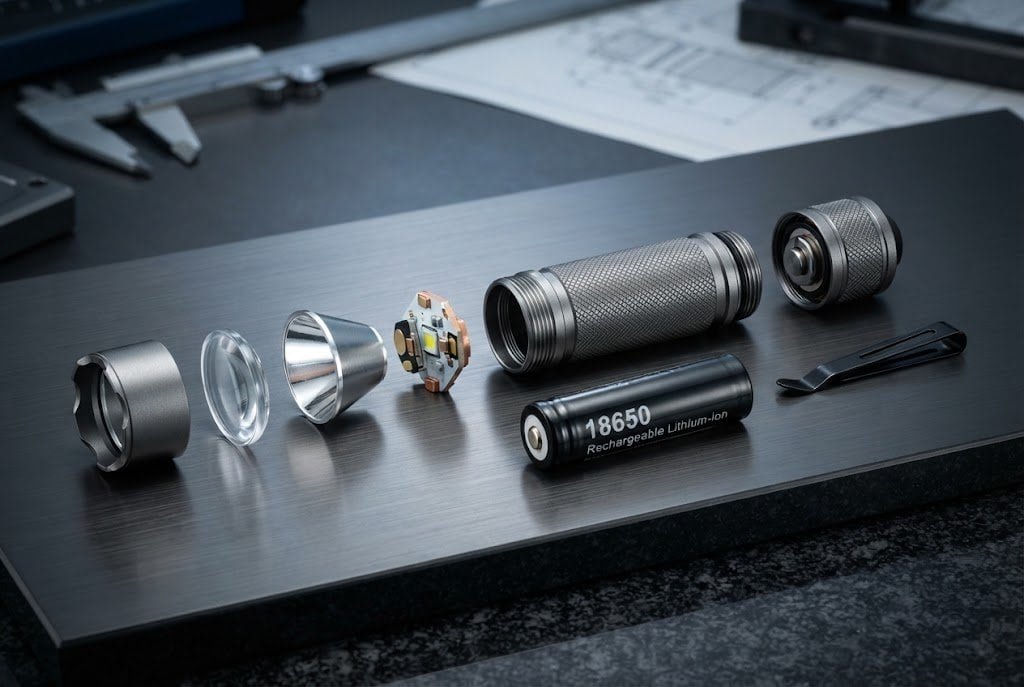
From a production standpoint, sealing goes beyond materials. Factors like gasket placement, thread alignment, and structural tolerances heavily influence performance. Features such as protective covers for charging ports or reinforced seals at connection points make a big difference. Always select brands that provide detailed testing data and specifications.
Is Brightness the Ultimate Factor in Wet Conditions?
When it’s raining, visibility isn’t just about sheer brightness. Too much brightness can backfire by creating reflections from water droplets or mist.
Moderate brightness with balanced beam distribution often provides better visibility in rainy environments.
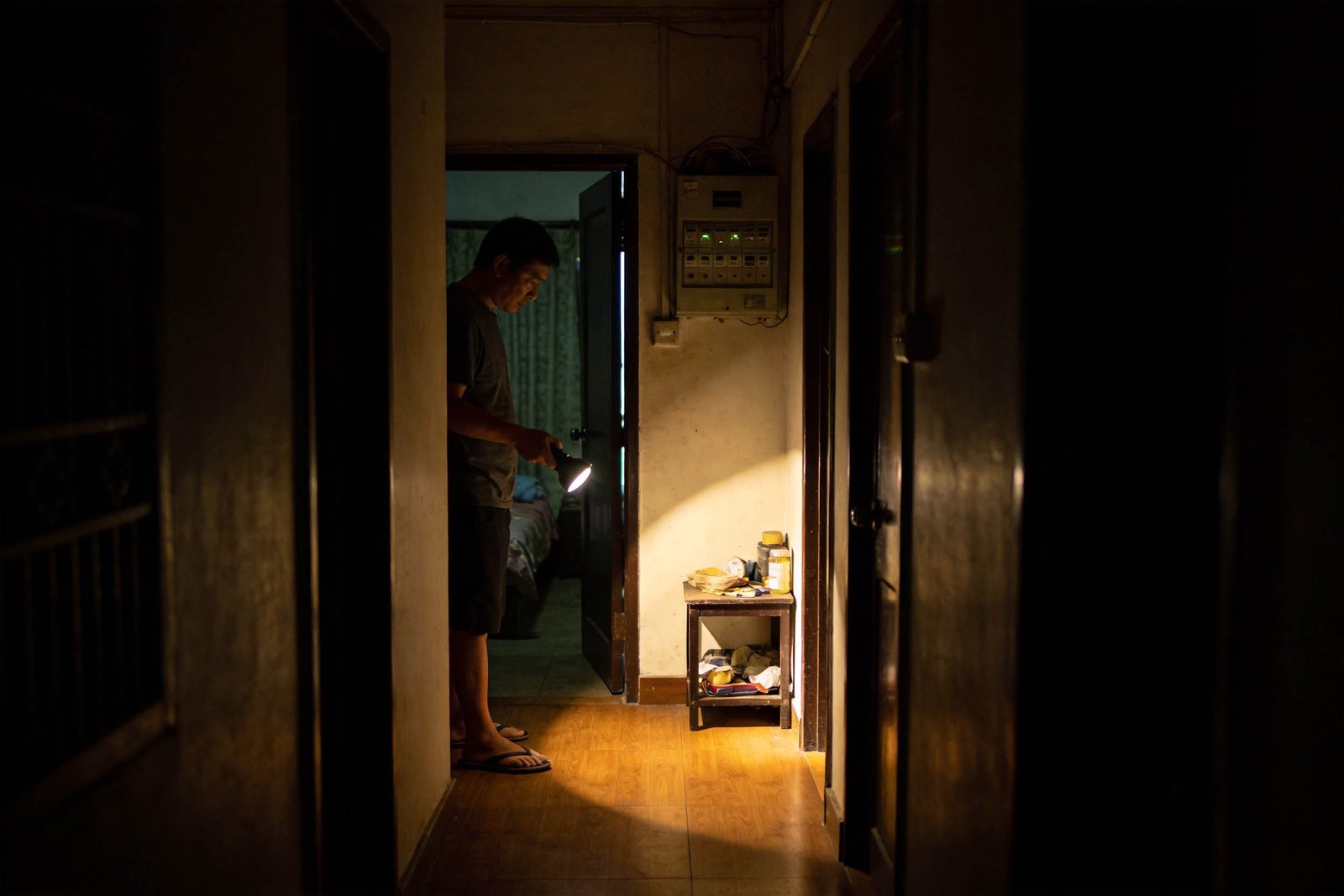
For urban walks, a flashlight with a wide beam helps illuminate nearby puddles and obstacles. For hiking or outdoor tasks, a flashlight with focused beams is more practical for long-distance spotting. In any case, adjust brightness to match the environment rather than relying solely on maximum output.
Does Grip Design Matter in Wet Conditions?
A slippery flashlight during rainy weather can lead to accidents. Grip design directly impacts usability when your hands or gloves are wet.
Choose flashlights with textured surfaces, grooves, or rubberized grips2 to minimize slippage.
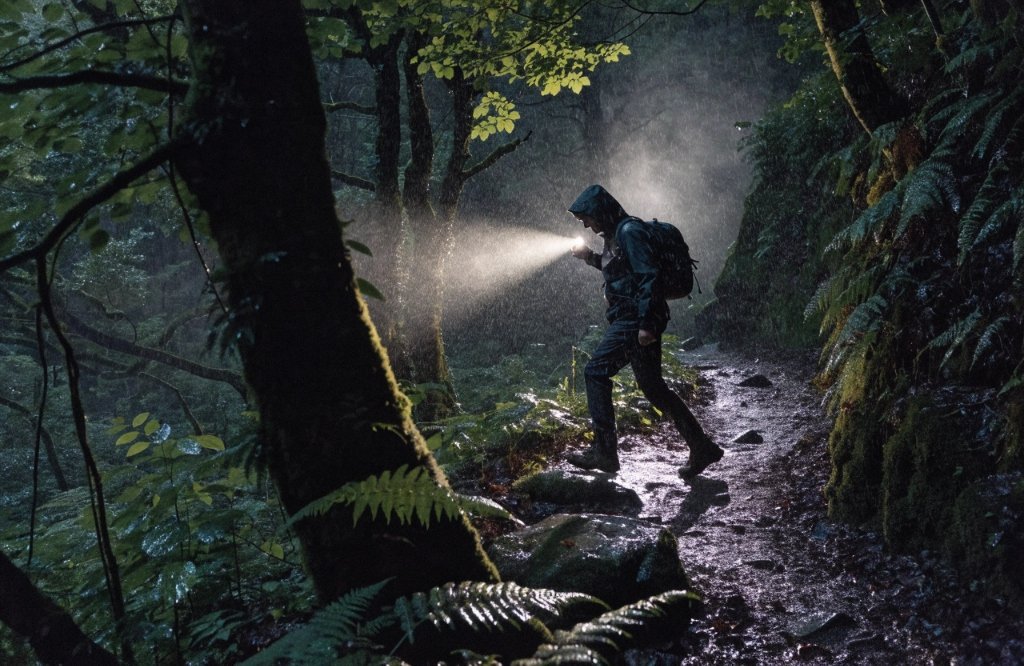
Lightweight flashlights are ideal for prolonged use, reducing fatigue. For industrial users, flashlights that offer magnetic tail caps or other secure attachment options are especially valuable. Button design is another factor to consider; large, tactile buttons make operation easier when wearing gloves.
What About Power Supply Options?
The choice between rechargeable and disposable batteries matters in wet conditions. Rechargeable flashlights offer convenience but require careful handling during charging.
Ensure charging ports are sealed or dried before connecting cables. For long outdoor trips, check battery life and compatibility with backup power sources.
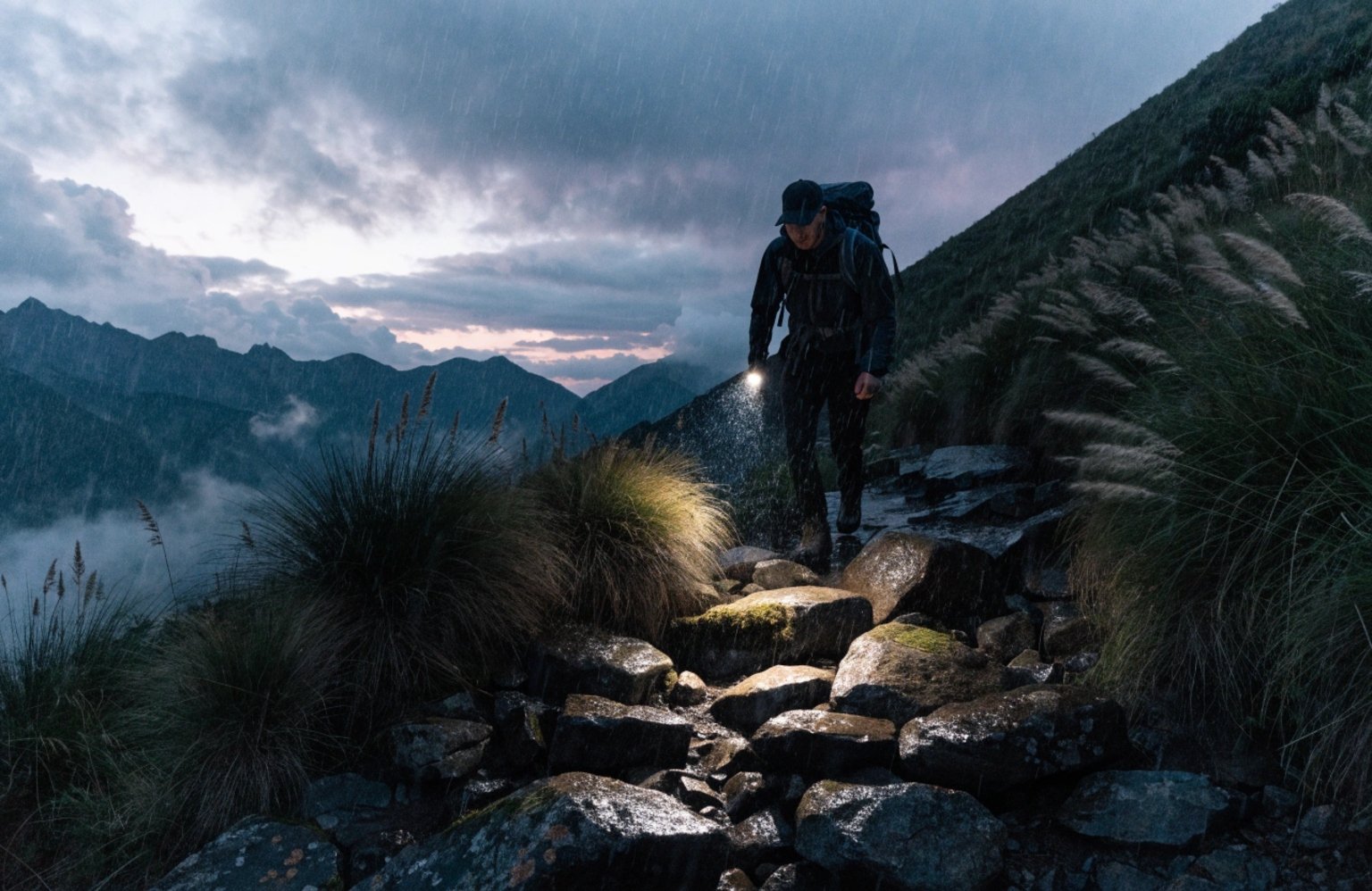
Disposable batteries provide flexibility in remote areas but demand attention to the flashlight’s sealing structure. Avoid opening battery compartments in damp environments to prevent internal damage. Ultimately, weigh your usage frequency and access to power sources to decide between rechargeable and disposable options.
How Should You Maintain a Flashlight After Rain?
No flashlight is immune to wear and tear. Proper maintenance ensures your gear remains effective for future use.
Always dry and clean your flashlight after exposure to rain, paying attention to buttons, seals, and charging ports.
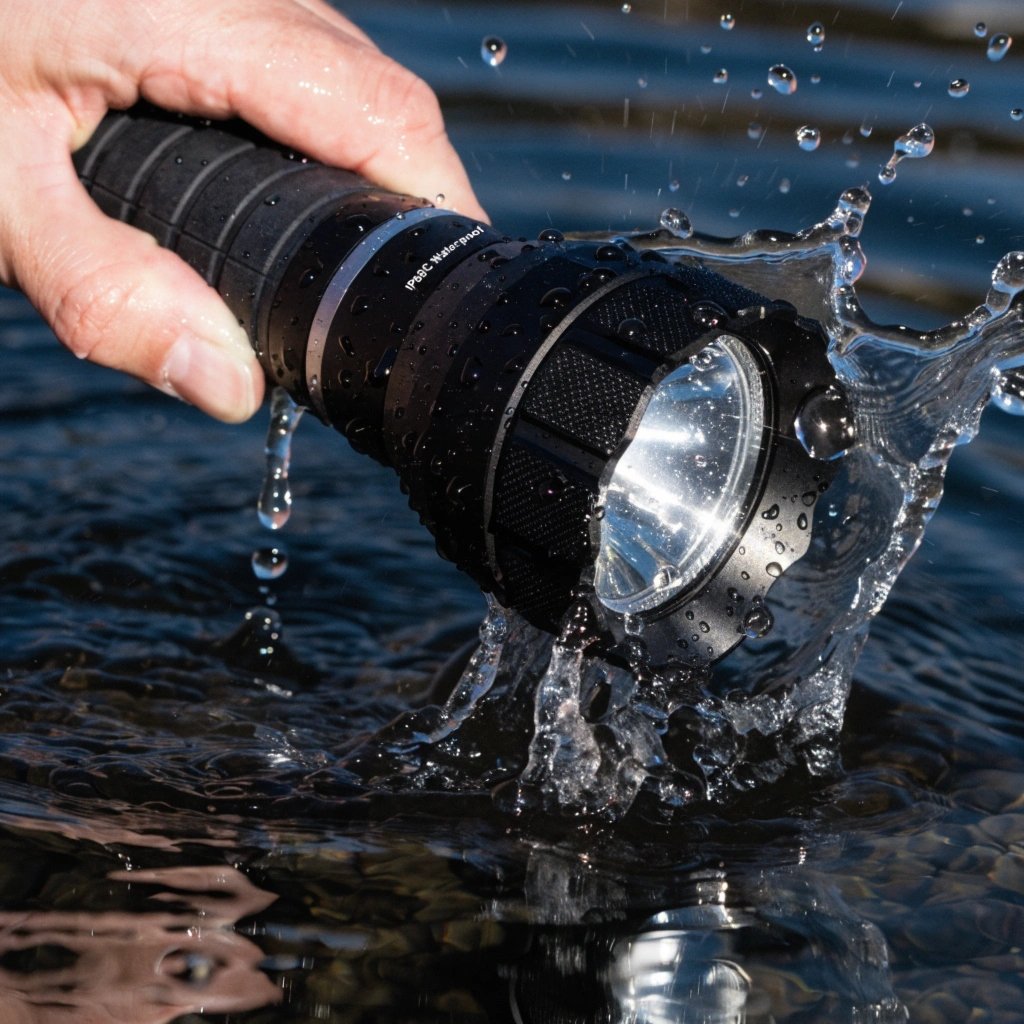
Remove mud, saltwater residue, or dirt using manufacturer-recommended methods. Inspect seals periodically for damage. Never attempt high-temperature drying methods, as they can compromise the flashlight’s integrity. Regular checks and gentle cleaning go a long way in preserving performance.
What Flashlight Fits Your Specific Wet Weather Needs?
Rainy weather calls for tailored solutions. Consider your typical activities before choosing a flashlight.
For urban use, prioritize lightweight, splash-resistant options. Outdoor users should focus on higher waterproof ratings and versatile beam settings. Industrial users need durability and grip safety.
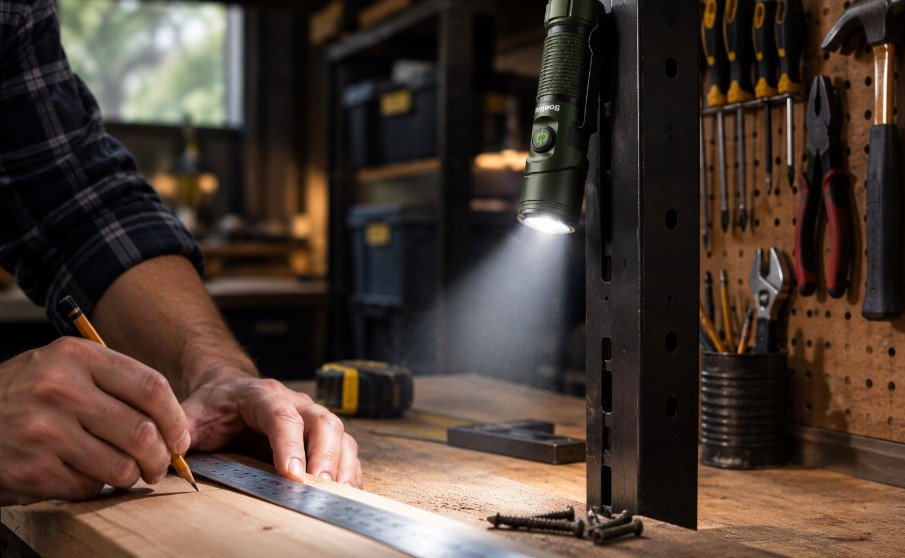
Fishing enthusiasts or waterfront adventurers should look for models suited for temporary immersion. Always match the flashlight’s features to your unique environment for the best experience.
Conclusion
Opt for a compact EDC flashlight that balances waterproof ratings, sealing design, grip safety, power supply, and brightness. The best flashlight supports your needs in wet weather while remaining reliable and easy to maintain.
"Seeing power with a flashlight: DIY thermal sensing ...", https://pubmed.ncbi.nlm.nih.gov/30648468/. The source discusses the importance of sealing structures in flashlights, emphasizing how they contribute to long-term reliability and performance in wet conditions. Evidence role: mechanism; source type: research. Supports: A flashlight’s waterproof rating is one thing; its sealing structure ensures long-term reliability.. Scope note: The source may not provide empirical data on the failure rates of flashlights due to sealing issues. ↩
"How Flashlight Design Affects Beam Distance", https://www.ultrafire.com/blogs/explore/how-flashlight-design-affects-beam-distance?srsltid=AU7gw4VFuES7vCVq6Cy0K2MzzjoYJlp9sOVTu3cfekjjvZGY0YpYb0kM. The source discusses the importance of grip design in preventing slippage during wet conditions, supporting the claim about textured surfaces and grips. Evidence role: general_support; source type: education. Supports: Choose flashlights with textured surfaces, grooves, or rubberized grips to minimize slippage.. Scope note: The source may not provide quantitative data on grip effectiveness in wet conditions. ↩