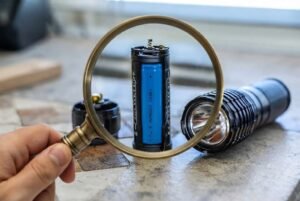
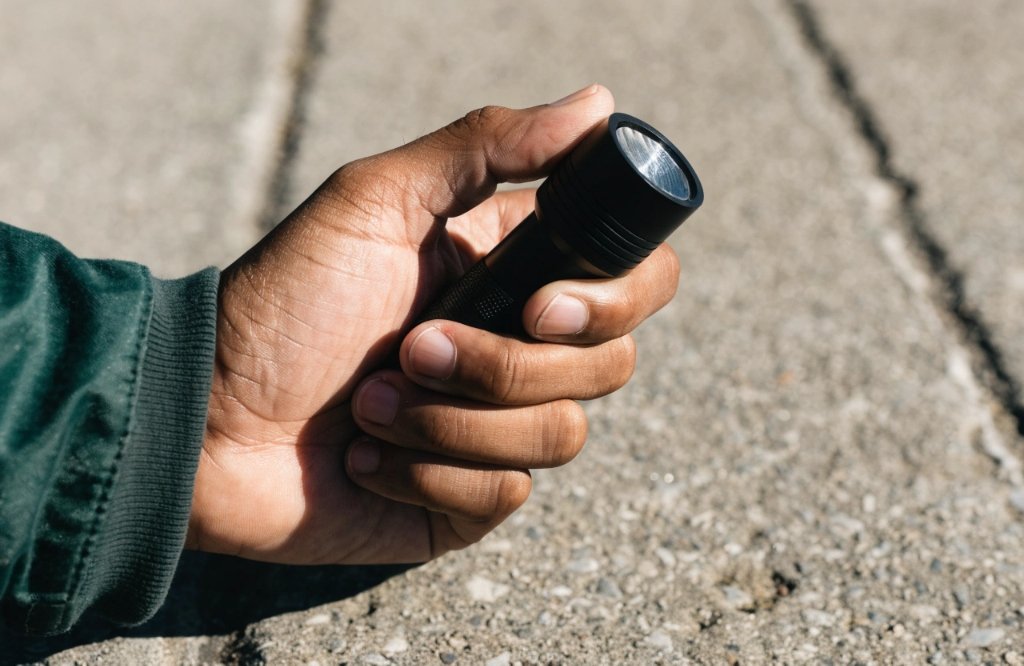
Everyday situations often need extra light—unlocking a car in a dim parking lot, finding items under the couch, or exploring outdoors. A small, reliable flashlight can make all the difference.
The best compact EDC flashlight balances size, brightness, battery life, ease-of-use, and durability. It should integrate seamlessly into daily life and meet common lighting needs.
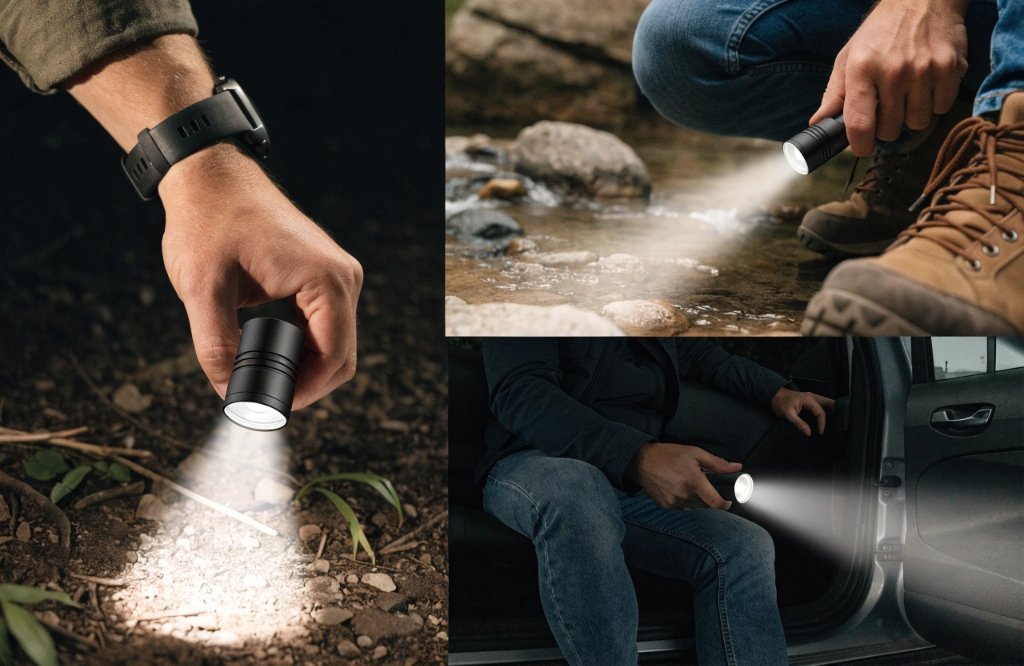
When choosing an EDC flashlight, consider how often you'll carry it, where it fits, and if it enhances your daily routine. Let’s dig into the key factors.
What Makes a Flashlight Ideal for Everyday Carry?
Pocket-sized flashlights that are too bulky often stay at home. On the other hand, overly tiny models sacrifice battery capacity and usability. Finding the sweet spot matters.
An ideal EDC flashlight is small enough to carry comfortably without compromising brightness or usability. It should fit pockets or bags and be easy to operate.
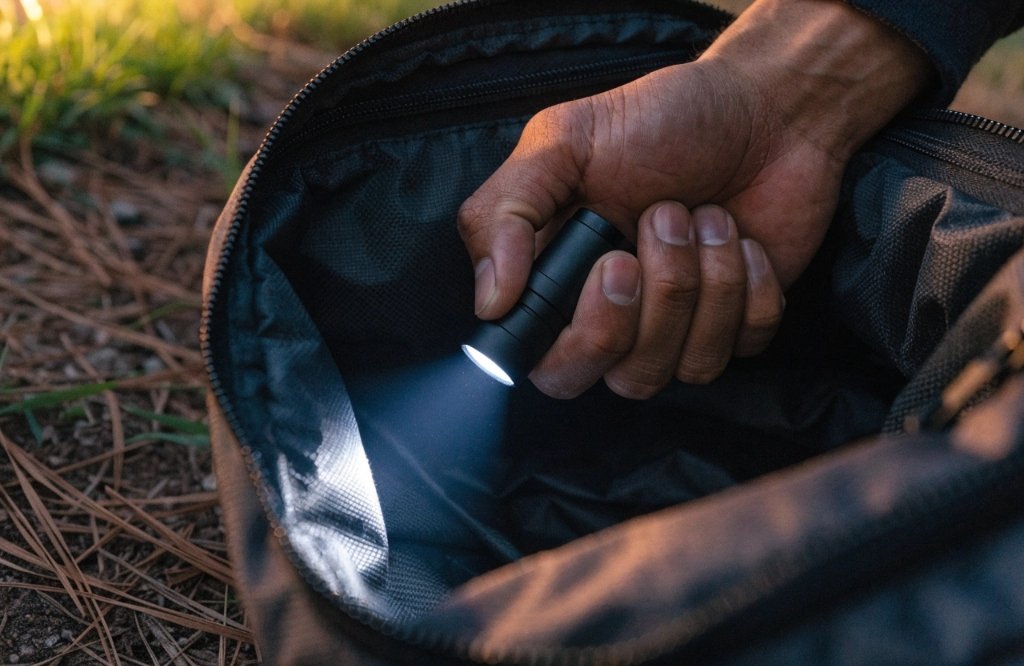
Compact doesn't mean tiny. Manufacturers must balance space for batteries, LEDs, and circuits. A good design ensures reliability, ease of use, and consistent lighting performance1.
How Many Lumens Do You Really Need?
Lumens measure brightness, but more isn’t always better. For daily use, lighting needs differ based on tasks like finding keys or walking at night.
For practical use, 150–500 lumens is versatile. It’s bright enough for commutes, evening walks, and household tasks without overwhelming nearby objects.
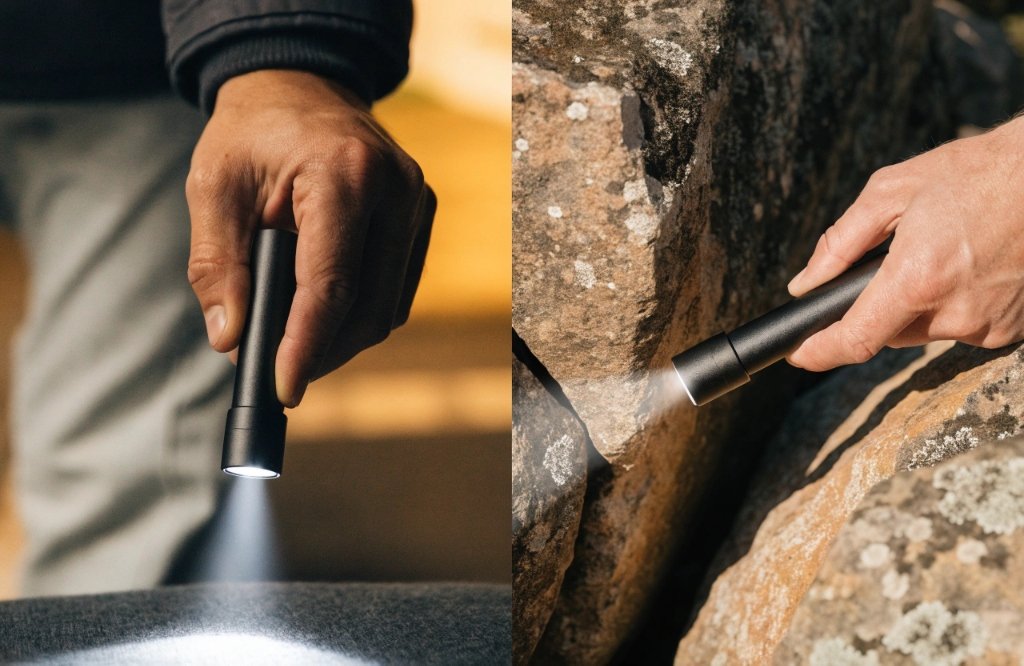
Brightness categories can guide your choice:
- 50–150 lm: Close-up tasks like reading or finding items.
- 150–500 lm: Balanced for daily and outdoor use.
- 500+ lm: High-power for distance or emergency scenarios.
However, advertised lumens may fluctuate. Many flashlights lower output to manage heat and battery life, so consistent performance matters more than peak brightness.
Battery Type and Charging: Small Size, Practical Runtime?
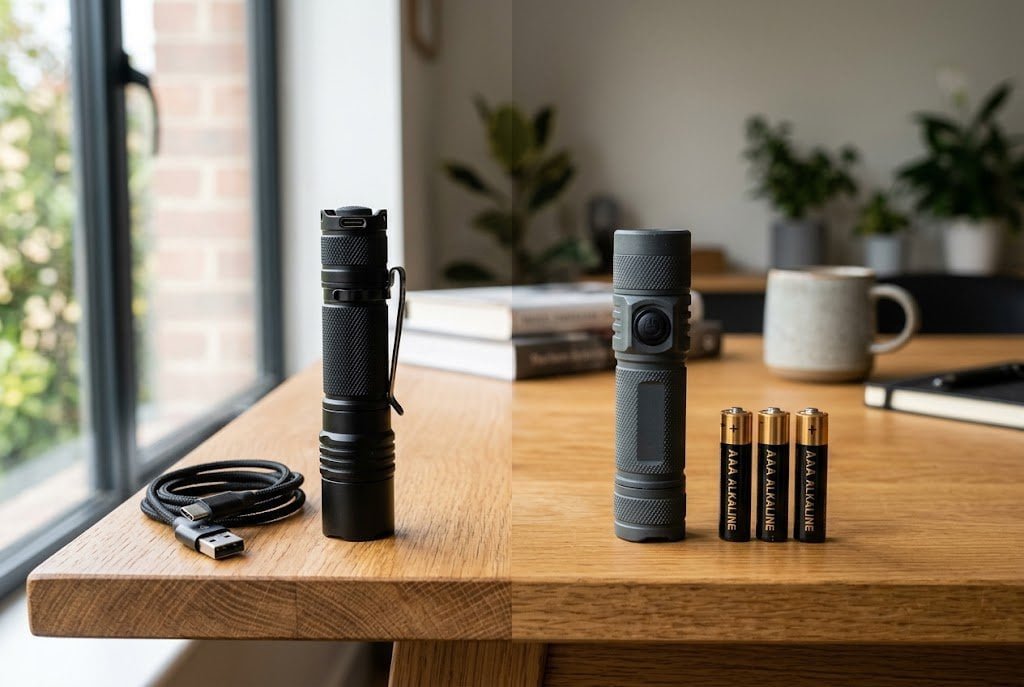
Battery design impacts size, weight, cost, and convenience. Disposable AAA batteries are easy to replace; rechargeable options save money and work for frequent use.
Rechargeable batteries, especially USB-C enabled, are preferred for regular use. They reduce waste, are convenient, and integrate well into daily routines.
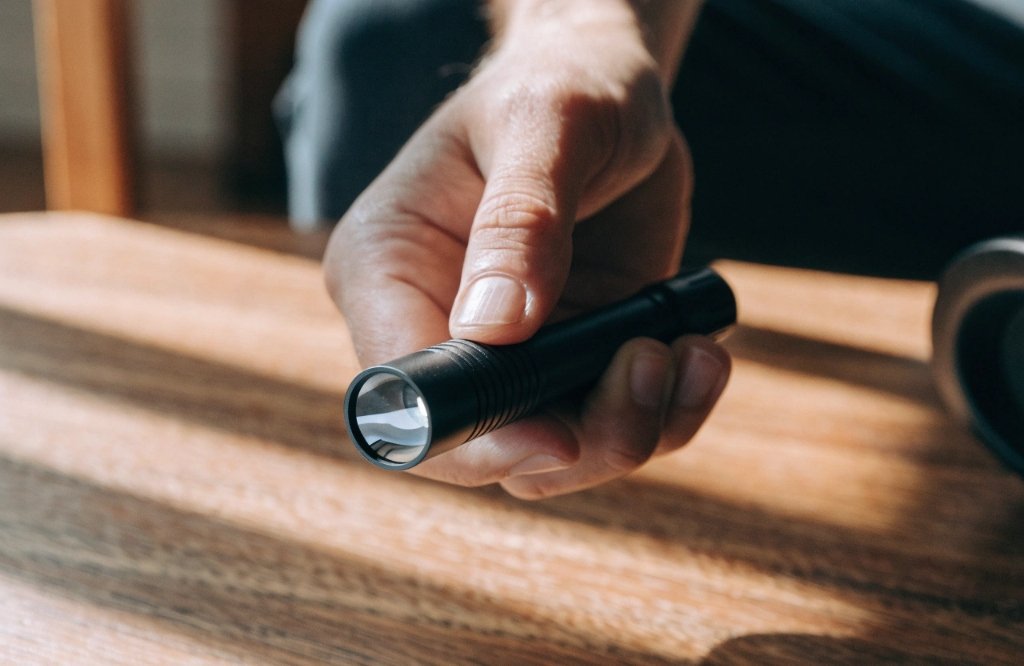
| Different users benefit from different battery types: | Battery Type | Pros | Cons |
|---|---|---|---|
| Disposable | Accessible, no pre-charging needed | Costly over time | |
| Rechargeable | Eco-friendly, fits modern lifestyles | Limited runtime if not charged |
When buying, consider runtime across brightness modes—not just the battery’s size. A smaller flashlight may prioritize portability over extended high brightness.
Beam Pattern: Floodlight or Spotlight?
Lumens show brightness, but beam patterns shape usability. Wide, even "flood beams" are great for close-up tasks. Narrow "spot beams" excel at long-distance lighting.
For everyday carry, opt for balanced beams—wide enough to see surroundings, focused enough for clarity at a distance. Adjustable focus adds flexibility.
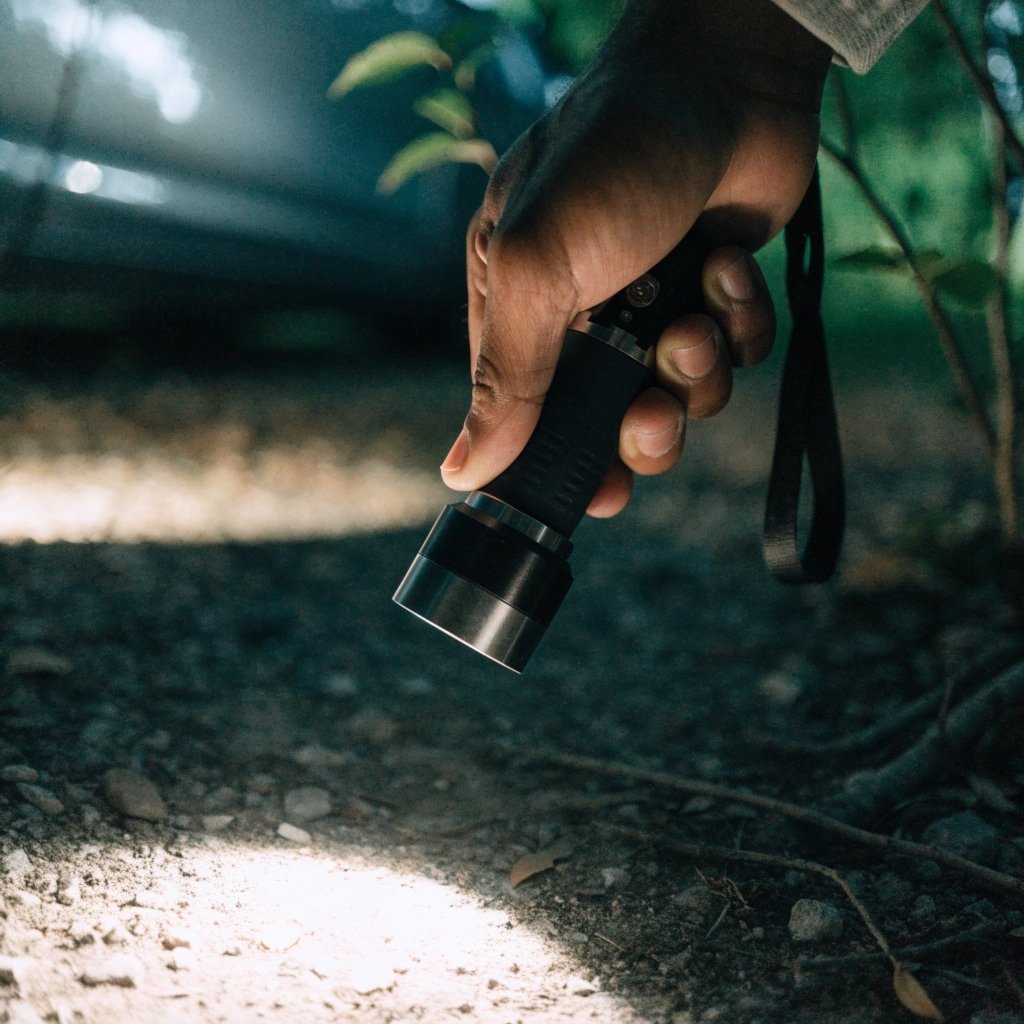
Flood beams illuminate broader areas, perfect for indoor use or camping. Spot beams target specific points, better for navigation or searching distant objects.
The best pick depends on your typical environment2. Indoors, wide beams shine. Outdoors, a strong focus helps.
Which Features Are Worth Paying For?
EDC flashlights come loaded with features—magnetic bases, belt clips, or OLED screens. But not all upgrades improve usability. Key features matter most.
Focus on practical features like lock mechanisms, magnetic bases for hands-free tasks, and power indicators. Avoid unnecessary complexity unless it adds real value.
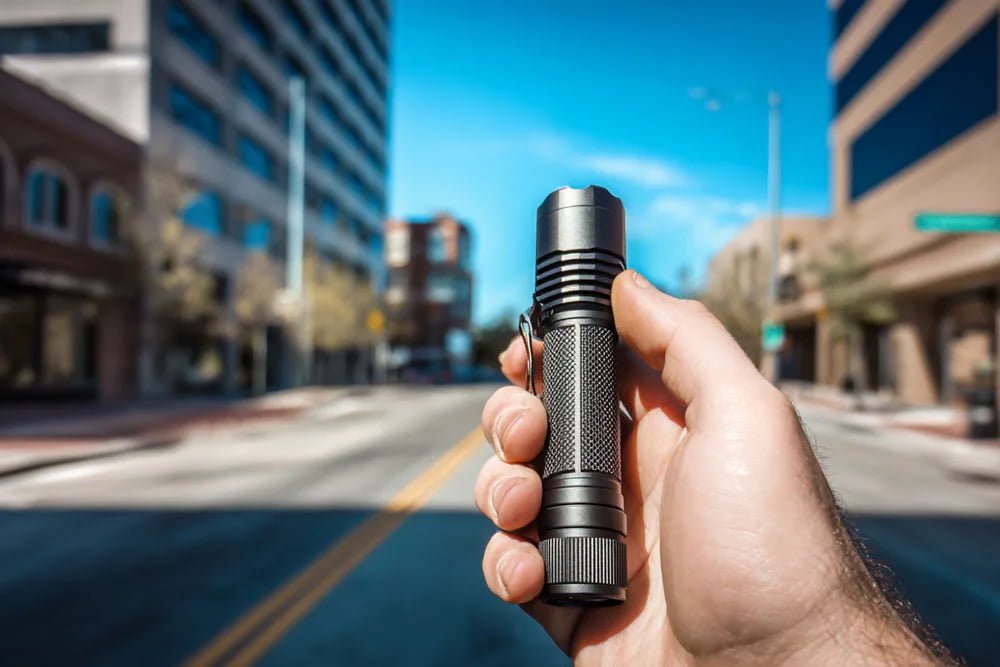
| Feature | Use Case | Practicality |
|---|---|---|
| Magnetic Base | Repairs, engine checks | Highly useful |
| Clip | Everyday portability | Essential |
| Lock Function | Prevent accidental activation | Useful |
Choose features that simplify handling or enhance reliability. Extra modes or screens can be appealing but aren’t always necessary for average users.
Durability and Weather Resistance Matter More Than You Think
Daily carrying subjects your flashlight to wear and tear—scratches, drops, exposure to rain. Durability ensures it survives these challenges.
Water-resistant and robust flashlights with IP ratings are best for everyday use. Metal bodies resist impact better than plastic ones.
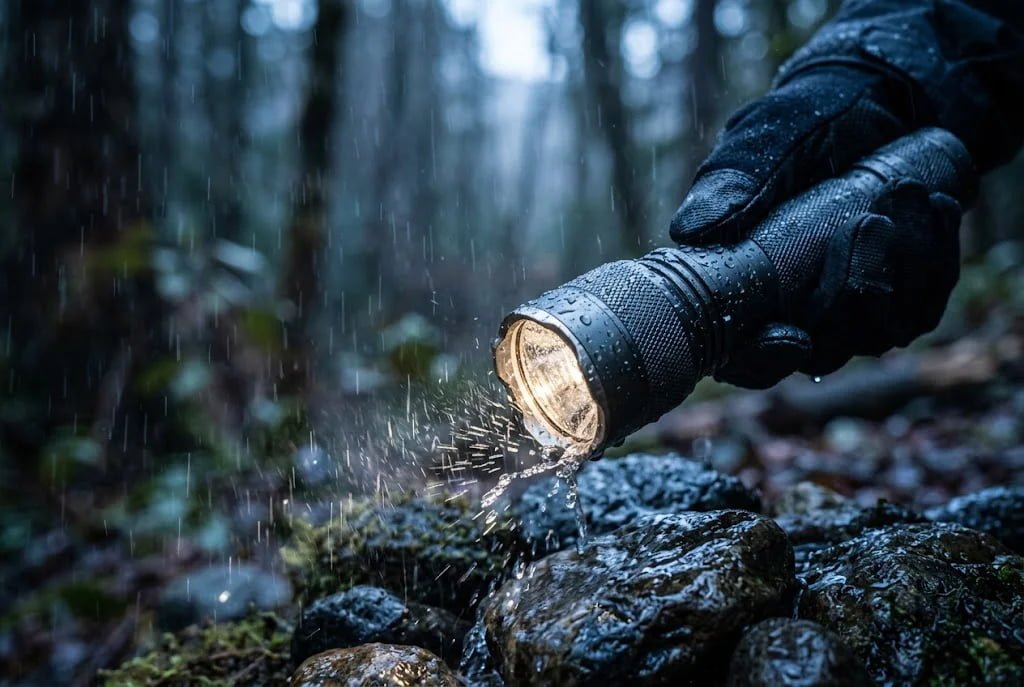
Look for clear IP ratings. IPX7 supports temporary immersion; IPX4 handles splashes. Attention to seals, switches, and charging ports ensures consistent performance in tough conditions.
A reliable flashlight doesn’t just shine—it withstands real-life scenarios.
So, What Is the Best Compact EDC Flashlight for You?
There’s no universal "best" flashlight. Instead, match features to your needs—daily tasks, outdoor adventures, or emergency preparedness.
Choose a flashlight based on size, runtime, beam pattern, and durability. Opt for models with features that simplify your specific lifestyle.
Shopping Checklist:
- Compact yet functional size.
- Adjustable brightness with good runtime.
- Reliable construction and weatherproofing.
- Features enhancing convenience, not complexity.
Test flashlights if possible. What works for others may not suit your tasks.
Conclusion
The best EDC flashlight is one you actually carry. It should combine portability, brightness, and reliability while fitting your lifestyle and needs.
"12 Best EDC Flashlights 2026: Ultimate Buying Guide & Head- ...", https://www.youtube.com/watch?v=Hx9sk57DB5o. Design principles in product development emphasize that user-friendly designs enhance reliability and performance in everyday tools like flashlights. Evidence role: mechanism; source type: education. Supports: A good design ensures reliability, ease of use, and consistent lighting performance.. Scope note: The relationship between design and performance may vary based on individual user preferences and experiences. ↩
"Choosing the Perfect Intrinsically Safe Flashlight for Your ...", https://intrinsicallysafestore.com/blog/choosing-choosing-the-perfect-intrinsically-safe-flashlight-for-your-specif?srsltid=AU7gw4VQQ1-3WrE_8xnUM1BguqQIAk0picafwt7Q-8XJwVt1bQwvk4JT. Environmental factors play a significant role in determining the effectiveness of portable lighting tools, including flashlights. Evidence role: mechanism; source type: research. Supports: The best pick depends on your typical environment.. Scope note: The effectiveness of a flashlight can vary widely based on specific environmental conditions and user needs. ↩