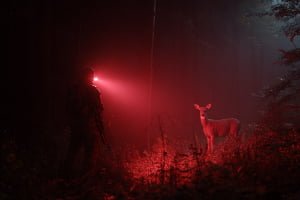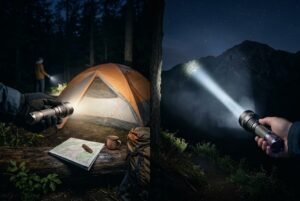
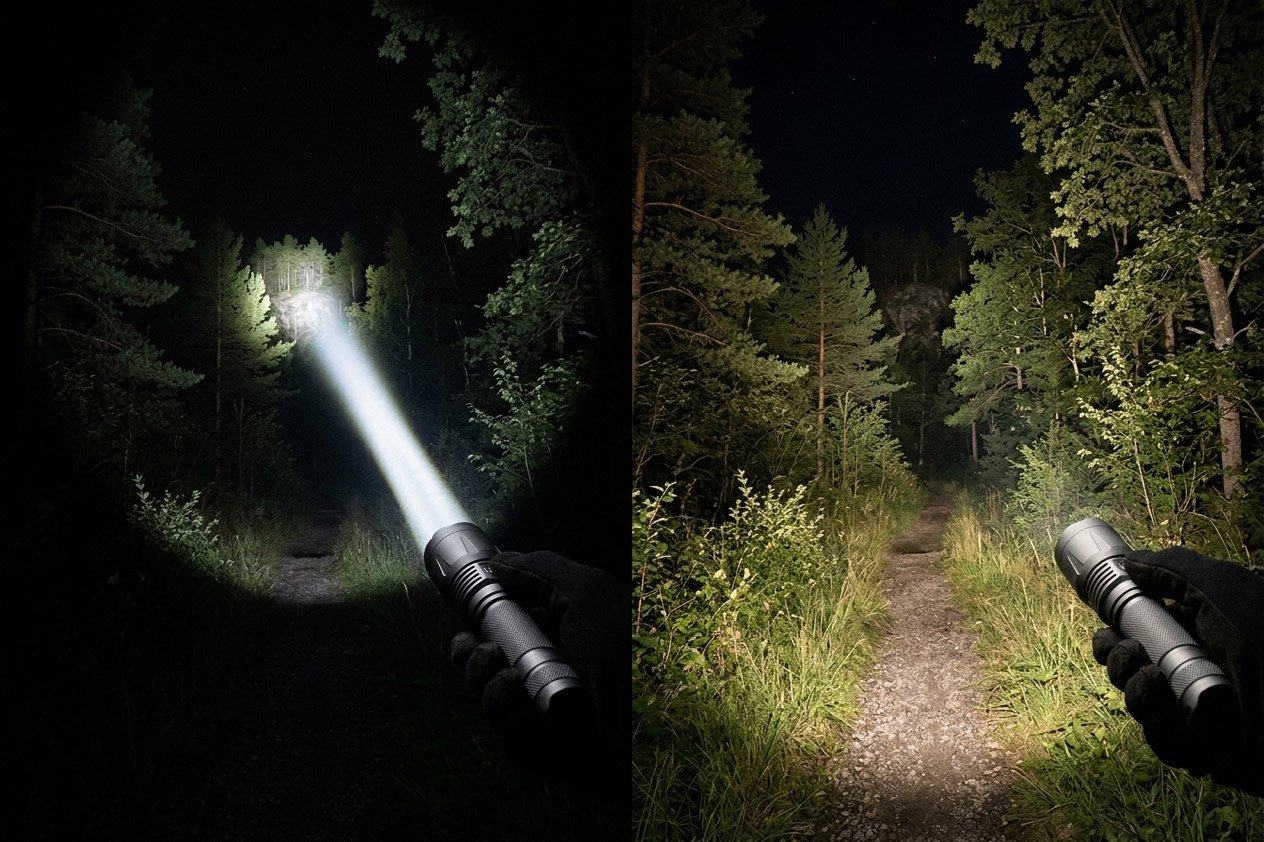
When deciding on a flashlight or headlamp, many focus on lumens, thinking brighter is better. But why do two similar-lumen devices produce such different lighting effects?
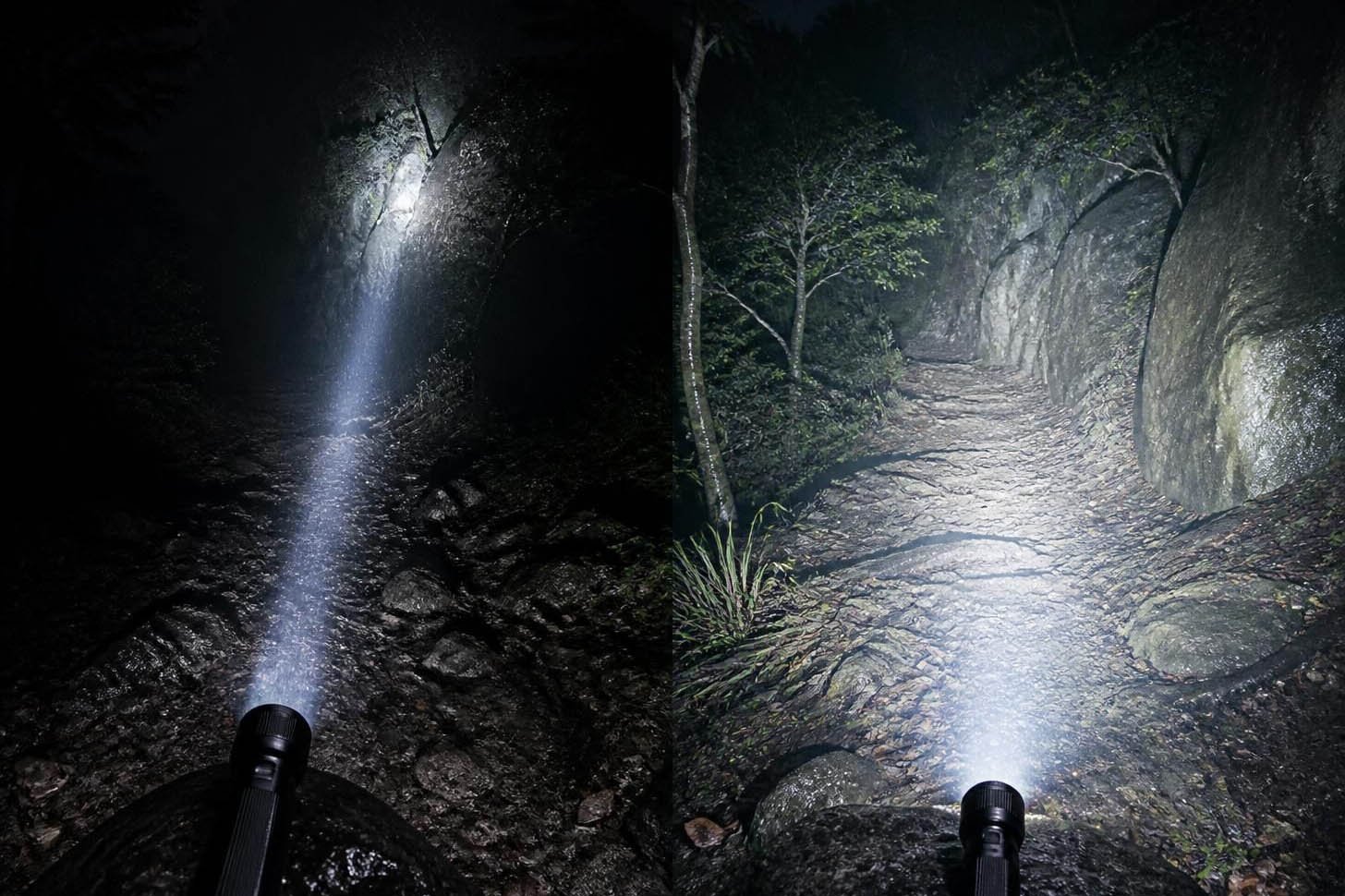
The key difference lies in beam distribution: Spot beams focus light over long distances, while flood beams spread light across a wide area for closer tasks.
Choosing the right beam type is crucial for activities like camping, night hiking, or equipment repair. Let’s dive deeper into these beam types and their practical applications.
What Is a Spot Beam?
Spot beams provide concentrated light, specifically illuminating distant objects. This makes them ideal for long-distance visibility in dim conditions.
A spot beam uses optical systems to direct light into a narrow area, enhancing brightness at the center and allowing visibility over extended distances.
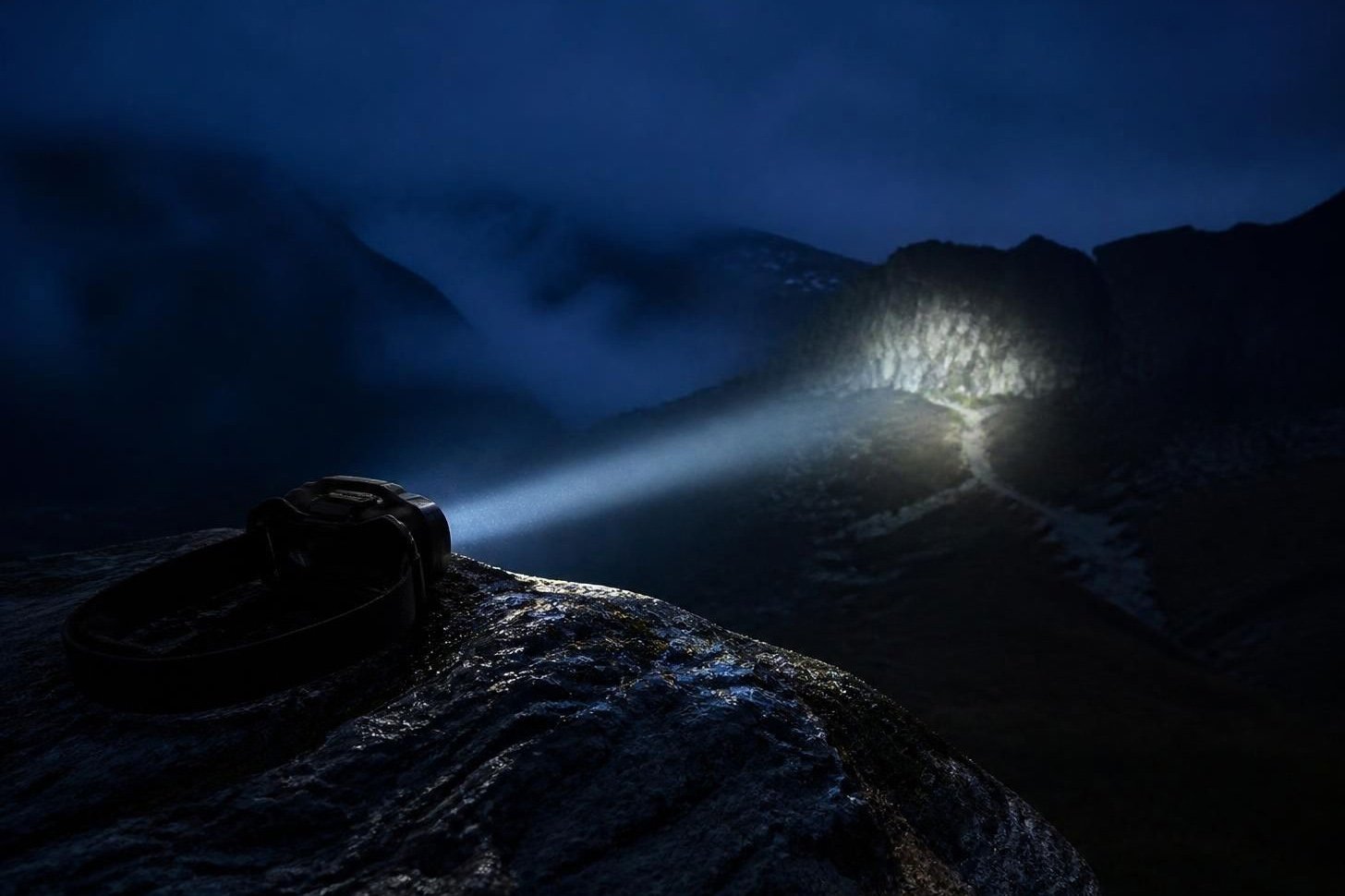
Spot beams shine in scenarios like nighttime navigation. Suppose you’re hiking; these beams help you spot distant trail markers or obstacles. However, they often neglect nearby surroundings, leaving shadowy areas. Surrounding light, called spill light, can help, but its brightness is limited compared to the focused beam center.
Spot beams excel in specific uses but struggle with balancing brightness for nearby tasks. For hikers and search-and-rescue teams, spot beams are indispensable for long-distance awareness.
What Is a Flood Beam?
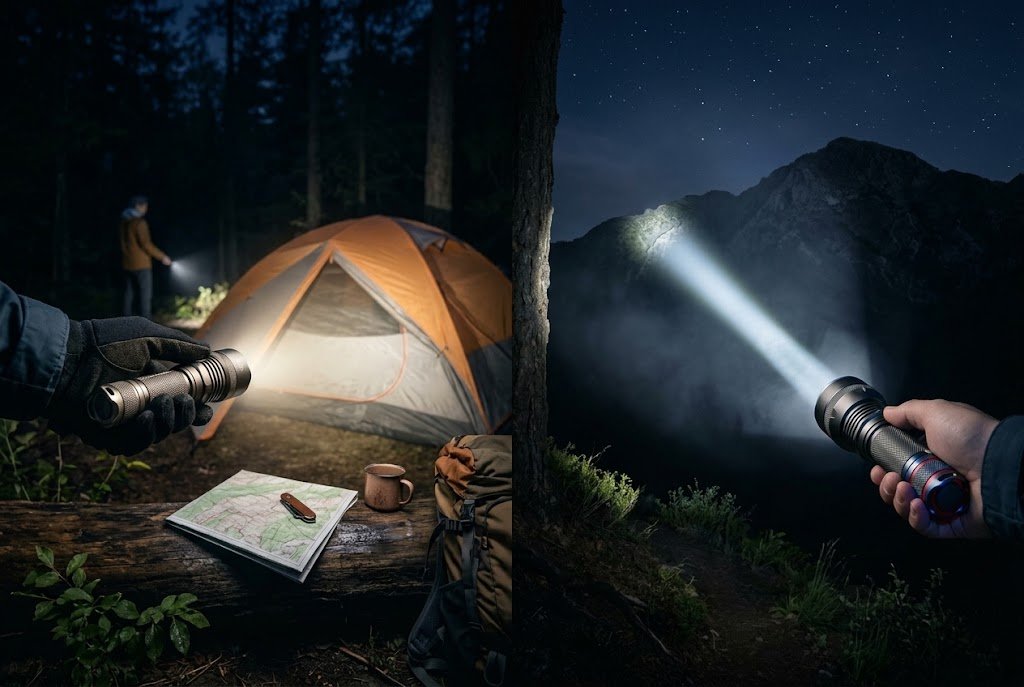
Flood beams offer broad, even illumination to cover wider areas, ideal for close-range tasks like campsite setup or equipment inspection.
Flood beams spread light across a wider area1, minimizing shadows and ensuring visibility for immediate surroundings.
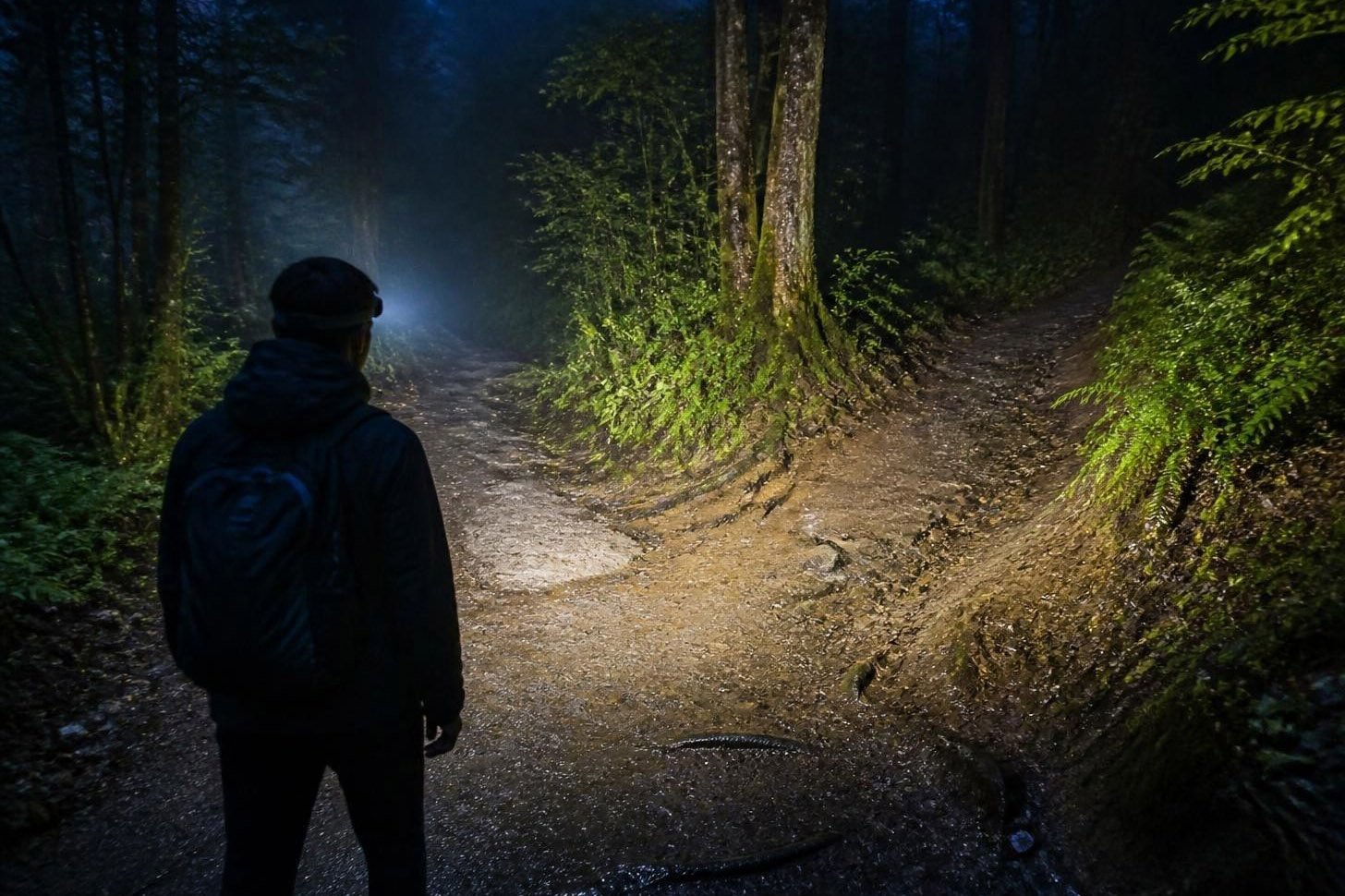
For example, when camping, flood beams light up your tent, table, and tools. They are perfect for general use because they balance brightness across spaces. Unlike spot beams, flood beams sacrifice intensity for uniformity, making them unsuitable for distant object visibility.
Streamlight, a professional lighting company, often links spot beams to long-distance tasks and flood beams to close-range work. This distinction simplifies choosing the right flashlight for your needs.
Flood beams are better suited for broad-area coverage. Professionals like technicians and outdoor enthusiasts rely on them for close-range clarity and comfort.
How Do Spot and Flood Beams Differ Beyond Width?
Spot and flood beams differ in technical attributes like lumens, candela, and beam distance, which define their overall performance.
Lumens measure total light output, candela indicates peak brightness, and beam distance reflects how far light travels effectively.
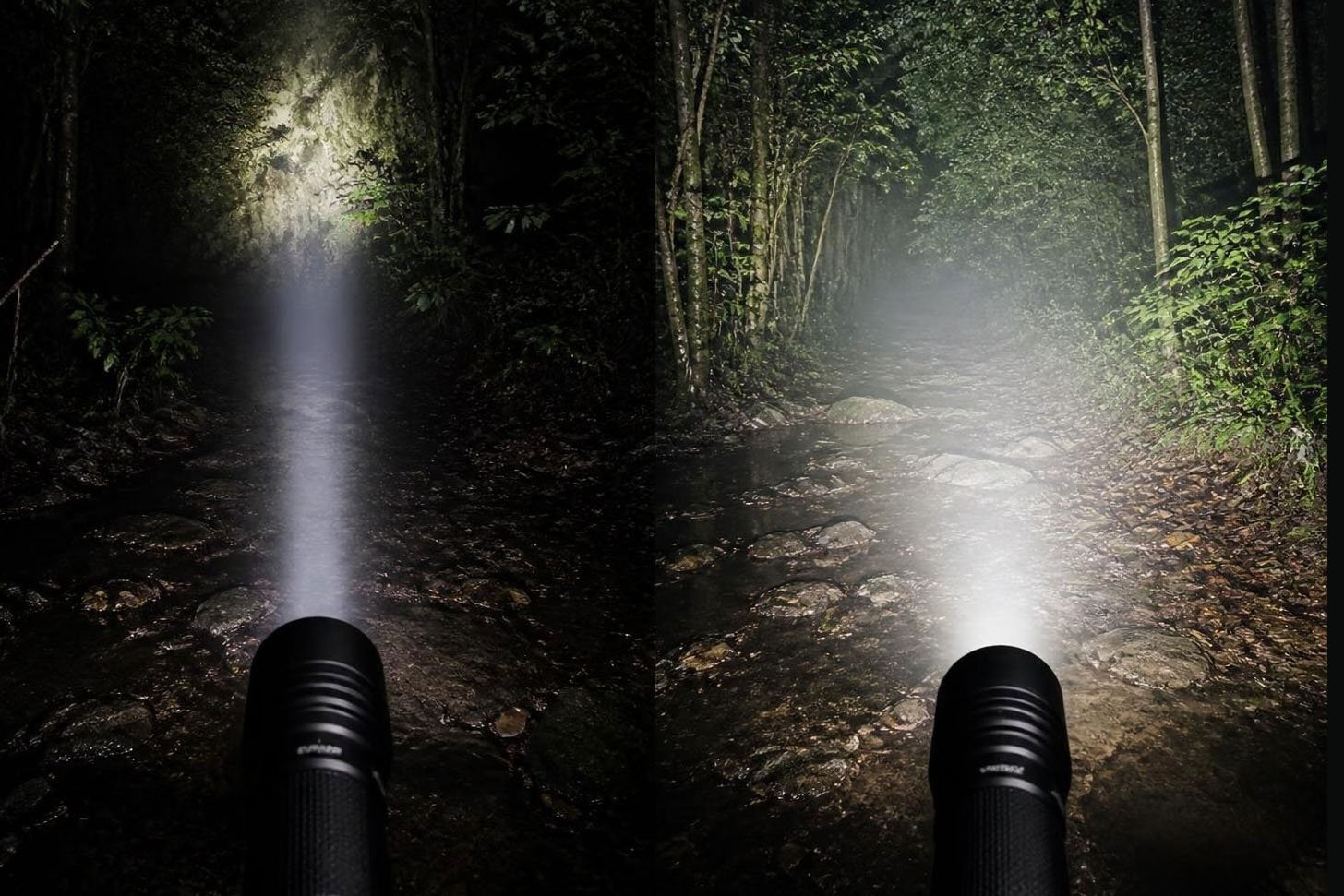
Imagine two 1,000-lumen flashlights. A spot design concentrates light to enhance candela, reaching distant targets effectively. A flood design distributes light evenly, reducing brightness per unit area. Their uses differ despite identical total output.
Understanding these metrics ensures informed buying decisions. For distant tasks, prioritize candela and beam distance. For close tasks, focus on brightness uniformity and coverage.
Beam distance measures light reach but doesn’t guarantee clarity at that distance. Environmental factors like fog or dust, along with visual acuity, impact actual visibility.
Why Do Flashlights With Similar Lumens Appear Different?
Spot and flood beam effectiveness isn’t solely dictated by LED power but by the interplay between light source, optical systems, and design.
Reflective cups and lens structures concentrate or spread light, shaping the beam’s brightness and width.
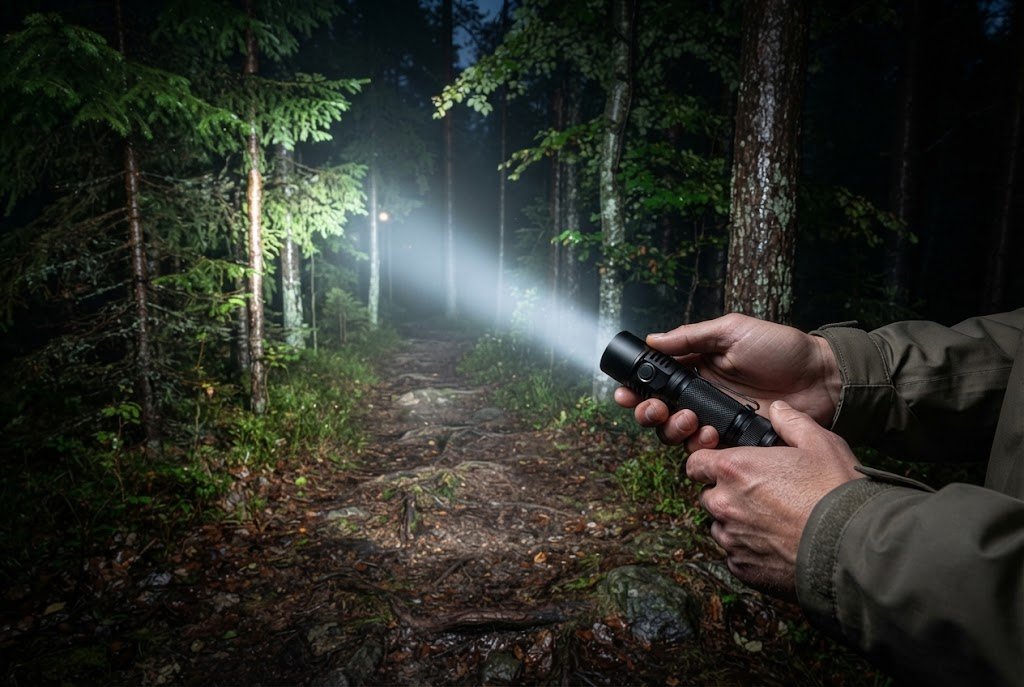
For example, concentrated reflectors focus light on distant objects, while diffused lenses create broader beams for wider coverage. Matching LEDs with optical systems ensures optimal performance for specific use cases.
Additionally, product design balances beam intensity, power consumption, and comfort. Accurate beam design tailors products for user needs, ensuring effective illumination.
Manufacturers craft flashlights to suit varied scenarios. Spot beams focus on long-distance clarity, while flood beams prioritize wide-area illumination.
Which Beam Type Is Best for Various Scenarios?
Hiking and Outdoor Exploration
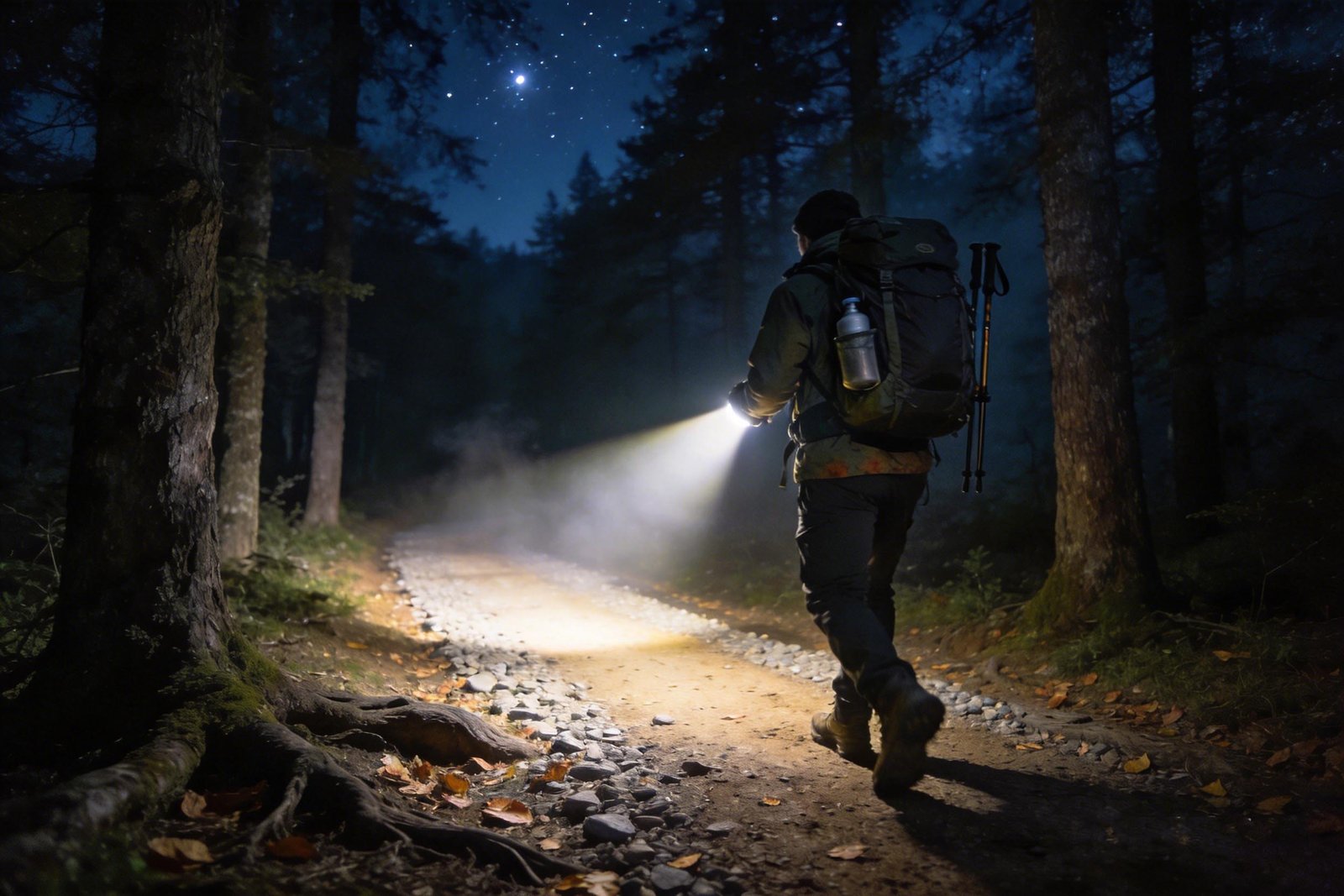
Night hiking demands visibility both near and far. Spot beams help see trail markers, while flood beams illuminate the path underfoot.
Combination headlamps with both beam types ensure balanced visibility for hiking across diverse terrains.
For short hikes, flood beams suffice. For unfamiliar paths or challenging terrains, spot beams add crucial distance visibility, enhancing safety.
Camping and Everyday Use
Camping setups rely on flood beams for broad illumination of tents, tables, and nearby areas. Spot beams don’t suit such tasks due to narrow brightness.
Flood beams spread light evenly, creating a comfortable environment for activities like cooking or organizing gear.
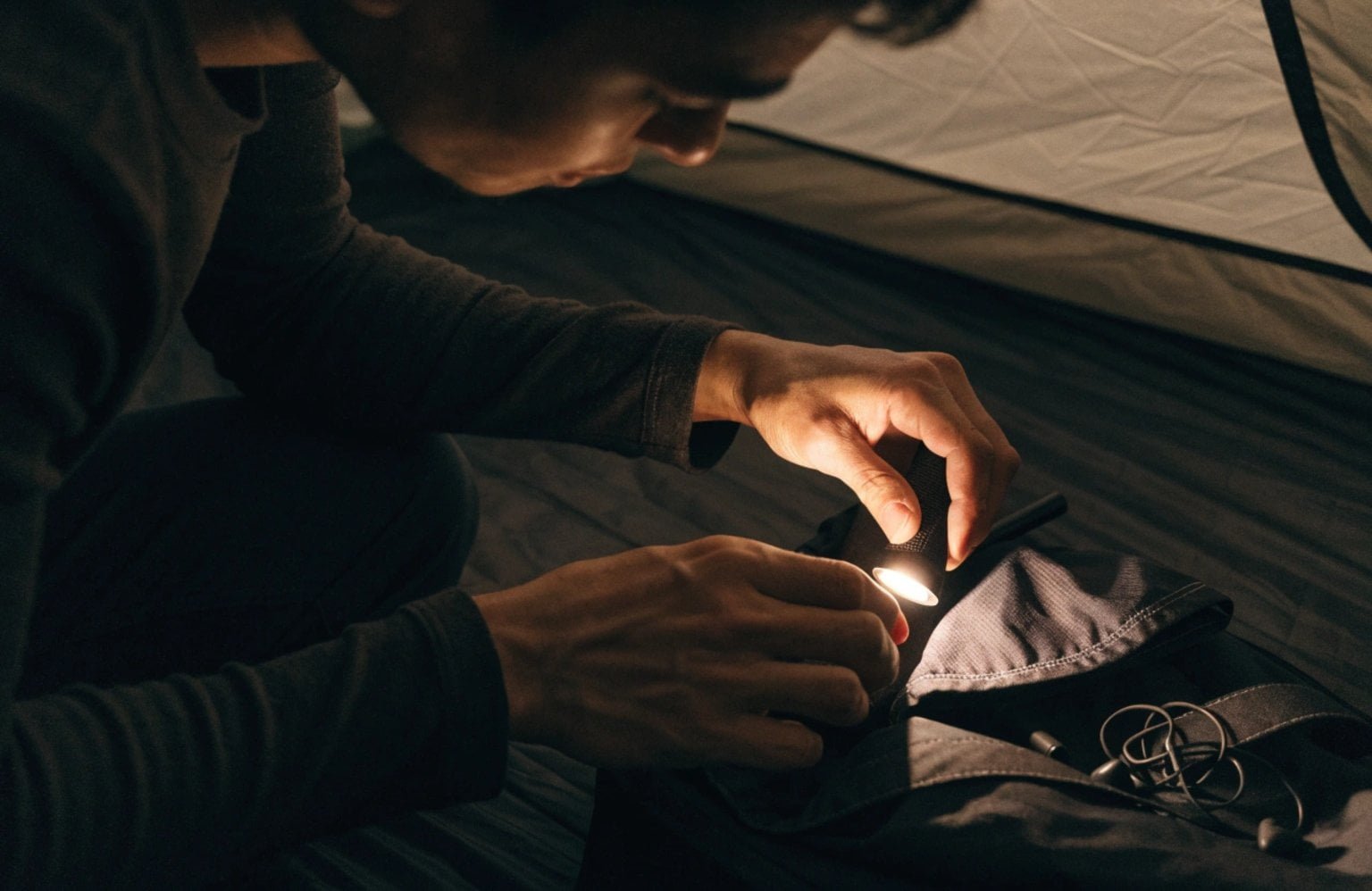
Users value flood beams for wide-area convenience, ensuring safety and ease during nighttime activities.
Industrial Maintenance and Repairs
Technicians need clear visibility for detailed tasks in confined spaces like machinery or electrical cabinets.
Flood beams offer uniform light to minimize shadows and enhance precision during maintenance tasks.

Spot beams assist in inspecting distant machinery but aren’t practical for detailed close-range work.
Search Operations and Long-Distance Observation
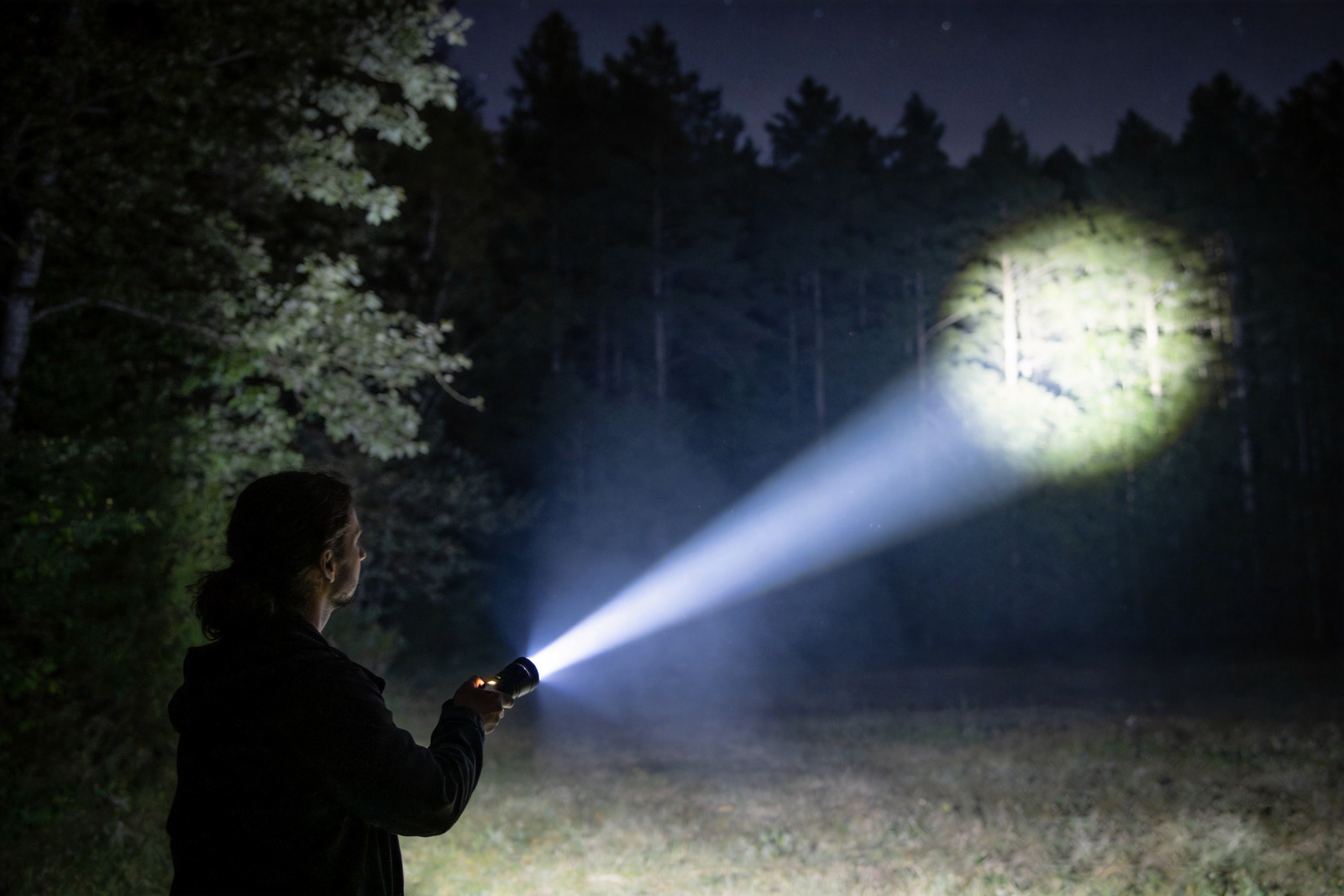
Spot beams excel in search-and-rescue missions or patrol tasks where distant visibility is key.
High-candela spot beams penetrate darkness, illuminating targets from afar.
Combining spot and flood beams ensures balanced distant and peripheral visibility, supporting comprehensive search efforts.
Should You Choose Spot, Flood, or Combo Beam?
Products combining spot and flood beams offer versatile lighting solutions for varied tasks. Combo beams provide balanced center intensity with wide coverage.
Combo modes enable switching between beam types, adapting to outdoor or professional needs seamlessly.
The trade-off is power consumption and convenience. Choose combo beams for multi-purpose lighting needs.
What to Look for When Buying a Flashlight or Headlamp?
Besides lumens, consider candela, beam distance, and optical design. Match beam type to your specific use case.
Don’t equate higher lumens with better performance. Beam distribution determines overall utility.
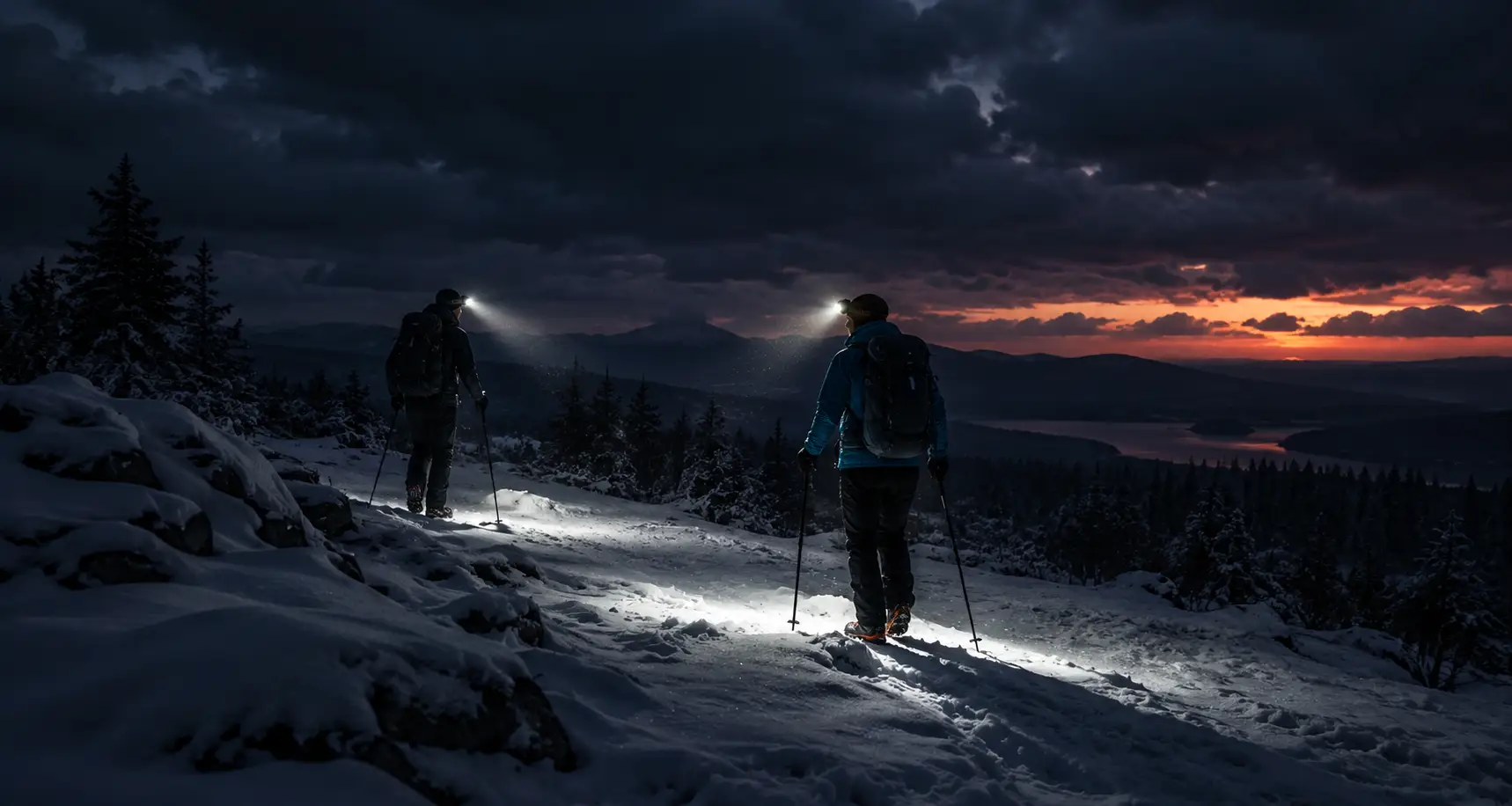
Evaluate real beam effects and test product functionality. Manufacturers should provide beam images for clarity.
Finally, balance beam type with durability, comfort, and ease of use. Tailored design outperforms generic specifications for practical lighting needs.
Conclusion
Choosing between spot and flood beams depends on your lighting needs. Spot beams shine for long-distance tasks, while flood beams excel at broad-area coverage. Combo beams blend both features for versatile use.
Before buying, ask: Do I need distant brightness or wide-area clarity? This simple question often leads to the perfect flashlight or headlamp for your needs.
"Flood Light Beam Spread & Roadway Distribution", https://magniflood.com/light-distribution/. This source discusses the characteristics of flood beams, including their ability to spread light evenly across a wide area, which supports the claim about their functionality. Evidence role: mechanism; source type: encyclopedia. Supports: Flood beams spread light across a wider area, minimizing shadows and ensuring visibility for immediate surroundings.. Scope note: The source may not provide direct comparisons with spot beams, focusing instead on flood beam characteristics. ↩