Many people prioritize brightness, battery life, or capacity when choosing a headlamp but often overlook waterproof and dustproof capabilities. These features determine whether the headlamp functions reliably in rain, mud, humidity, and dusty environments.
An outdoor headlamp should have an IP rating suited to its use case, ranging from IPX4 for light rain to IPX7 for immersion in water. Choose based on activity needs.
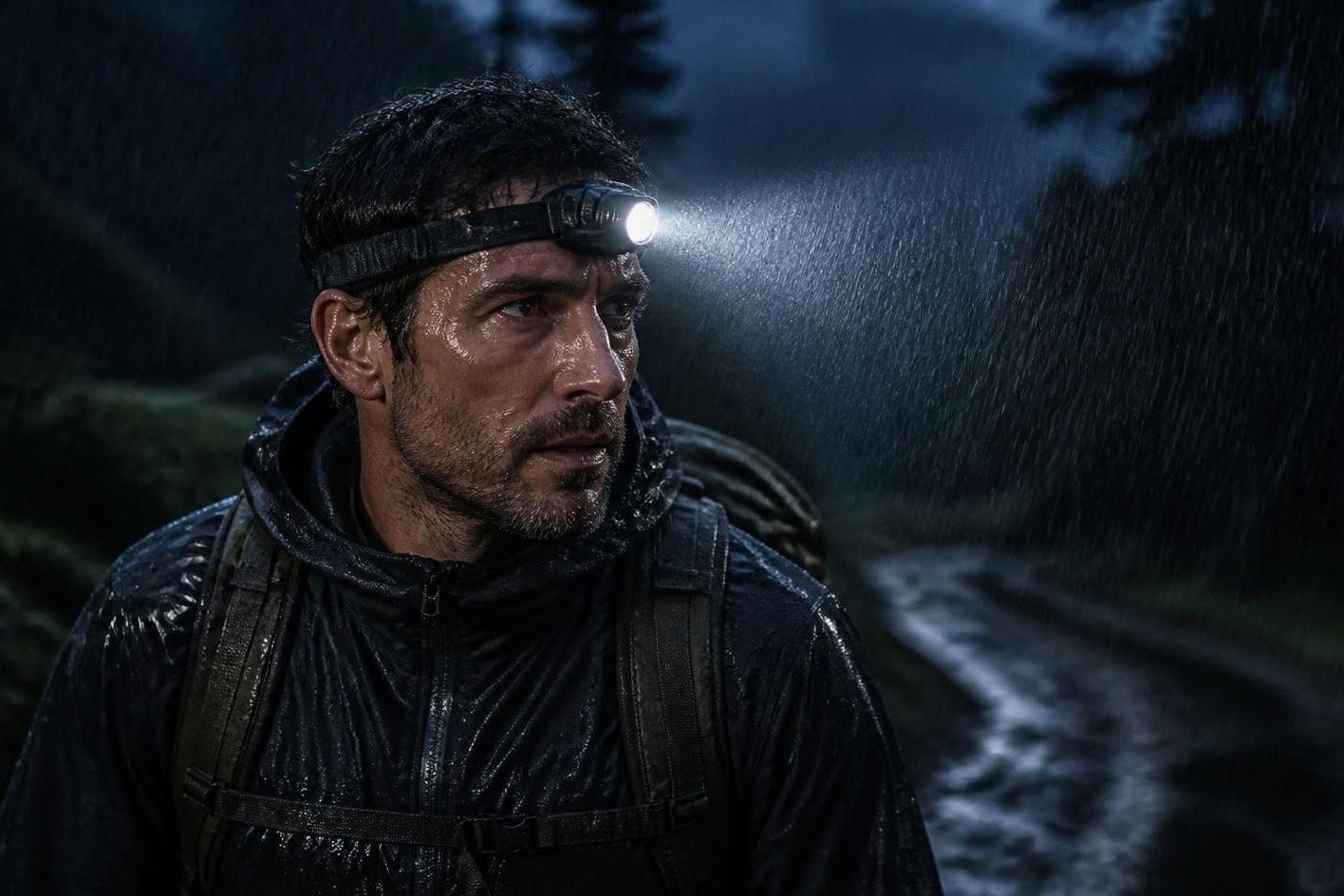
Understanding the IP rating system helps you pick the right headlamp without overspending on unnecessary features. Let’s dive deeper into how these ratings apply and what you should look for.
What does an IP rating signify?
An IP rating describes how well a device resists intrusion from solids and liquids. It includes two numbers: the first for dust protection and the second for water resistance.
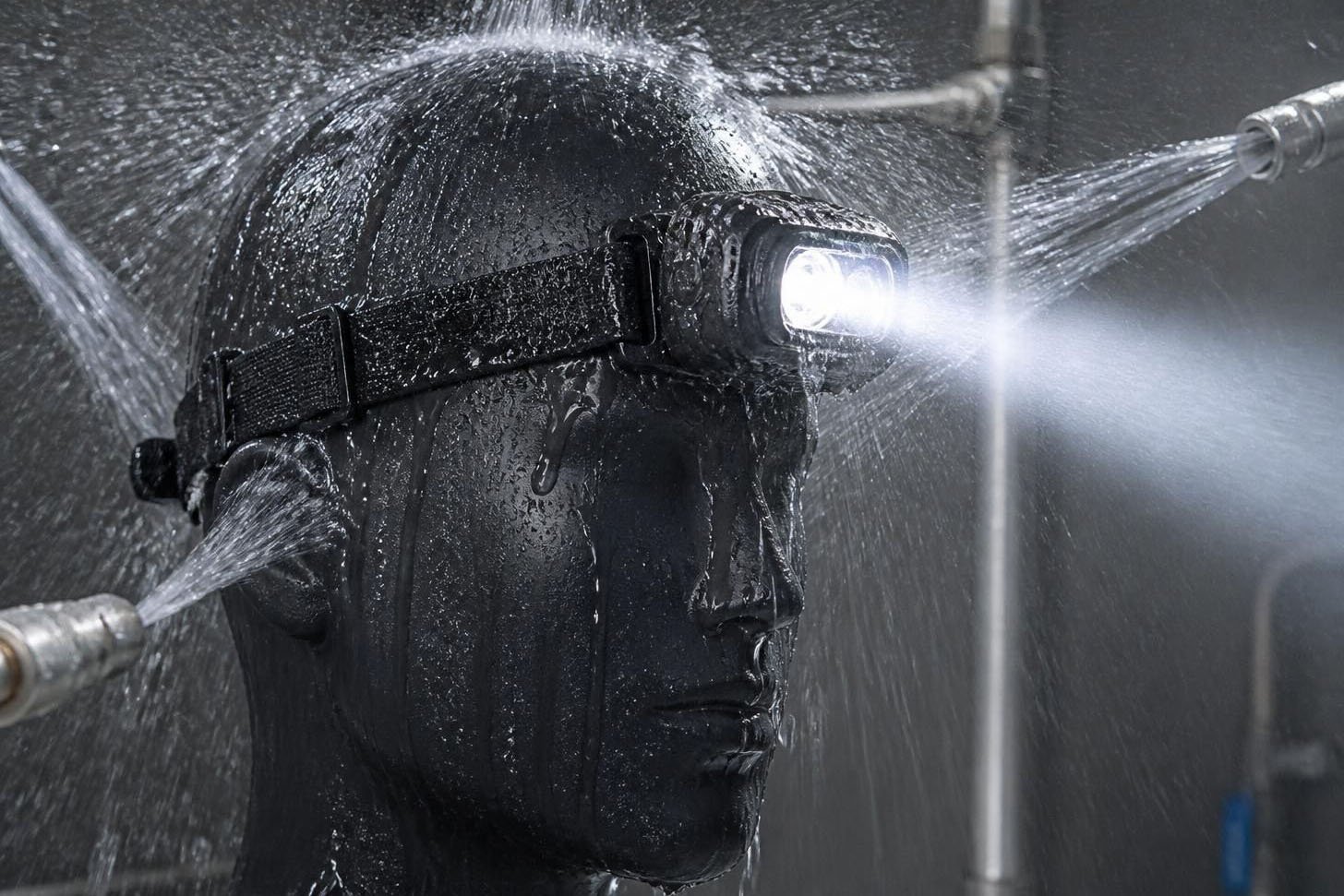
For example, IP65 means the device is dust-tight and resistant to water jets. A higher rating generally implies better protection against specific environmental factors.
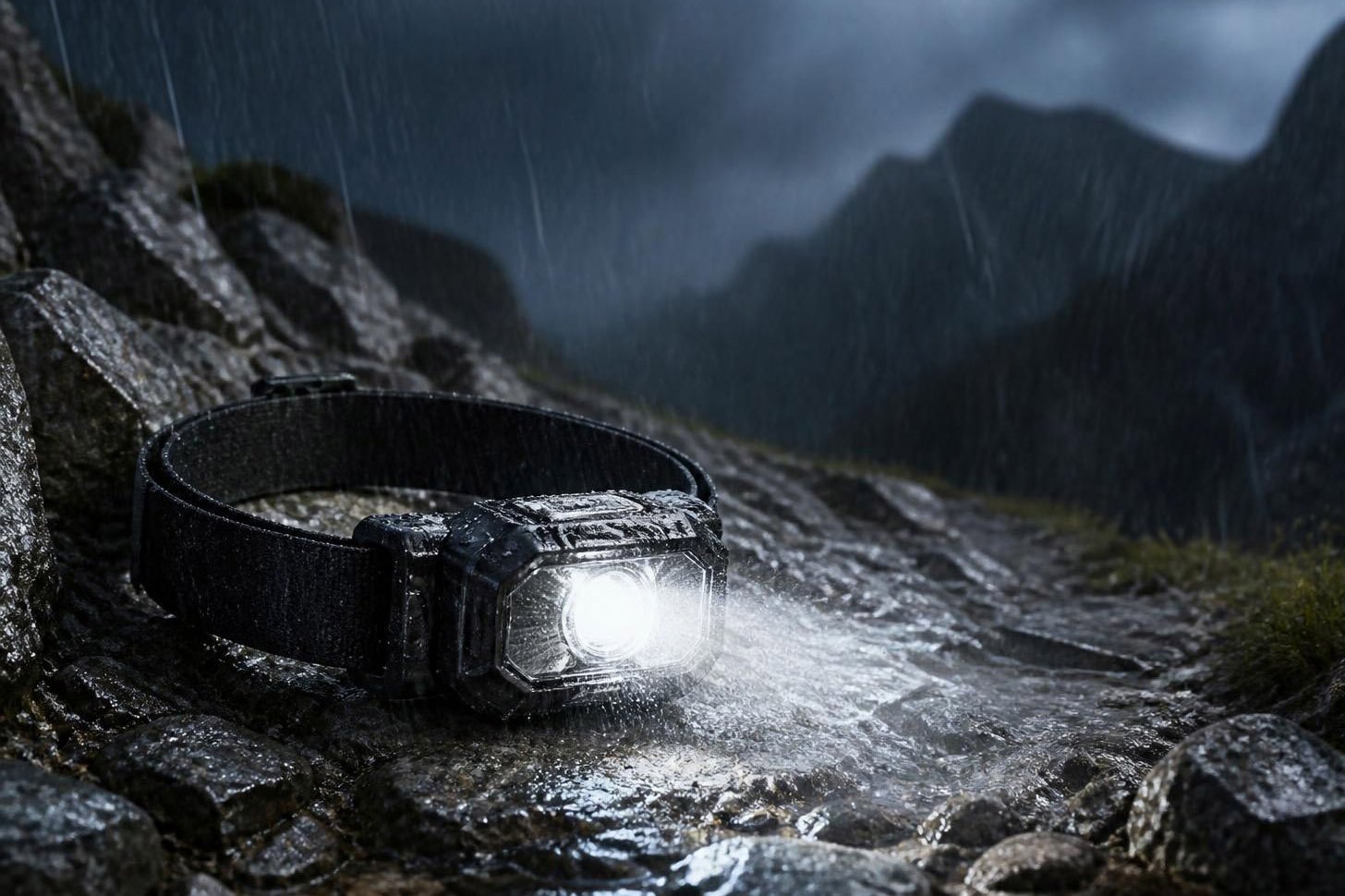
The numbers don't cover all scenarios. A product resistant to splashes might fail under immersion. Longevity also depends on wear and tear, so consider the device's durability over time.
How do IPX4, IPX5, IPX6, and IPX7 differ?
Many outdoor activities require different levels of water protection, ranging from splashes to immersion. Even slight differences in ratings can significantly affect performance.
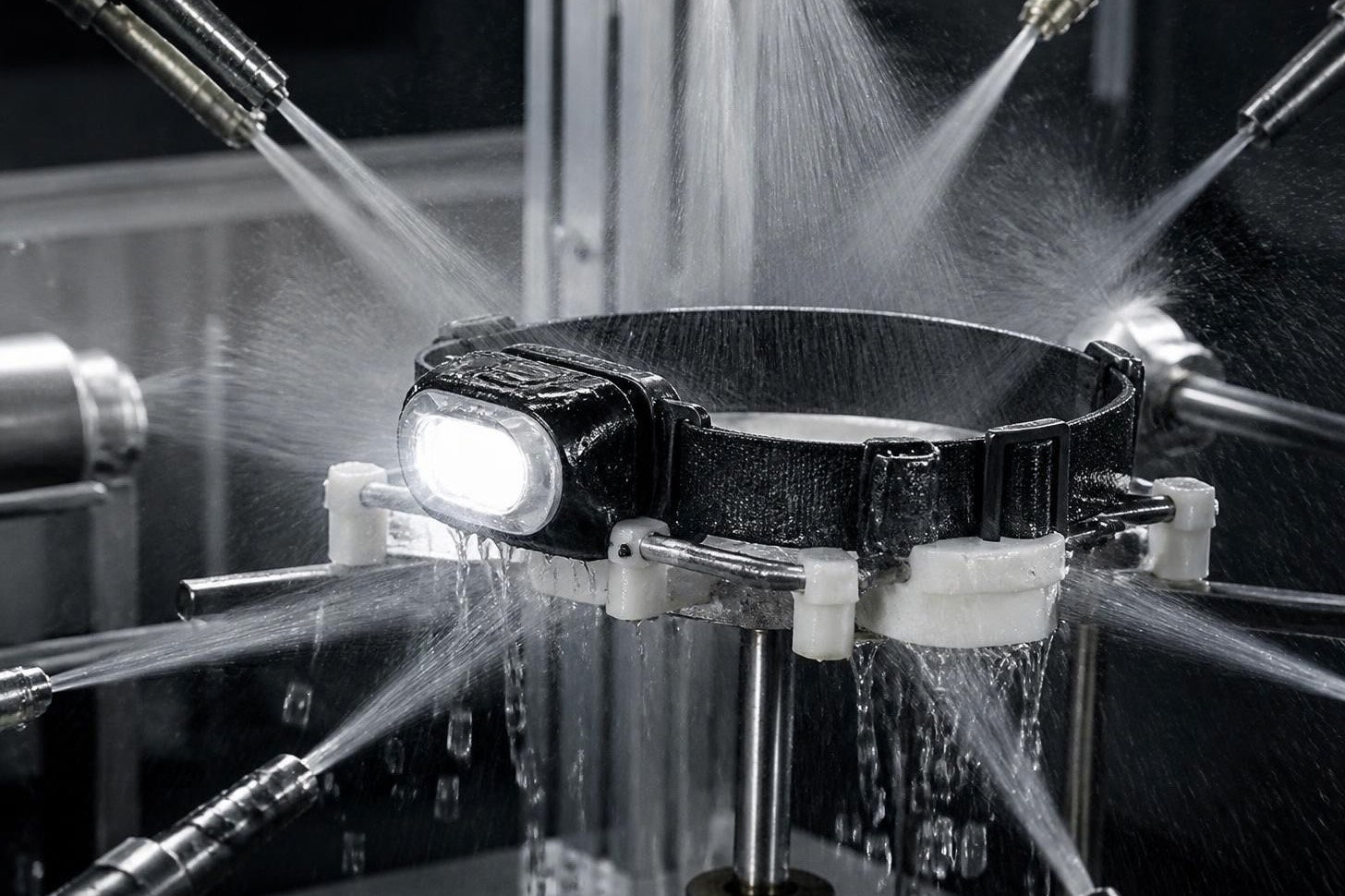
IPX4 protects against splashing water, IPX5 resists water jets, IPX6 withstands strong jets, and IPX7 survives temporary immersion under specific conditions.
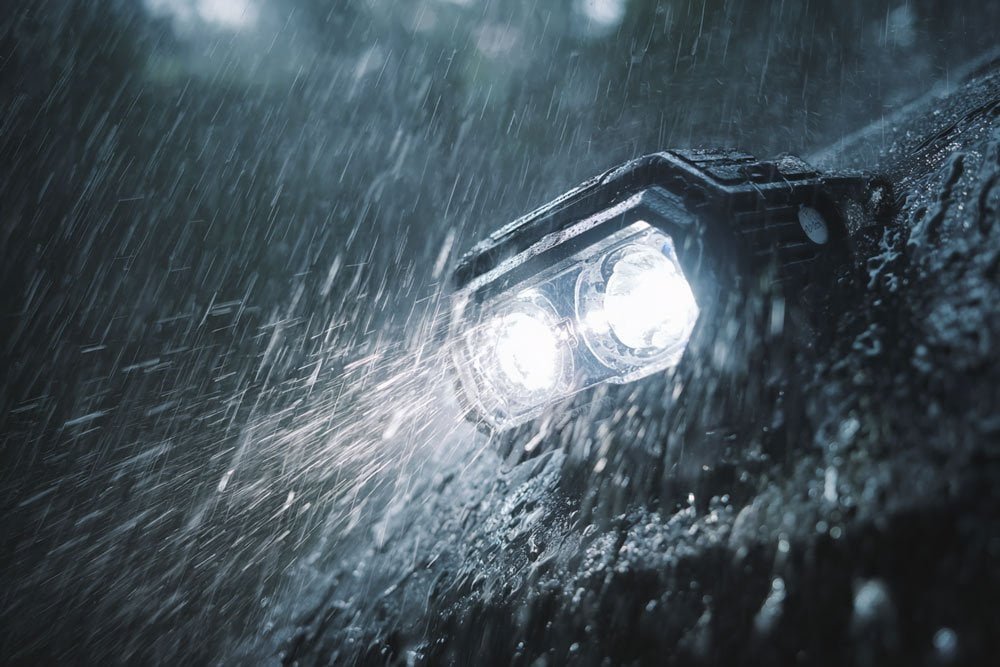
Here’s a deeper breakdown of these ratings:
| Rating | Protection Type | Ideal Scenarios |
|---|---|---|
| IPX4 | Resists splashes from any direction | Light rain during camping or walking |
| IPX5 | Resists water jets from any direction | Heavy rain or concentrated water flows during hiking |
| IPX6 | Resists strong water jets | Intense rainstorms or wet working conditions |
| IPX7 | Survives temporary immersion in water | Fishing, boating, or accidental water exposure |
Choose wisely based on expected conditions and activity intensity.
Why should dust protection matter for headlamps?
Dust may seem trivial compared to water, but it can affect gears, buttons, and electronics. Outdoor environments like deserts or construction sites expose headlamps to fine particles.
The first number in an IP rating indicates dust protection, with IP6X being the highest level for solid particle resistance.
For example:
- IP65: Dust-tight and protected from water jets.
- IP66: Dust-tight but with higher water jet resistance.
If you're regularly working in dusty places, dustproofing is as essential as waterproofing.
Why might headlamps still fail despite high IP ratings?
Manufacturers test devices under controlled conditions, but real-world usage often varies. Issues like imperfect seals, worn-out gaskets, or user error can cause water and dust intrusion.
Headlamps fail when seals around battery compartments, charging ports, or buttons wear out, emphasizing the need for proper maintenance.
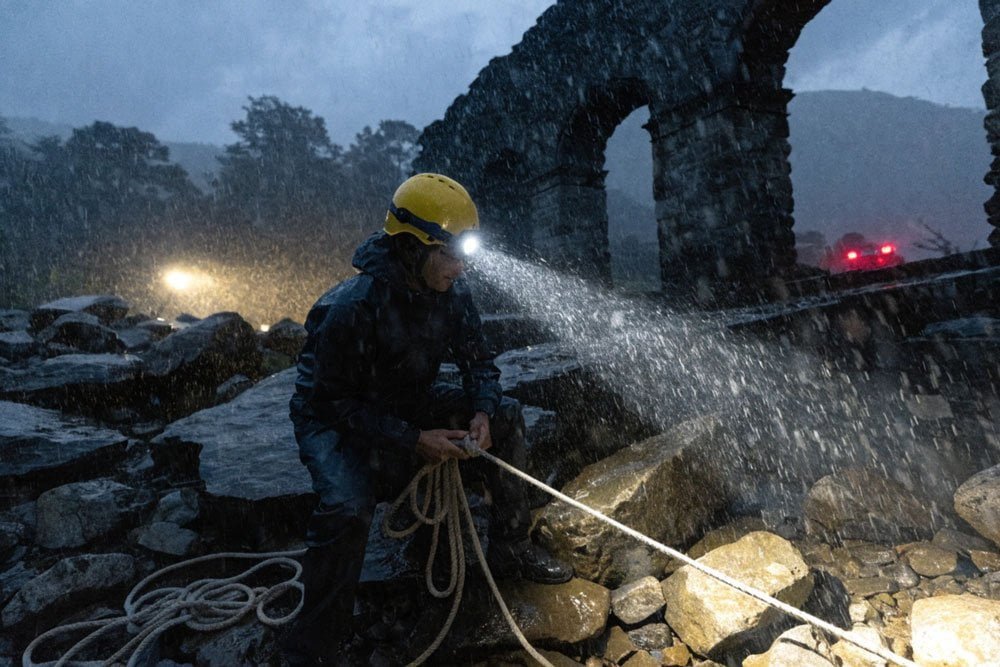
Here’s how to mitigate potential failures:
- Check seals: Ensure covers and caps are securely closed after use.
- Inspect wear: Look out for damaged gaskets or cracks in the casing.
- Avoid extremes: Don't exceed the manufacturer's recommended conditions.
These steps help maintain long-term reliability even in tough environments.
How to choose the right IP rating for your outdoor activity?
Matching the IP rating to your activity ensures you’re not overpaying for unnecessary protection or underestimating your needs.
For light rain, IPX4 suffices. For heavy rain or immersion risks, IPX5, IPX6, or IPX7 are ideal. Dusty environments require additional solid particle protection like IP65.

Consider these use cases:
- Camping and walking: IPX4 for basic splash resistance.
- Hiking and trail running: IPX5 or IPX6 for stronger water protection.
- Fishing or boating: IPX7 for immersion risks.
- Construction: IP65 or higher for dust and water protection.
Balancing cost, durability, and usability ensures the headlamp meets your specific needs.
Are higher IP ratings always better?
While higher ratings offer more protection, they can increase costs, weight, and size, which might not suit all users. Manufacturers also face challenges in balancing design, materials, and production quality.
Higher IP ratings are essential for extreme environments but might complicate design for casual users. Choose ratings based on actual needs.
Practical advice:
- For casual use, stick to simpler designs with sufficient protection.
- For professional or high-risk activities, prioritize reliability and performance over cost.
Conclusion
Choosing the right IP rating for outdoor headlamps depends on the environment and activity. Don’t simply aim for the highest number. Instead, focus on matching features to your actual needs for better performance and value.