

Many people think USB rechargeable headlamps are just about charging convenience and avoiding frequent battery purchases. But from a manufacturer's perspective, the shift represents a fundamental change in product design philosophy.
USB rechargeable headlamps offer superior energy management, reduced operational interruptions, longer product lifecycles, and better alignment with European sustainability requirements. These advantages stem from integrated battery systems that optimize power delivery, charging efficiency, and user experience over the entire product lifespan.
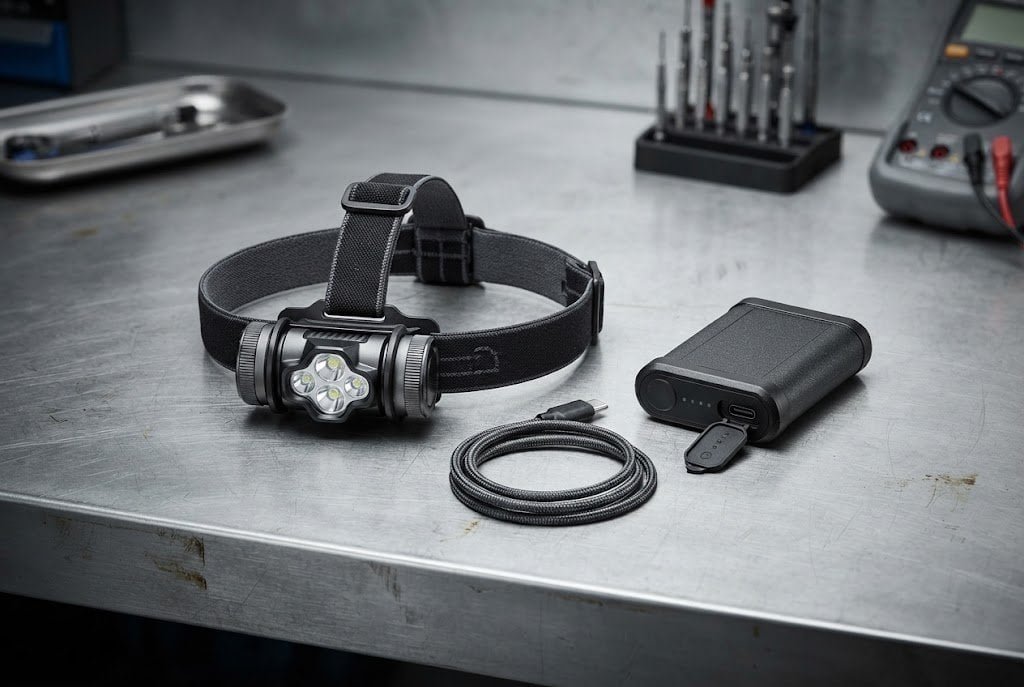
The transition from disposable batteries to rechargeable systems affects every aspect of headlamp design. European markets particularly value products that consider battery lifecycle, replaceability, and environmental impact. This creates new opportunities for manufacturers who understand these evolving requirements.
How Is the Power Logic of European Headlamps Changing from Disposable to Rechargeable Batteries?
Traditional AAA and AA battery systems dominated headlamp design for decades. Users simply replaced dead batteries with fresh ones when power ran out.
European markets now prioritize rechargeable systems that integrate with existing USB charging infrastructure. This shift reflects changing user expectations about device maintenance, sustainability, and long-term value.

The change goes deeper than adding a USB port. Manufacturers must now consider battery capacity, charging time, discharge curves, LED driver efficiency, low-power management, and overall weight distribution. The battery becomes part of the core product design rather than a replaceable component.
European customers focus on specific questions: What's the actual runtime? How long does charging take? Can batteries be replaced when they age? How does the product handle charging port protection? These concerns reflect the EU's Batteries Regulation requirements, which mandate removable and replaceable portable batteries starting February 18, 2027.
This regulatory environment means battery design must be considered during product planning, not just as a technical specification. European brands increasingly evaluate suppliers based on their ability to address lifecycle considerations from the initial design phase.
Why Do Rechargeable Headlamp Advantages Come from More Complete Energy Management?
Users see a USB-C port, but manufacturers must integrate batteries, charging management, battery protection, LED drivers, and variable power consumption across different modes.
Effective rechargeable headlamp design balances battery capacity with light output efficiency, multiple operating modes, and user comfort. The goal isn't maximum battery size but optimal matching between stored energy and actual usage patterns.

Modern rechargeable headlamps typically offer high, medium, low, red light, flood, and motion sensor modes. Each mode draws different current levels, directly affecting runtime. Simply installing larger batteries increases weight, size, and cost while potentially degrading the wearing experience.
Runtime analysis should focus on real-world usage curves rather than maximum lumen specifications. High-brightness modes might run for 2 hours while medium brightness could provide 6 hours of operation. Neither approach is inherently superior - the choice depends on specific user requirements.
Manufacturers and brand partners must discuss these tradeoffs during product selection. A 650-lumen, 2-hour configuration serves different needs than a 350-lumen, 6-hour setup. The charging time must also align with actual runtime and brightness requirements, as high-power products typically need longer charging periods.
How Is Battery Removability Becoming a New Product Decision for Headlamps?
Integrated lithium batteries enable compact designs and streamlined manufacturing processes. Manufacturers can optimize battery, PCB, charging interface, and housing integration for lightweight products.
Removable batteries offer different lifecycle value by allowing users to replace aging batteries rather than discarding entire products. This approach aligns with EU regulations requiring replaceable portable batteries to prevent premature product obsolescence.
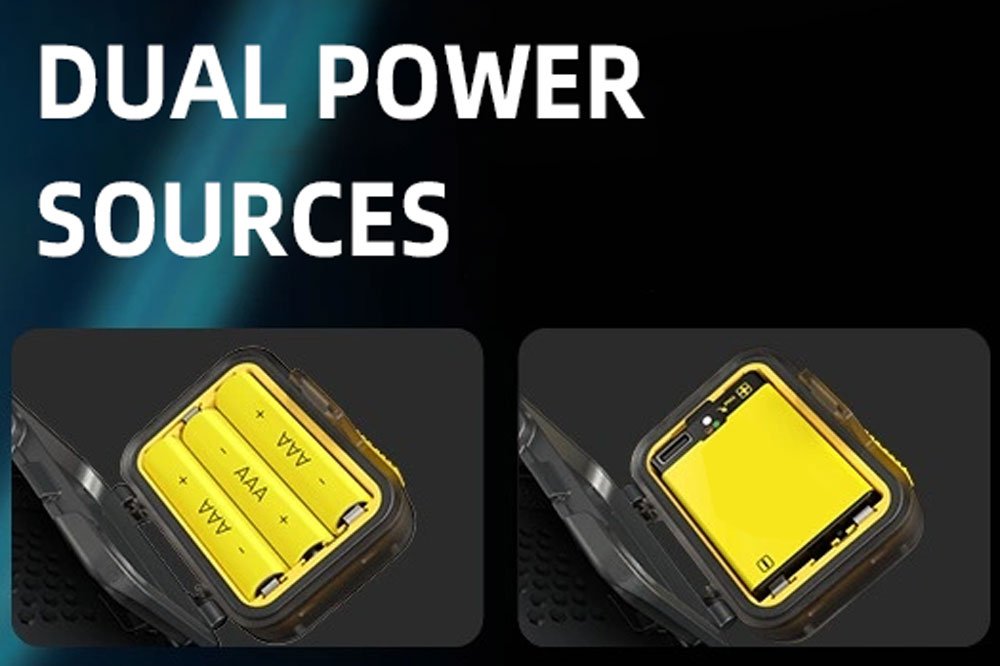
The choice represents two distinct product philosophies. Integrated batteries prioritize initial user experience and manufacturing efficiency. Removable batteries emphasize long-term maintainability and regulatory compliance.
EU guidance documents address spare batteries, replacement components, and battery replacement procedures including fasteners and structural design. For brands targeting long-term European sales, "rechargeable battery" alone may not constitute complete product definition.
Future discussions should focus on: Is the battery replaceable? How easily can replacement occur? However, removable doesn't mean simply adding a traditional battery compartment. Outdoor headlamps requiring IPX6 protection need carefully designed opening mechanisms, seals, contacts, and housing connections.
Frequent disassembly for work headlamps raises concerns about structural durability and electrical contact reliability. The real challenge involves balancing maintainability, IP protection, weight, structural strength, and user experience. European markets benefit when brand partners and manufacturers discuss these considerations during product definition.
Why Are Rechargeable Headlamps Particularly Suitable for High-Frequency Usage Scenarios?
Low-frequency users might not notice significant differences between disposable and rechargeable batteries. Annual usage of just a few occasions doesn't create compelling advantages either way.
High-frequency usage amplifies rechargeable value by establishing simpler operational cycles: use → charge → reuse. This eliminates the need to maintain battery inventory and reduces workflow interruptions during critical tasks.
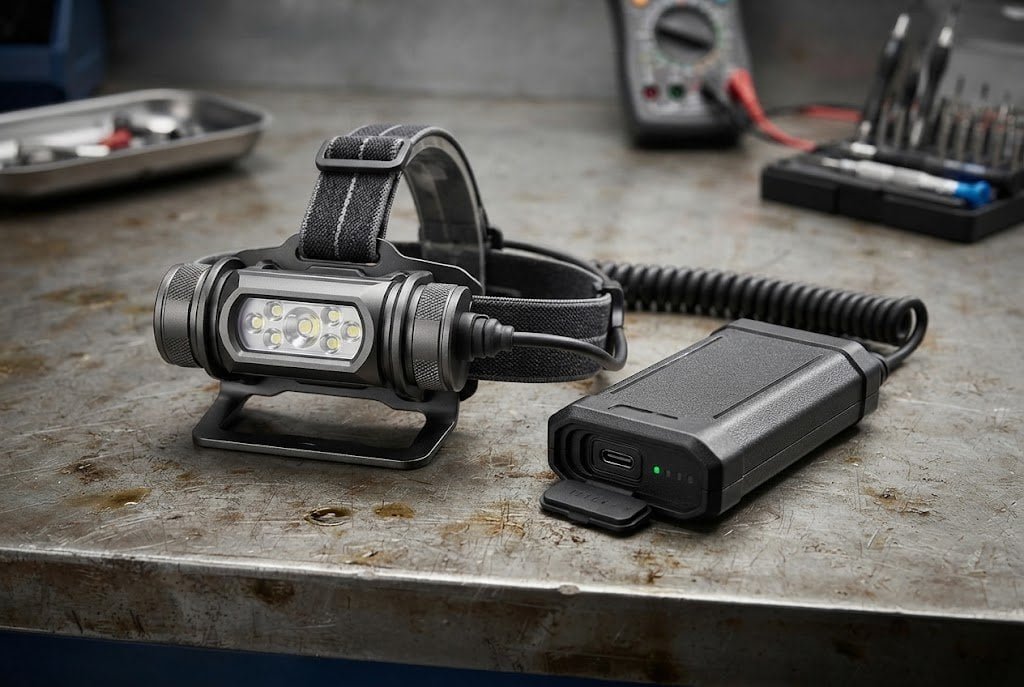
Daily maintenance work, industrial applications, night inspections, camping, running, cycling, and outdoor activities create continuous battery consumption patterns. For these users, rechargeable systems provide operational simplicity rather than just cost savings.
Professional scenarios highlight this advantage clearly. Automotive technicians working under vehicles, electricians in confined spaces, or outdoor enthusiasts setting up camp at night cannot easily interrupt their work to replace batteries. Pre-charged rechargeable headlamps only require users to verify power levels before starting work.
The real value for professional lighting products isn't battery cost reduction but minimizing work interruptions1. This explains why USB rechargeable systems show particular advantages for work headlamps, maintenance lighting, industrial inspection tools, and high-frequency outdoor applications.
Product development should start by asking: How many times per year will this product be used? This question often matters more than choosing between USB-C and Micro USB interfaces.
Why Should European Markets Focus on Battery Lifecycle Rather Than Just Rechargeability?
Traditional headlamp development prioritized brightness, appearance, cost, and certification. European markets now emphasize an additional question: What happens to the product after several years of use?
When lithium batteries lose capacity through extended use, products shouldn't become disposable. Battery replaceability, required tools, replacement safety, performance maintenance, and spare part availability become critical considerations.
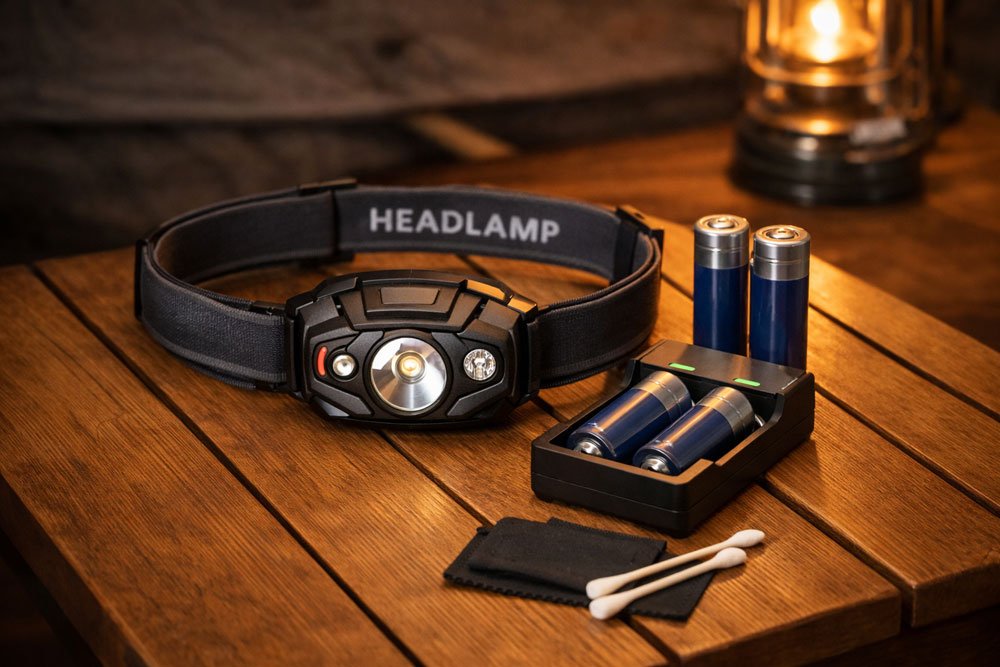
EU guidance documents address portable battery replacement, compatible batteries, and spare part supply requirements. Regulations mandate that applicable products provide portable batteries as spare parts with specified supply periods.
This represents significant change for lighting manufacturers because product design must consider not just "the day it sells" but the product's condition after years of use. European customers increasingly evaluate suppliers based on their ability to address these considerations proactively.
A supplier might offer 1000-lumen, USB-C, IPX6 headlamps meeting basic specifications. Another supplier discussing battery lifespan, replaceable structures, charging protection, spare part supply, product disassembly, long-term maintenance, and different market regulatory requirements engages in defining complete product lifecycles rather than simple procurement transactions.
This represents where manufacturers can provide genuine value beyond basic product specifications. The ability to integrate lifecycle thinking into initial product design becomes a competitive differentiator in European markets.
Conclusion
USB rechargeable headlamps transform lighting from disposable products into complete systems requiring integrated energy management, lifecycle planning, and sustainable design approaches.
"(PDF) Reducing Interruptions at Work: A Large-Scale Field ...", https://www.researchgate.net/publication/316650733_Reducing_Interruptions_at_Work_A_Large-Scale_Field_Study_of_FlowLight. The source highlights the importance of minimizing work interruptions in professional settings, supporting the claim about the value of rechargeable systems. Evidence role: case_reference; source type: research. Supports: The real value for professional lighting products isn't battery cost reduction but minimizing work interruptions.. Scope note: The support may not directly relate to headlamps but discusses similar contexts. ↩