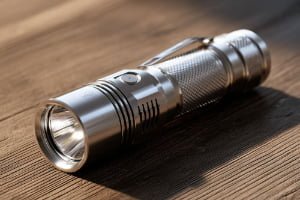
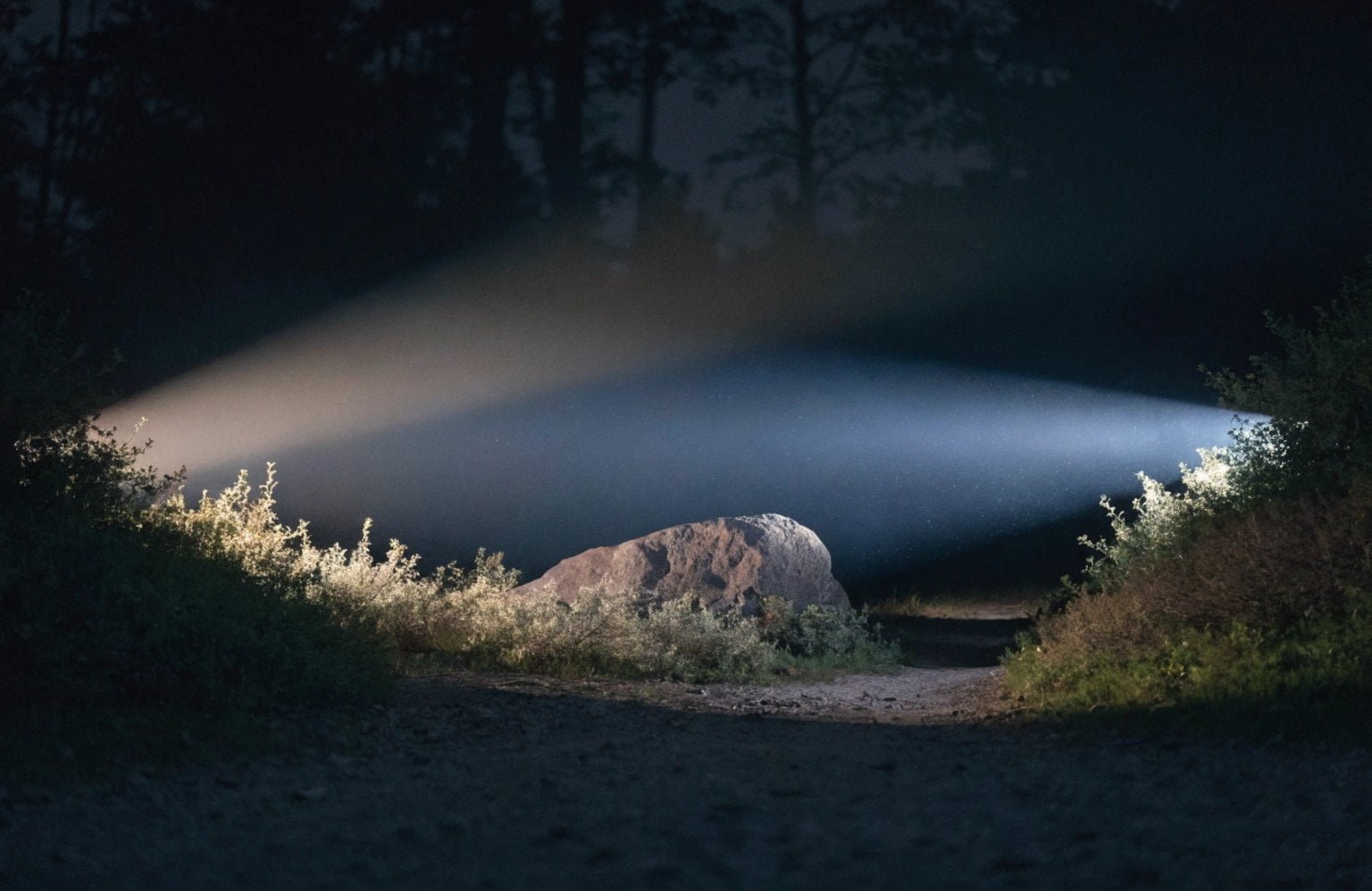
Choosing the right flashlight can be confusing with so many technical details. But have you ever considered how the color temperature impacts its usefulness?
The best color temperature for a flashlight depends on your intended use. Cold white light is ideal for long-distance visibility1, while neutral and warm white light are better for close-up, long-term comfort.
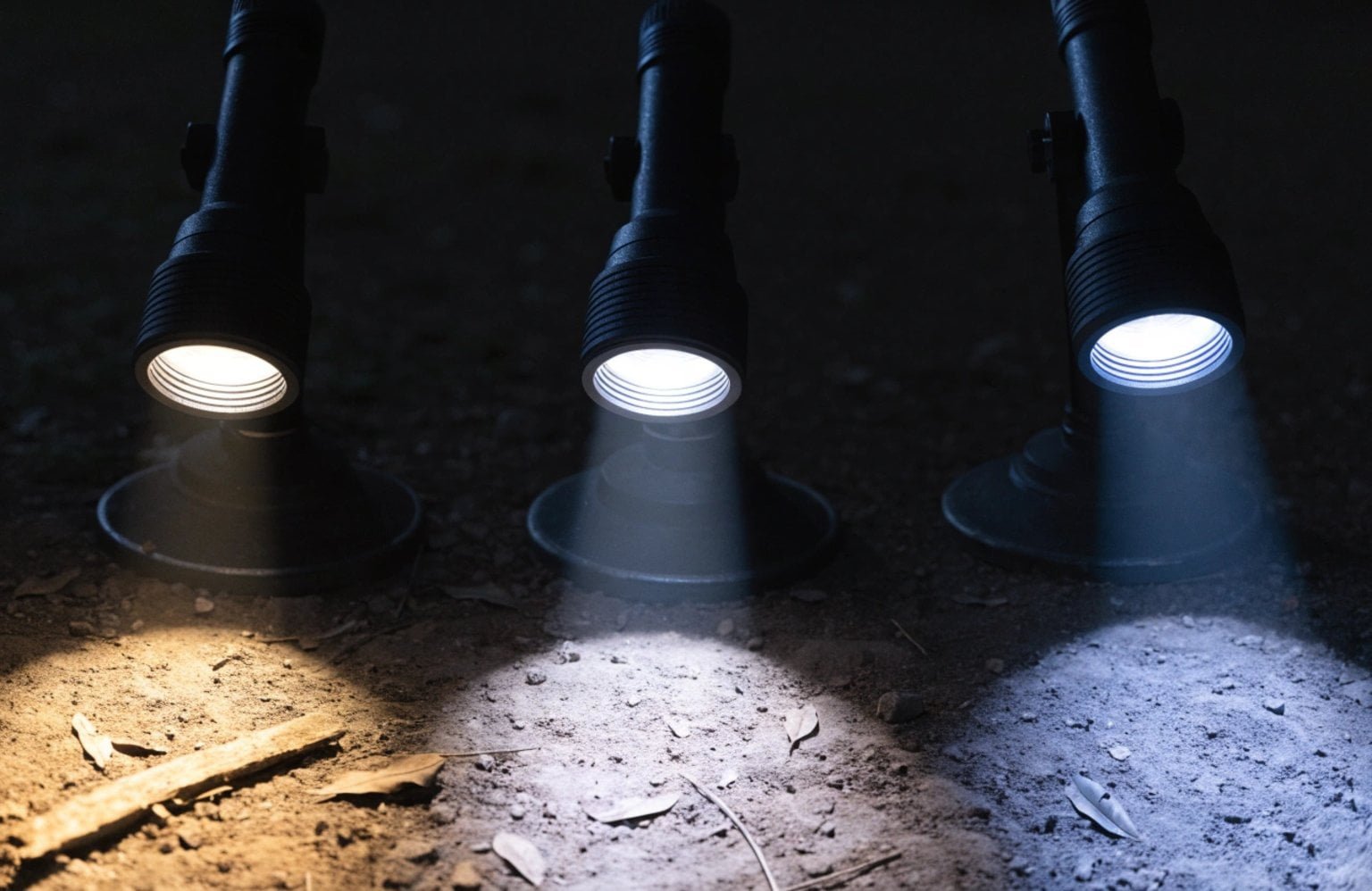
When I test flashlight designs outdoors, I often find that color temperature is much more important to the overall experience than people realize. Let me explain how it plays a role in real-life scenarios.
What is color temperature and why does it matter?
Color temperature refers to the appearance of the light emitted by a flashlight, measured in Kelvin. It affects how the light looks—whether it’s bluish (cold) or reddish (warm).
Cold white light (5000–6500K) appears sharp and bright, making it ideal for long-distance visibility. Warm white light (<4000K) is gentler on the eyes, making it better for close-range and extended use. Neutral white light (4000–5000K) offers a balanced approach for general outdoor activities.
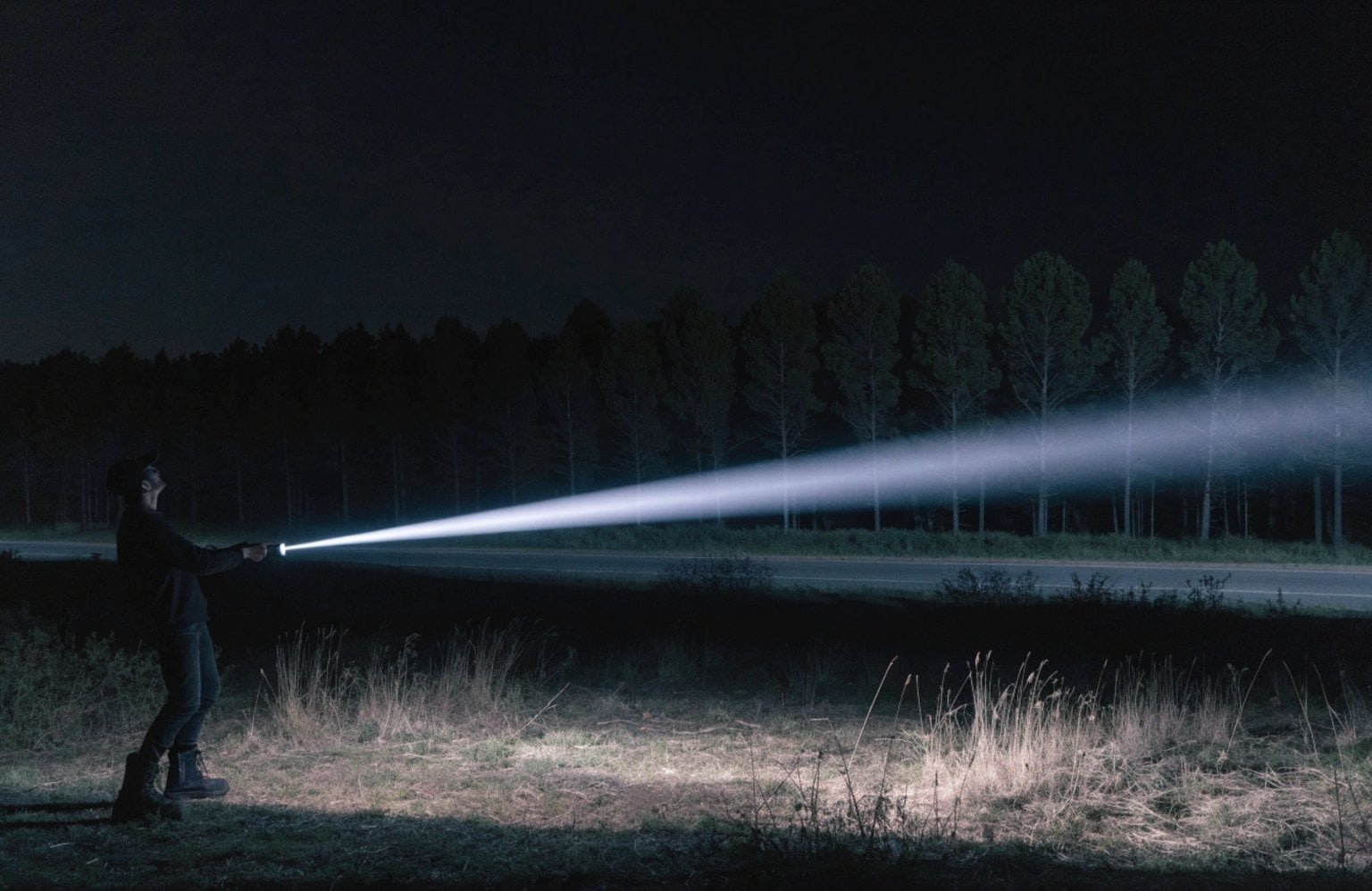
The right choice depends on your activity2. Let’s explore how each type of light serves different purposes.
When should you use cold white light?
Cold white light is often the go-to choice for flashlights marketed as high-performance devices. Its bright, bluish glow gives the impression of intense luminosity.
Cold white light is best for search-and-rescue, spotting distant objects, or situations where pure brightness is required for maximum visibility.
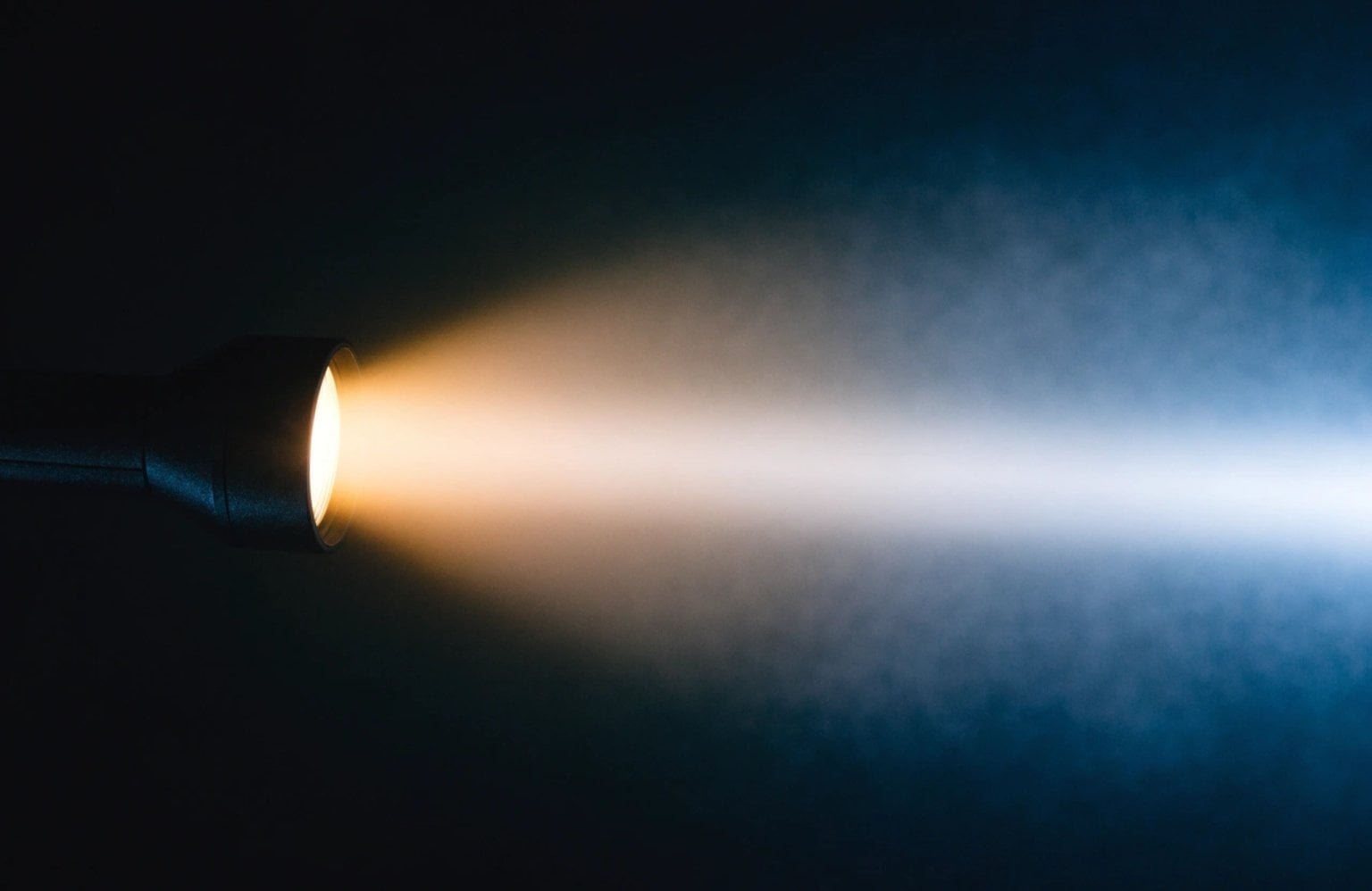
However, while testing flashlights in open fields at night, I realized that cold light often feels too harsh. It’s great for distant observation but can be overbearing for tasks like walking or setting up camp.
Why is neutral white light preferred for versatility?
Neutral white light balances brightness and comfort, making it suitable for mixed-use situations. It’s neither too blue nor too yellow and works well for varied outdoor activities.
Neutral white light is ideal for hiking, general camping, and everyday use, offering clarity without overwhelming the eyes.
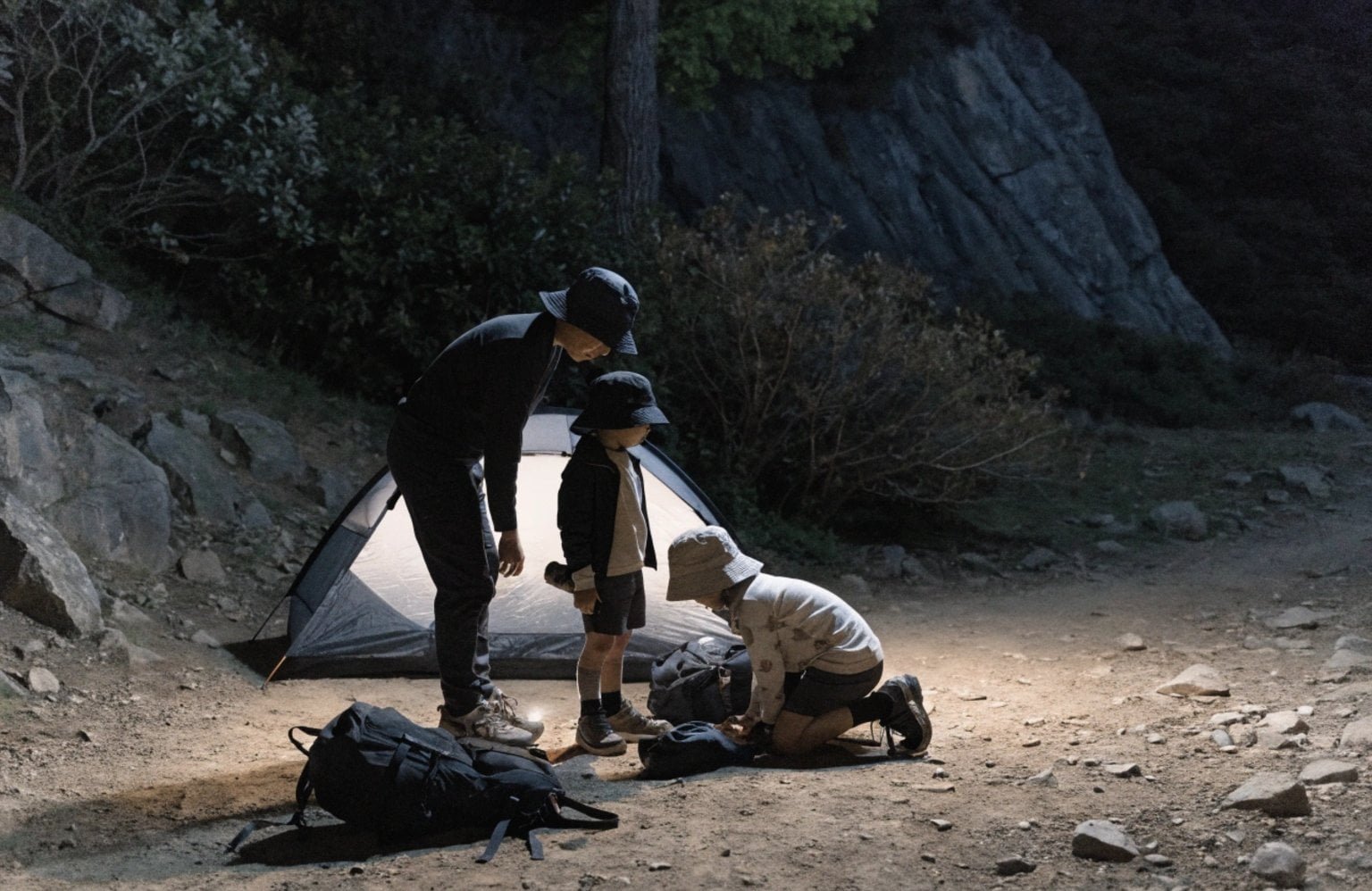
For example, while setting up a tent with my kids, neutral light helped us see objects clearly without straining our eyes. It matched the natural surroundings better than cold light.
What makes warm white light better for close-up work?
Warm white light is softer and less intense, creating a natural feel that’s especially comfortable for extended use. Its reddish-yellow hue is easier on the eyes.
Warm white light is perfect for close-up tasks like reading, repairing gear, or long hours in the tent, as it reduces eye fatigue.
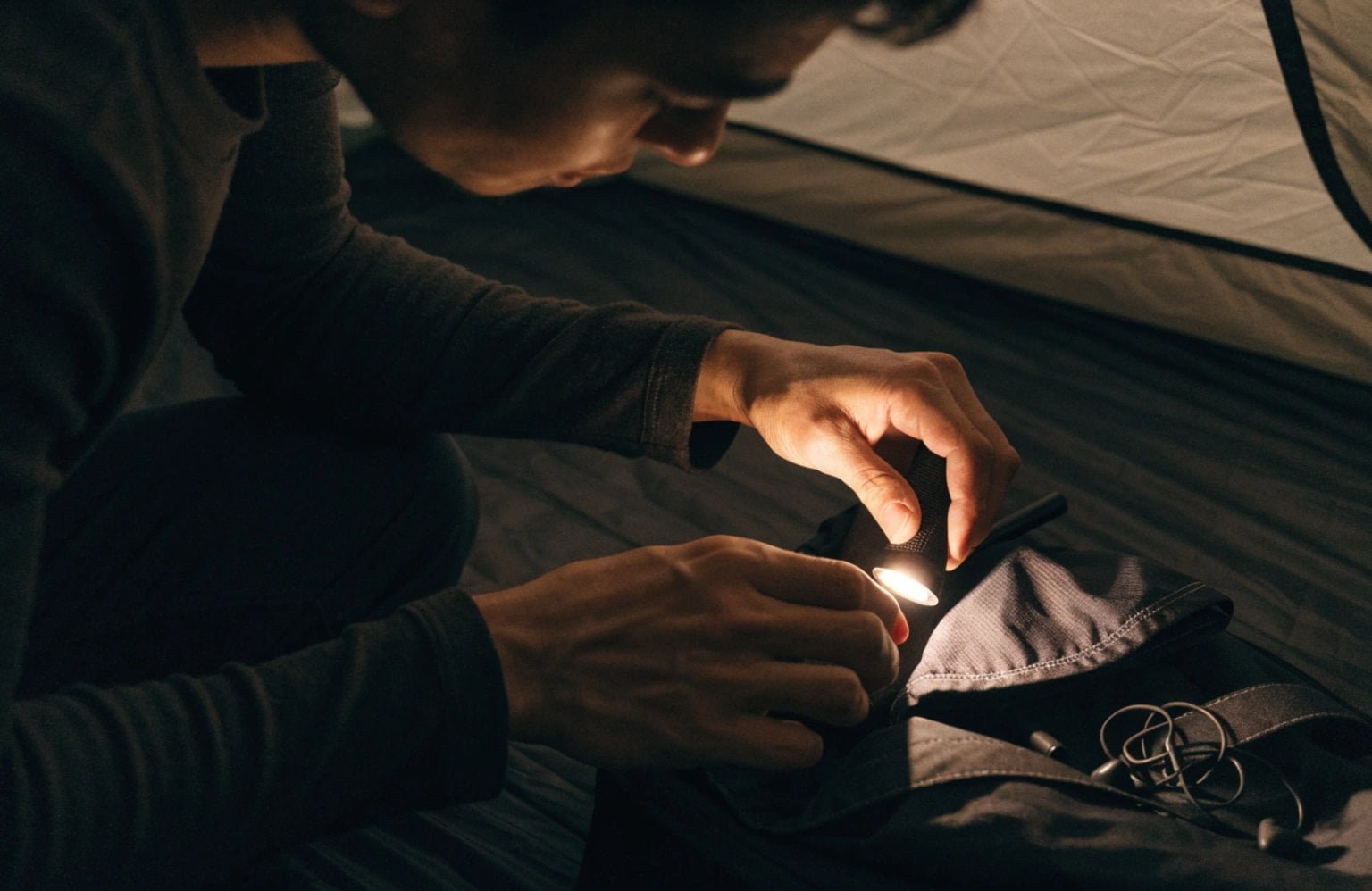
One night, while organizing gear in our tent, we switched to a warm white flashlight. It felt calming and helped us focus on details without discomfort—a stark difference compared to colder light.
How does color temperature impact visual accuracy?
Visual accuracy isn’t just about brightness; it’s also affected by color temperature and the flashlight's CRI (Color Rendering Index). Together, these dictate how well you can differentiate colors in your environment.
High CRI combined with appropriate color temperature ensures better color identification, especially for tasks requiring attention to detail, like inspecting or repairing objects.
| Color Temperature | CRI | Ideal Use Cases |
|---|---|---|
| Cold White (5000–6500K) | Moderate | Long-distance visibility, search tasks |
| Neutral White (4000–5000K) | High | Hiking, camping, versatile outdoor activities |
| Warm White (<4000K) | High | Close-up work, reading, prolonged use |
When testing products, I look for a flashlight that balances color temperature and CRI to match its intended application.
Can color temperature affect eye comfort?
Absolutely. Using the wrong color temperature in a specific situation can lead to eye strain, discomfort, or even reduced visibility.
For tasks requiring prolonged attention, warm or neutral light is far more comfortable than cold light, which can feel overly harsh and tiring.
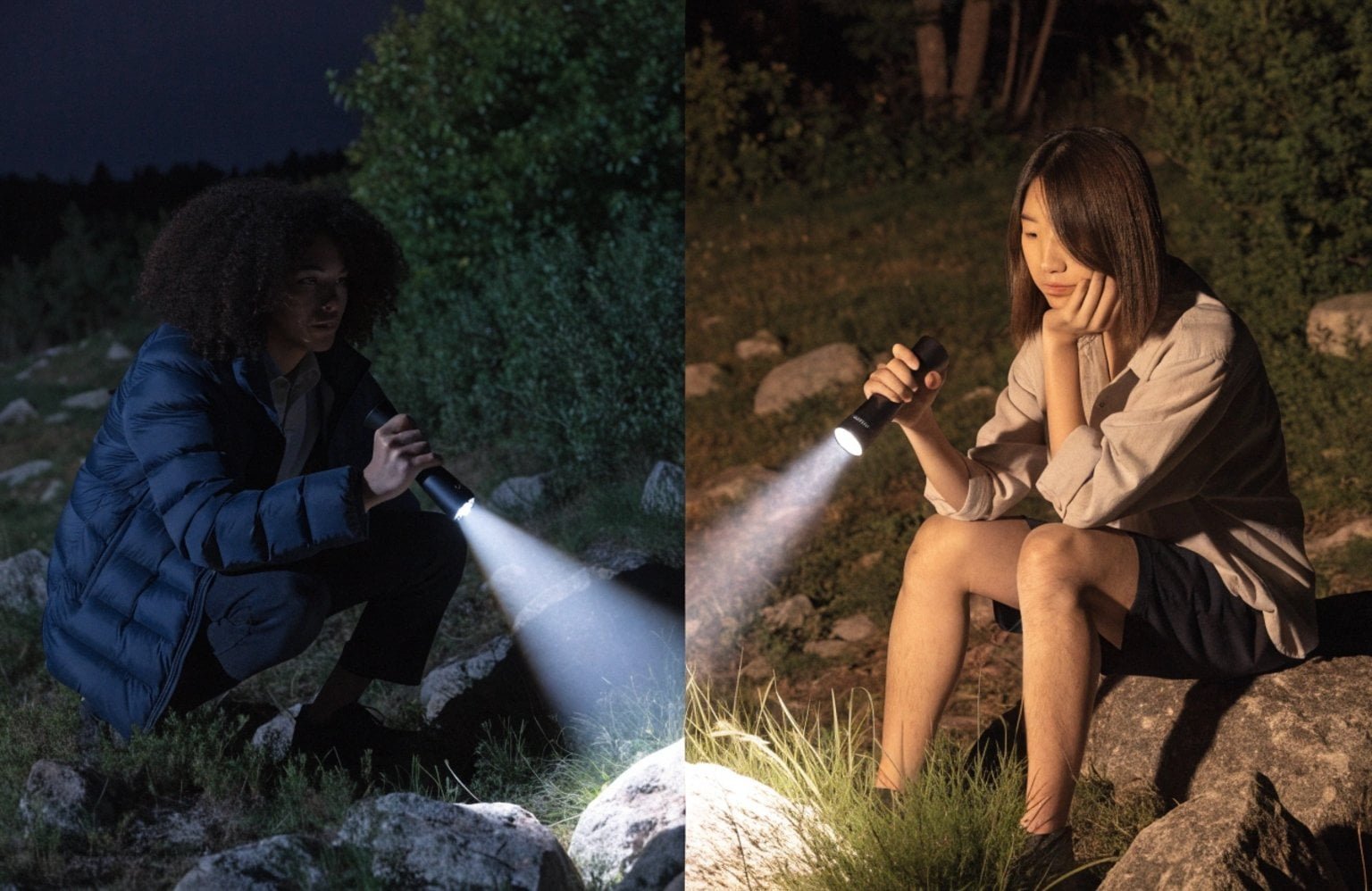
I’ve noticed that my kids prefer warm light when playing in the tent or navigating trails at night. It’s less blinding and helps them focus without squinting.
How do manufacturers decide on color temperature?
As a flashlight manufacturer, I’ve learned that selecting the color temperature isn’t just about aesthetics; it’s about matching the light to real-world needs.
Manufacturers balance the LED spectrum, CRI, and user preferences to optimize the flashlight for its intended use case, whether it’s tactical search missions or casual camping.
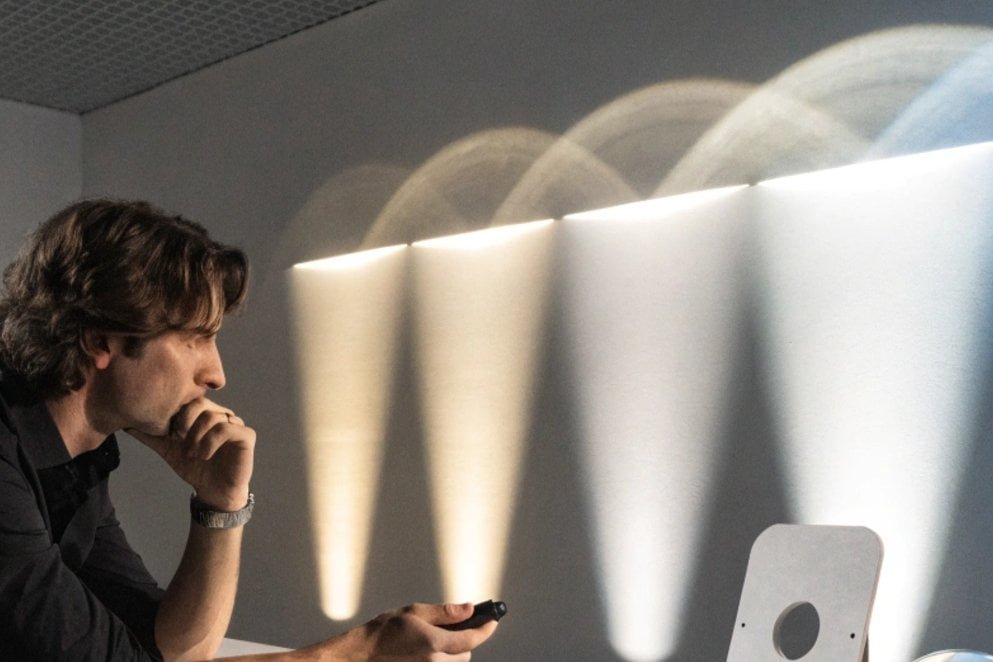
For example, a tactical flashlight prioritizes cold light for maximum brightness, while an EDC (everyday carry) light leans toward neutral or warm light for general comfort.
Conclusion
The best color temperature for a flashlight depends on how you plan to use it. Cold white light excels for long-distance tasks, neutral white is versatile for mixed outdoor use, and warm white provides comfort for close-up, extended activities. The key is choosing a flashlight that balances brightness, color accuracy, and comfort for your needs.
"Effect of warm/cool white lights on visual perception and mood ...", https://pmc.ncbi.nlm.nih.gov/articles/PMC8481791/. Research indicates that cold white light (5000–6500K) enhances visibility over long distances due to its higher luminance and contrast, making it suitable for search-and-rescue operations. Evidence role: statistic; source type: paper. Supports: Cold white light is ideal for long-distance visibility.. Scope note: The support is based on general lighting principles and may not account for specific environmental factors affecting visibility. ↩
"Effects of Light on Attention and Reaction Time - PMC - NIH", https://pmc.ncbi.nlm.nih.gov/articles/PMC8957666/. Choosing the appropriate color temperature for lighting is context-dependent, with different activities benefiting from specific color temperatures for optimal performance. Evidence role: expert_consensus; source type: education. Supports: The right choice depends on your activity.. Scope note: The support is based on expert recommendations and may not reflect all user preferences or activities. ↩