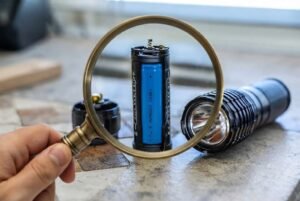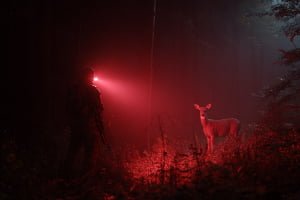
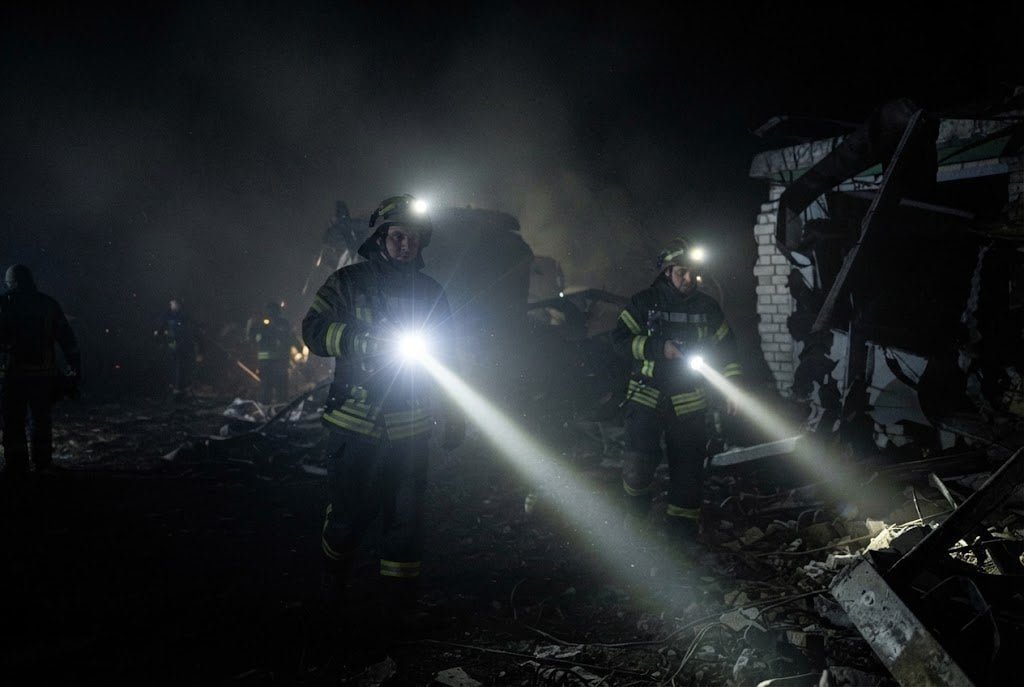
A professional tactical flashlight isn’t just a mix of bright LEDs, batteries, and a rugged shell. What truly defines its quality lies in how well its light output, beam, operation, durability, and reliability work as a cohesive system.
A professional tactical flashlight excels when its components work harmoniously to deliver reliable illumination. Key features include optimized light output, a suitable beam pattern, straightforward operation, robust durability, and practical reliability.
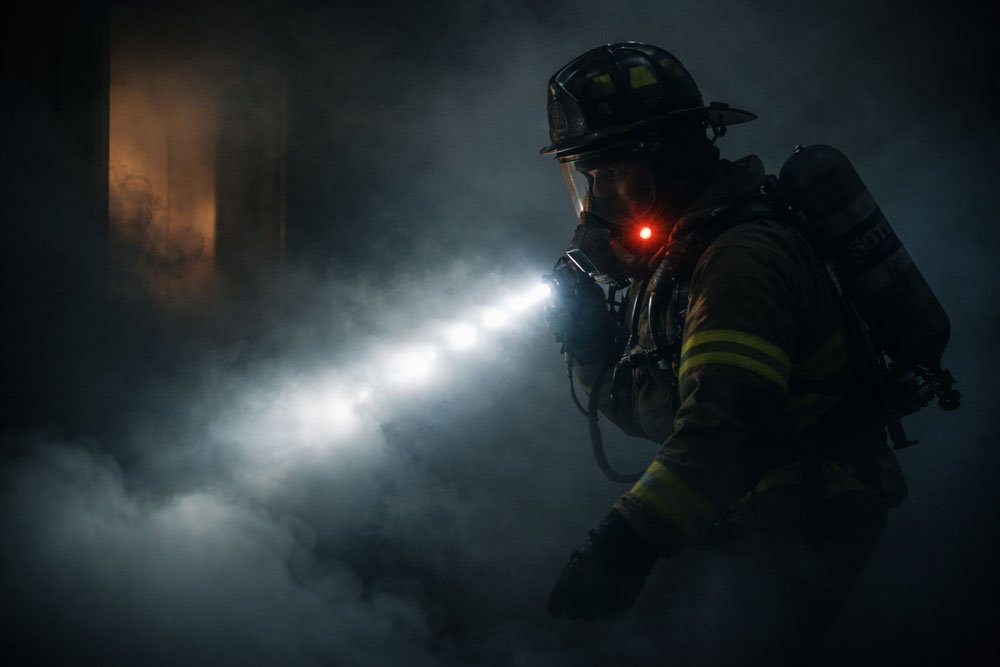
When I develop and test portable lighting products, I find that product specs are just the first step. Real-world usability—like quick operation, suitable beam patterns, and lasting performance—matters just as much. With outdoor testing alongside my kids, I’ve realized that strong specs don’t always equate to a truly professional flashlight.
Why isn’t brightness, measured in lumens, the sole determinant for a professional flashlight?
A flashlight’s brightness is critical, but it doesn’t tell the full story. High lumens might sound impressive, but real illumination depends on how light is distributed and focused1.
Lumens measure total brightness, but candela focuses on beam intensity, and beam pattern dictates light distribution. Together, they determine real-world performance.
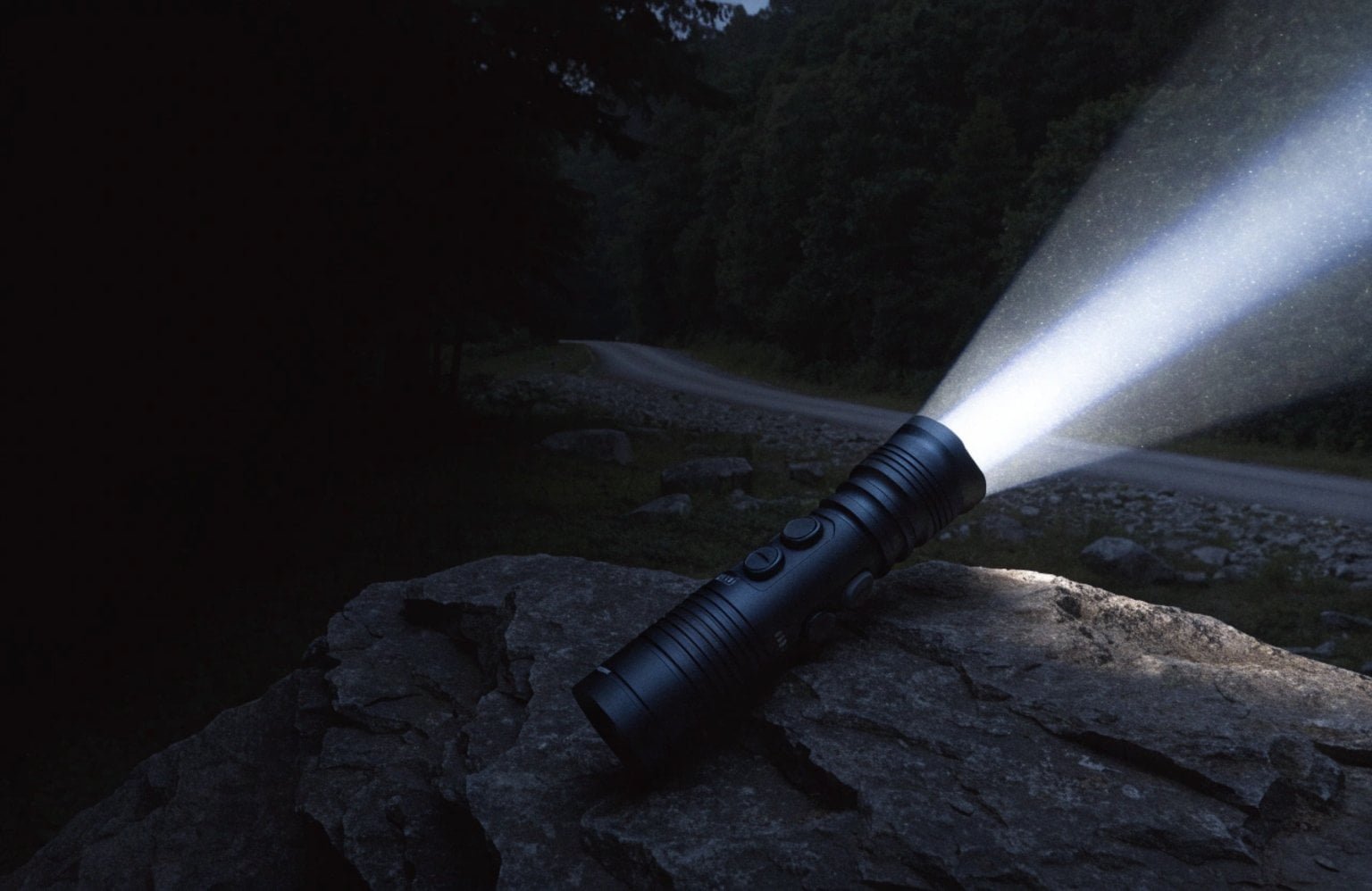
Design Priorities for Professionals:
| Feature | Description | Value to Users |
|---|---|---|
| Beam Balance | Strong center spot + effective peripheral light | Maintains visibility near and far simultaneously |
| User Interface | Simple controls with quick high-brightness access | Reduces operational complexity under pressure |
| Switch Design | Predictable response to user actions | Offers seamless control without guesswork |
A complex user interface can hinder performance. Flashlights designed for tactical use prioritize ease of operation, like quick access to high-brightness modes. Forward Clicky switches, which enable momentary and constant illumination, exemplify this principle.
Why is durability more than just rugged looks?
Durability in tactical flashlights comes from materials, construction, and design2—not from aggressive aesthetics. Truly robust designs endure demanding environments without compromising performance.
Professional durability involves sturdy materials and precise engineering that ensure long-term reliability, even under harsh conditions.
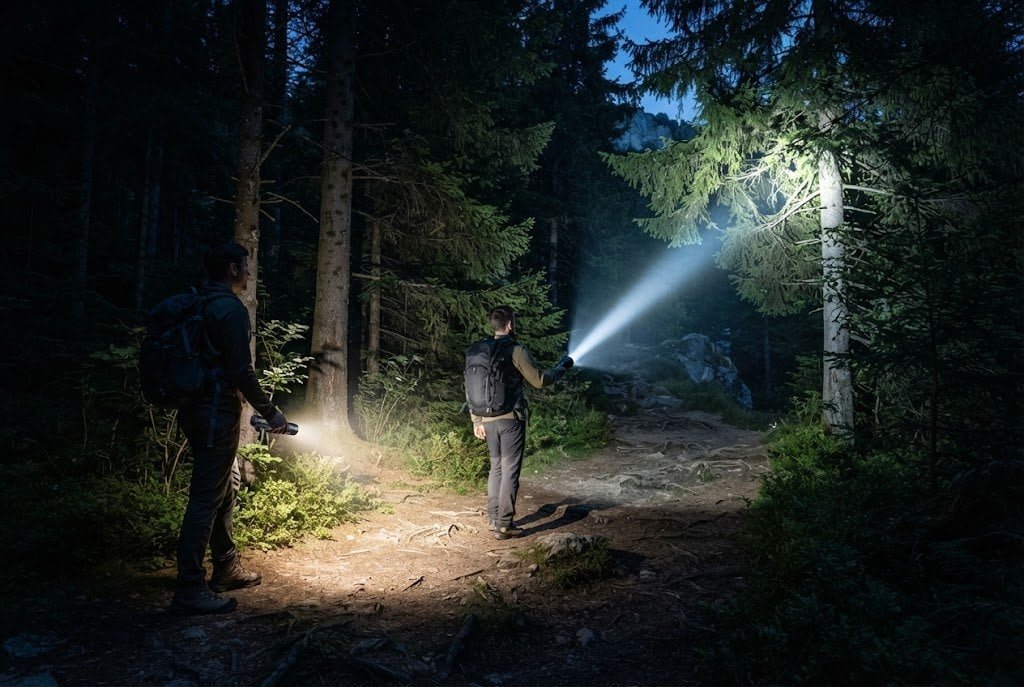
Components of Reliability:
| Element | Description | Importance |
|---|---|---|
| Material | Aerospace-grade aluminum or similar | Resists wear, impact, and corrosion |
| Battery Contacts | Stable and secure electrical connections | Prevents power interruptions |
| Sealing Mechanisms | O-rings and IP-rated protection | Shields against water and dust |
| Strike Bezel | Designed for functionality over sharpness | Balances tactical utility and everyday usability |
Many flashlights flaunt deep-colored shells or aggressive bezels to appear “tactical.” However, true reliability stems from comprehensive testing of seals, switches, lenses, and assembly3—not merely outward appearances.
How do batteries and runtime impact performance?
Battery choice affects not only how long a flashlight runs but also its size, weight, and output stability. Professionals evaluate the balance between power and practicality.
Battery selection influences runtime, maximum output, and flashlight dimensions, which need optimization for tactical use.
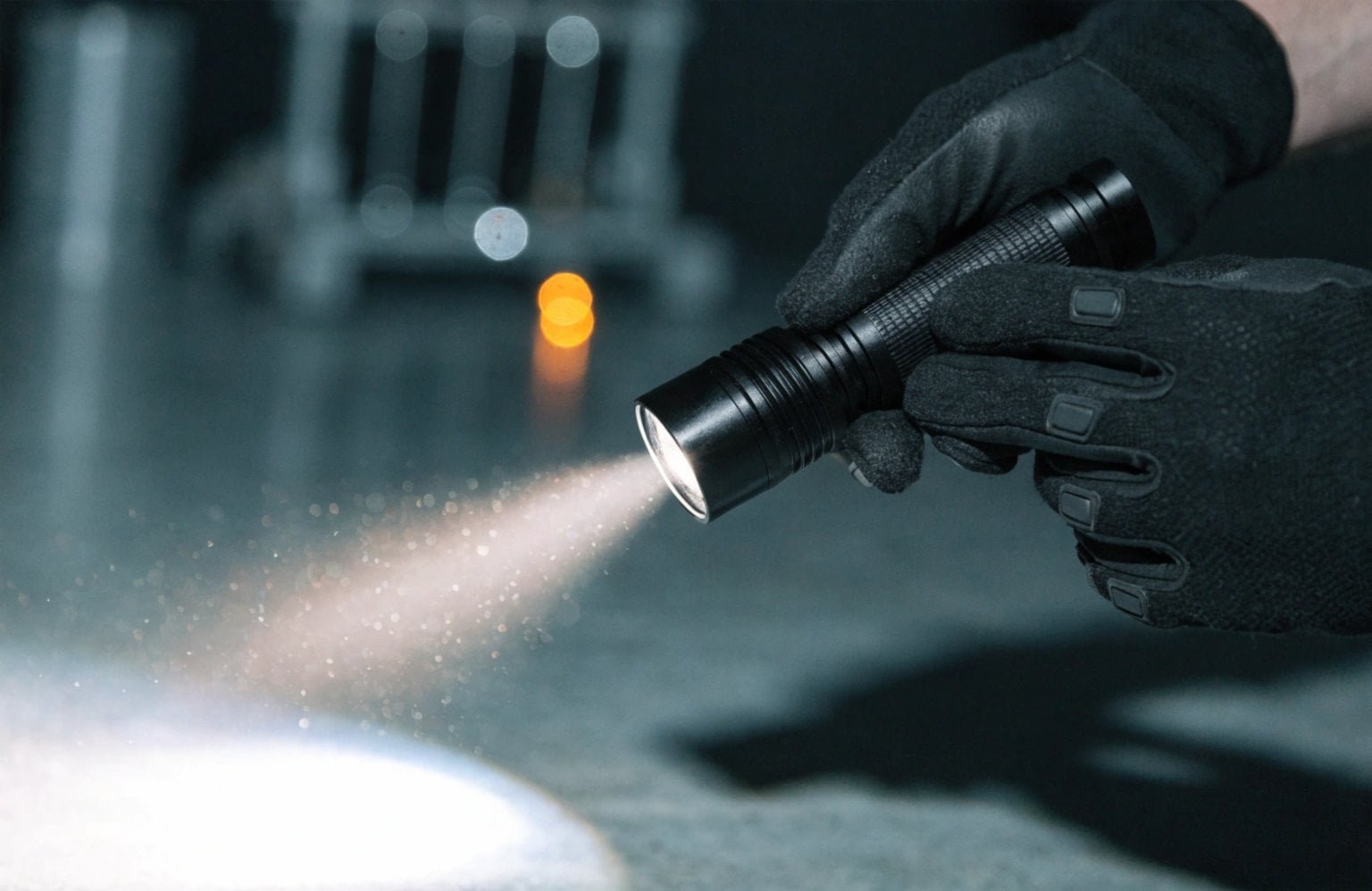
Battery Considerations:
| Key Factors | Impact | Examples |
|---|---|---|
| Battery Type | Determines energy density and rechargeability | 18650, 21700 for high-output models |
| Compatibility | Prevents mismatched batteries | CR123A vs 16340 lithium options |
| Runtime vs Output | Balances sustained brightness and total duration | High output increases power consumption |
A flashlight claiming 2000 lumens might deliver only peak performance for a brief period due to heat and power constraints. Professionals prioritize sustained brightness at practical levels rather than maximizing peak numbers.
What questions should buyers ask to find the right tactical flashlight?
Product specs may list impressive figures, but they don’t reveal how the flashlight performs in real-world situations. Buyers should evaluate usability and reliability beyond numbers.
Buyers should ask about beam pattern, quick mode access, sustained brightness, battery compatibility, and real-world testing to ensure practicality.
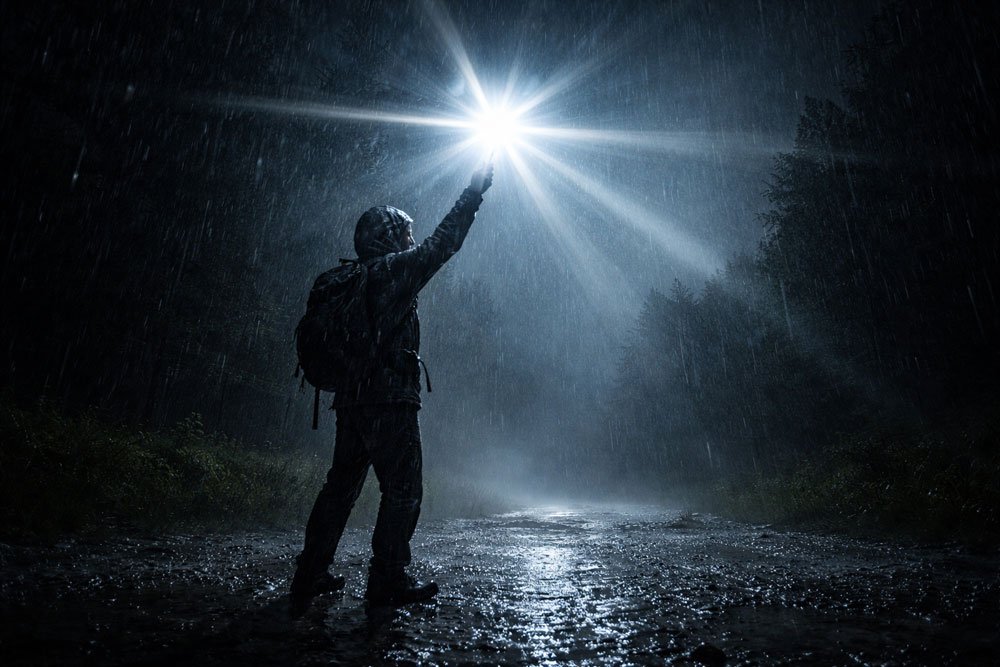
Key Buyer Questions:
- Does the beam pattern suit the intended environment?
- Can high-brightness mode be accessed rapidly?
- What is the sustained runtime for practical brightness levels?
- Are battery options clearly compatible?
- Has the flashlight been tested in real-world conditions?
Real-world testing often reveals overlooked design flaws4, like difficult-to-find switches or uncomfortable grip. For tactical situations, reliability in critical moments matters far more than flashy specifications.
Conclusion
A professional tactical flashlight isn’t defined by its brightest lumen number or sharpest bezel. It’s a system where light output, beam design, operation, durability, and battery work seamlessly together. When you truly need illumination, the right flashlight delivers—and that’s what makes it professional.
"Nano flashlight enables new applications of light", https://meche.mit.edu/news-media/nano-flashlight-enables-new-applications-light. Studies show that light distribution and focus significantly affect the perceived brightness and usability of flashlights in practical scenarios. Evidence role: statistic; source type: research. Supports: High lumens might sound impressive, but real illumination depends on how light is distributed and focused.. Scope note: The evidence may not directly correlate with all flashlight types or brands. ↩
"Would you like to see how different materials impact ...", https://budgetlightforum.com/t/would-you-like-to-see-how-different-materials-impact-flashlight-durability/72962. Research highlights that the durability of tactical flashlights is significantly influenced by the choice of materials and construction techniques used in their design. Evidence role: statistic; source type: research. Supports: Durability in tactical flashlights comes from materials, construction, and design—not from aggressive aesthetics.. Scope note: The findings may not apply universally to all flashlight models or brands. ↩
"Investigating the light emitting diode (LED) flashlight ... - PMC", https://pmc.ncbi.nlm.nih.gov/articles/PMC9674527/. Studies indicate that comprehensive testing of flashlight components is essential for ensuring reliability and performance in demanding conditions. Evidence role: case_reference; source type: paper. Supports: True reliability stems from comprehensive testing of seals, switches, lenses, and assembly—not merely outward appearances.. Scope note: The evidence may not cover all flashlight brands or models. ↩
"Case Studies", https://flashlight360.com/case-studies/. Research indicates that real-world testing is essential for identifying design flaws in tactical equipment, including flashlights, that may not be apparent in controlled environments. Evidence role: case_reference; source type: paper. Supports: Real-world testing often reveals overlooked design flaws, like difficult-to-find switches or uncomfortable grip.. Scope note: The evidence may not cover all flashlight brands or models. ↩