
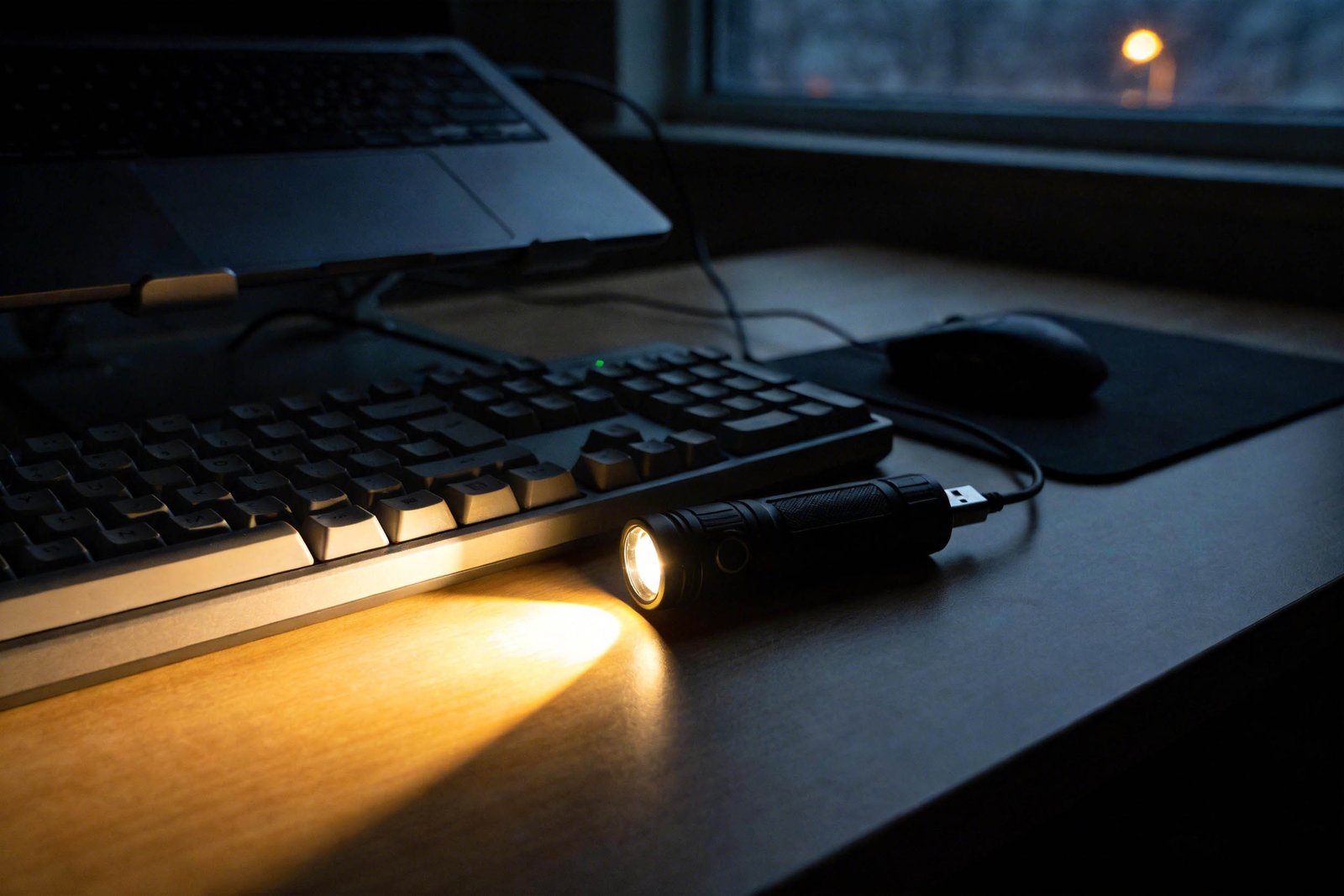
When buying a new EDC flashlight today, USB-C charging may not feel like a groundbreaking feature anymore. But has it actually improved daily use for you?
USB-C charging makes EDC flashlights more convenient to charge, integrating seamlessly with the charging ecosystem of your other devices like phones, tablets, and laptops.
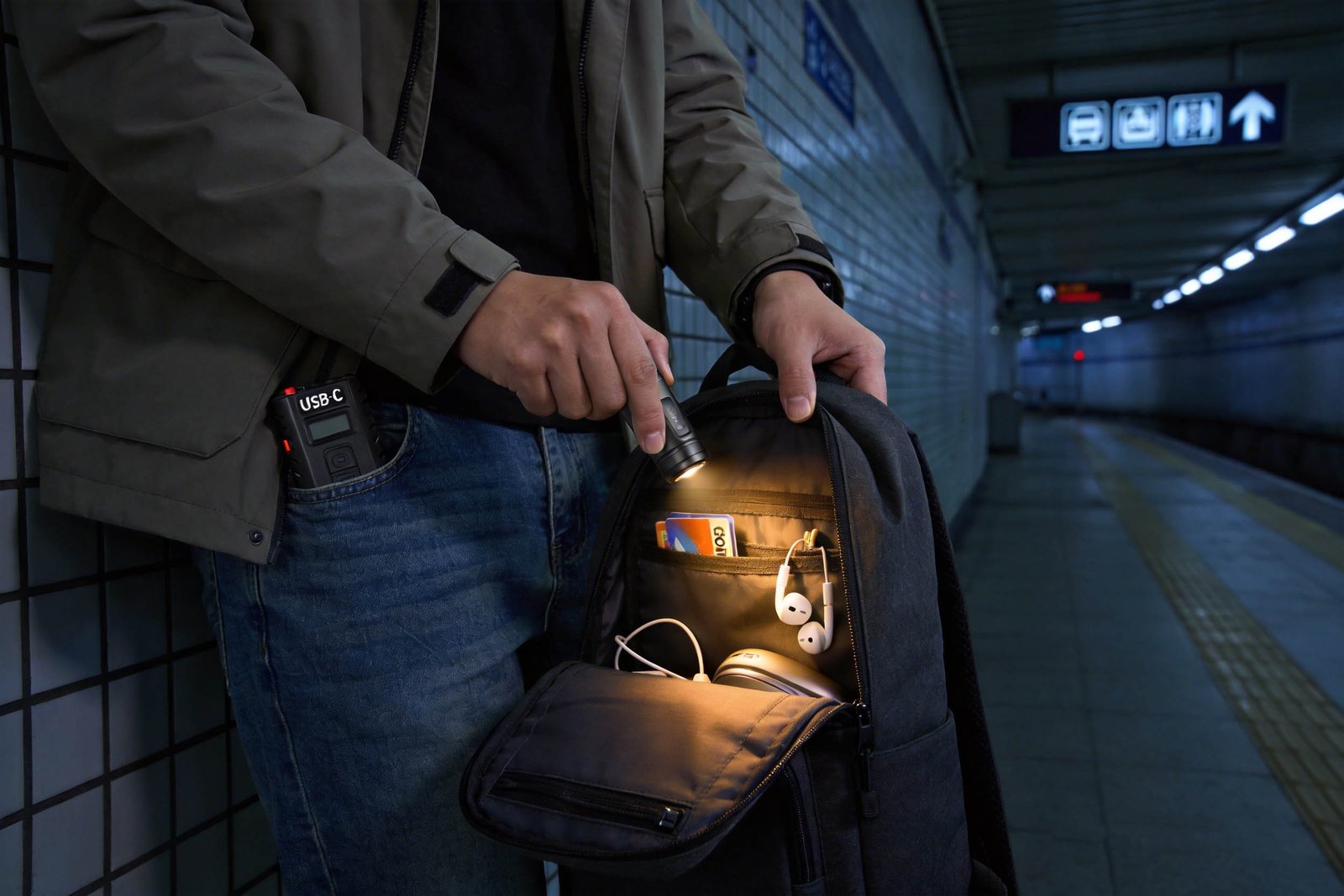
For everyday carry flashlights, USB-C isn't just a simple upgrade from older Micro-USB ports. It brings a promise of easier charging but also creates design challenges for manufacturers.
Does USB-C make charging simpler?
Imagine coming home at night and realizing the power is out in your area. You reach for your EDC flashlight but find the battery is nearly drained. What happens next?
With USB-C, charging becomes faster and more straightforward since it works with chargers you already have for other devices like laptops and phones.
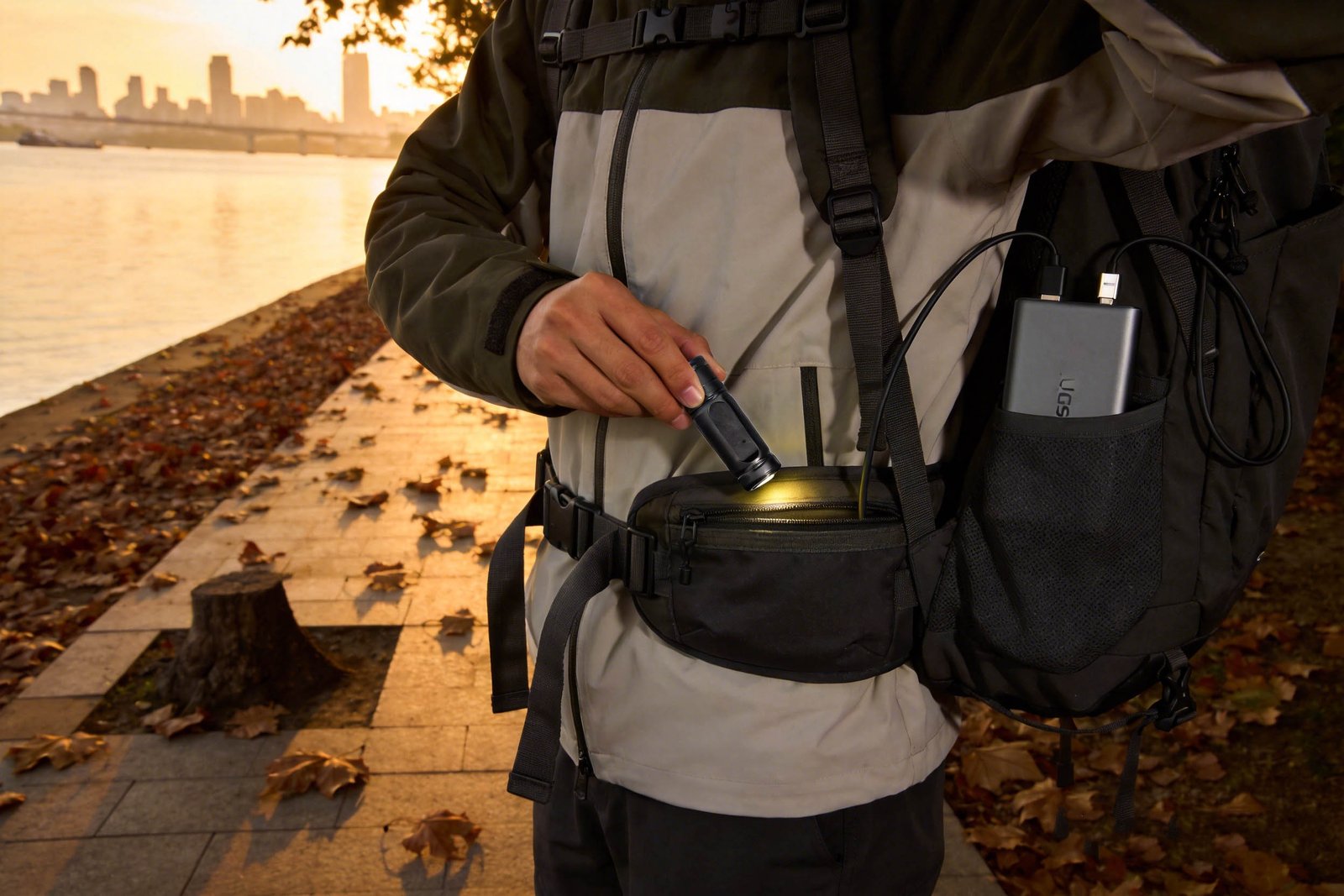
The reality is that USB-C fits into our existing lifestyle. It allows you to charge your flashlight using a phone charger, a power bank, or even a USB-C cable already plugged into your laptop. For a product meant to be used spontaneously, this level of convenience is indispensable.
| Feature | Micro-USB | USB-C |
|---|---|---|
| Port Durability | Moderate | High |
| Charging Speed | Slower | Faster |
| Device Compatibility | Limited | Broad |
| User Convenience | Moderate | High |
Can USB-C also mean fast charging?
Many people see USB-C and immediately assume it guarantees fast charging. But is that true for small EDC flashlights?
USB-C supports fast charging, but small flashlights often don’t require high charging speeds due to their limited battery capacity.
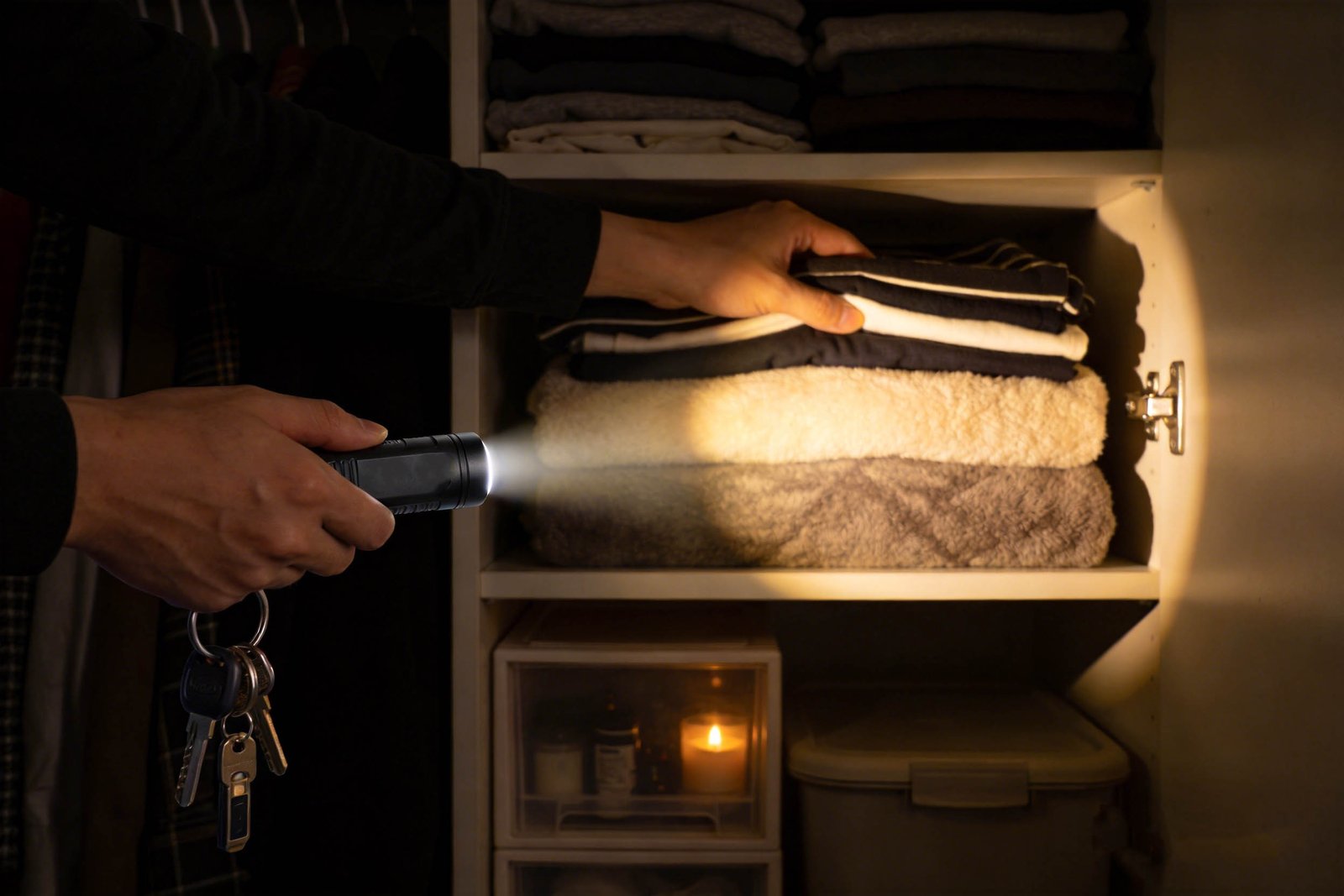
EDC flashlights typically have compact batteries ranging from a few hundred to a few thousand mAh. Pushing fast charging unnecessarily could lead to overheating, shorter battery life, and added strain on internal components. For such tools, practical charging speeds that maintain long-term reliability are more important than sheer speed.
| Battery Size | Optimal Charging Rate | Fast Charging Issues |
|---|---|---|
| <1000 mAh | Low to moderate | Overheating risk |
| 1000–3000 mAh | Moderate | Reduced lifespan |
| >3000 mAh | Moderate to high | Requires advanced heat management |
How does USB-C impact flashlight design?
From a manufacturer’s point of view, integrating USB-C into a flashlight changes more than just the port.
USB-C takes up internal space in compact flashlights1, requiring rethinking the arrangement of components like batteries, circuits, and LED systems.
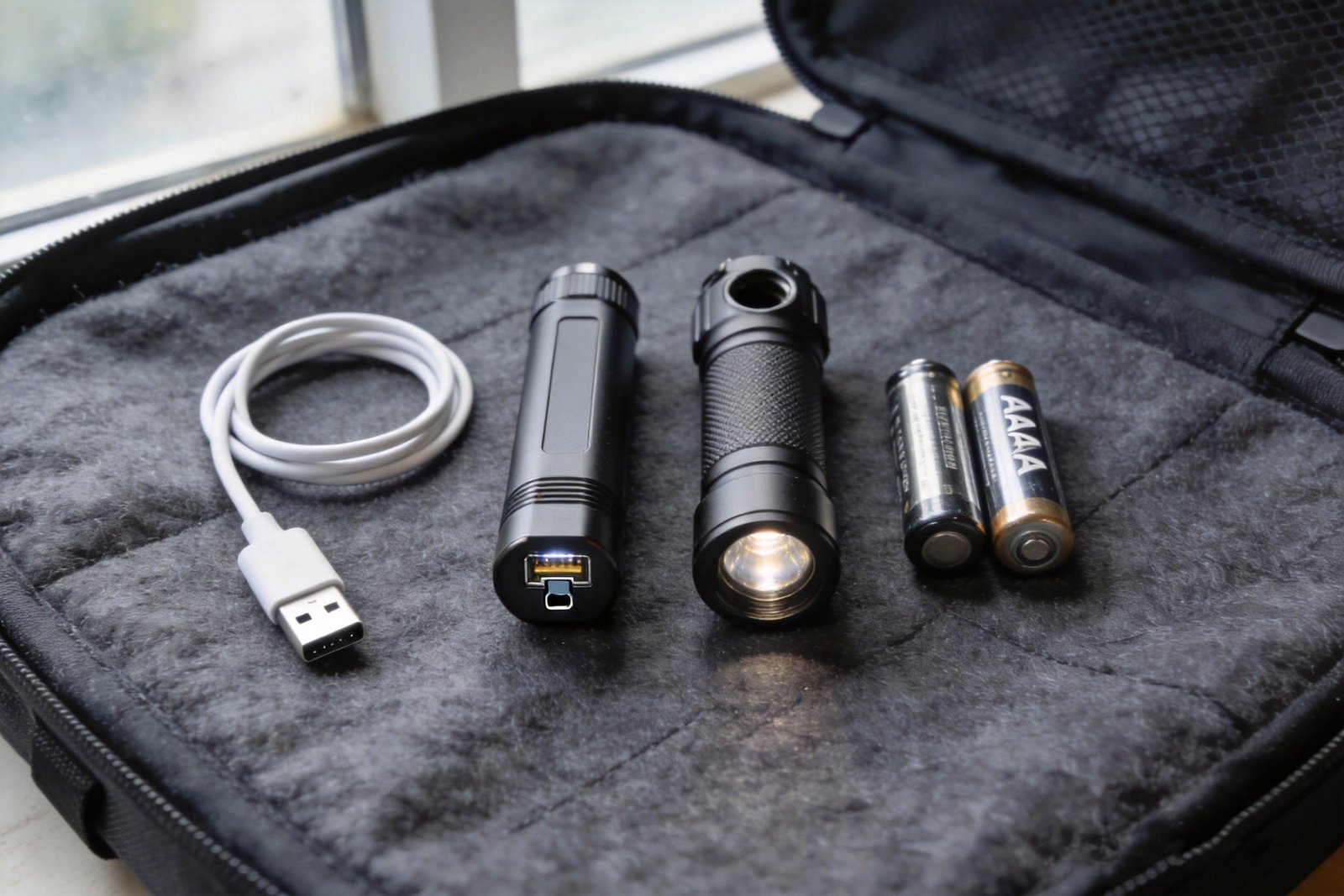
Flashlights are already packed with necessary components like LEDs, drivers, batteries, and optical systems. Adding USB-C means manufacturers must carefully design the housing, ensure PCB durability, and address mechanical stresses from frequent charging.
This is why USB-C implementation can vary between brands and models. A well-designed flashlight prioritizes both the function and durability of the charging system.
Does USB-C charging conflict with water resistance?
For outdoor or rough-use scenarios, USB-C might create an unexpected challenge for EDC flashlights.
USB-C ports often need seals or covers to maintain water resistance, but these seals can wear down with frequent use.
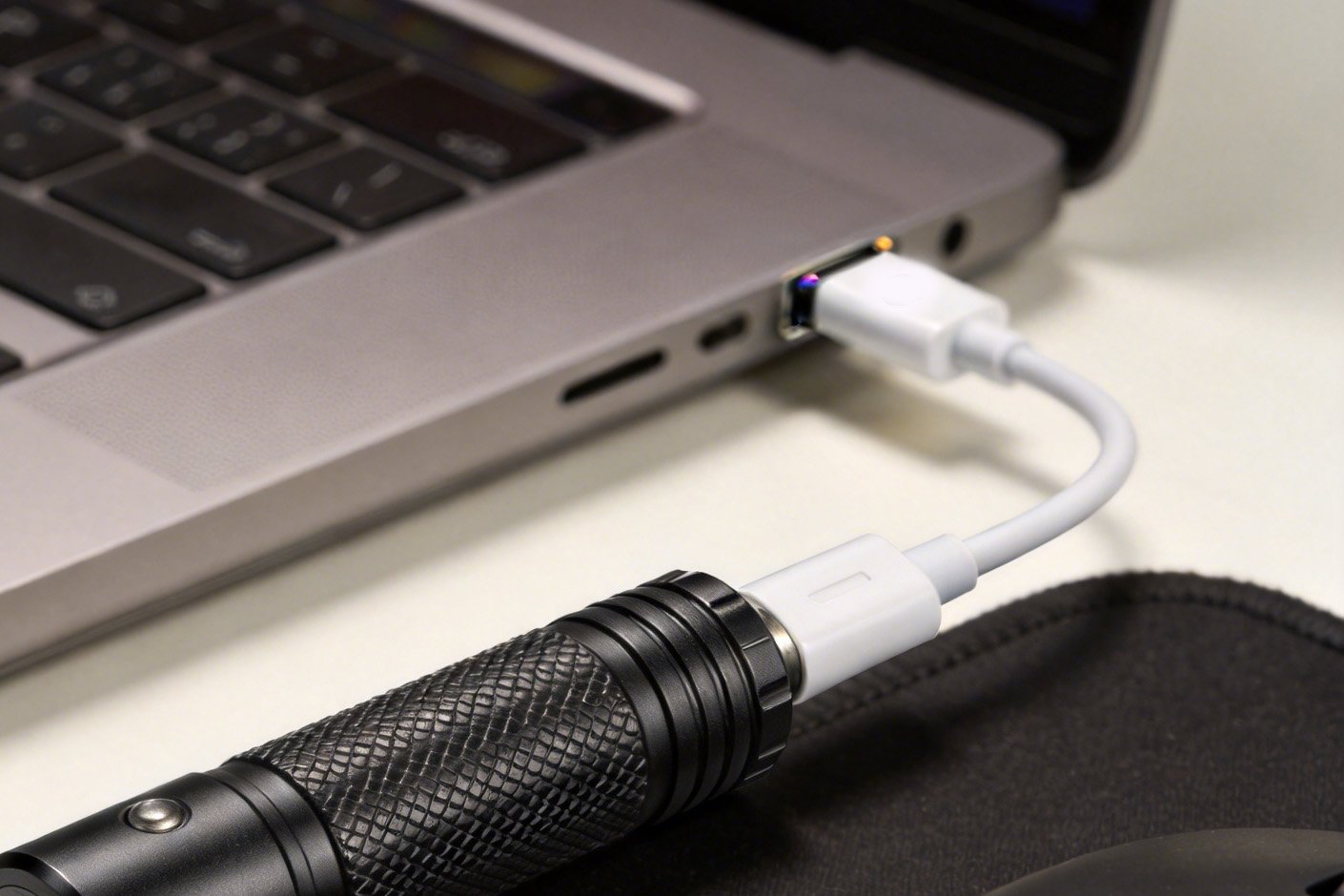
Many USB-C flashlights rely on silicone covers or waterproof seals to protect their ports. While this works in the short term, repeated charging can lead to wear and tear on seals, compromising water resistance over time. Balancing ease of access with reliable waterproofing remains a key challenge for manufacturers.
| Seal Feature | Advantage | Disadvantage |
|---|---|---|
| Silicone Cover | Easy to open and close | Wears out over time |
| Integrated Seal | Reliable against water ingress | May require careful handling |
Is USB-C better than replaceable batteries?
The debate between USB-C and replaceable batteries ultimately comes down to usage scenarios. So, what's the verdict?
USB-C is excellent for daily use, but for long outdoor adventures, replaceable batteries may still be a top choice.
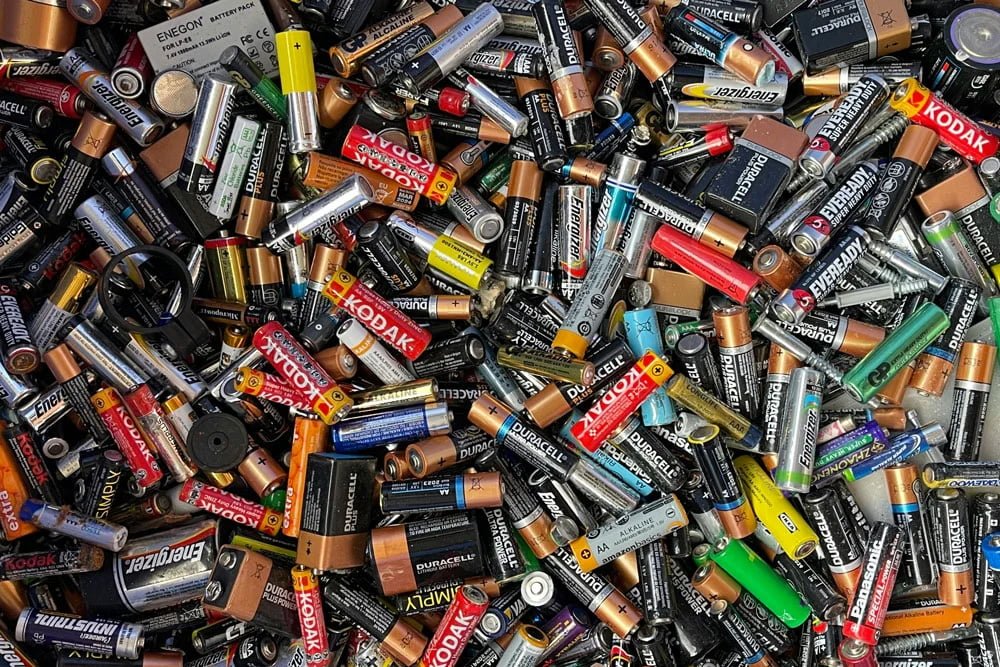
USB-C streamlines charging for everyday use, but replaceable batteries shine when you need extended power. For example, on multi-day trips, swapping batteries is often faster than waiting for charging. Some manufacturers even combine both options for flexibility.
| Scenario | USB-C Charging | Replaceable Batteries |
|---|---|---|
| Daily Commute | Convenient | Less practical |
| Camping Trips | Impractical | Highly functional |
| Emergency Use | Useful | Essential for backup |
Does USB-C handle real-world conditions?
The reliability of USB-C charging systems isn’t just about the port itself—it’s about how the entire flashlight design handles power management.
USB-C flashlights must manage heat, battery safety, and charging stability under a variety of conditions, like extreme temperatures or prolonged disuse.
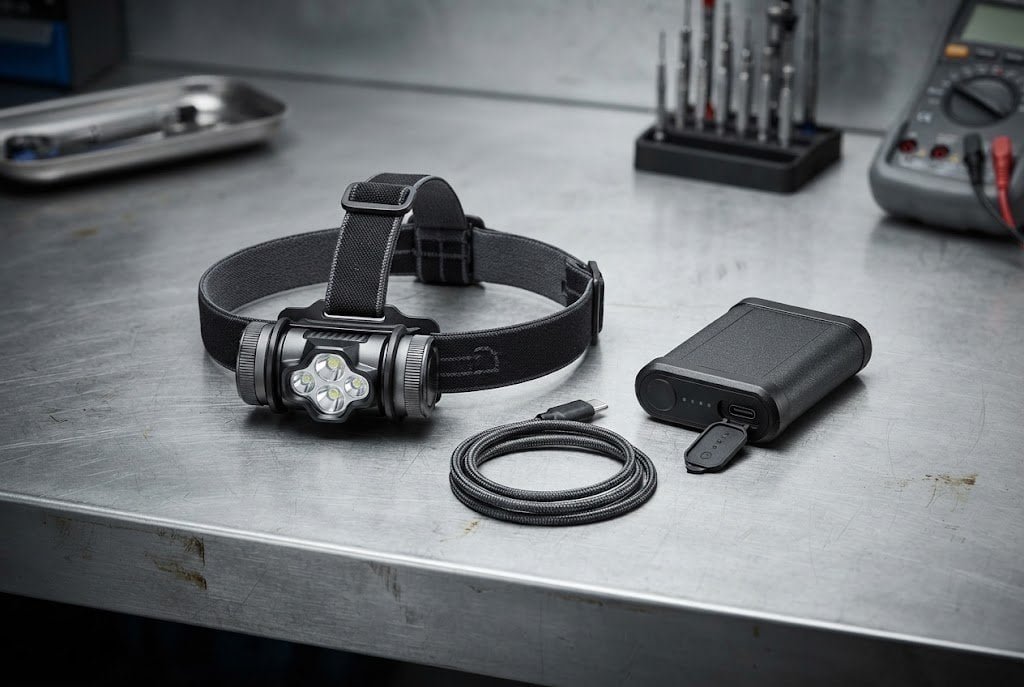
Manufacturers must address challenges like protecting the battery in extreme heat or cold, ensuring overcharge protection, and maintaining performance over time. These nuances directly impact how well your flashlight works in real-life scenarios.
Can USB-C flashlights work while charging?
Users sometimes want to use their flashlights while charging, like when they need an impromptu desk lamp. But is this feature always available?
A flashlight with USB-C does not always guarantee simultaneous charging and usage, as this requires specific internal circuitry and testing.
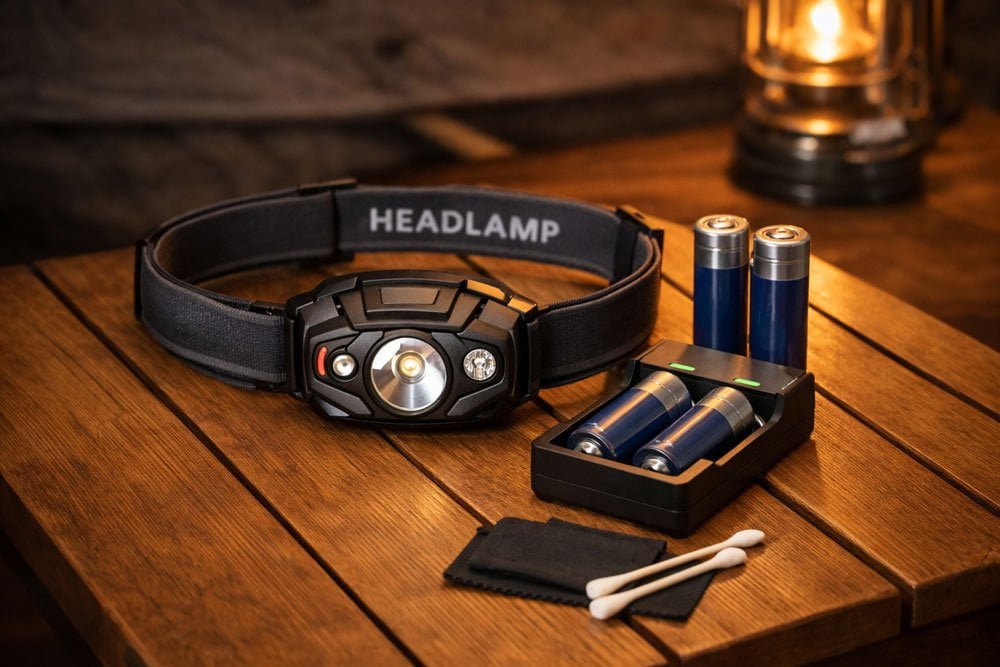
For manufacturers, this feature requires careful design to ensure reliability, temperature control, and consistent brightness. Flashlights that can charge while in use provide added convenience, but verifying this feature is important when choosing your EDC flashlight.
| Design Priority | Issue Addressed |
|---|---|
| Heat Management | Prevents overheating |
| Stable Brightness | Maintains light consistency |
| Battery Circuit Design | Ensures seamless switching |
Conclusion
USB-C charging is a natural evolution for EDC flashlights, making them easier to charge and use. But good design goes beyond the port itself—it redefines how the flashlight fits into your daily life.
"USB-C", https://en.wikipedia.org/wiki/USB-C. Design studies show that integrating USB-C ports into compact devices often requires reconfiguration of internal components to accommodate the new port size and layout. Evidence role: mechanism; source type: research. Supports: USB-C takes up internal space in compact flashlights, requiring rethinking the arrangement of components like batteries, circuits, and LED systems.. Scope note: The evidence may not specifically address EDC flashlights but provides insight into design challenges. ↩