
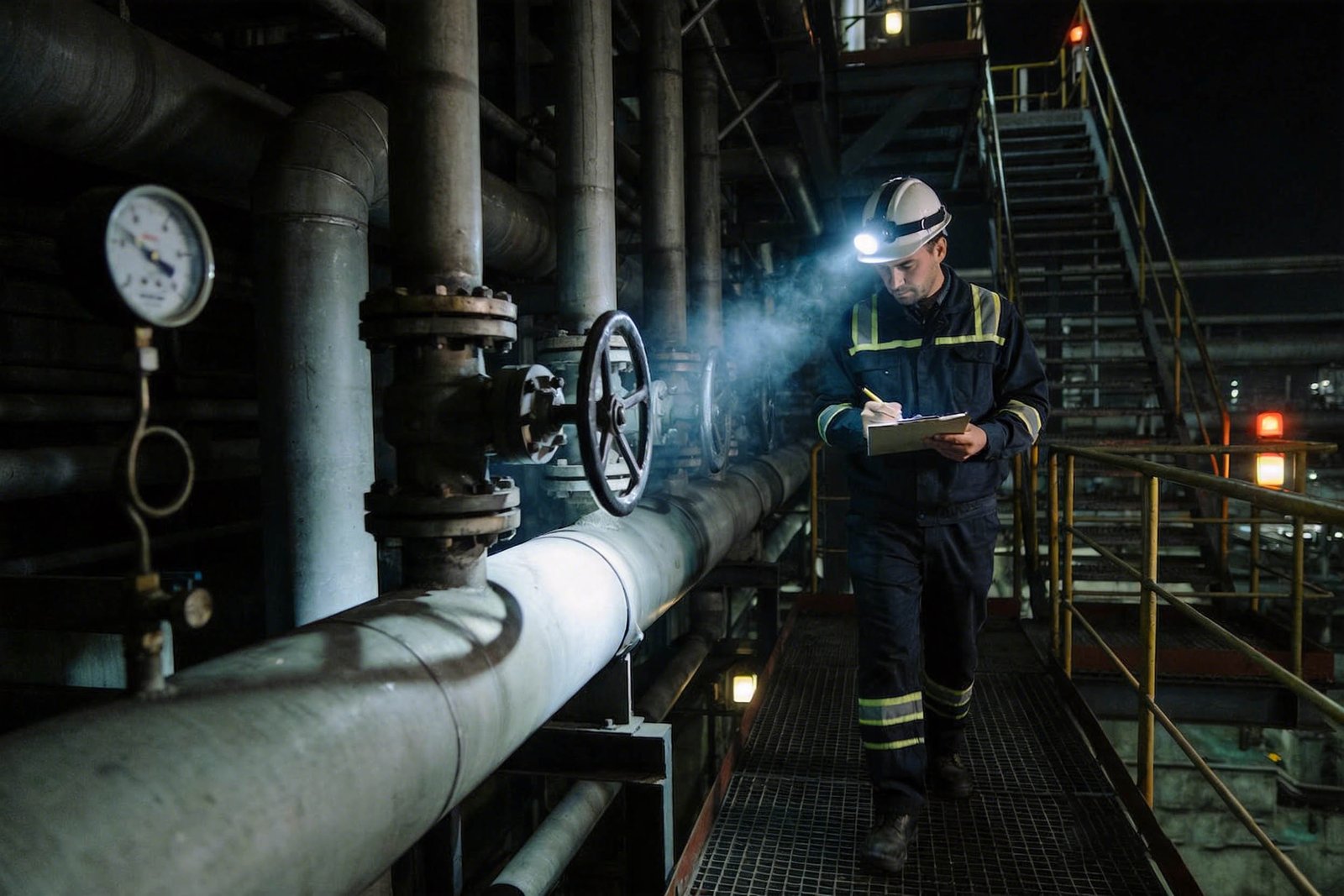
When it comes to industrial headlamps, most people's first thought is "how many lumens are needed?" But is brightness the only factor to consider?
Choosing an industrial headlamp should focus on the actual work environment and tasks, not merely on lumen numbers. Consider beam type, runtime, comfort, and durability for practical usability.
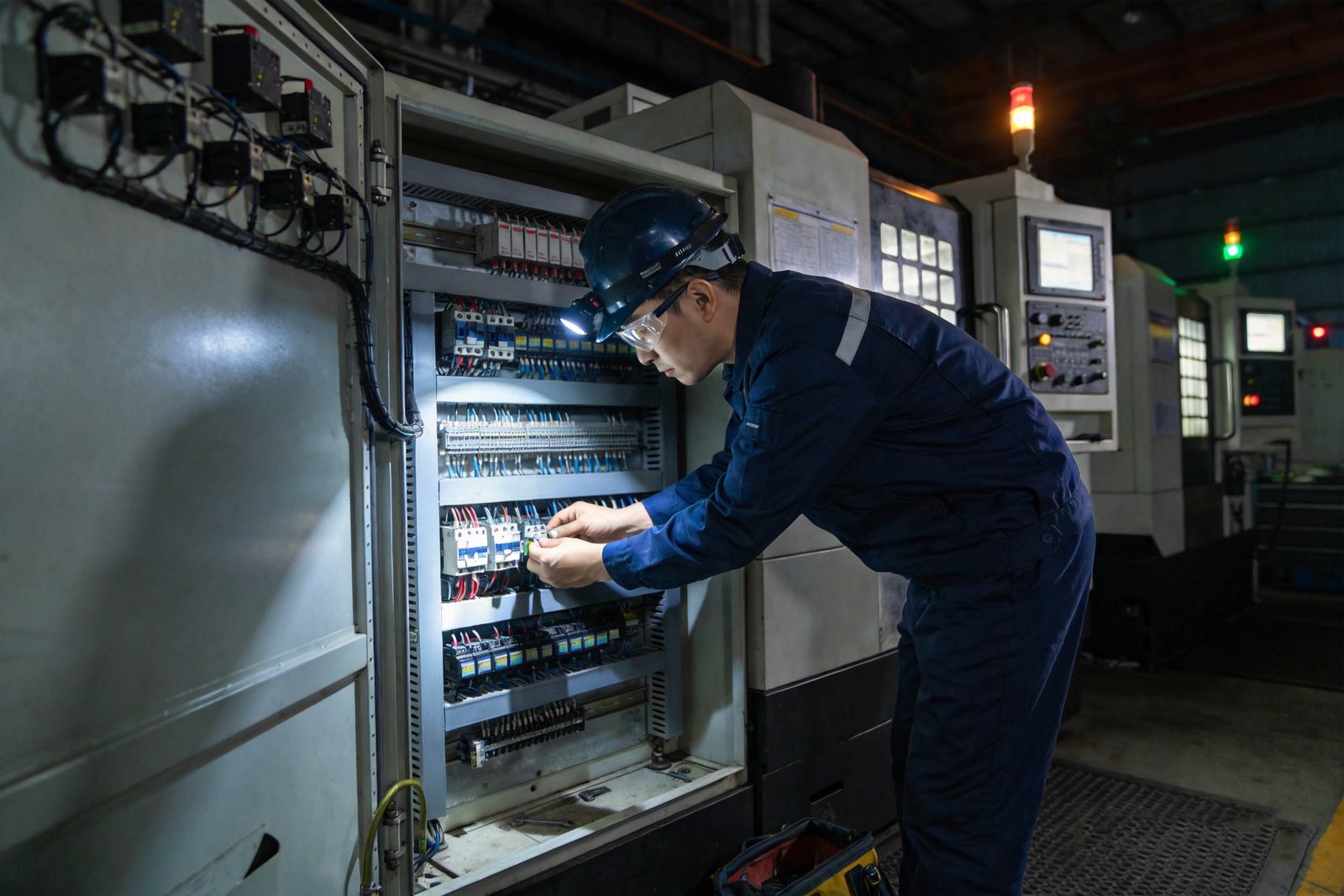
Industrial environments demand tools that perform consistently in challenging situations. So how can you make a choice that balances brightness, durability, and comfort? Let’s explore.
How do work scenarios determine brightness needs?
We often start with lumens when choosing headlamps. But the correct approach is to define the work environment first, then decide on brightness requirements.
Identify the tasks: observing details up close or inspecting distant areas, fixed-position work or moving frequently, illuminating a wide area or focusing on a specific target. Brightness needs depend on these answers.
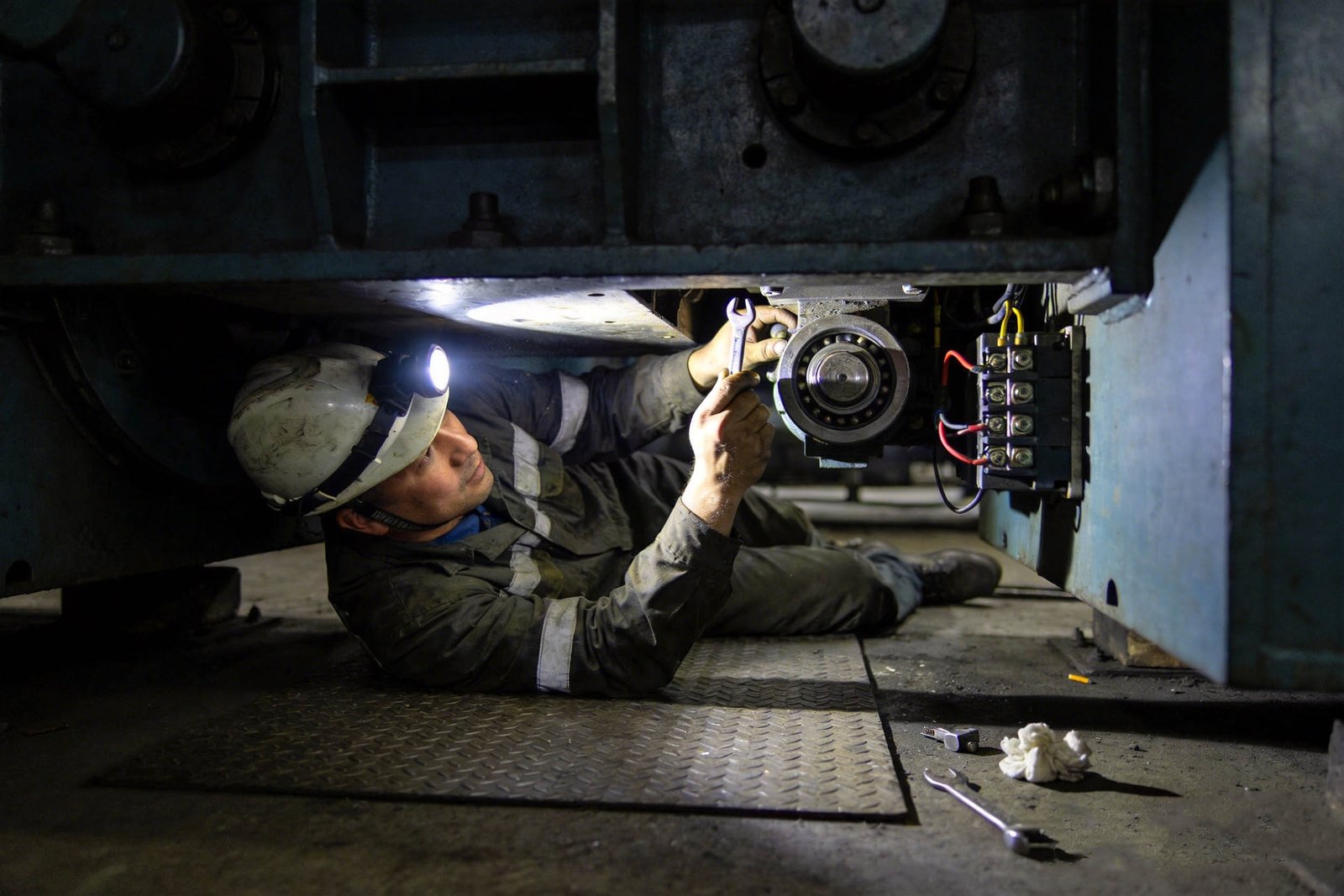
Different tasks require different lighting strategies:
| Task Type | Preferred Beam Type | Key Considerations |
|---|---|---|
| Close-up repairs | Wide and uniform | Cover hands, tools, and parts |
| Night inspections | Focused beam | Reach longer distances |
| Tight spaces | Compact beams | Ease of maneuverability |
High lumens don’t guarantee effectiveness. ANSI/IES standards emphasize factors like uniformity, glare, and coverage. This is why work type should always dictate specifications.
Why is beam design and runtime more important than peak brightness?
Numbers like “1000 lm” or “1500 lm” are tempting, but brightness alone doesn’t ensure effective illumination. Beam design and output duration matter much more.
A headlamp's beam should match the task. Wide beams are great for close-up work; focused beams excel for long distances. Sustained output is critical for industrial use.
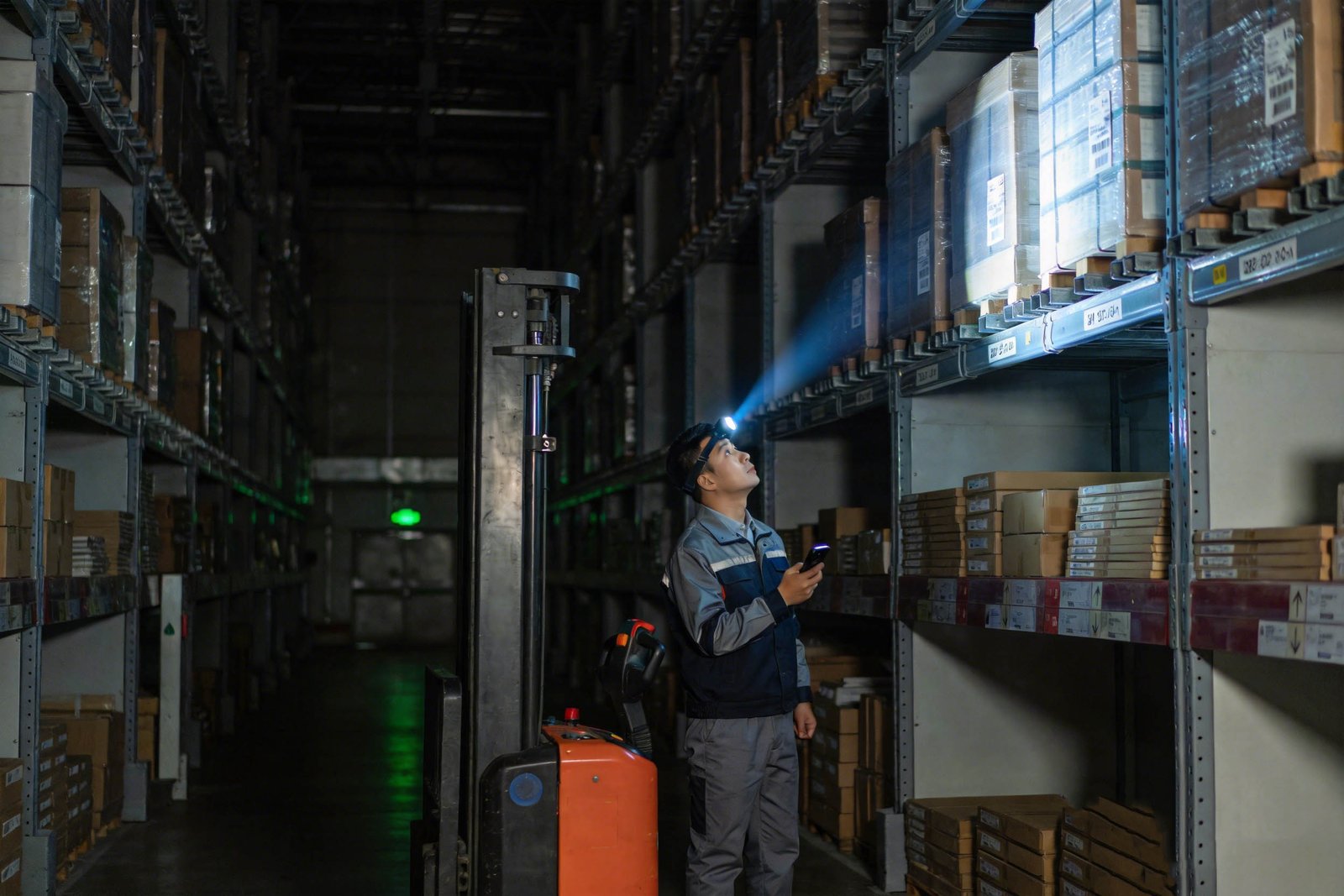
Consider these distinctions:
| Feature | Importance |
|---|---|
| Beam type | Wide vs. focused, task-specific |
| Sustained output | Reliable, not limited to brief “Turbo” mode |
| Multi-mode functionality | Adapts to varied tasks |
Reliable lighting for hours matters more than momentarily impressive brightness. Industrial users need tools that perform steadily throughout their shifts.
How does comfort impact long-term usage?
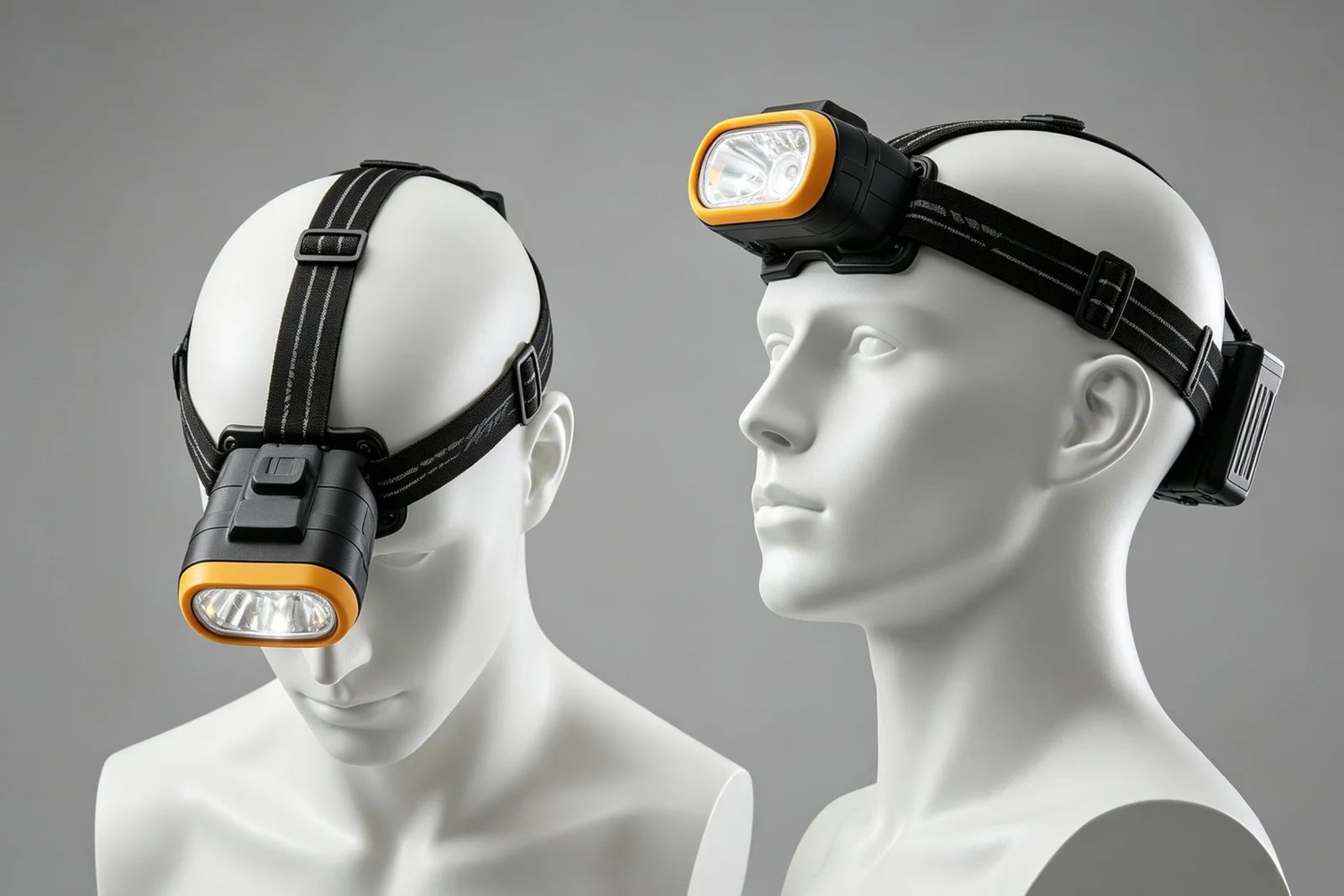
Industrial headlamps are worn for hours, and comfort becomes crucial over time. Weight, headband design, and battery placement all play a role in user experience.
Balance between battery capacity and user comfort ensures ergonomic and functional performance for long durations.

Consider balancing these factors:
| Aspect | Importance |
|---|---|
| Weight distribution | Prevents strain during long shifts |
| Adjustable headbands | Offers fit for protective gear compatibility |
| Battery size vs. weight | Matches runtime without excessive weight |
From my experience testing headlamps, even my kids spot discomfort quickly. If a child finds it heavy or hard to adjust, imagine an industrial worker's experience after hours of use.
Why are durability and protection essential in tough environments?
Industrial work environments expose headlamps to dust, water, drops, and extreme temperatures. Durability becomes non-negotiable.
IP ratings and impact resistance determine a headlamp's ability to withstand harsh conditions. Match protection levels with actual work environments.
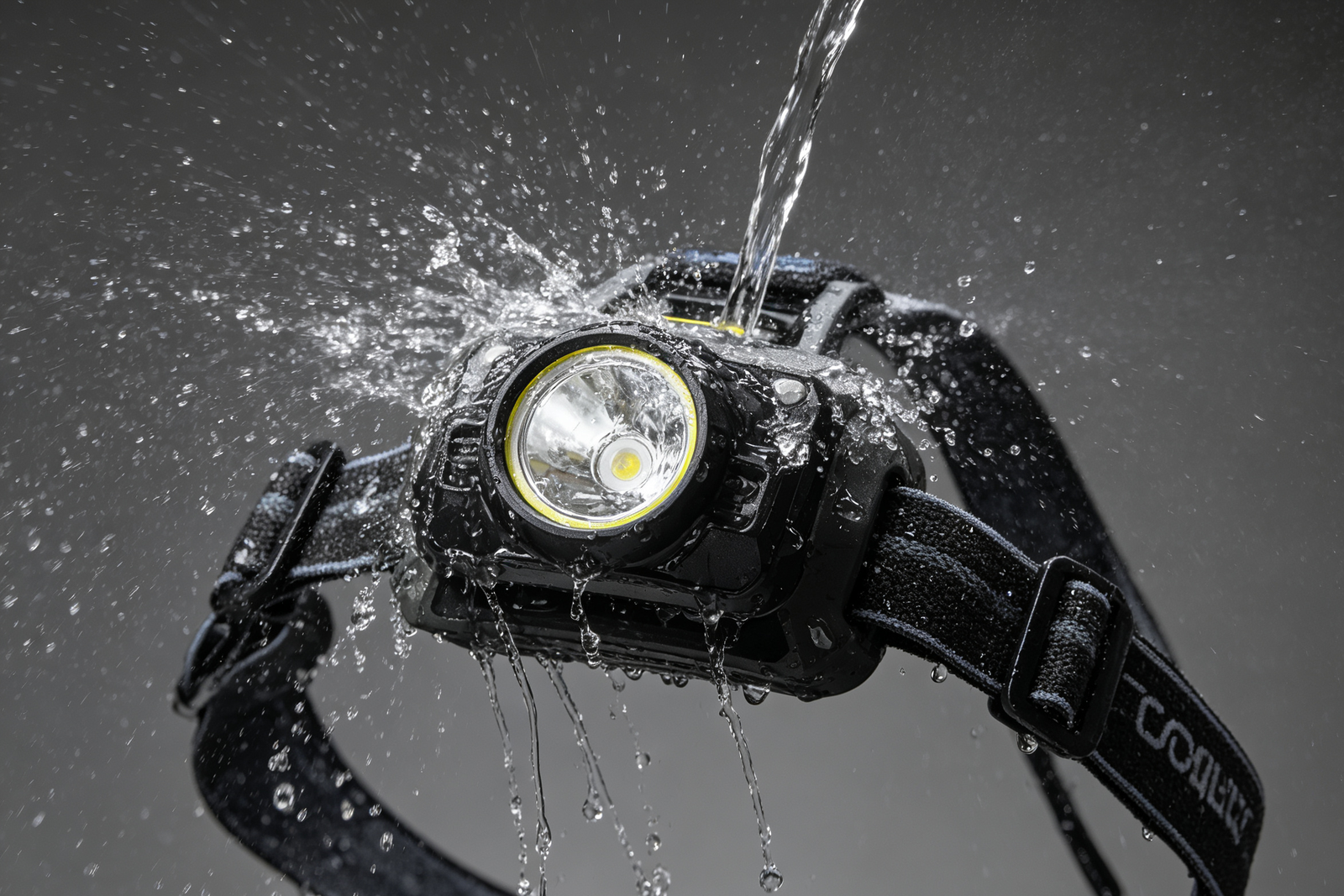
Key considerations include:
| Protection Feature | Importance |
|---|---|
| IP Rating (dust/water) | Matches indoor/outdoor or wet conditions |
| Impact resistance | Handles drops and collisions |
| Heat and cold tolerance | Performs in extreme temperatures |
Durability isn’t just about testing one unit; ensuring quality across mass production is key. Customers rely on consistency and reliability in large quantities.
Are certifications necessary for hazardous environments?
Certain industries like petrochemicals, mining, and gas require headlamps certified for explosive environments. IP ratings alone aren’t enough; specific safety standards apply.
Hazardous environments call for ATEX or IECEx-certified equipment to prevent risks associated with explosive atmospheres.
These certifications address:
| Certification | Application |
|---|---|
| ATEX Directive | European safety standards for explosive zones |
| IECEx Standards | Global safety system for hazardous zones |
| Local regulations | Compliance with industry-specific rules |
If safety is a priority, certifications must align with the worksite from day one—not as an afterthought. This prevents gaps between requirements and functionality.
Conclusion
Choosing the right industrial headlamp isn't about chasing the highest specs. It's about finding balance. Ask yourself:
Does it match the work tasks? Provide steady output? Feel comfortable for hours? Endure tough environments? If so, it’s truly fit for industrial use.
Good industrial tools aren’t just gadgets; they’re reliable partners for rigorous work1. If your team can work hours without issues, you’ve found the perfect headlamp.
"Manufacturing Automation Case Studies", https://www.industrial-tool.com/case-studies. The source highlights the role of reliable tools in enhancing productivity and safety in industrial settings, supporting the claim about the importance of dependable headlamps. Evidence role: general_support; source type: research. Supports: Good industrial tools aren’t just gadgets; they’re reliable partners for rigorous work.. Scope note: The support is general and may not specifically address headlamps or lighting equipment. ↩