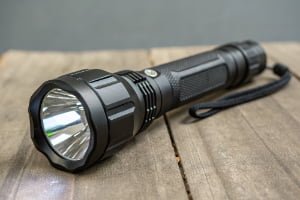
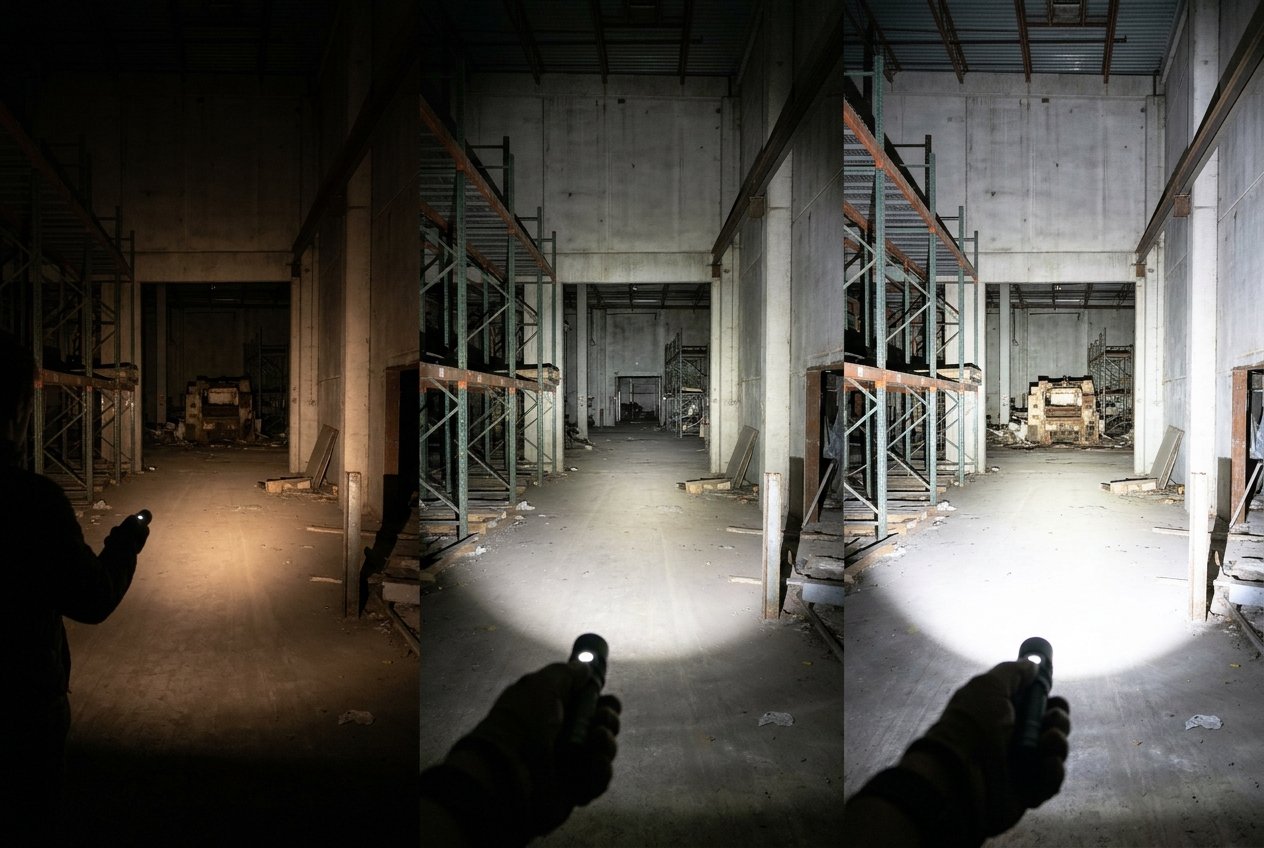
When shopping for a flashlight, one of the first specifications people notice is lumens. A 500-lumen flashlight, a 1000-lumen model, and a 2000-lumen flashlight may look similar on paper, but how different are they in real-world use?
Lumens measure the total visible light a flashlight emits, but brightness depends on beam design, light intensity, and usage environment. Higher lumens don’t always mean better performance in every situation.
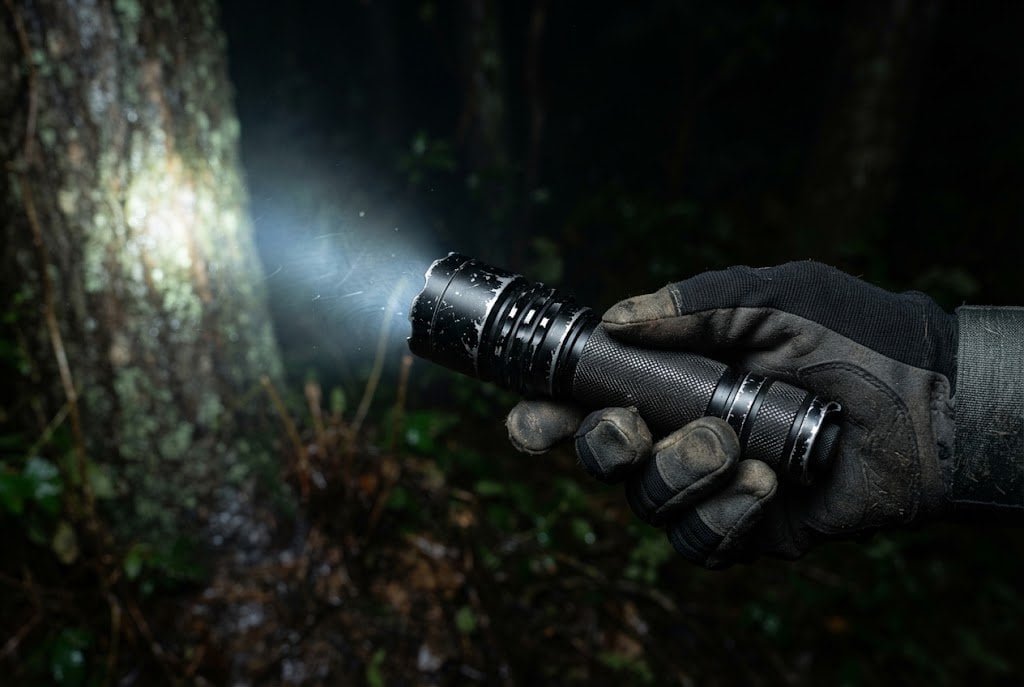
Real-world flashlight performance is influenced by factors like beam pattern, battery life, and heat management. Let's explore these differences to help you choose the right lumen level for your needs.
What Do Lumens Actually Tell You?
Lumens (lm) measure the amount of visible light a source emits. Higher lumens mean brighter light, but this figure doesn’t explain how far the light reaches or its beam quality.
Lumens represent overall brightness, but beam shape determines how light spreads. Flashlight performance varies even with similar lumen ratings.

Beam design matters. A wide beam illuminates nearby areas effectively, while a narrow beam focuses on distant objects. Choosing based on beam type and lumens together gives better results.
500 vs. 1000 vs. 2000 Lumens: A Quick Comparison?
Choosing between 500, 1000, and 2000 lumens starts with understanding their characteristics for specific tasks. Here's a simplified comparison:
| Feature | 500 Lumens | 1000 Lumens | 2000 Lumens |
|---|---|---|---|
| General use | Everyday tasks | Versatile for home and outdoors | Ideal for demanding tasks |
| Emergencies | Sufficient for close-range | Enhanced for broader use | Often more than needed |
| Camping | Nearby tasks | Balanced for most needs | Broad area searching |
| Outdoor use | Limited by beam reach | Suitable for most situations | Long-range searching |
| Heat management | Easier | Moderate | Critical at high output |
This table offers general guidelines. Product design, battery efficiency, and intensity matter more. Let’s dive deeper into each lumen category.
What Can You Expect from a 500-Lumen Flashlight?
A 500-lumen flashlight fits daily life. It’s portable, practical, and bright enough for home emergencies or maintenance work.
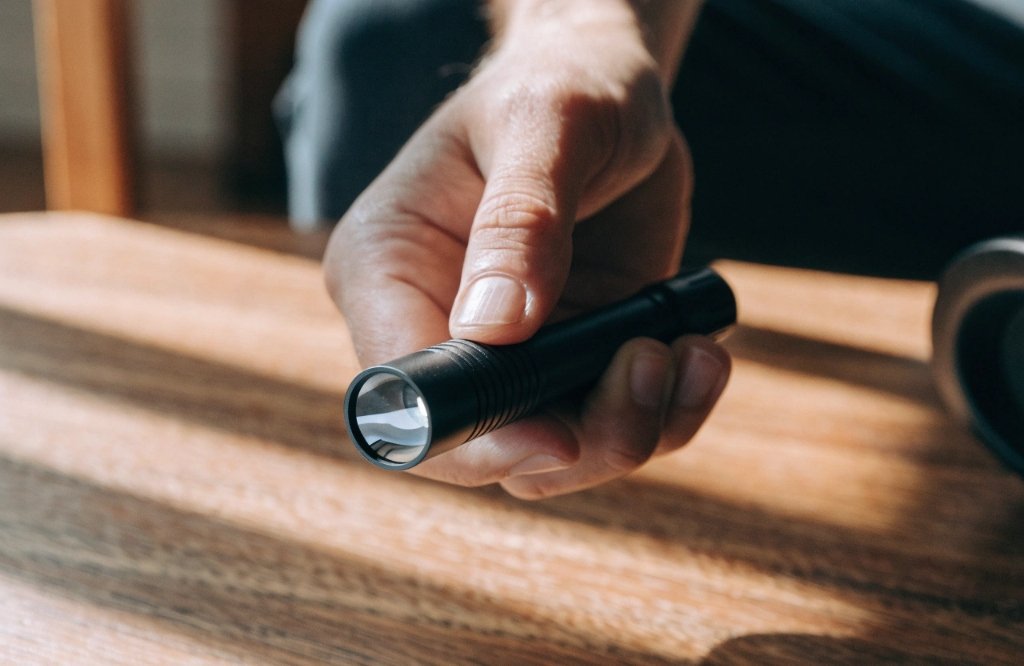
500 lumens provide enough light for close tasks like household repairs or navigating small spaces, making it ideal for everyday carry flashlights.
Everyday Carry and Household Use
500 lumens excel for tasks like finding objects, inspecting tight spaces, or navigating power outages. Its compact size and low power consumption make it a convenient option.
When 500 Lumens Fall Short
If you often search large outdoor areas, 500 lumens may lack the beam reach needed. Focused beam designs extend range but may still fall short for distant illumination.
Best for small spaces, home repairs, and everyday emergencies.
What Makes a 1000-Lumen Flashlight a Versatile Choice?
A 1000-lumen flashlight balances brightness and usability. It’s versatile for outdoor activities and general-purpose tasks, making it a popular choice.
1000 lumens illuminate larger areas than 500, ideal for camping, maintenance, and switching between indoor and outdoor conditions.
Camping and Outdoor Use
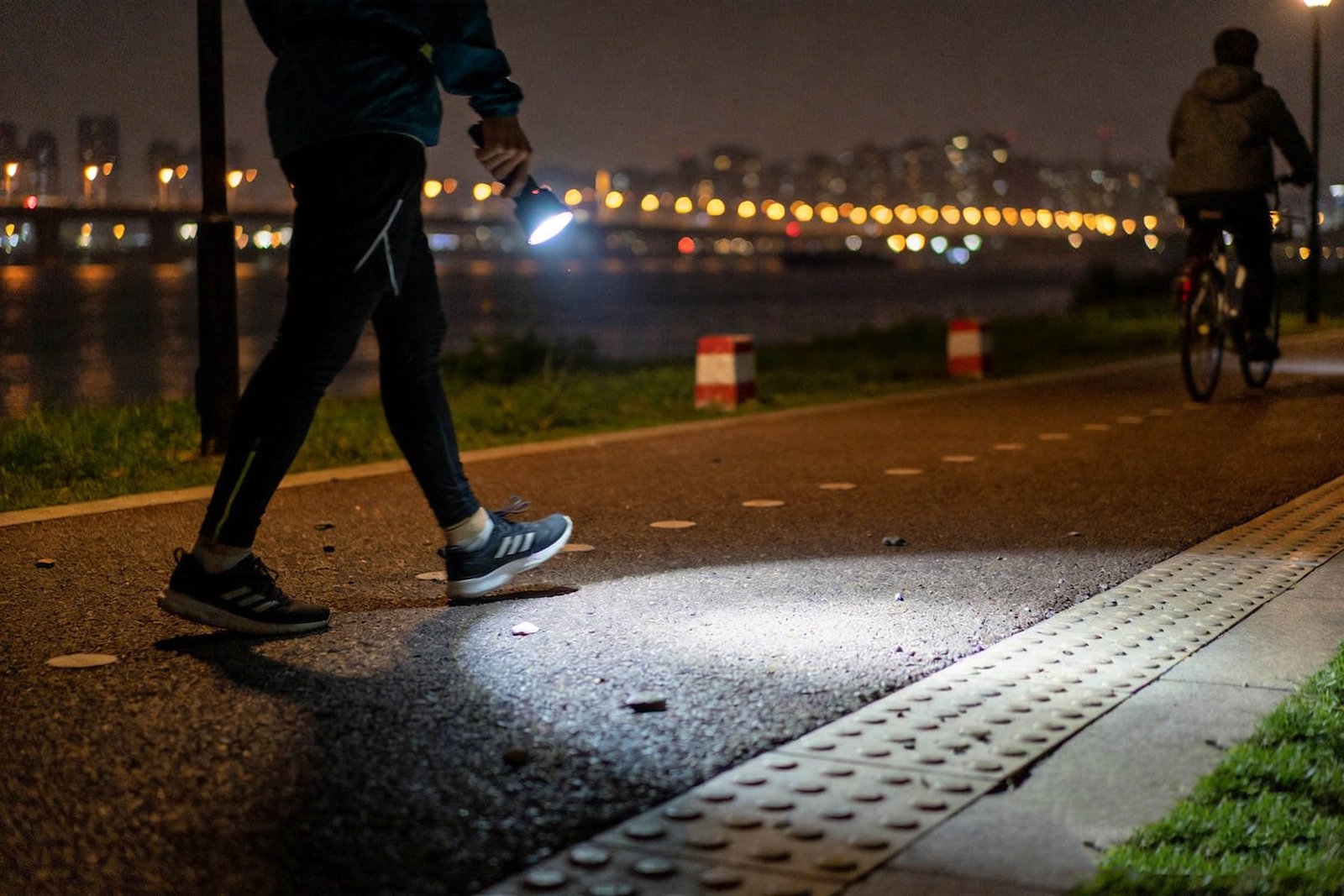
For campers, 1000 lumens work well. It covers paths, gear checks, and broader surroundings. Adjustable brightness enhances flexibility, from tent tasks to open-area searches.
Work and DIY Utility
Mechanics and DIY users benefit from 1000 lumens for inspecting equipment or lighting garages. Wide beams help work surfaces; narrow beams target specific inspection points.
Best for camping, maintenance, and users seeking multipurpose flashlights.
What Does a 2000-Lumen Flashlight Do Better?
A 2000-lumen flashlight delivers exceptional brightness, ideal for large areas and demanding illumination tasks.
2000 lumens excel in outdoor searching and work areas, where maximizing light output improves visibility across larger environments.
High-Output Tasks
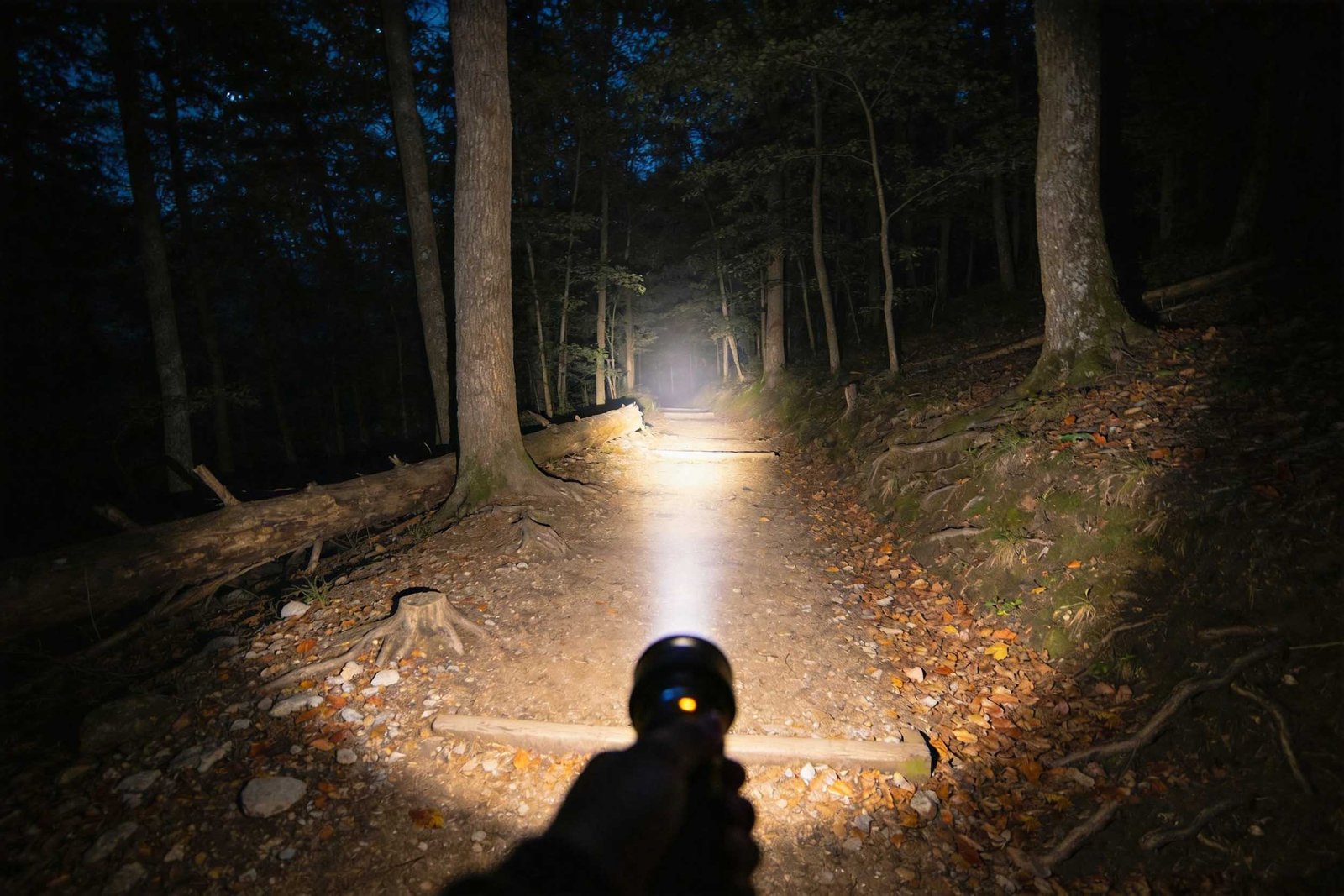
In outdoor searching or scanning trails, 2000 lumens provide critical illumination. However, beam distribution remains essential—wide beams spread light, while narrow beams focus it.
Considerations: Battery Life and Heat
High lumens increase power consumption and heat output. Many flashlights reduce brightness after time to manage heat. Choose designs with effective cooling and adaptable modes.
Best for large-scale illumination, outdoor searching, and demanding applications.
Is 2000 Lumens Four Times Brighter Than 500 Lumens?
Not exactly. Human perception doesn’t scale linearly with lumens. Factors like beam pattern, surface reflectivity, and darkness conditions alter how brightness is perceived.
2000 lumens emit four times the visible light of 500 lumens, but perceived brightness varies with environmental factors and beam design.
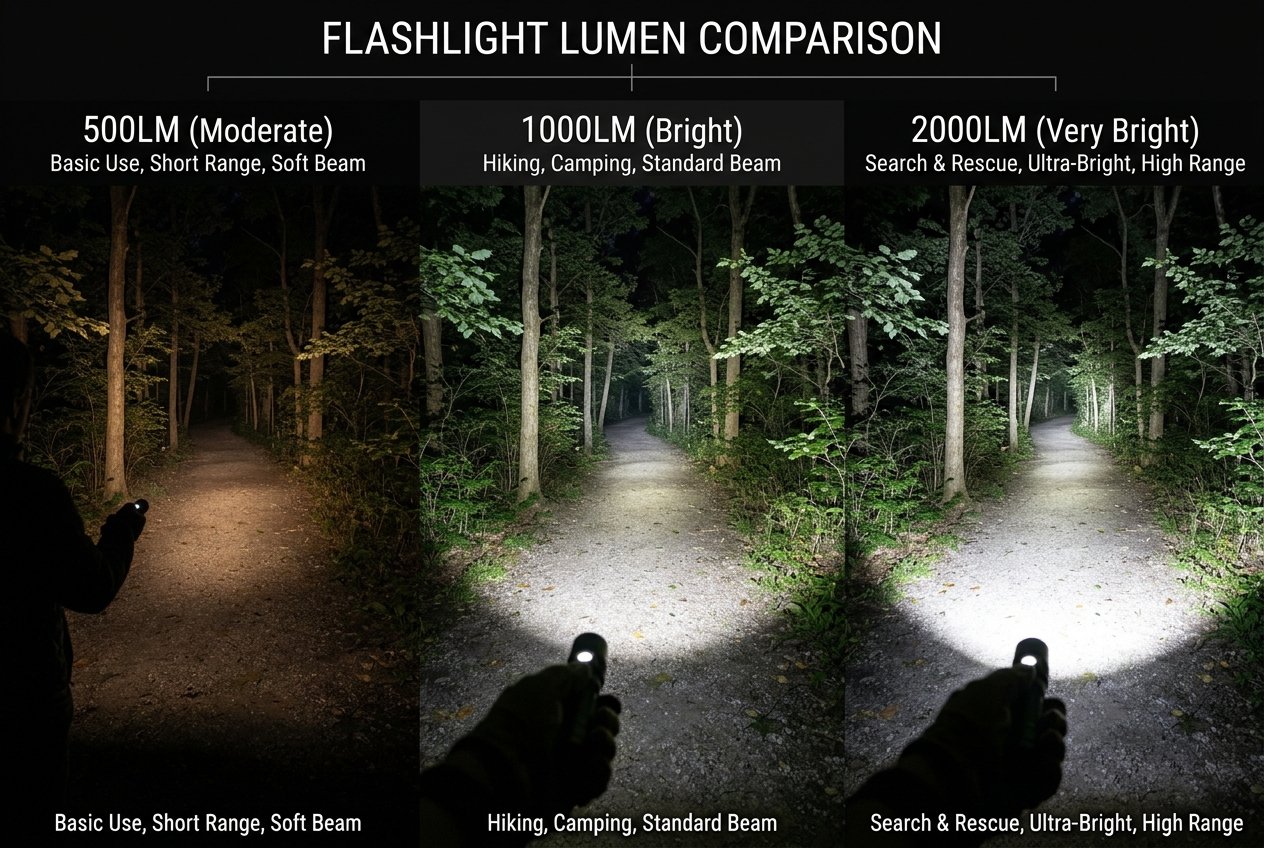
Beam shape changes intensity. A narrow beam 500-lumen flashlight may appear brighter at a distance than a wide beam 2000-lumen flashlight.
How Do Lumens Affect Flashlight Battery Life?
Higher lumens generally mean shorter battery life. Runtime depends on LED efficiency, battery size, and thermal management.
Flashlights with multiple brightness modes optimize runtime, offering flexibility for different tasks without depleting the battery quickly.
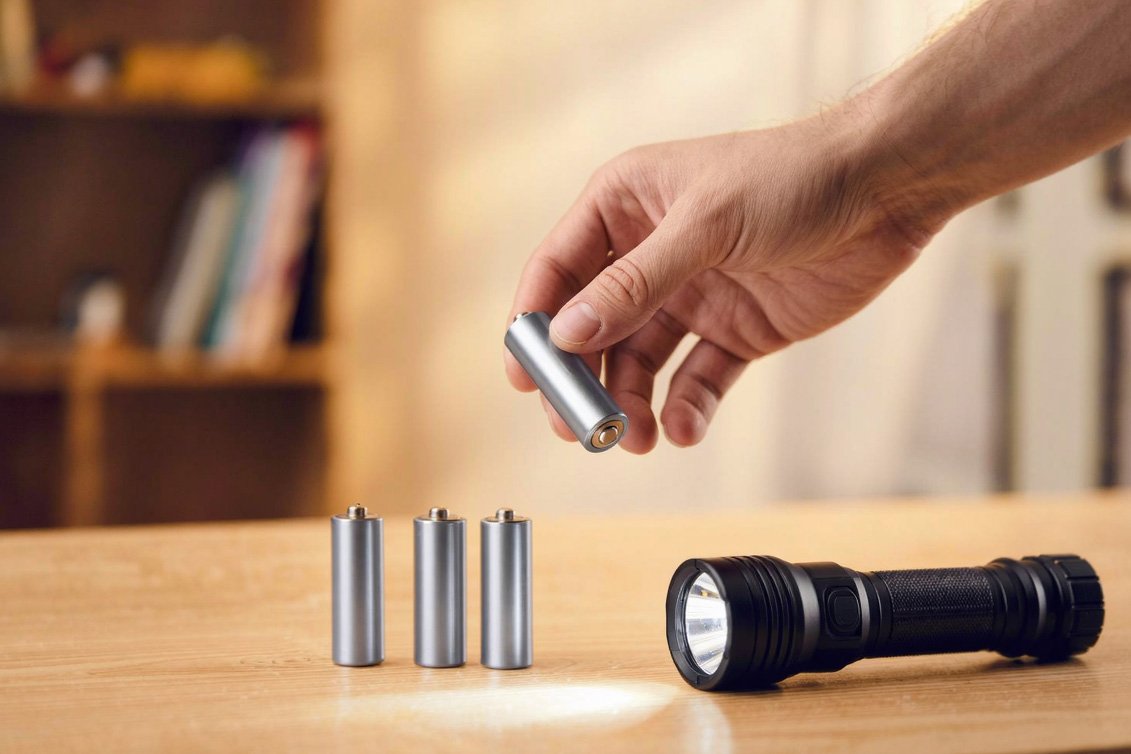
Consider your needs: sustained brightness for extended use or high output for brief tasks. A well-designed flashlight balances runtime and brightness.
How to Choose the Right Lumen Level for Your Needs?
Match lumen levels to your primary use case. Here's a guide:
- 500 lumens: Everyday carry, close-range tasks, emergencies.
- 1000 lumens: Home, camping, versatile use.
- 2000 lumens: Large areas, demanding outdoor applications.
Beam design matters as much as brightness. Evaluate optics, runtime, and user modes for better results.
Conclusion
Brightness alone isn’t everything. A 500-lumen flashlight meets daily needs. A 1000-lumen model balances versatility, while 2000 lumens excel for demanding tasks. Choose based on real-world application, not just lumen ratings.