
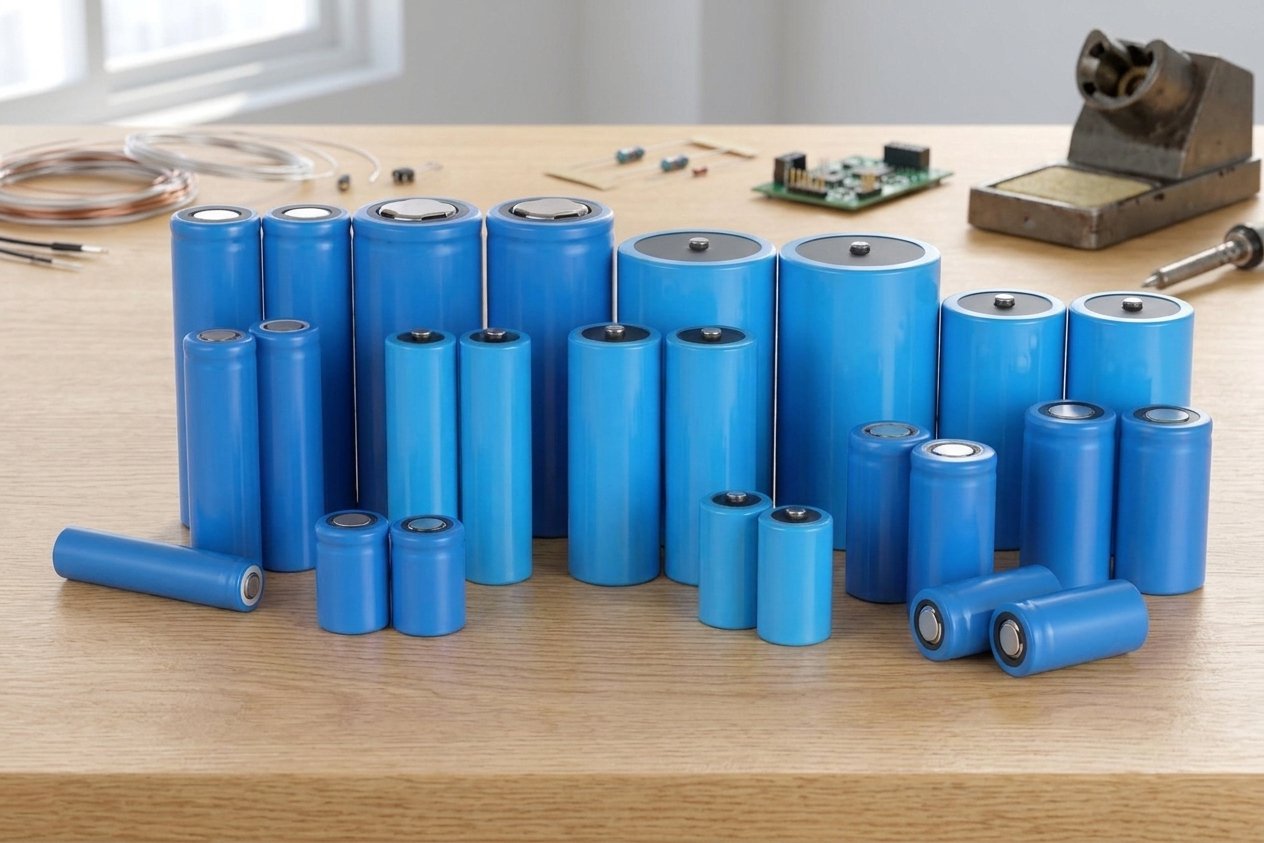
Headlamps often sit unused in backpacks, emergency kits, toolboxes, or household supplies for months or even years. When you need them most, you might find them drained, malfunctioning, or damaged by leaking batteries. Why does this happen, and which battery type is best for prolonged storage?
For long-term headlamp storage, primary lithium batteries are often the best choice due to their low self-discharge rate, extended shelf-life, and minimal leakage risk1.
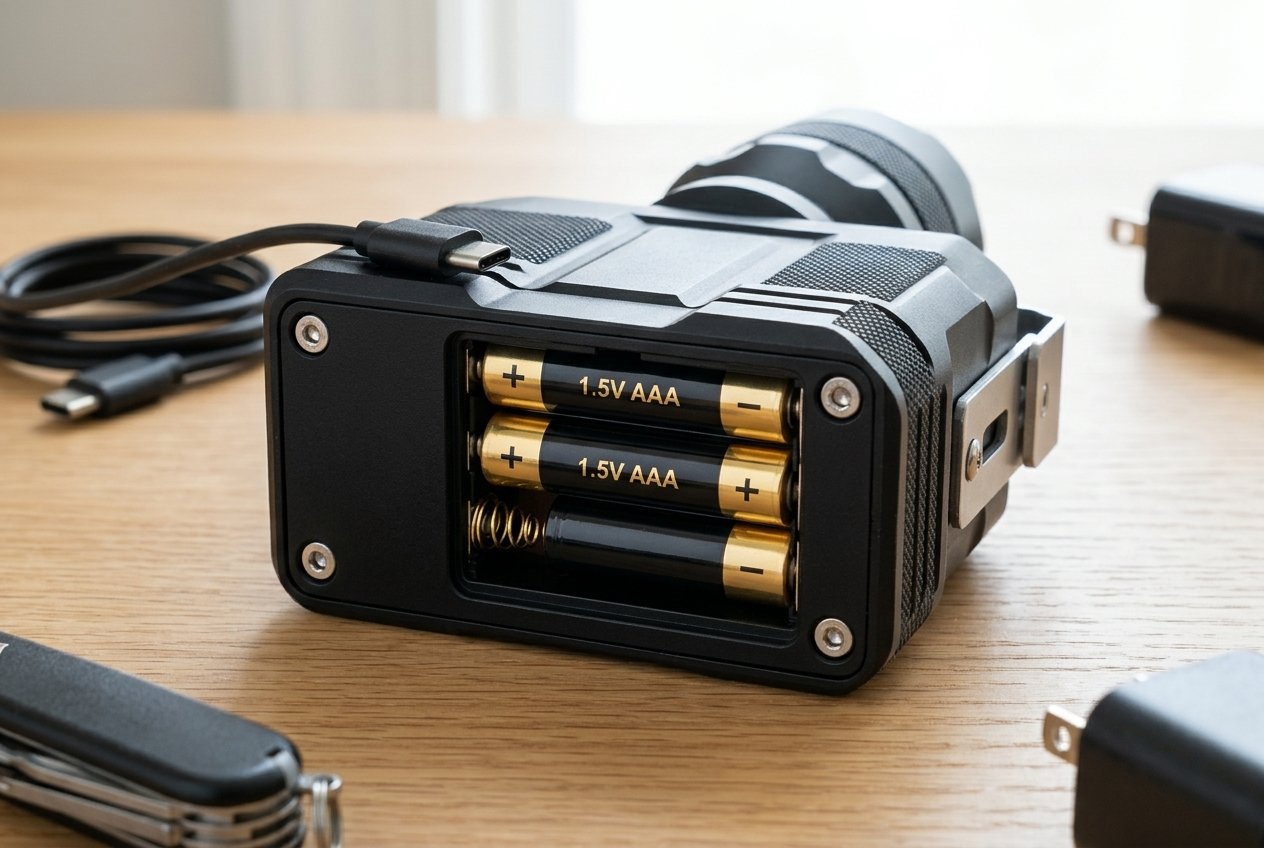
But this isn’t just about picking the longest-lasting battery. Choosing the right battery requires considering self-discharge, aging, leakage risks, storage temperature, usage frequency, and even the headlamp’s circuitry design2. Let’s dive deeper into this topic.
Why do headlamps fail after long storage?
Headlamps often fail because batteries don’t stop aging once the device is turned off. Even without powering the headlamp, batteries undergo subtle chemical changes that reduce their usable energy or cause damage over time.
Batteries fail due to self-discharge, calendar aging, and sometimes leakage, which can corrode the headlamp’s internal components or drain energy even when not in use.
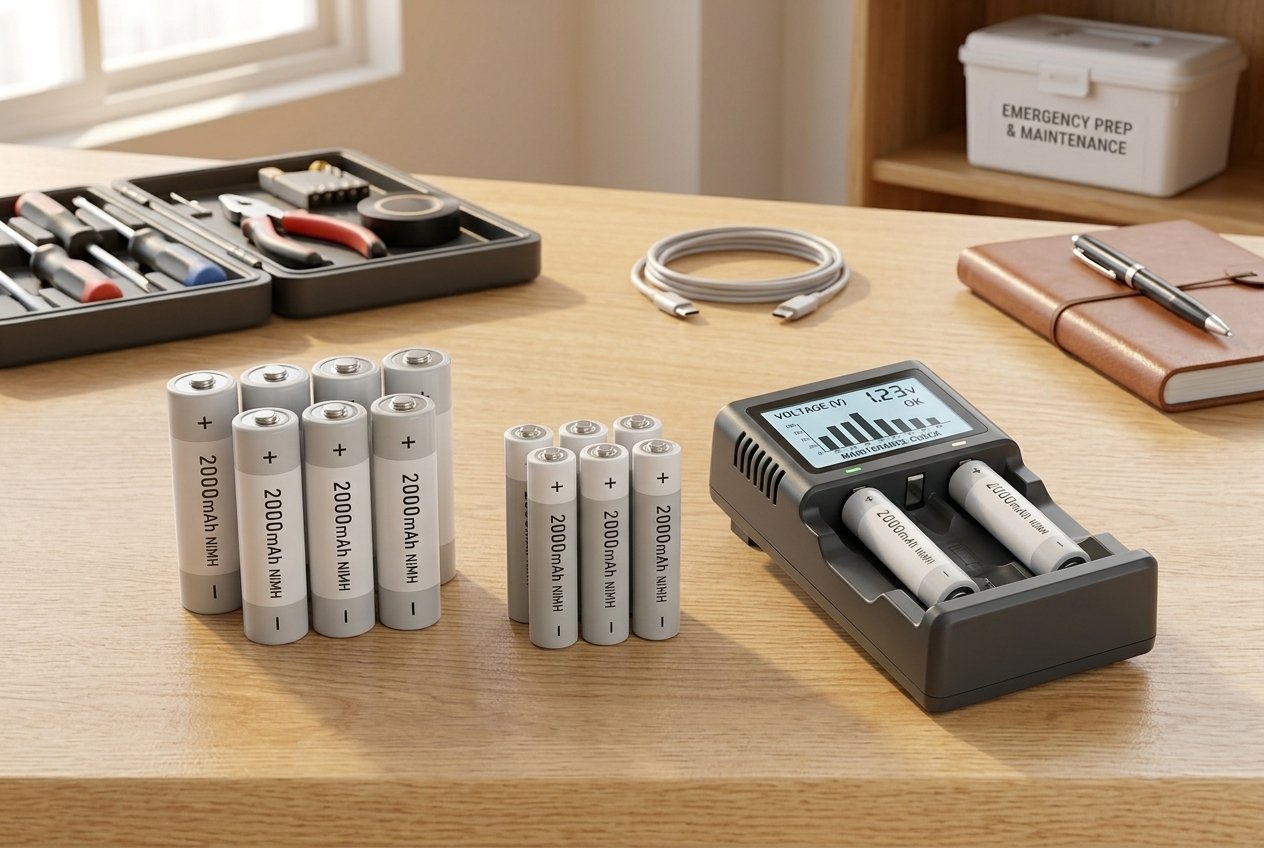
Self-Discharge: Why do unused batteries lose power?
Self-discharge occurs when internal chemical reactions deplete energy inside the battery, even if it isn’t actively powering a device. Factors such as battery type, temperature, and age influence this process significantly.
| Battery Type | Average Self-Discharge Rate | Best for Long-Term Use? |
|---|---|---|
| Alkaline Batteries | Moderate | Depends on storage care |
| Primary Lithium Batteries | Low | Highly recommended |
| NiMH Rechargeable Batteries | High (unless low self-discharge type) | Not ideal |
| Lithium-Ion Rechargeable | Moderate | Requires maintenance |
Headlamp circuits may also drain batteries through standby power consumption, further compounding self-discharge issues3.
Calendar Aging: Why do batteries degrade over time?
Calendar aging means the battery’s materials change over time regardless of usage. For lithium-ion batteries, high storage temperatures and full charge levels speed up this process. Even if a battery recharges, its capacity and output might fall below the headlamp’s operational requirements.
Leakage: Why do some batteries damage headlamps?
Leaking batteries release corrosive materials that can ruin headlamp contacts, springs, and casings. This risk increases when batteries are stored for extended periods or subjected to improper care. Removing batteries during storage minimizes this risk.
Which battery types are better for long-term storage?
Let’s compare the four major types of batteries commonly used in headlamps.
Are primary lithium batteries your best option?
Primary lithium batteries, such as lithium iron disulfide AA/AAA models, are excellent for long-term use.
Primary lithium batteries offer low self-discharge rates, long shelf life, and strong performance in a variety of temperatures, making them ideal for emergency or infrequently used headlamps.
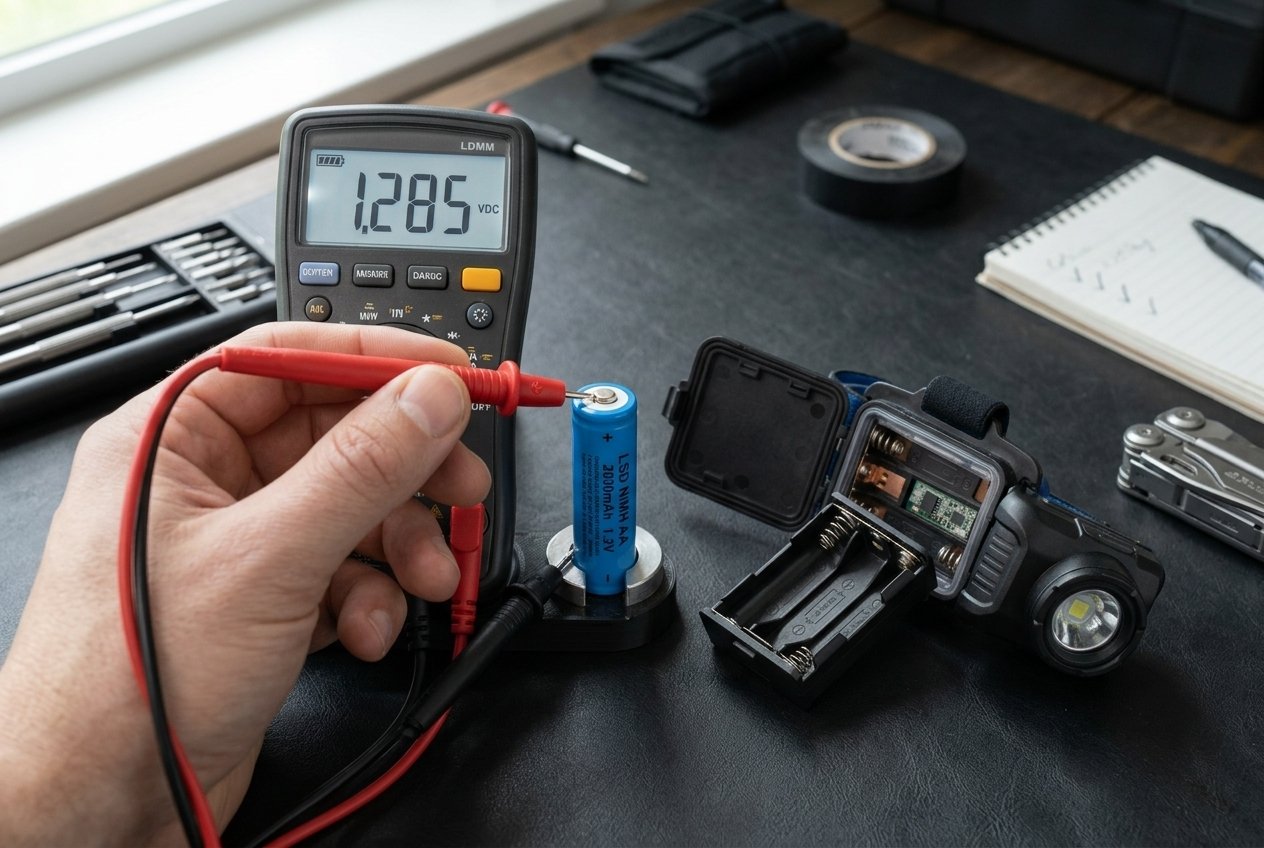
Primary lithium batteries have a shelf life that can extend for decades in optimal conditions. For example, Energizer’s L91 AA batteries promise up to 25 years of storage life under specific conditions. However, they require compatibility with the headlamp’s voltage and discharge requirements. Note that these are not rechargeable and must never be placed in chargers.
Can alkaline batteries be stored long-term?
Alkaline batteries are affordable and widely available, making them popular choices.
While cost-effective, alkaline batteries pose leakage risks and are best stored separately from headlamps to avoid corrosion damage.
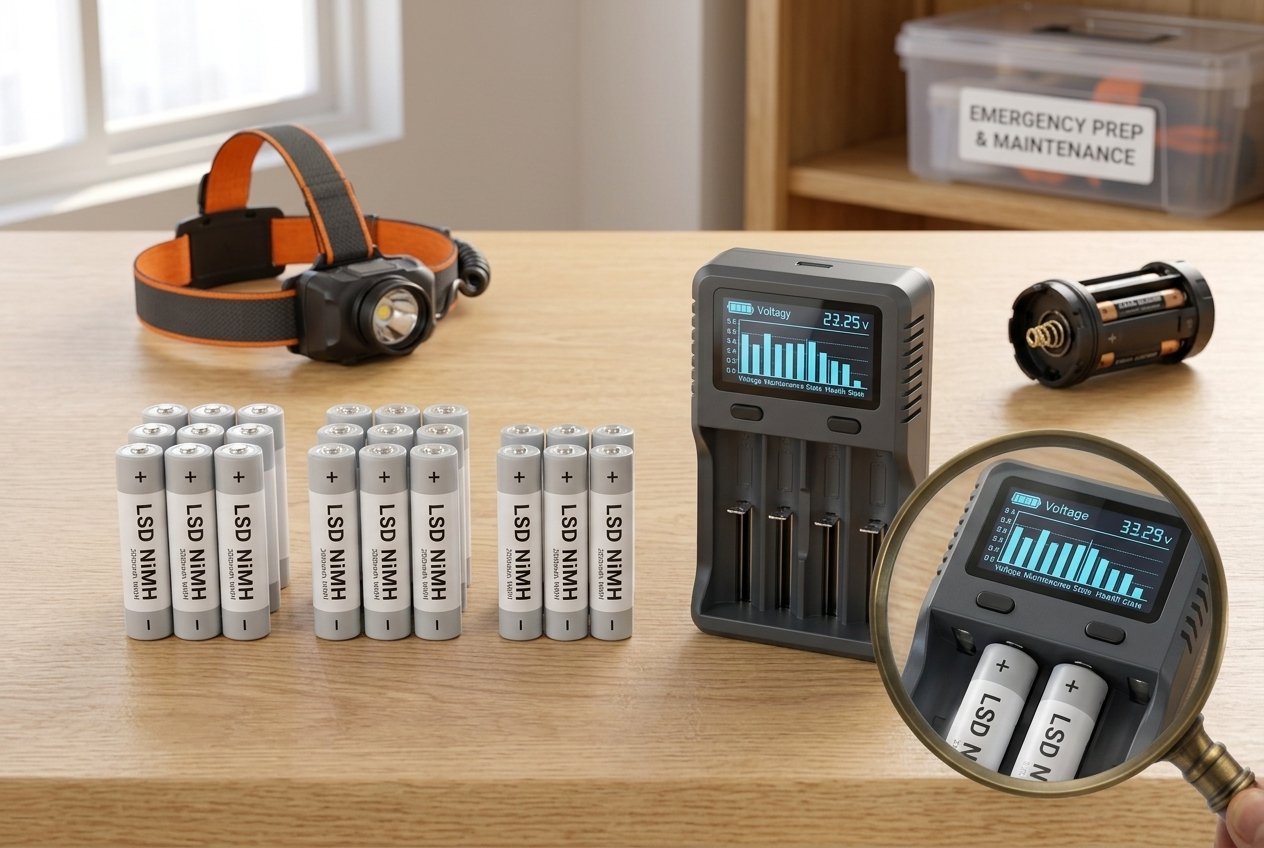
Removing alkaline batteries during storage can prevent leakage from damaging the headlamp. They’re fine for short-term or budget-sensitive use but less reliable for extended storage scenarios.
Are NiMH rechargeable batteries suitable for emergencies?
NiMH rechargeable batteries provide repeated use and are eco-friendly.
Low self-discharge NiMH batteries, like Panasonic’s eneloop series, hold power longer than traditional NiMH models but still require occasional checks when stored long-term.
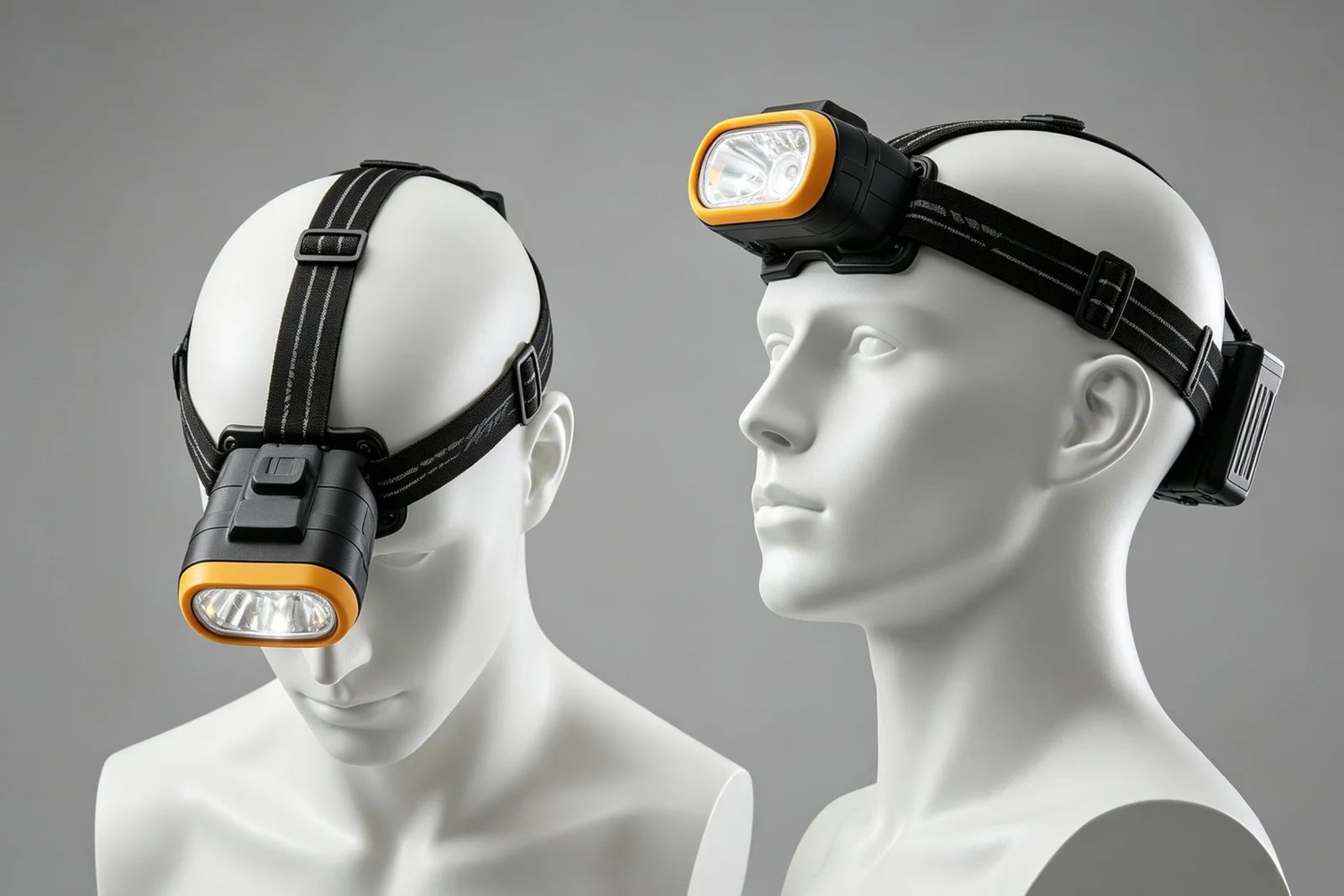
These are ideal for frequent users or maintenance-ready devices. However, they’re less reliable for emergency kits that might sit unused for years.
Do lithium-ion rechargeable batteries fit long-term needs?
Lithium-ion batteries are common in modern high-performance headlamps.
Lithium-ion rechargeable batteries deliver high brightness and energy density but require careful storage at partial charge levels and regular maintenance4.
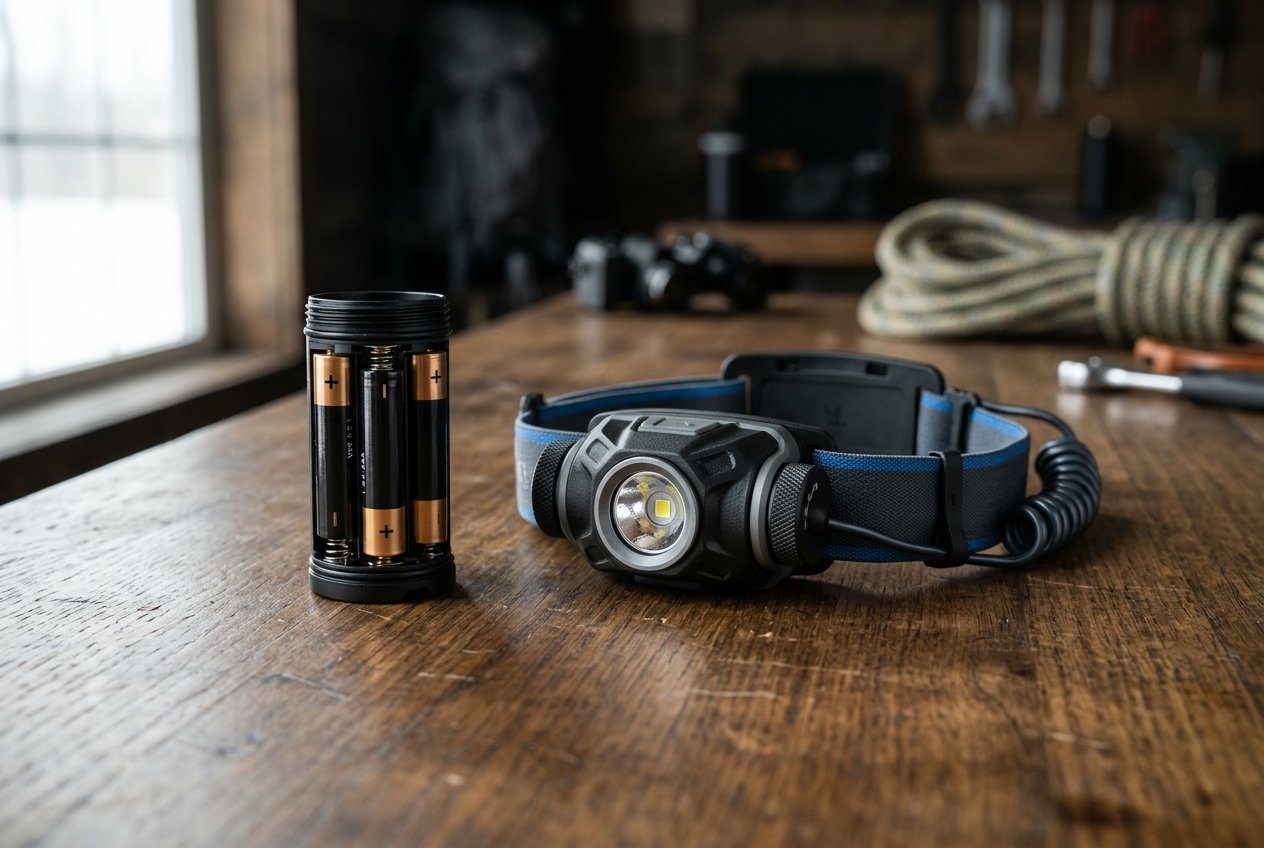
Their high energy density makes them great for frequent use, but they’re not as low-maintenance for storage. Manufacturers often recommend storing them at 40%-60% charge to slow aging5.
How do you store headlamp batteries correctly?
Proper storage prolongs battery life and protects your headlamp6.
For long-term headlamp storage, remove batteries, store them in cool, dry places, and periodically check for leakage or corrosion.

Key practices:
- Remove batteries from the headlamp if unused for months.
- Store batteries away from high temperatures and humidity.
- Check batteries for damage regularly.
- Follow manufacturer-specific storage guidelines for rechargeable batteries.
Conclusion
Choosing the right battery for long-term headlamp storage depends on how often the headlamp will be used and the storage conditions. Primary lithium batteries are excellent for emergencies and extended storage, while rechargeable batteries suit frequent users. Proper storage and maintenance are essential for reliability, especially in critical situations.
"Self-discharge", https://en.wikipedia.org/wiki/Self-discharge. Research indicates that primary lithium batteries exhibit low self-discharge rates and extended shelf lives, making them suitable for long-term storage applications. Evidence role: statistic; source type: paper. Supports: For long-term headlamp storage, primary lithium batteries are often the best choice due to their low self-discharge rate, extended shelf-life, and minimal leakage risk.. Scope note: The support is based on general battery performance data and may not account for specific brands or conditions. ↩
"Battery Energy Storage Systems: Main Considerations for ...", https://www.epa.gov/electronics-batteries-management/battery-energy-storage-systems-main-considerations-safe. Research highlights the importance of various factors, including self-discharge and storage conditions, in determining battery performance and longevity. Evidence role: expert_consensus; source type: research. Supports: Choosing the right battery requires considering self-discharge, aging, leakage risks, storage temperature, usage frequency, and even the headlamp’s circuitry design.. Scope note: The evidence may not specifically address headlamps but provides relevant information on battery selection criteria. ↩
"If I'm storing an electronic device for a long time, is it better ...", https://www.reddit.com/r/AskElectronics/comments/1urxpj/if_im_storing_an_electronic_device_for_a_long/. Studies indicate that electronic devices can experience battery drain due to standby power consumption, impacting overall battery life. Evidence role: mechanism; source type: paper. Supports: Headlamp circuits may also drain batteries through standby power consumption, further compounding self-discharge issues.. Scope note: The evidence may not specifically address headlamps but provides relevant information on battery drain in electronic devices. ↩
"Lithium-Ion Battery - Clean Energy Institute", https://www.cei.washington.edu/research/energy-storage/lithium-ion-battery/. Research indicates that lithium-ion batteries perform best when stored at partial charge levels to minimize degradation, supporting their use in high-performance applications. Evidence role: mechanism; source type: paper. Supports: Lithium-ion rechargeable batteries deliver high brightness and energy density but require careful storage at partial charge levels and regular maintenance.. Scope note: The evidence may not specifically address headlamps but provides relevant information on lithium-ion battery storage practices. ↩
"New UCLA Engineering Studies Aim to Slow Battery Aging ...", https://samueli.ucla.edu/new-ucla-engineering-studies-aim-to-slow-battery-aging-while-idle/. Research supports that storing lithium-ion batteries at partial charge levels can significantly reduce aging and improve longevity. Evidence role: statistic; source type: paper. Supports: Manufacturers often recommend storing them at 40%-60% charge to slow aging.. Scope note: The support is based on general battery storage practices and may not reflect all brands or specific conditions. ↩
"Battery Energy Storage Systems: Main Considerations for ...", https://www.epa.gov/electronics-batteries-management/battery-energy-storage-systems-main-considerations-safe. Research indicates that proper battery storage practices can extend battery life and prevent damage to electronic devices. Evidence role: expert_consensus; source type: research. Supports: Proper storage prolongs battery life and protects your headlamp.. Scope note: The evidence may not specifically address headlamps but provides relevant information on battery storage benefits. ↩