
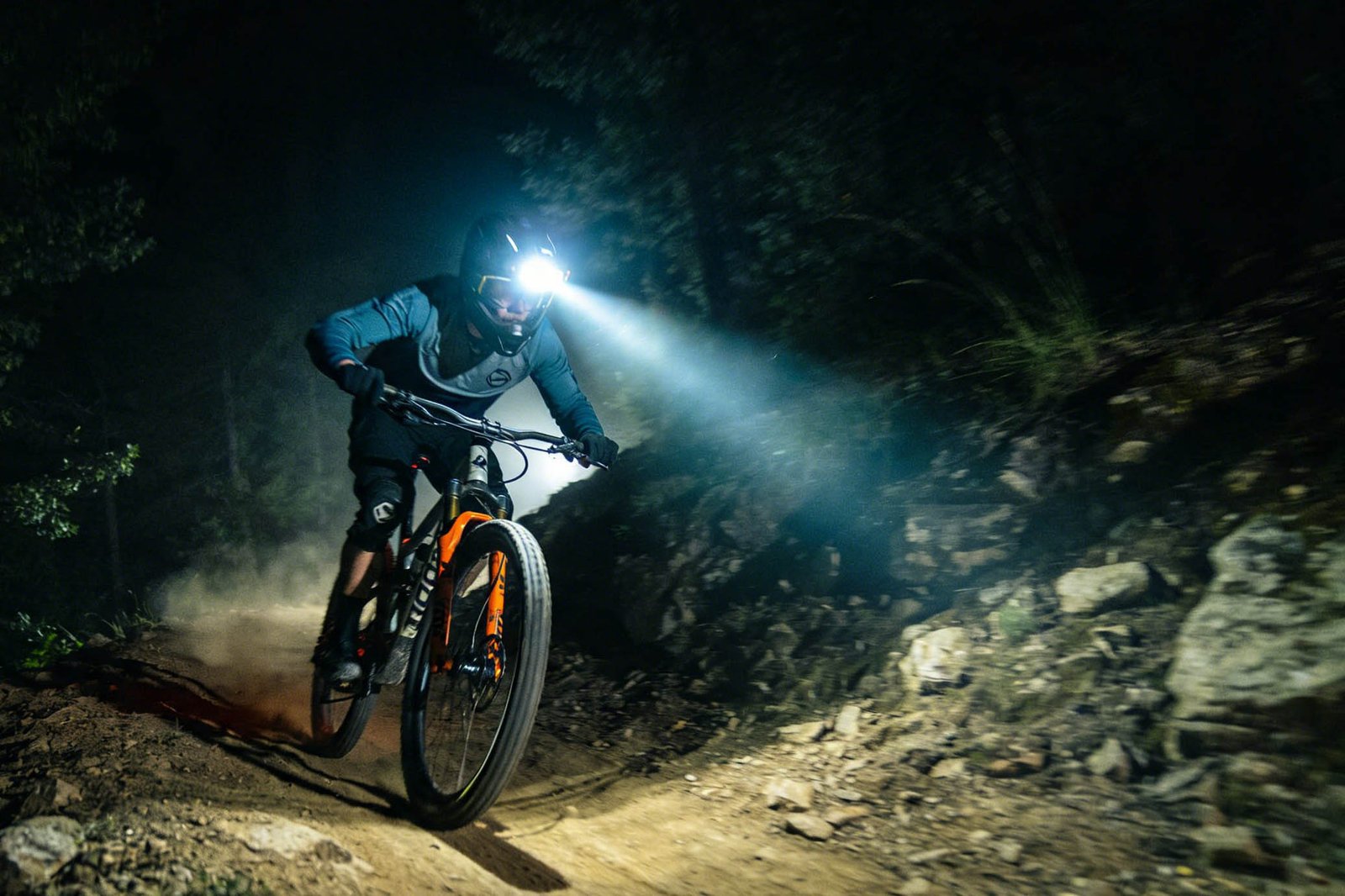
More cyclists are using headlamps for night riding, but choosing the right brightness can feel overwhelming. With options ranging from 300 to over 2000 lumens, how do you know what's enough?
The answer isn't just about maximum lumens. Your ideal brightness depends on riding speed, environment, road type, and beam design. For city commuting, 300-500 lumens often works well, while technical trails may need 1000+ lumens for safe navigation.
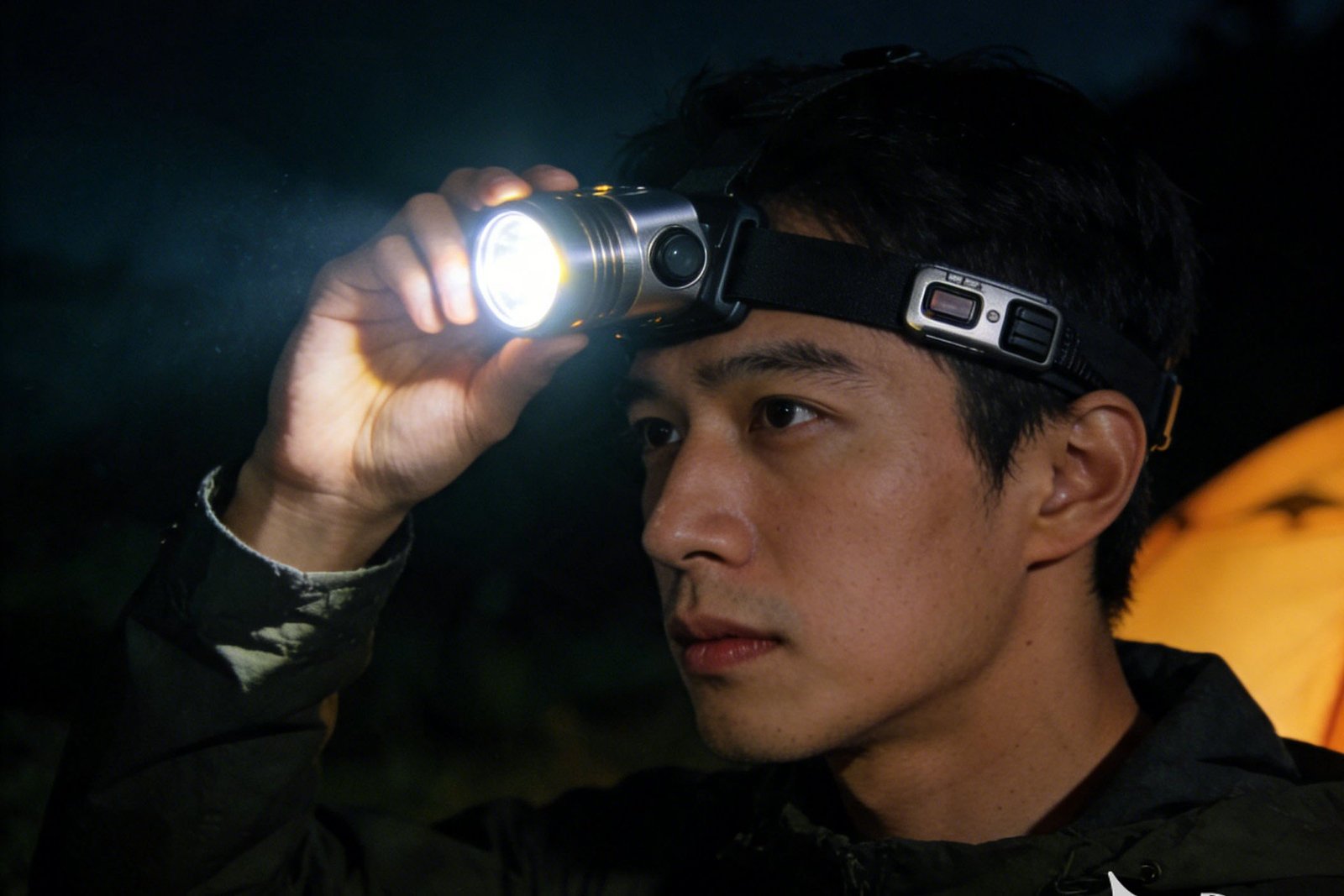
I've tested dozens of cycling headlamps over the years, from budget options to high-end models. What I've learned might surprise you - the brightest isn't always the best choice.
Does Your Riding Environment Change Everything About Lumen Requirements?
City streets present unique lighting challenges that many cyclists don't fully consider. Street lights, storefront signs, and car headlights already provide ambient illumination.
In urban environments, your headlamp primarily helps you see road surface details and makes you visible to others. This typically requires 300-500 lumens rather than maximum brightness.
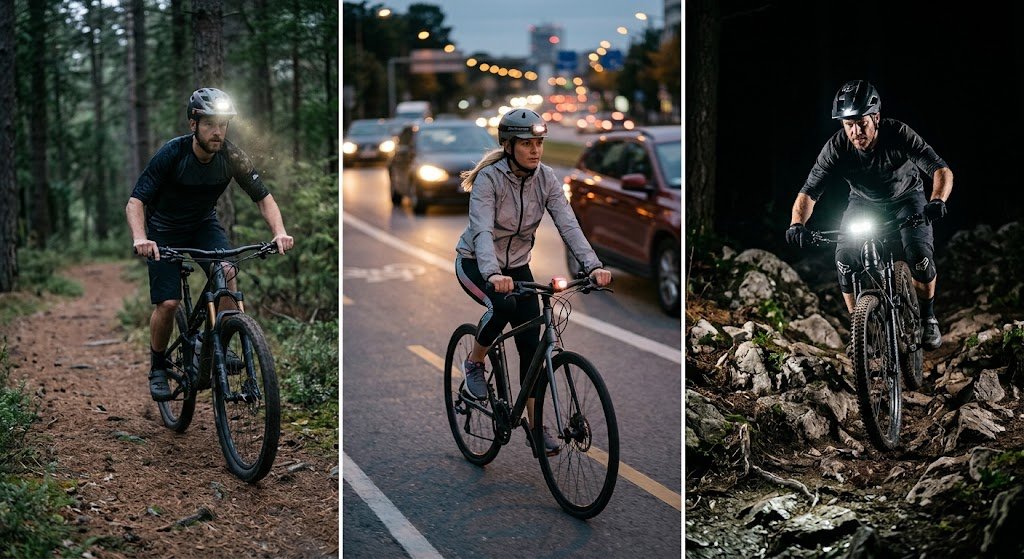
The moment you leave well-lit areas, everything changes. Rural roads, gravel paths, and mountain trails lack ambient lighting completely. Your headlamp becomes the primary light source for navigation and safety.
I remember my first night ride on a rural trail with just a 400-lumen light. What seemed adequate in the city felt dangerously dim when trying to spot rocks and roots at 15 mph. The difference between urban and off-road lighting needs is dramatic.
| Environment Type | Recommended Lumens | Key Considerations |
|---|---|---|
| City Streets | 300-500 | Visibility, close-range detail |
| Suburban Roads | 500-700 | Medium-range visibility |
| Rural/Gravel | 700-1000 | Long-range spotting |
| Technical Trails | 1000+ | Maximum distance, beam control |
The REI gear guide confirms this approach, noting that lumen output represents total light quantity, but how that light gets focused and projected matters equally. Higher lumens don't automatically mean better illumination if the beam pattern doesn't match your needs.
Why Does 1000 Lumens Become Critical for Mountain Biking?
Mountain biking at night transforms your headlamp from a convenience tool into essential safety equipment. The difference between seeing an obstacle at 10 feet versus 30 feet can determine whether you navigate safely or crash.
BikeRadar's testing shows that helmet lights for mountain biking should reach at least 1000 lumens. This brightness allows riders to spot trail features, obstacles, and direction changes with enough reaction time.
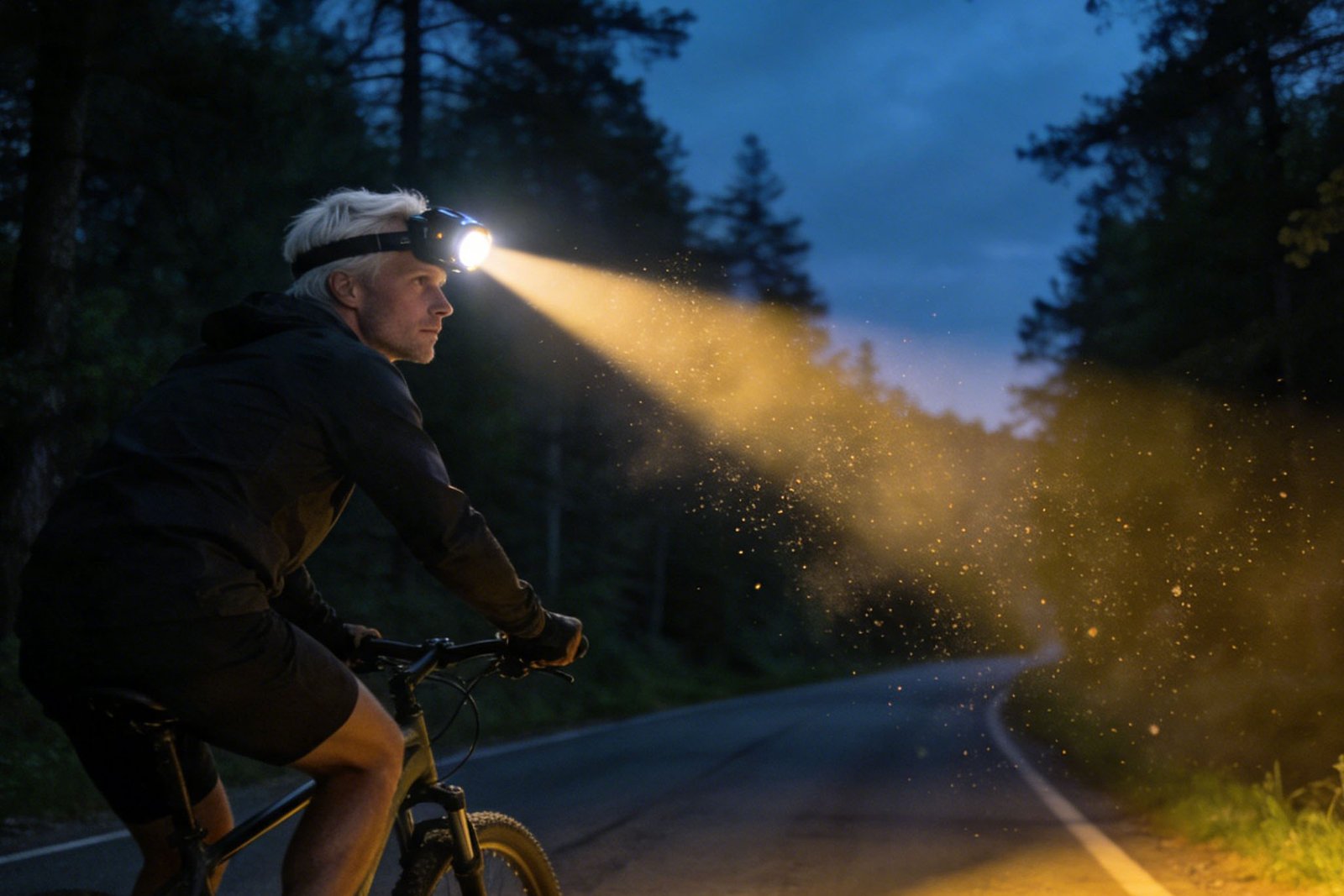
Here's what makes helmet lights different from handlebar lights: they follow your eyes, not your bike's direction. When you approach a corner, your head turns toward the exit while your bike is still pointed straight. This means your headlamp illuminates where you're looking, not just where you're going.
This eye-tracking ability becomes crucial on technical terrain. I've found that lower-powered lights force you to slow down significantly because you can't see far enough ahead to maintain normal riding speed. With 1000+ lumens properly focused, you can maintain reasonable pace while still riding safely.
The key insight from BikeRadar's comprehensive testing of lights ranging from 450 to 2100 lumens was clear: higher output directly correlates with the ability to see further and identify trail features earlier. This isn't just about brightness - it's about reaction time and confidence.
However, 1000 lumens represents a threshold for serious off-road riding, not a universal standard. Most recreational cyclists will never need this level of output for their typical rides.
Can More Lumens Actually Hurt Your Lighting Performance?
This seems counterintuitive, but adding lumens doesn't guarantee better visibility. I've tested lights where a 50% increase in rated output produced barely noticeable improvement in actual riding conditions.
Beam pattern and focus matter as much as total lumens. A 800-lumen light1 with concentrated beam control can outperform a 1200-lumen light with scattered, unfocused output.
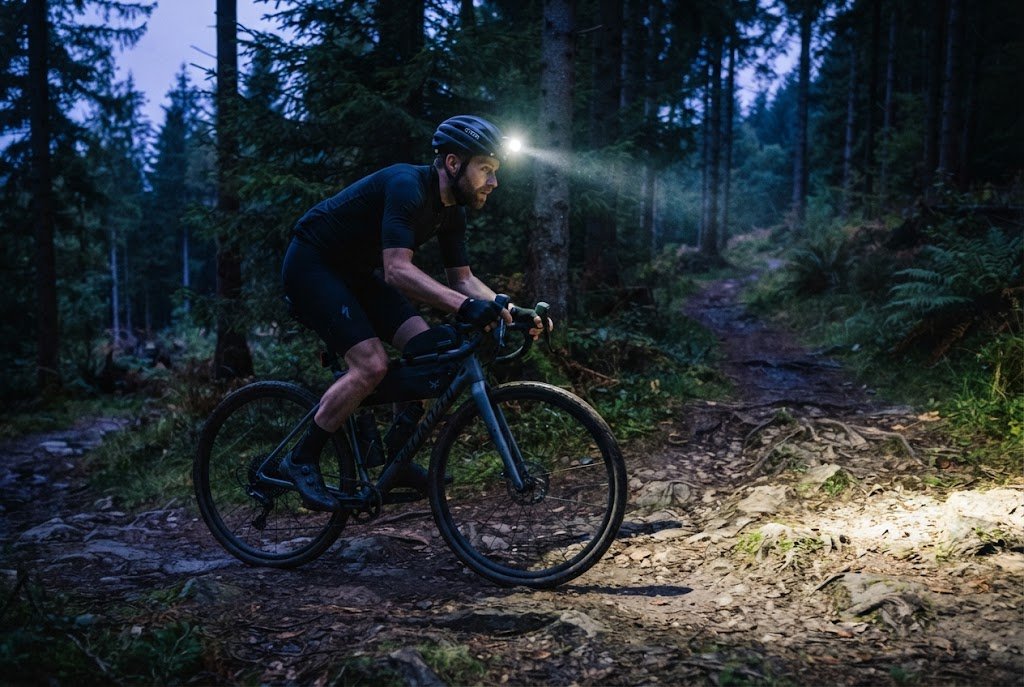
The problem lies in how manufacturers measure and market lumens. Total lumen output represents all light leaving the LED, but much of that light might scatter uselessly to the sides or create unwanted glare.
REI's buying guide emphasizes this distinction between lumen quantity and useful illumination. Beam distance and beam pattern specifications often matter more than peak output numbers for actual riding performance.
I've experienced this firsthand with a highly-rated 1000-lumen light that disappointed on technical trails. Despite impressive specifications, its wide, unfocused beam failed to provide the concentrated long-range visibility needed for fast trail riding. A different 1000-lumen model with better beam control significantly outperformed it.
Smart manufacturers now focus on light utilization efficiency rather than just maximum output. This means optimizing where photons go, not just how many photons the LED produces. Sometimes better optical design trumps raw power increases.
The takeaway for cyclists: don't assume higher lumens automatically mean better performance. Look for lights that concentrate their output effectively rather than just producing the highest numbers.
How Do Headlamps Balance Near and Far Vision Needs?
Cycling requires simultaneous awareness of immediate road surface and distant obstacles or turns. This creates a unique optical challenge that pure spot beams or pure flood beams can't solve alone.
Effective cycling headlamps combine spot and flood beam elements. Spot beams illuminate distant features while flood beams cover near-field peripheral vision. This combination provides complete visual coverage.
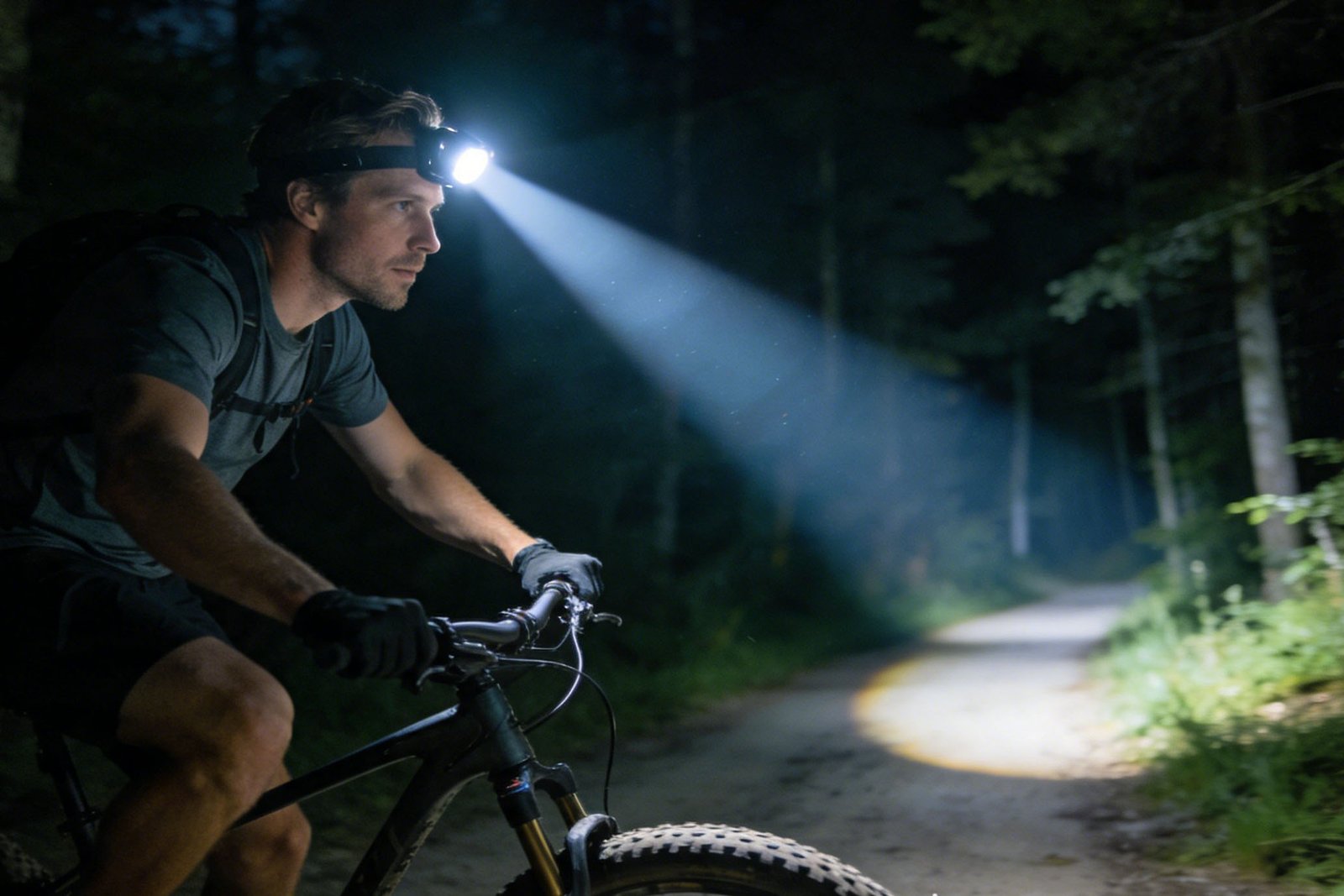
A pure spot beam can illuminate objects 100+ feet ahead but creates dangerous dark zones at your sides and immediately in front of your wheel. A pure flood beam lights up everything nearby but lacks the intensity to reveal distant hazards in time to react.
Advanced cycling lights now use multiple LED configurations to address this challenge. Some models feature separate spot and flood LEDs with independent controls. Others use sophisticated reflector or lens systems to shape single LED output into useful beam patterns.
I've found this balance crucial during varied terrain rides. Climbing technical singletrack requires flood lighting to see immediate obstacles like roots and rocks. Descending the same trail demands spot lighting to identify turns and hazards far ahead at higher speeds.
The engineering challenge becomes: how do you deliver both beam types without excessive weight, complexity, or battery drain? Premium manufacturers solve this through advanced optical design rather than simply adding more LEDs and more lumens.
This explains why some 800-lumen lights with well-designed beam patterns outperform 1200-lumen lights with poor optical engineering. The total light matters less than how effectively that light gets distributed across your visual needs.
Why Can’t Headlamps Just Keep Adding Lumens Indefinitely?
Weight placement fundamentally limits headlamp design in ways that don't affect handlebar-mounted lights. Every additional lumen typically requires more LED power, larger batteries, and better heat management - all adding weight directly to your head.
Helmet-mounted lights must balance brightness against weight, comfort, and stability. Excessive weight affects helmet balance and neck strain during long rides, making ultra-high-lumen designs impractical for many cyclists.
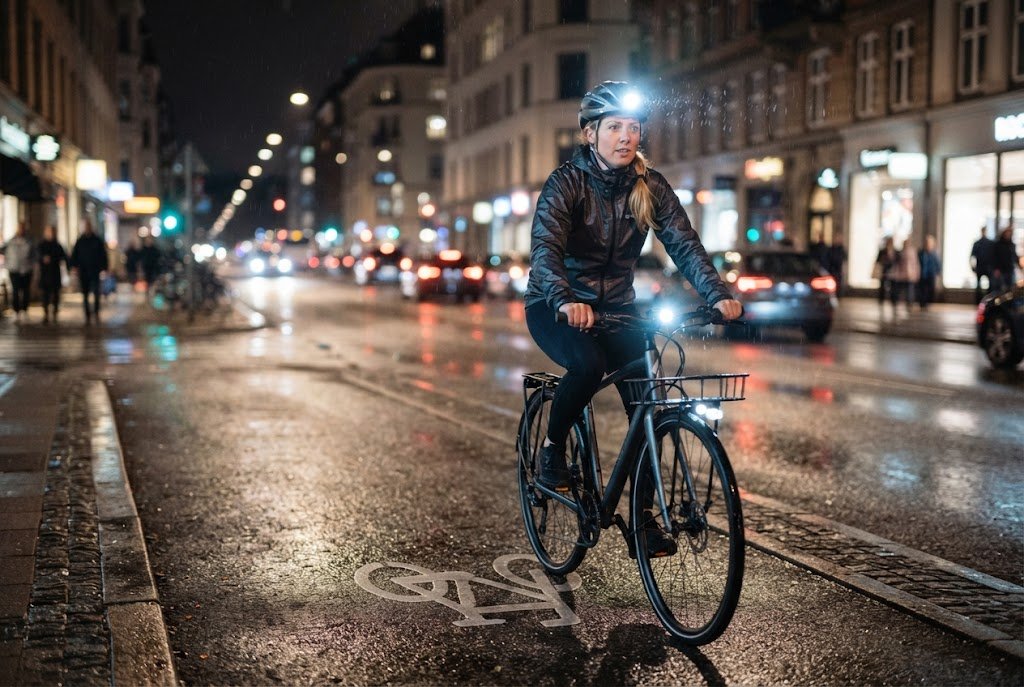
BikeRadar's testing methodology includes weight, mounting stability, runtime, and adjustment capability alongside pure light output. Their tested products range from 100-200 grams, with no simple correlation between weight and performance quality.
I've experienced this limitation personally with an incredibly bright 1800-lumen light that proved too heavy for comfortable all-night riding. Despite excellent light output, the weight caused neck fatigue and helmet instability that made it unsuitable for long adventures.
The real engineering challenge isn't making LEDs brighter - it's delivering high output while maintaining reasonable weight, adequate runtime, controlled heat generation, and stable light output over time. This transforms a simple "more lumens" question into a complex optimization problem involving:
- LED efficiency and heat management
- Battery energy density and capacity
- Driver circuit efficiency
- Optical design and light control
- Mechanical design and weight distribution
Modern headlamp development focuses more on optimizing these factors together rather than simply maximizing peak output numbers.
Does the Market Actually Want Different Lumens for Different Scenarios?
The cycling market doesn't demand one universal lumen standard because cyclists have dramatically different needs based on their riding styles and environments.
Market segments naturally organize around usage scenarios: 300-500 lumens for commuting, 500-800 lumens for recreational night riding, and 1000+ lumens for technical off-road riding. Each segment prioritizes different features beyond just brightness.
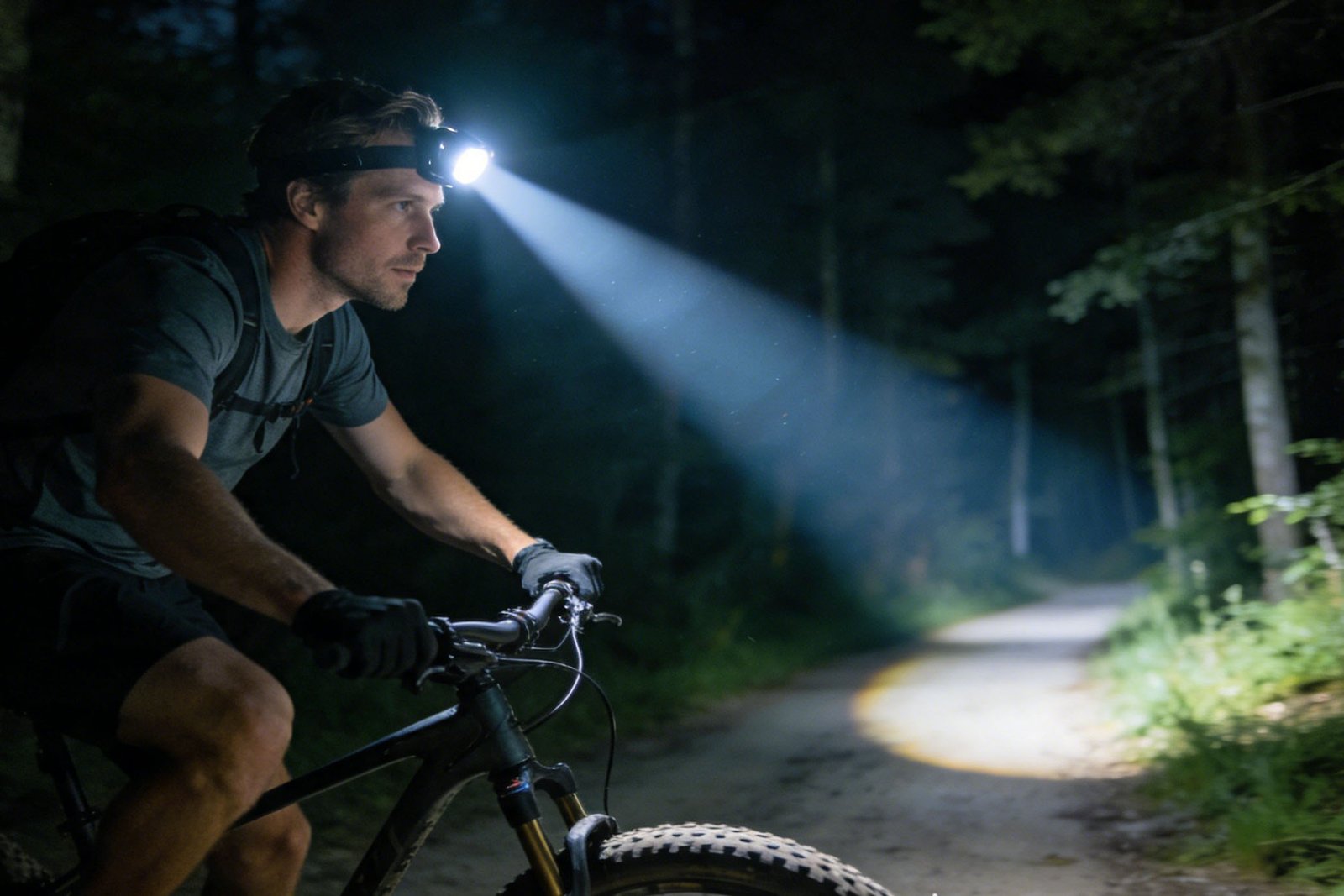
Commuter cyclists prioritize lightweight design, long battery life, and basic visibility. They're willing to sacrifice maximum brightness for convenience and reliability. Ultra-high lumens would actually hurt their experience through increased weight, heat, and charging frequency.
Technical trail riders represent the opposite extreme. They need maximum visibility for safety and are willing to accept heavier lights, shorter runtimes, and higher costs. For them, 1000+ lumens isn't excessive - it's necessary equipment.
This creates distinct market tiers rather than a simple good-better-best hierarchy:
| Rider Type | Lumen Range | Primary Priorities |
|---|---|---|
| Urban Commuter | 300-500 | Weight, runtime, cost |
| Road Tourist | 500-700 | Versatility, reliability |
| Gravel Adventurer | 700-1000 | Distance, beam quality |
| Trail Rider | 1000+ | Maximum performance |
Manufacturers succeed by targeting specific segments rather than trying to create one light for everyone. The "best" headlamp depends entirely on matching features to actual usage patterns.
What Should Manufacturers Focus on Besides Maximum Lumens?
The portable lighting industry has moved beyond simple lumen wars toward more sophisticated performance metrics. Raw LED output has become relatively easy to achieve - the challenge lies in making those lumens consistently useful.
Sustainable performance, beam quality, thermal management, and user experience now differentiate products more than peak output specifications. The goal shifts from maximum lumens to maximum useful light2.
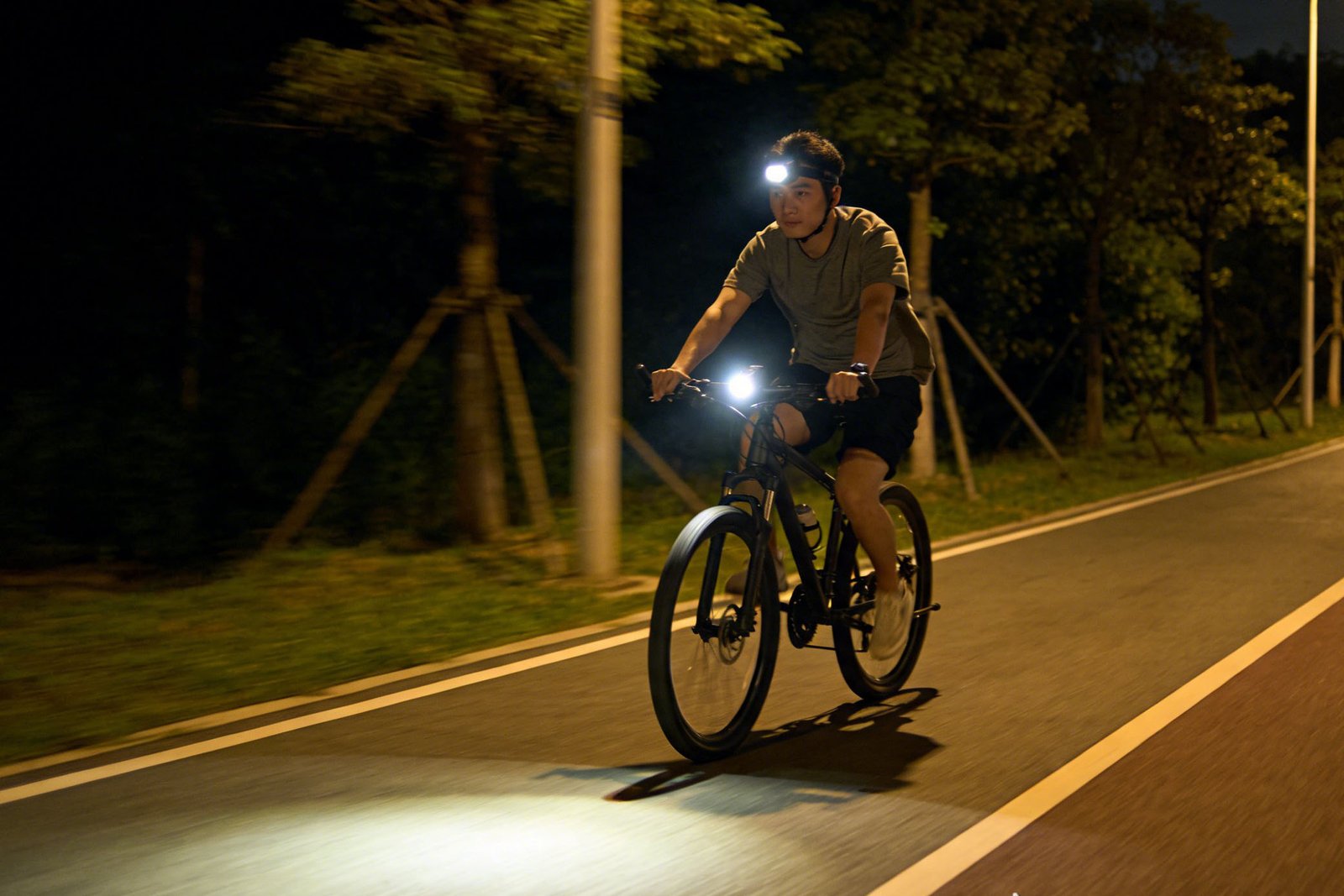
Real-world headlamp performance depends on factors that don't appear in basic specifications:
- Sustained output over time as batteries drain
- Thermal regulation preventing dangerous overheating
- Beam consistency across different power levels
- Mounting stability during rough riding
- User interface simplicity during night operation
I've learned this through experience with lights that impressed in initial testing but disappointed during extended use. One 1200-lumen model stepped down to 600 lumens after just 15 minutes due to overheating. Another maintained full output but became too hot to touch safely.
The most successful cycling headlamps optimize the complete user experience rather than maximizing any single specification. This means asking better questions during development:
- What do cyclists actually need to see in this scenario?
- How can we deliver that visibility most effectively?
- What compromises best serve real-world usage?
Starting from user needs rather than technical capabilities leads to better products even when the peak lumen numbers might be lower than competitors.
The future of cycling headlamp development lies in answering these questions more precisely, not just in making LEDs brighter.
Conclusion
The right lumen count depends entirely on where and how you ride, not on universal standards or maximum specifications.
"What Is the Best Beam Pattern for Bike Lights?", https://magicshine.com/blogs/cycling-tips/what-is-the-best-beam-pattern-for-bike-lights?srsltid=AU7gw4UMjdqBkOju6cTvYQ3fVe2cJMQP5KxkAV6JJ7UKc6_75AbhqPa8. Research indicates that beam pattern and focus can significantly affect visibility, with some lower-lumen lights outperforming higher-lumen options in practical scenarios. Evidence role: mechanism; source type: paper. Supports: A 800-lumen light with concentrated beam control can outperform a 1200-lumen light with scattered, unfocused output.. Scope note: The support is based on comparative studies and may not reflect all lighting conditions or user experiences. ↩
"History of the bicycle", https://en.wikipedia.org/wiki/History_of_the_bicycle. Research in lighting design highlights the shift from maximum lumen output to optimizing useful light for specific applications, including cycling. Evidence role: historical_context; source type: research. Supports: Sustainable performance, beam quality, thermal management, and user experience now differentiate products more than peak output specifications.. Scope note: The support is based on industry trends and may not apply to all product categories or user needs. ↩