

When choosing a magnetic flashlight, the options can seem straightforward—find a flashlight that sticks to metal surfaces and frees your hands. But is it really that simple?
The key to choosing a magnetic flashlight is assessing how effectively the magnetic feature solves real-world problems, such as providing hands-free lighting while remaining stable and functional in various environments.
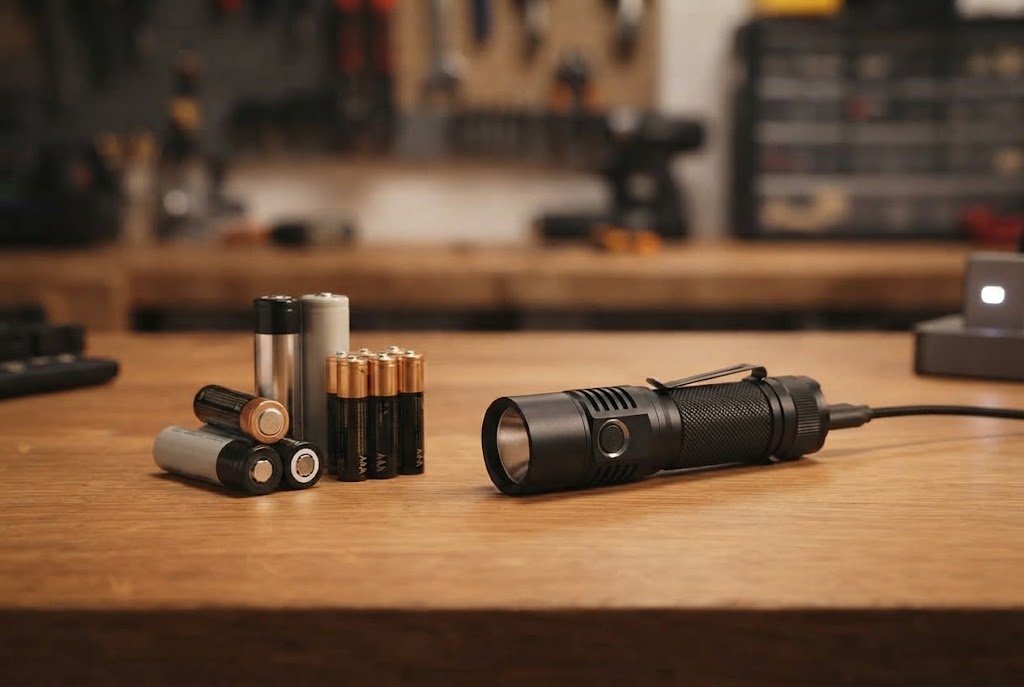
It’s not just about having a magnet; it’s about how the flashlight performs when you actually need it. Let’s explore the factors that truly matter.
Why is Magnetic Stability More Important Than Magnetic Strength?
A strong magnet may sound appealing, but it’s not always the most practical feature. Magnetic stability is what makes a flashlight truly reliable in real-world situations.
Magnetic stability ensures that the flashlight remains securely fixed in its intended position without rotating, sliding, or falling—no matter the surface or orientation.
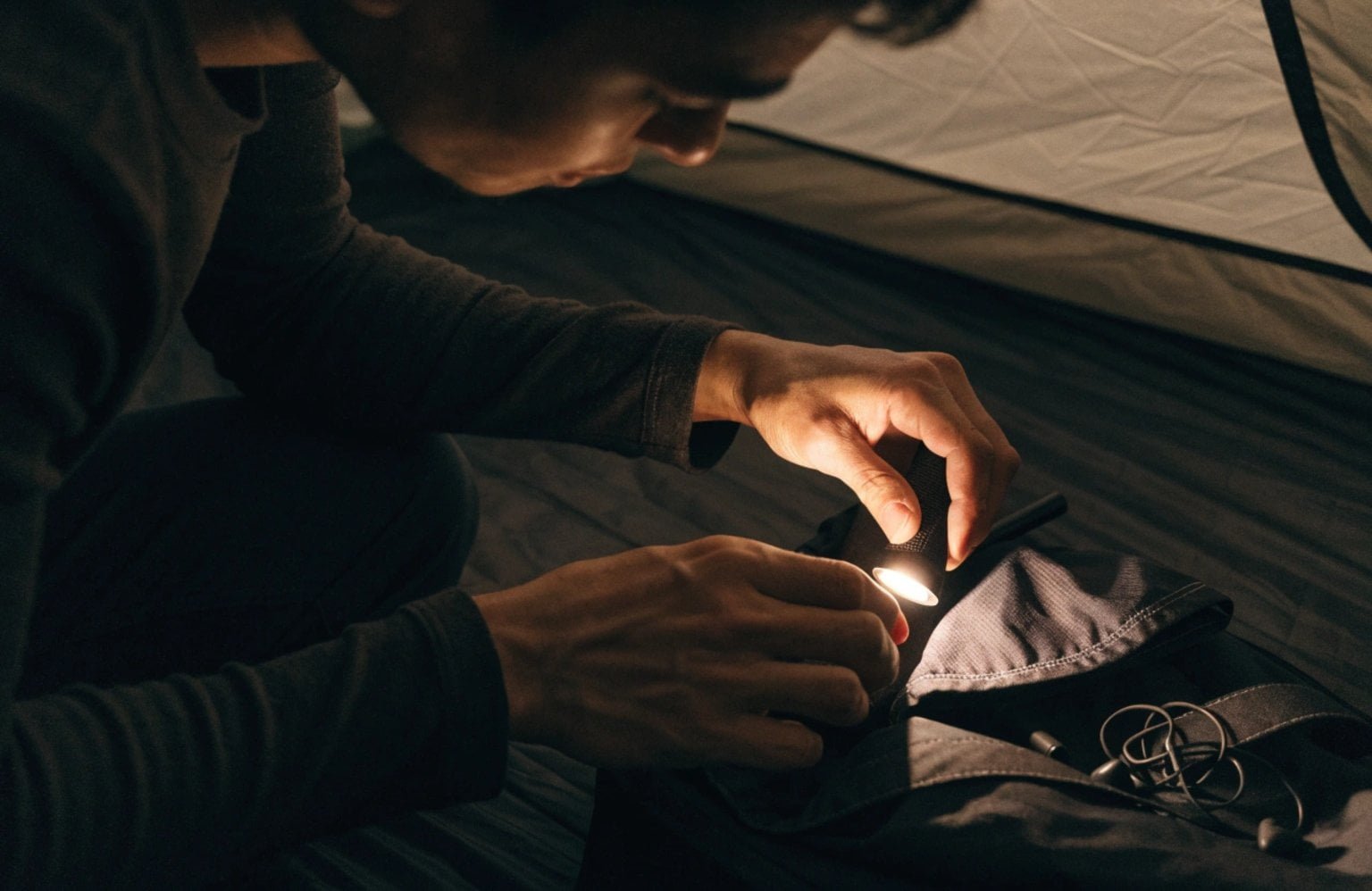
Dive deeper: Magnetic strength vs. stability
Magnetic strength is the raw power of the magnet to adhere to metal surfaces. However, real-world usage often reveals hidden challenges:
| Factor | Why It Matters | Example Scenario |
|---|---|---|
| Magnet Placement | Determines how the flashlight stays positioned | Tail-end placement for vertical use |
| Surface Type | Influences grip and stability | Uneven or coated surfaces |
| Flashlight Weight | Affects stability and resistance to rotation | Heavy flashlight causing imbalance |
| Magnetic Adjustability | Allows easy repositioning without detachment | Quick angle changes during repairs |
The ideal magnetic flashlight combines strength, stability, and ease of adjustment into a cohesive design.
Is Higher Lumens Always Better?
Many people believe that a higher lumen count directly means better performance. This assumption can lead to disappointment in actual usage.
Bright lumens are not always the key; what matters is how the light is distributed and the flashlight’s ability to illuminate the right areas clearly.

Dive deeper: Lumens vs. beam distribution
Lumens measure total light output, but beam pattern determines how effectively the light is used. Here’s how they interact:
| Light Attribute | Best Use Case | Example Tool |
|---|---|---|
| Narrow Beam (Spotlight) | Focused tasks, distant illumination | Observing far-off objects |
| Wide Beam (Floodlight) | Illuminating broad areas, close-range tasks | Automotive engine checks |
| Adjustable Beam | Versatile use for different environments | Multi-purpose magnetic flashlight |
Instead of focusing solely on lumens, ask what lighting pattern suits your needs. A wide beam might suit a mechanic, while a spot beam might be better for hikers.
Can a Flashlight Be Too Strong?
A powerful magnet or bright flashlight may sound like a win, but overkill can be counterproductive. Balance is the key.
A magnet that’s too strong can be difficult to detach, while excessive brightness may irritate the eyes or drain the battery quickly.
Dive deeper: Finding the right balance
Consider these factors when determining what “too strong” means in a magnetic flashlight:
| Feature | Problem with Excessive Strength | Balanced Solution |
|---|---|---|
| Magnet Strength | Difficult repositioning, risk of surface damage | Moderate strength with stability |
| Brightness | Causes glare, drains battery quickly | Configurable brightness modes |
| Battery Consumption | Short runtime at high power | Efficient battery management |
A well-balanced flashlight allows quick adjustments1 and long-term usability without compromising performance.
Why Does Adjustability Matter?
One of the most overlooked features in a magnetic flashlight is how easily you can adjust the angle and position of the light.
Adjustability ensures that you can reposition the light quickly without detaching it from its surface, making it more convenient for dynamic tasks.
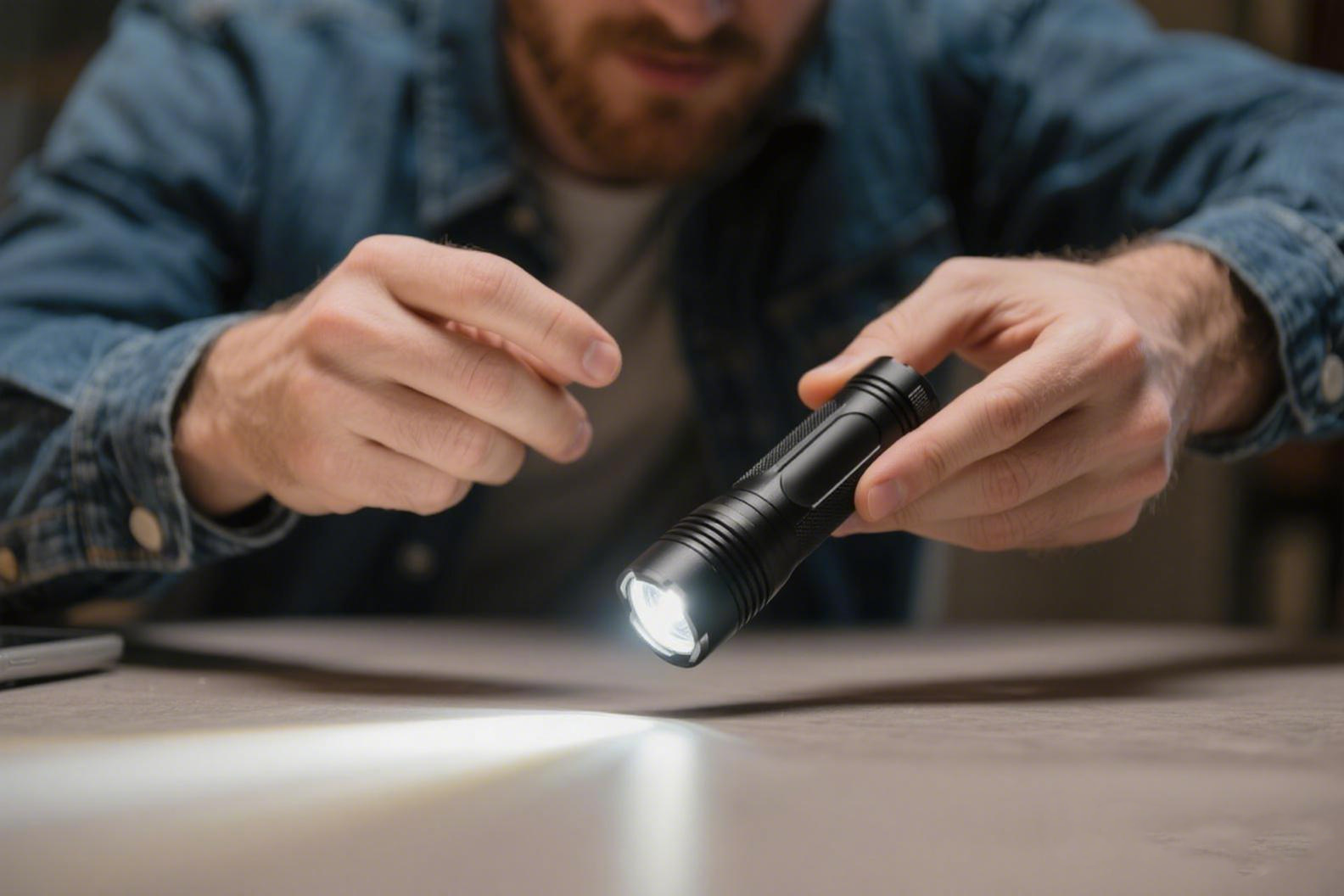
Dive deeper: Importance of adjustability
Adjustable features enhance usability by addressing common challenges:
| Adjustable Feature | Benefit | Example Scenario |
|---|---|---|
| Rotating Beam | Quick angle adjustments | Shifting focus on a car engine |
| Flexible Neck | Precision targeting | Lighting tight spaces |
| Multi-Angle Magnet | Stability on varying surfaces | Angled placements in workshops |
A magnetic flashlight should empower you to adapt, not frustrate you with constant reinstallation.
Does Battery Life Tell the Full Story?
Battery life data can be misleading if it’s based only on the lowest brightness setting. You need practical runtime information.
Consider how long the flashlight lasts on brightness levels you actually use, rather than just its maximum capabilities.
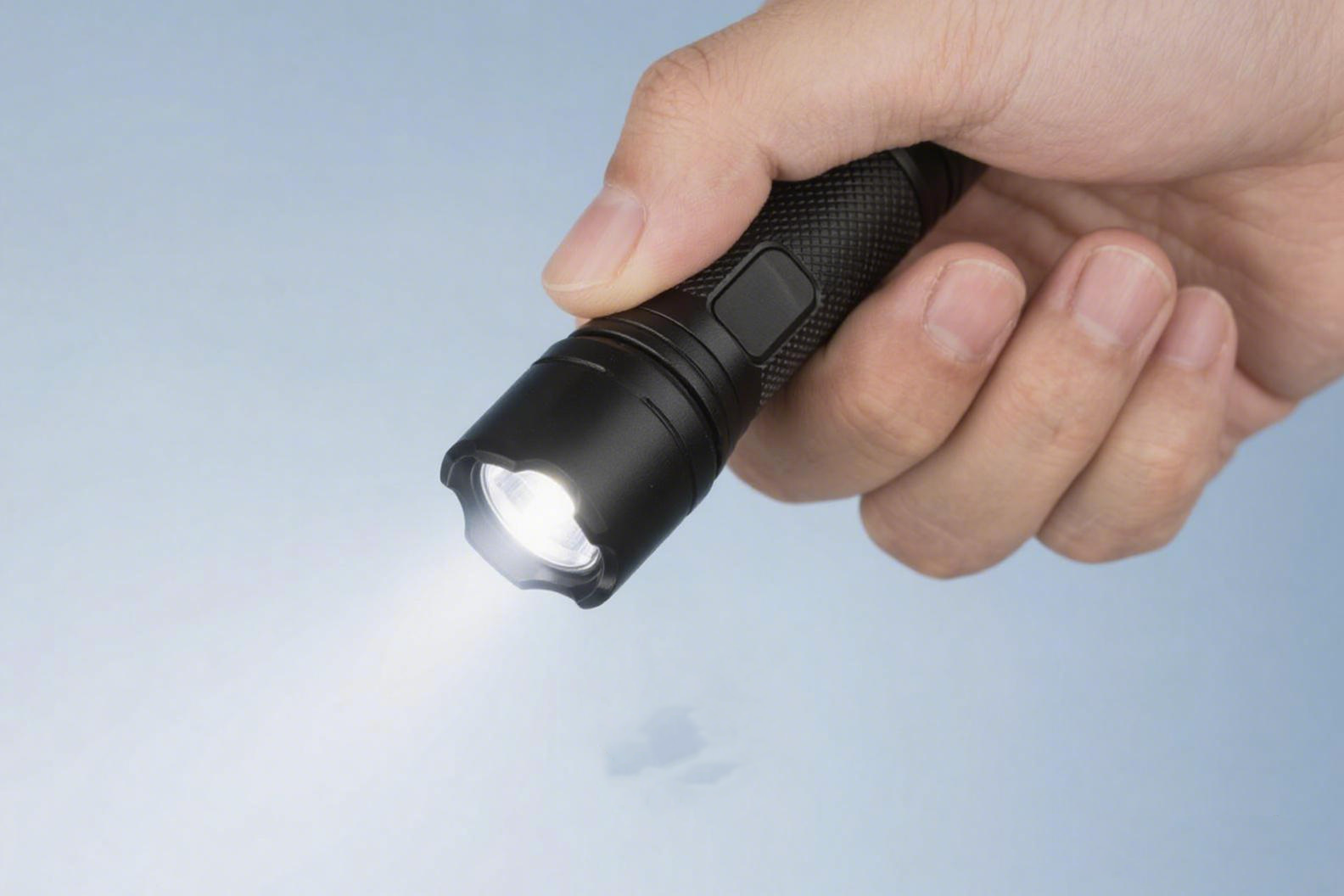
Dive deeper: Decoding battery life
Here’s why brightness settings affect battery performance:
| Brightness Setting | Battery Consumption Rate | Practical Use Case |
|---|---|---|
| Low | Long runtime, suitable for simple tasks | Walking to the car at night |
| Medium | Balanced runtime with moderate brightness | Indoor repairs |
| High | Short runtime yet maximum brightness | Outdoor emergencies |
Choose a flashlight that balances runtime across its brightness modes, ensuring reliability in various situations.
Why Is Durability More Than an IP Rating?
Durability isn’t just about a high IP rating. It involves the flashlight’s ability to withstand real-world conditions like drops, scratches, and rough handling.
Durability means the flashlight remains functional after daily wear and tear, ensuring long-term reliability beyond the specifications.
Dive deeper: Real-world durability factors
When evaluating durability, focus on multiple aspects:
| Durability Factor | Why It Matters | Example Scenario |
|---|---|---|
| Materials Used | Resistance to cracking or denting | Dropping flashlight on hard surfaces |
| Lens Quality | Prevents scratches and maintains light clarity | Scraping against tools in a toolbox |
| Button Design | Ensures consistent operation under frequent use | Operating with wet or greasy hands |
Durability isn’t just about surviving extreme situations but maintaining functionality day-to-day.
Conclusion
Choosing a magnetic flashlight involves more than picking a strong magnet or high lumens. Stability, adjustability, beam distribution, and balanced battery performance are the real game-changers.
"A systematic review of exergame usability as home-based ...", https://pmc.ncbi.nlm.nih.gov/articles/PMC11340971/. Research suggests that balance in tool design enhances user experience by facilitating ease of use and reducing fatigue during operation. Evidence role: mechanism; source type: paper. Supports: A well-balanced flashlight allows quick adjustments and long-term usability without compromising performance.. Scope note: The support is based on general ergonomic studies and may not specifically address flashlights. ↩