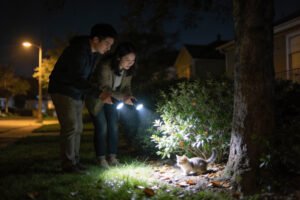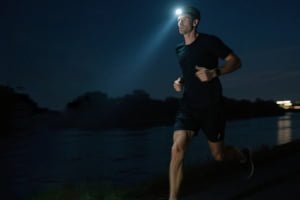
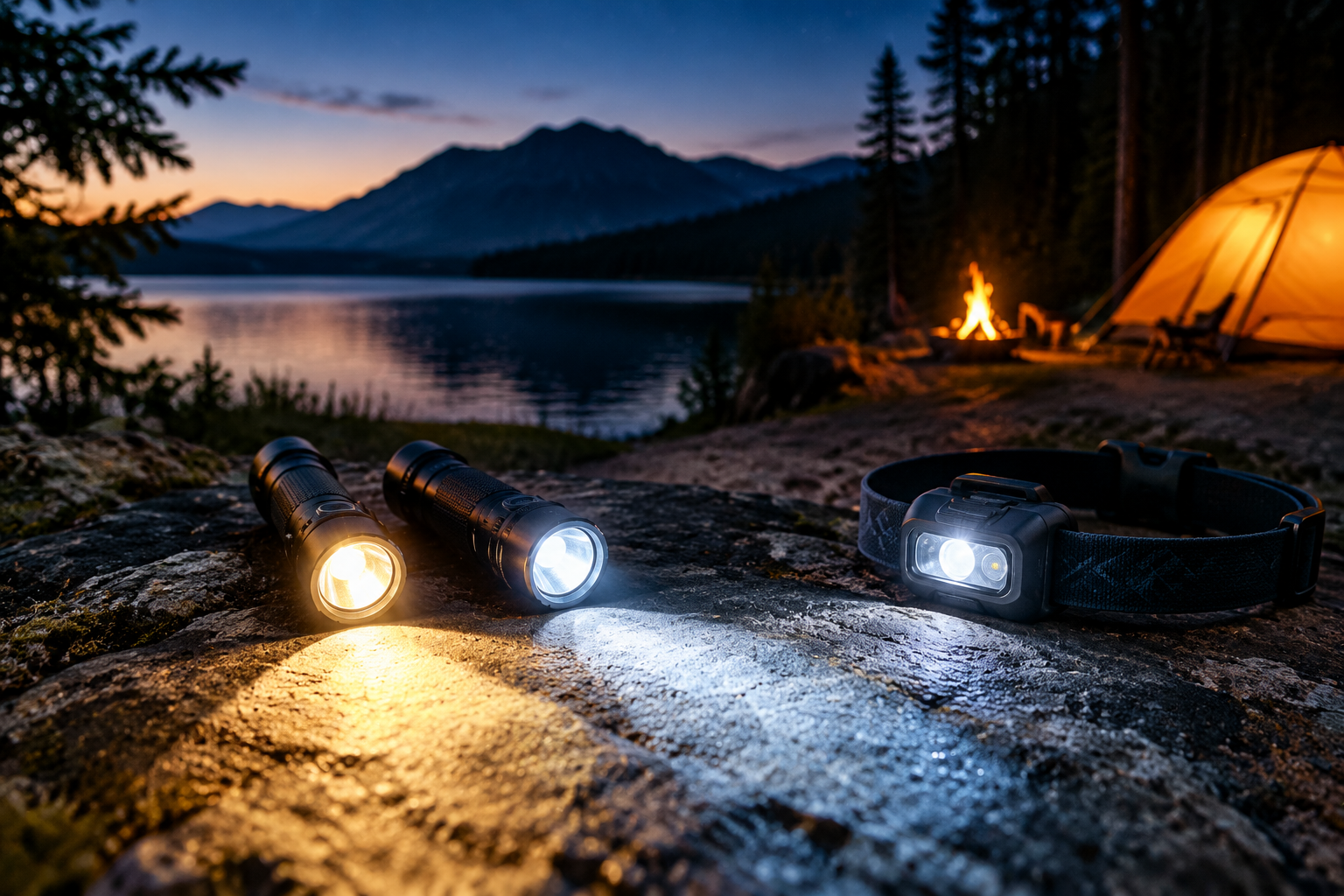
Warm white or cool white? If you've ever bought a flashlight that looked impressively bright online but felt different when you used it, color temperature might be part of the reason.
Color temperature, measured in Kelvin (K), indicates whether a flashlight's white beam appears warm and yellowish, neutral, or cool and bluish. It doesn't affect brightness or energy efficiency.
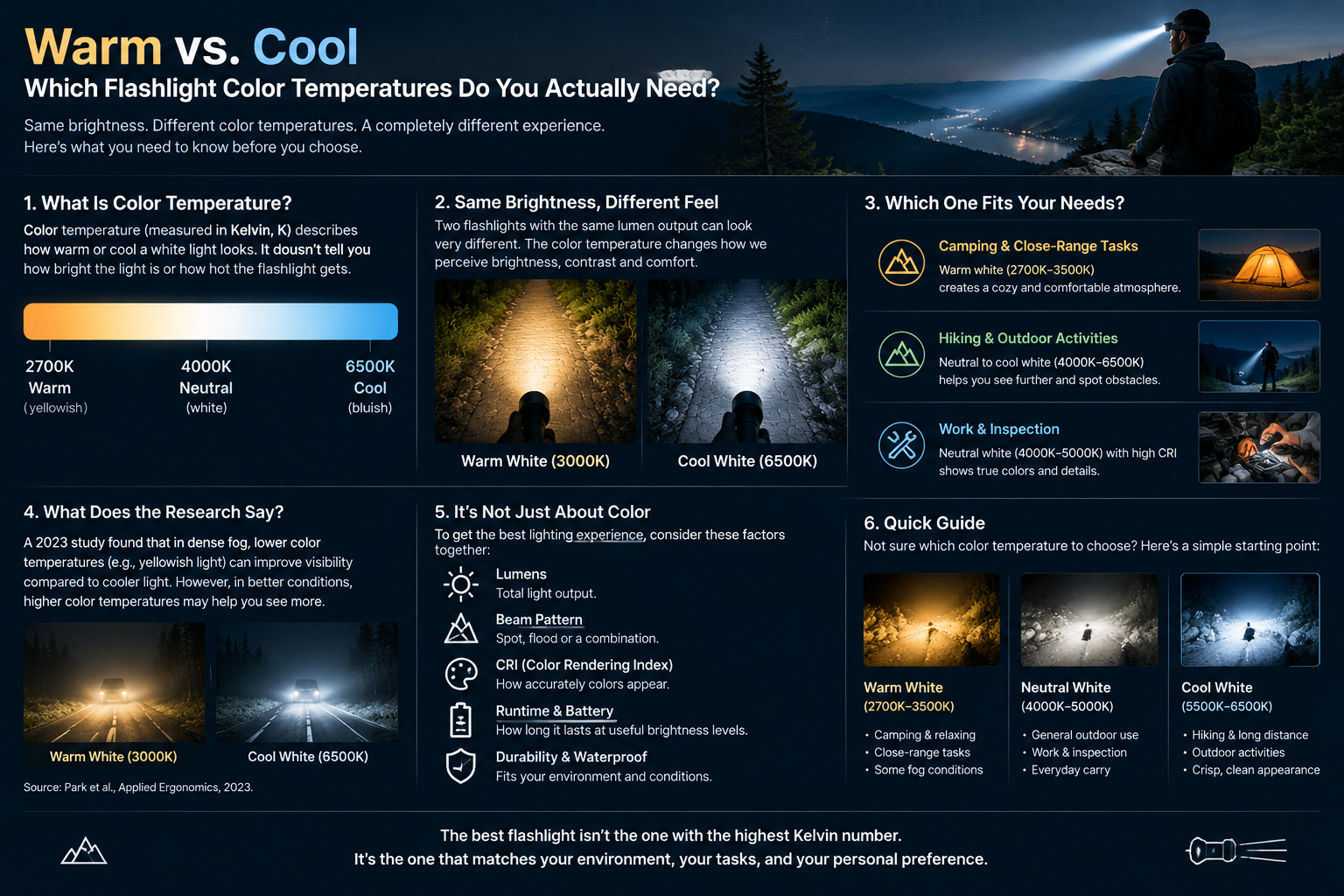
Choosing the right flashlight isn’t just about brightness—it’s about how the light works for your specific needs. Let’s explore what color temperature means and how to decide the best option for you.
What Does Color Temperature Mean, Anyway?
Warm light, cool light... what does it all mean?
Color temperature describes the visual tone of a light—whether it looks cozy and yellowish, neutral and plain white, or cold and bluish. It’s measured in Kelvin (K).
Flashlight color temperature affects the beam's appearance but doesn’t determine its brightness, heat, or energy consumption.1
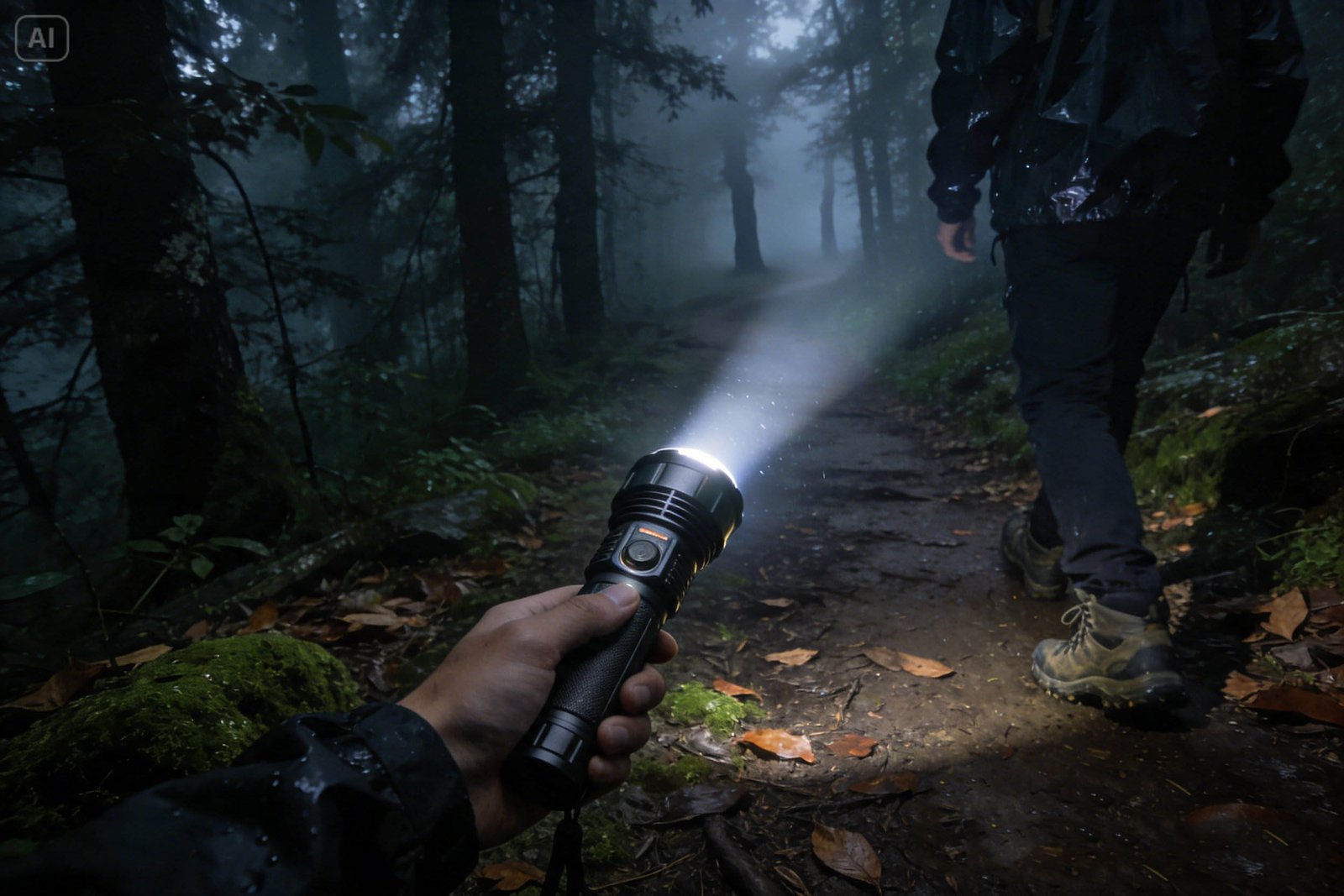
Kelvin Scale: A Quick Guide
| Color Temperature (K) | Beam Appearance | Ideal Use Cases |
|---|---|---|
| 2,700–3,000 K | Warm, yellowish white | Relaxed campsite lighting, close-up work |
| 4,000–4,500 K | Neutral white | General-purpose use, inspection work |
| 6,000–6,500 K | Crisp, bluish white | Outdoor activities, everyday carry |
These values are approximations. Manufacturers often label flashlights as “natural white,” “daylight white,” or “cool white”—so check the Kelvin number for accuracy.
Why Do Some Flashlights Look Brighter Even When Their Lumens Are Similar?
Ever noticed that one flashlight looks sharper, even though its lumens are identical to another?
Several factors influence perceived brightness, including beam pattern, color temperature, and the surface being illuminated.
A focused beam concentrates light in a spot, while a diffused beam spreads light out. Cool white often appears sharper but doesn’t guarantee more light output.2
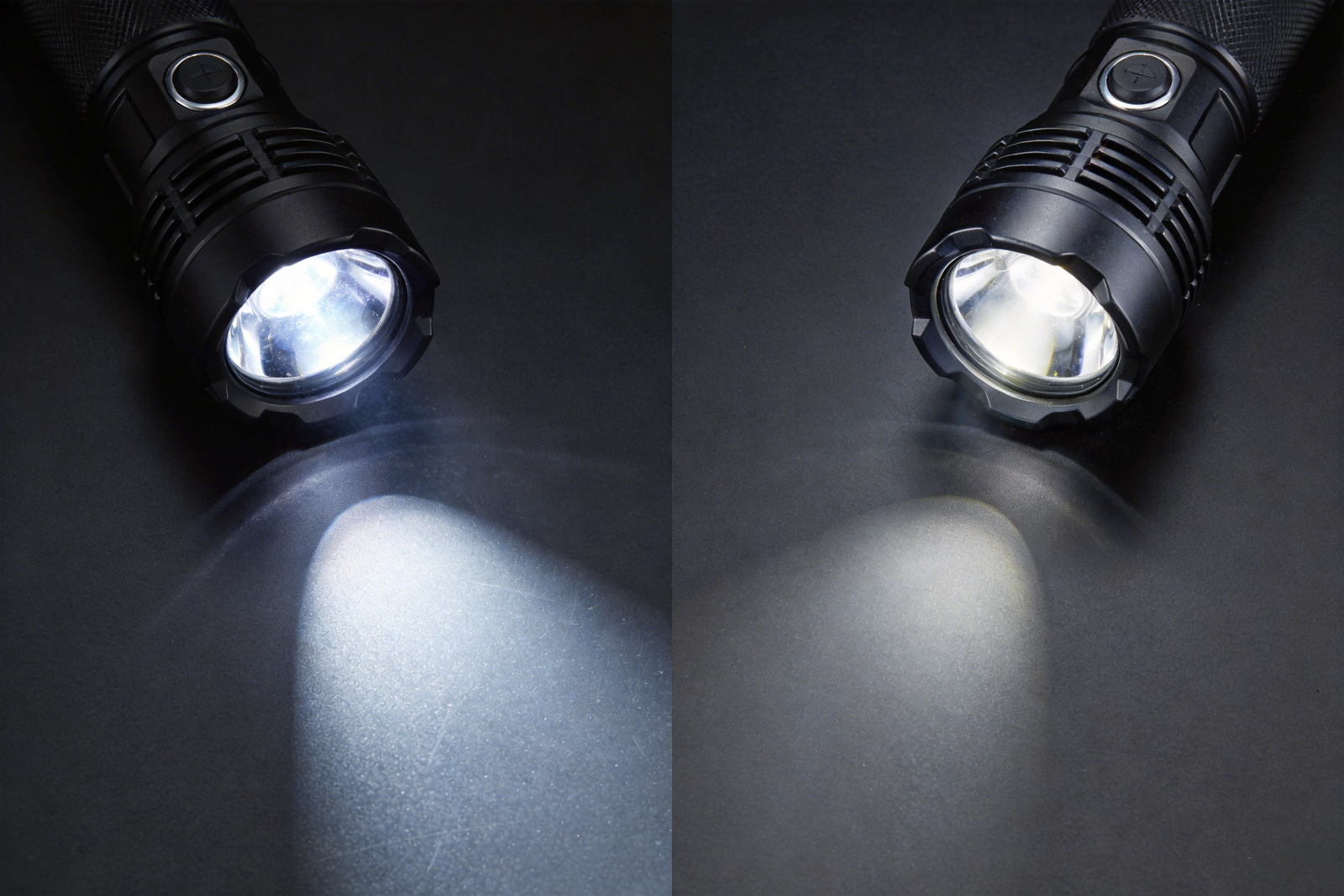
Factors That Shape Brightness Perception:
- Beam Pattern: Concentrated beams look brighter at the center, while wide beams cover more area.
- Color Temperature: Cool white may look brighter, but this doesn’t mean it produces more lumens.
- Surface Reflection: Different materials reflect light differently, influencing how visible they appear.
Consider the flashlight’s beam and lighting environment, not just lumens, when evaluating brightness.
Warm White vs. Cool White: What Are the Real Advantages?
Warm and cool white beams each have their strengths. The right choice depends on how you plan to use your flashlight.
Warm white offers a yellowish, softer beam, while cool white delivers a crisp bluish-white appearance.3 Neutral white provides a middle ground.
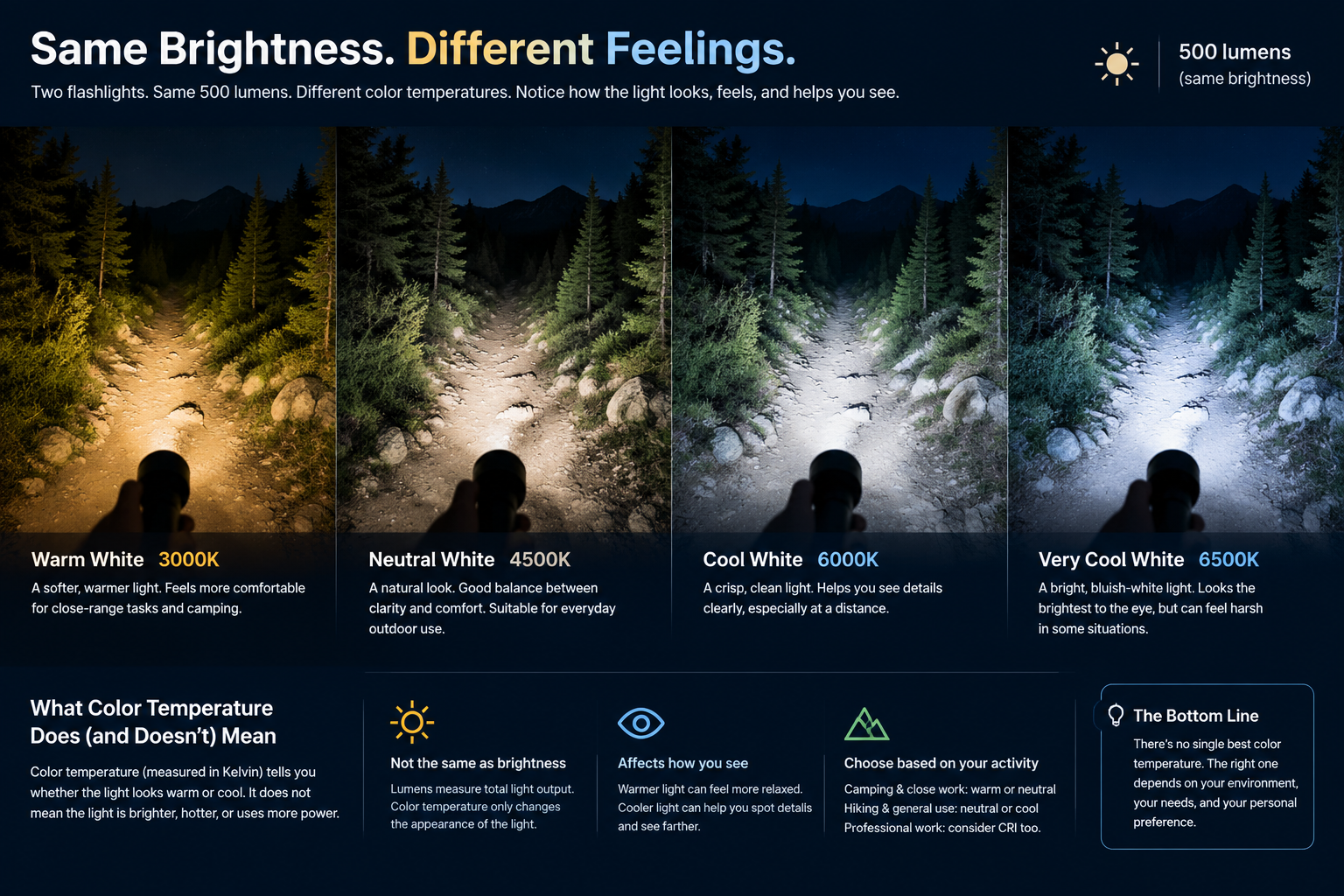
Comparing Warm and Cool Beams
| Feature | Warm White | Cool White |
|---|---|---|
| Appearance | Soft, yellowish | Crisp, bluish-white |
| Best Use Cases | Close-range tasks, foggy conditions | General-purpose outdoor use |
| Comfort | Feels less stark for some users | Preferred for sharp visibility |
Warm white is ideal for inside tents or foggy environments. Cool white works well for outdoor tasks and general visibility at night.
Is a 6,500 K Flashlight Better for Night Hiking?
It’s tempting to think the crisp look of cool white is better for everything. But for night hiking, this isn’t always the case.
A flashlight’s beam shape, intensity, and color temperature must work together to provide useful visibility.
For night hiking, prioritize beam coverage, sustained output, glare control, and comfort—not just Kelvin values.
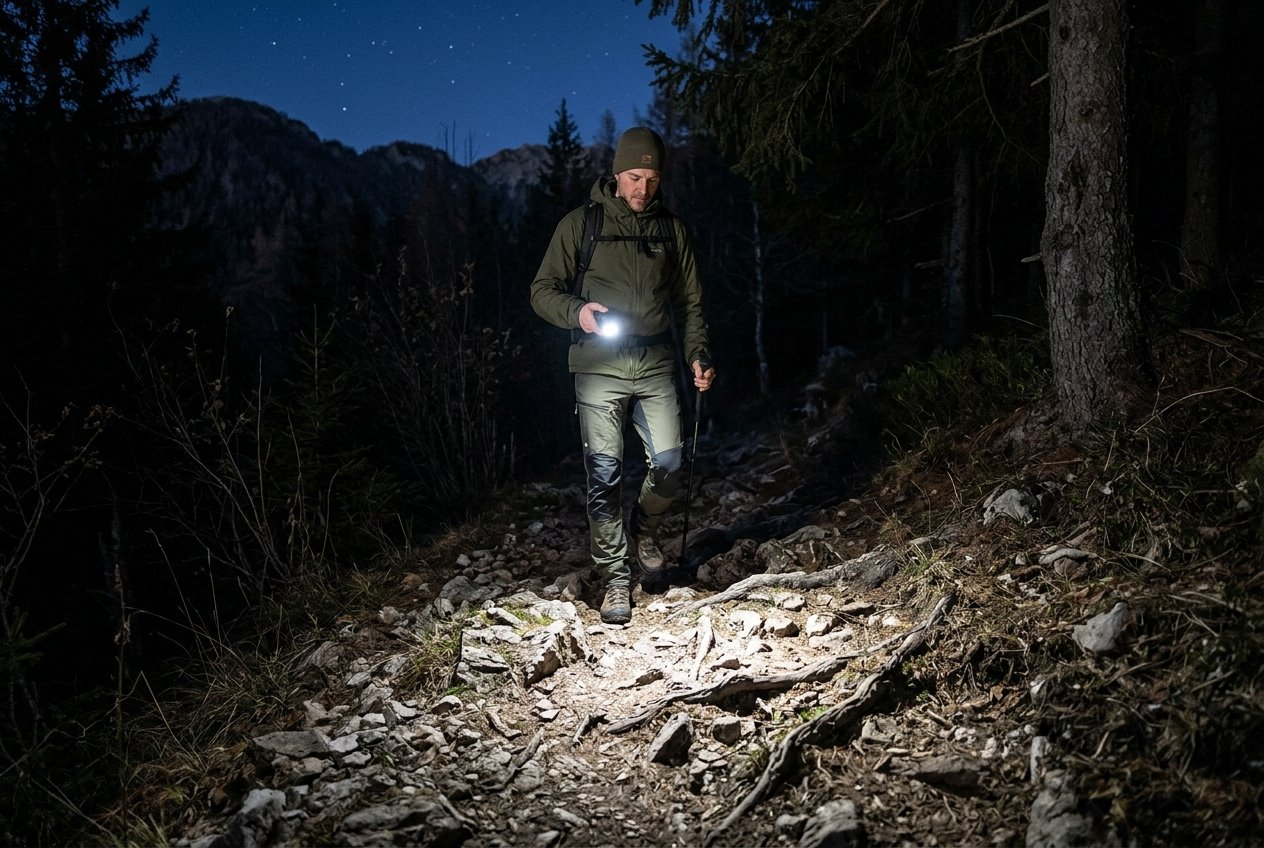
Features to Focus On:
- Beam shape: Wide coverage helps with nearby terrain; focus reaches farther ahead.
- Runtime: Ensure sustained brightness for the entire hike.
- Adjustability: Lower brightness saves power during easier sections.
- Comfort: Choose a beam temperature that works for your eyes in varied conditions.
Neutral or cool white beams are often a practical starting point. Test options before committing to one Kelvin value.4
Does Warm White Really Work Better in Fog?
You’ve likely heard that yellow light “cuts through” fog better. While there’s some truth to this, it’s not a universal rule.
In foggy conditions, lower Kelvin values can reduce glare caused by light scattering. However, beam pattern and brightness settings also matter.
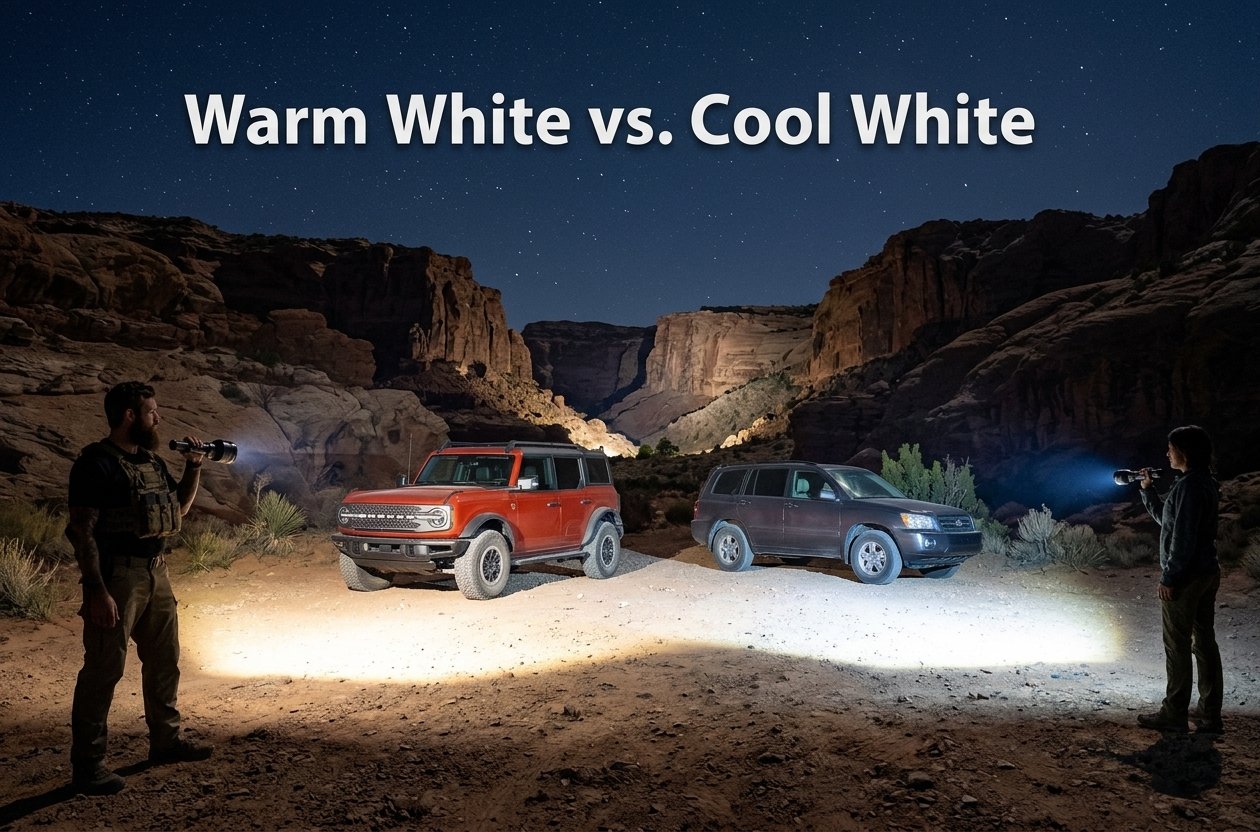
Practical Tips for Foggy Conditions:
- Use lower brightness to limit backscatter.
- Aim the beam toward the ground instead of straight into the mist.
- Test different CCT options to find what works for your environment.
Warm white may help in dense fog, but it’s only one factor in flashlight performance.
Does Color Temperature Affect How Accurately You See Colors?
Yes, but there’s more to it than Kelvin numbers. Color Rendering Index (CRI) tells how accurately a light shows different hues.
A flashlight’s CRI measures how faithfully it presents colors compared to natural light.5 Higher CRI helps with tasks like identifying wires or markings.
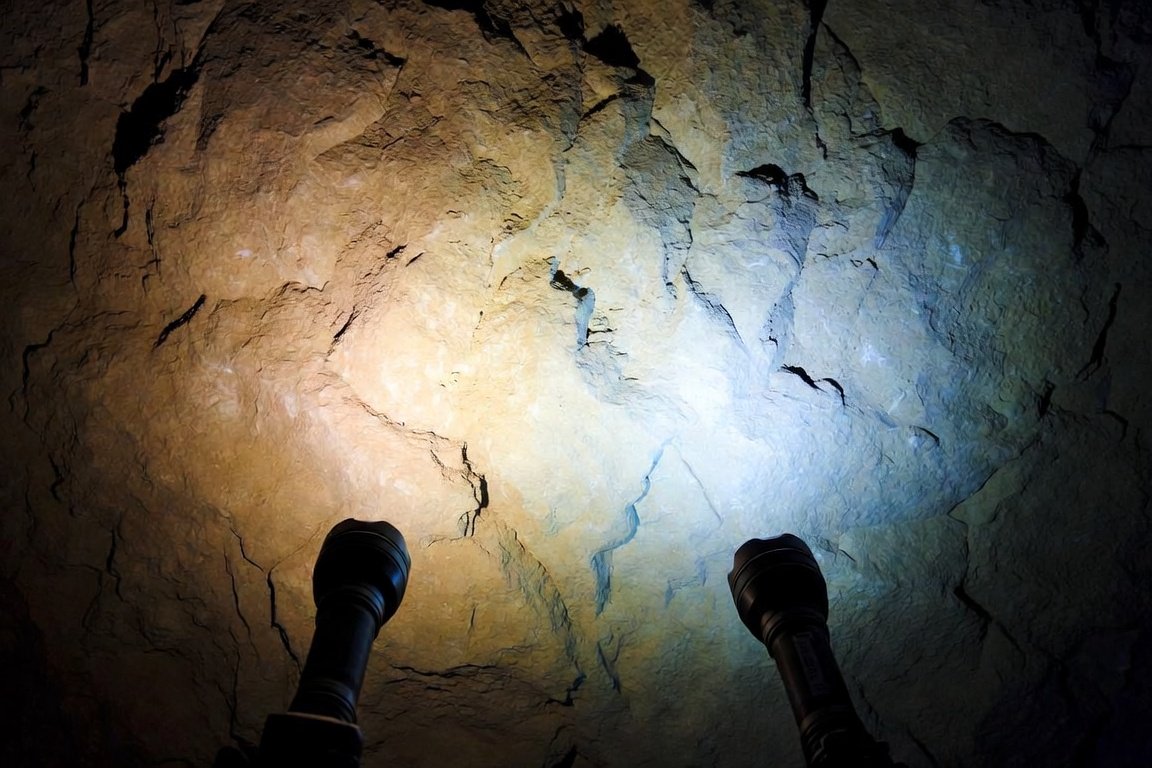
CCT vs. CRI Comparison
| Feature | CCT (Kelvin) | CRI (Color Rendering Index) |
|---|---|---|
| What It Describes | Warm, neutral, or cool appearance | Color accuracy in illuminated objects |
| When It Matters | General beam preference | Professional inspections, color-specific tasks |
For everyday use, CCT is enough. For detailed work, look for high CRI ratings alongside CCT.
Does Warm White Use Less Battery Power Than Cool White?
Not necessarily. Runtime depends on flashlight efficiency, thermal design, and LED technology—not just color temperature.6
A flashlight’s total runtime is influenced by battery capacity, brightness settings, and heat management—not Kelvin values alone.
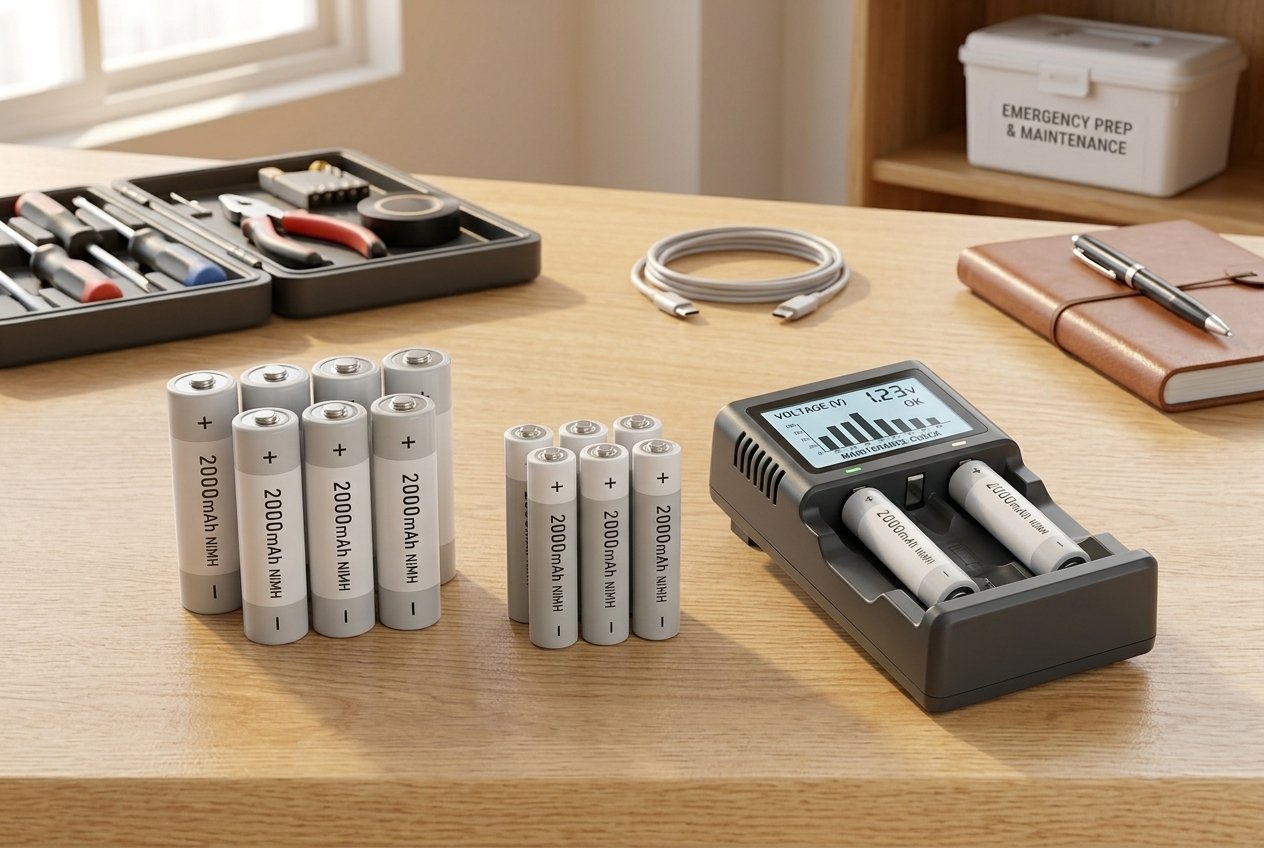
Key Factors for Runtime:
- Battery capacity and driver efficiency.
- Thermal design to prevent overheating.
- Output levels and power consumption.
More lumens often mean shorter runtime, so compare output graphs carefully when choosing a flashlight.
How Can You Compare Warm and Cool Flashlights Fairly?
The best way to evaluate flashlights isn’t just by reading labels. Test them under realistic conditions.
Compare flashlights based on beam pattern, runtime, and comfort—not just Kelvin numbers or product photos.
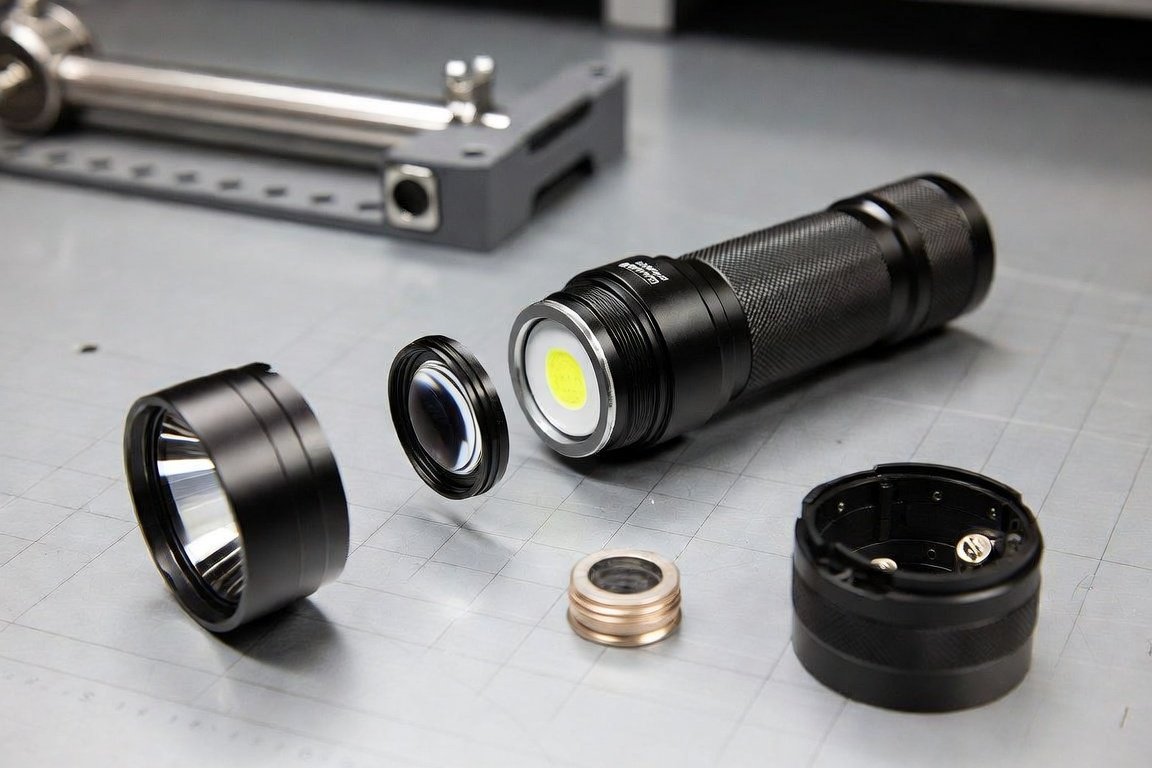
Steps for Fair Comparisons:
- Check stated Kelvin numbers rather than vague labels.
- Compare beam patterns under similar conditions.
- Consider runtime and ease of use.
- Test the flashlight on actual surfaces and trails.
Use real-world tests to avoid surprises and find the most suitable lighting option.7
Conclusion: Warm or Cool—Which Should You Choose?
If you need a quick answer:
- Choose warm white for softer, yellowish beams and close-range tasks.
- Choose neutral white for a balanced appearance.
- Choose cool white for crisp, bluish light and general outdoor use.
But remember, color temperature isn’t everything. Consider beam design, runtime, brightness, and comfort for the most complete flashlight experience.
Which do you prefer: warm, neutral, or cool? Let me know how you use your flashlight, and let’s keep the conversation going!
"Effects of Color Temperature and Brightness on ... - PMC", https://pmc.ncbi.nlm.nih.gov/articles/PMC3897760/. Research indicates that color temperature influences the perceived quality of light but does not correlate with energy efficiency or brightness levels. Evidence role: mechanism; source type: paper. Supports: Color temperature does not affect brightness or energy efficiency.. Scope note: The support is based on general principles of light perception and may not apply to all flashlight technologies. ↩
"Effect of warm/cool white lights on visual perception and mood ...", https://pmc.ncbi.nlm.nih.gov/articles/PMC8481791/. Studies show that while cool white light can enhance perceived brightness, it does not necessarily correlate with higher lumen output. Evidence role: statistic; source type: paper. Supports: Cool white light may appear sharper but does not guarantee more light output.. Scope note: The findings are based on general observations and may vary with different flashlight designs. ↩
"Color temperature", https://en.wikipedia.org/wiki/Color_temperature. Research supports that warm white light is characterized by lower color temperatures, resulting in a softer appearance compared to the sharper, cooler tones of higher color temperatures. Evidence role: definition; source type: encyclopedia. Supports: Warm white offers a yellowish, softer beam, while cool white delivers a crisp bluish-white appearance.. Scope note: The definition is based on general lighting principles and may not apply universally to all light sources. ↩
"Different color temps are suitable for different use cases?", https://www.reddit.com/r/flashlight/comments/mnyfqu/different_color_temps_are_suitable_for_different/. Best practices in lighting suggest that testing different light sources under actual conditions can lead to better choices based on personal preferences and specific use cases. Evidence role: expert_consensus; source type: education. Supports: Test options before committing to one Kelvin value.. Scope note: Recommendations may vary based on individual needs and environmental factors. ↩
"Color rendering index", https://en.wikipedia.org/wiki/Color_rendering_index. The Color Rendering Index (CRI) is a standardized measure that quantifies how accurately a light source renders colors in comparison to a reference light source, typically natural daylight. Evidence role: definition; source type: encyclopedia. Supports: A flashlight’s CRI measures how faithfully it presents colors compared to natural light.. Scope note: CRI values can vary based on the specific application and context of use. ↩
"Impact of Thermal Dissipation on the Lighting Performance ...", https://pmc.ncbi.nlm.nih.gov/articles/PMC8776062/. Research shows that flashlight runtime is influenced by various factors including battery capacity, LED efficiency, and thermal management, rather than solely by color temperature. Evidence role: statistic; source type: paper. Supports: Runtime depends on flashlight efficiency, thermal design, and LED technology—not just color temperature.. Scope note: The findings are based on general trends and may not apply to all flashlight models. ↩
"Effect of flashlight guidance on manual ventilation ... - PMC - NIH", https://pmc.ncbi.nlm.nih.gov/articles/PMC5999285/. Research supports that practical testing of lighting options can lead to more informed decisions and better satisfaction with lighting choices. Evidence role: expert_consensus; source type: education. Supports: Use real-world tests to avoid surprises and find the most suitable lighting option.. Scope note: The effectiveness of testing may depend on the specific context and user preferences. ↩