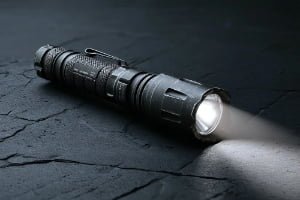
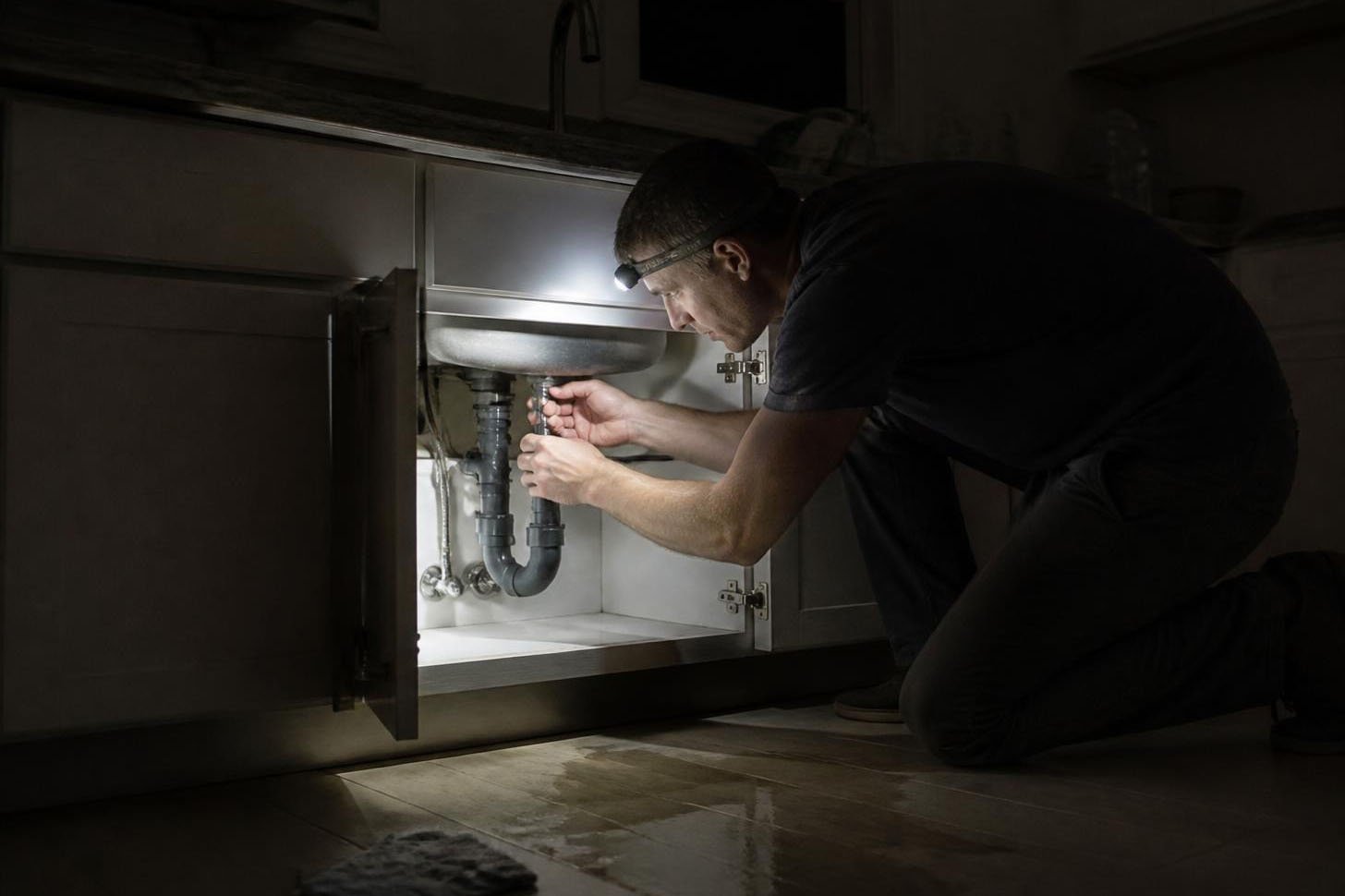
The wrong headlamp can fail you when you need it most. Choosing the right one can make a world of difference in emergency situations.
The best headlamps for emergencies should provide reliable lighting, hands-free operation, and adaptability to various situations. Factors like battery life, lighting modes, and ease of use are critical.
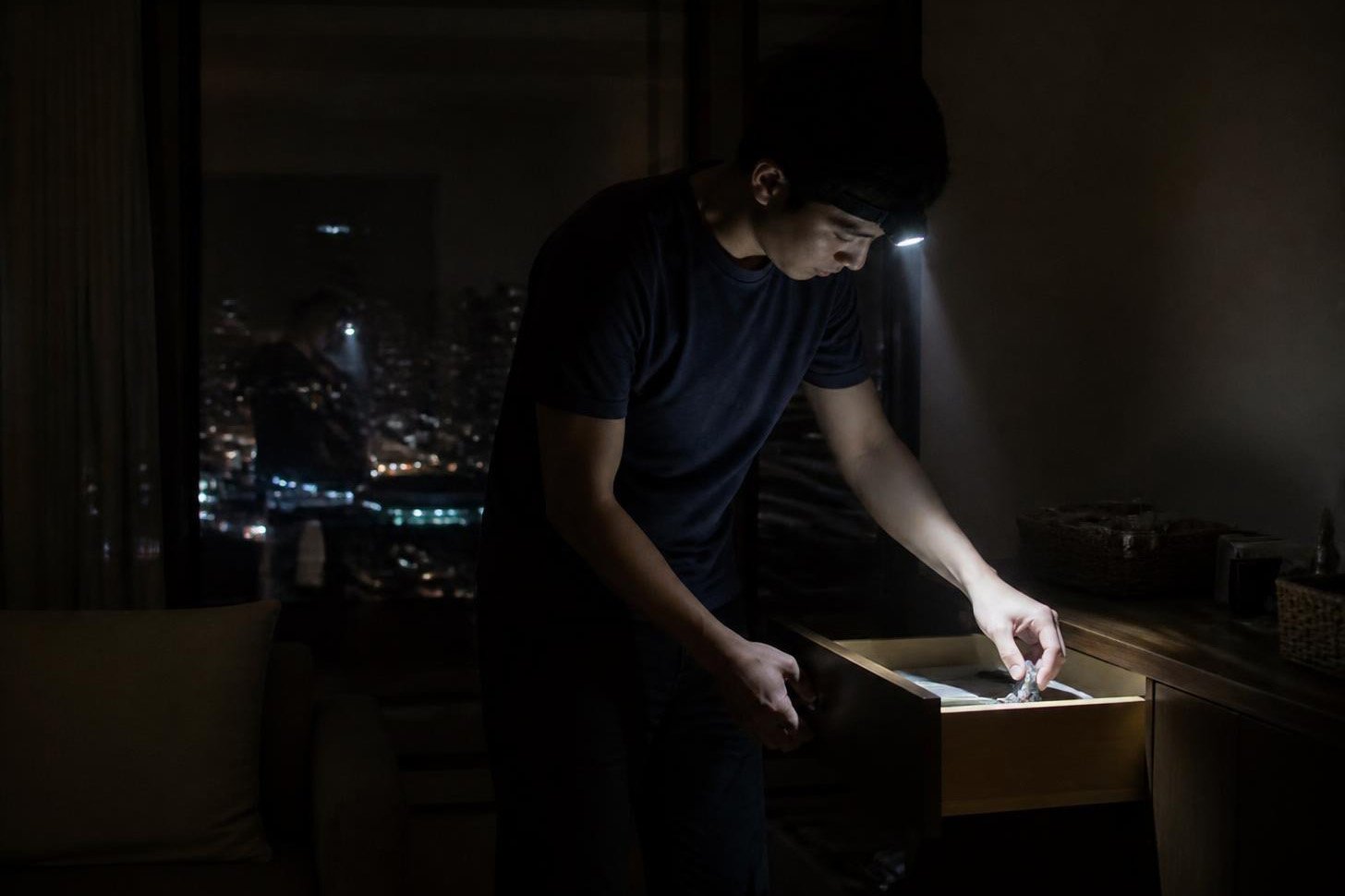
When emergencies strike, a dependable headlamp isn’t just helpful—it can be life-saving. Below, I'll break down the key features and considerations to help you choose the right headlamp for any emergency.
Why doesn’t a high lumen count always mean better for emergencies?
It’s tempting to think that the brighter the headlamp, the better. High lumens seem like a good idea, but they don’t tell the full story.
Brightness alone doesn’t guarantee effective lighting—it’s also about beam quality. A well-balanced floodlight may be more useful indoors, while a spotlight works better outdoors.
Think of the tasks you’ll face during emergencies. Indoors, you might need broad, even lighting to find items or fix things. Outdoors, navigating dark paths or spotting dangers may require focused, long-distance beams. Testing headlamps in varied scenarios—like reading indoors or walking outside—shows how brightness and beam types affect practical use. Aim for a model that balances wide and focused lighting tailored to your needs.
Should emergency headlamps have multiple lighting modes?
Emergencies demand versatility. A headlamp with just one mode might limit your ability to adapt to different tasks.
An ideal emergency headlamp includes floodlight for close-up tasks and spotlight for distance viewing. Dual-beam models offer both, reducing the need to switch equipment.
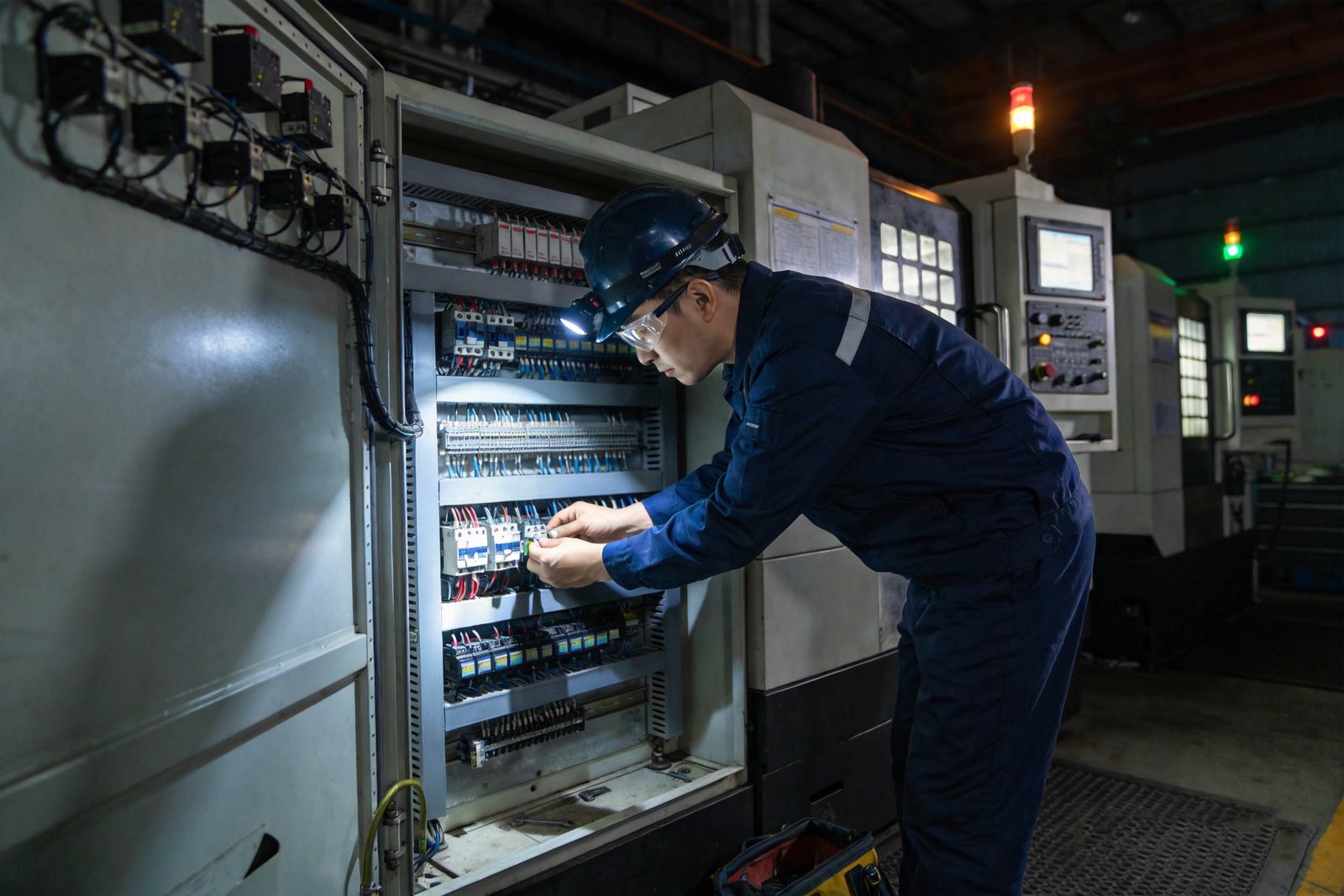
Floodlight is perfect for indoor tasks—checking circuits or organizing supplies—while spotlight comes in handy for outdoor navigation or spotting distant objects. But dual-beam design isn’t always better. Ensure the modes are easy to switch, don’t drain the battery excessively, and provide practical distinctions between beams. For instance, testing your headlamp while walking and examining items nearby can reveal whether it's effective across tasks.
Why is battery life more critical than peak brightness?
Battery life often gets overlooked in favor of brightness, but running out of light during emergencies is a common issue.
Long-lasting battery performance at moderate brightness levels is more practical than short bursts of extreme brightness. Opt for headlamps that manage power efficiently.

Imagine facing an extended power outage or navigating overnight outdoors. A headlamp with low-light modes that stretch battery life becomes invaluable. Look for models with clearly indicated runtimes at different brightness levels. Test them by running at mid-level brightness for hours, checking for consistent output. Backup power sources like rechargeable batteries or replaceable cells provide additional security. Consider this carefully before purchasing.
Should you prioritize rechargeable or replaceable batteries?
Emergency situations might leave you without access to charging points. The choice between rechargeable and replaceable batteries matters.
Rechargeable headlamps are convenient for everyday use, but replaceable batteries offer more reliability during prolonged emergencies. A hybrid approach is best.
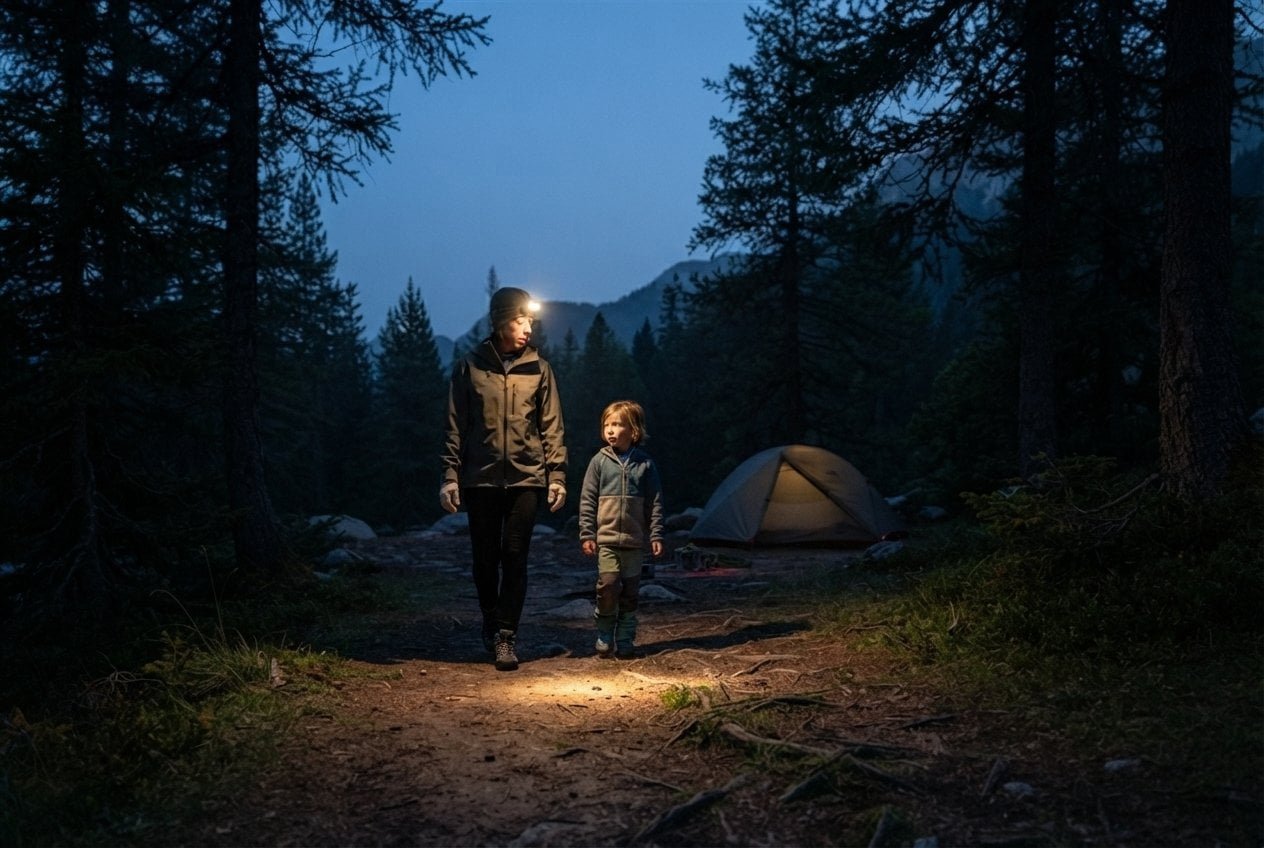
Rechargeable models work great for frequent outdoor users, while replaceable battery designs suit emergency kits. I personally recommend combining solutions: keep a rechargeable headlamp paired with a power bank, and stock replaceable batteries if your model supports them. Test for ease of battery replacement in low-light situations. This ensures you won’t be caught unprepared in critical moments.
Is red light mode useful in emergencies?
Red light mode is often overlooked or misunderstood. In certain situations, it can be a game-changer.
Red light reduces eye strain, preserves night vision, and avoids disturbing others. It’s helpful for reading maps or navigating low-light environments discreetly.
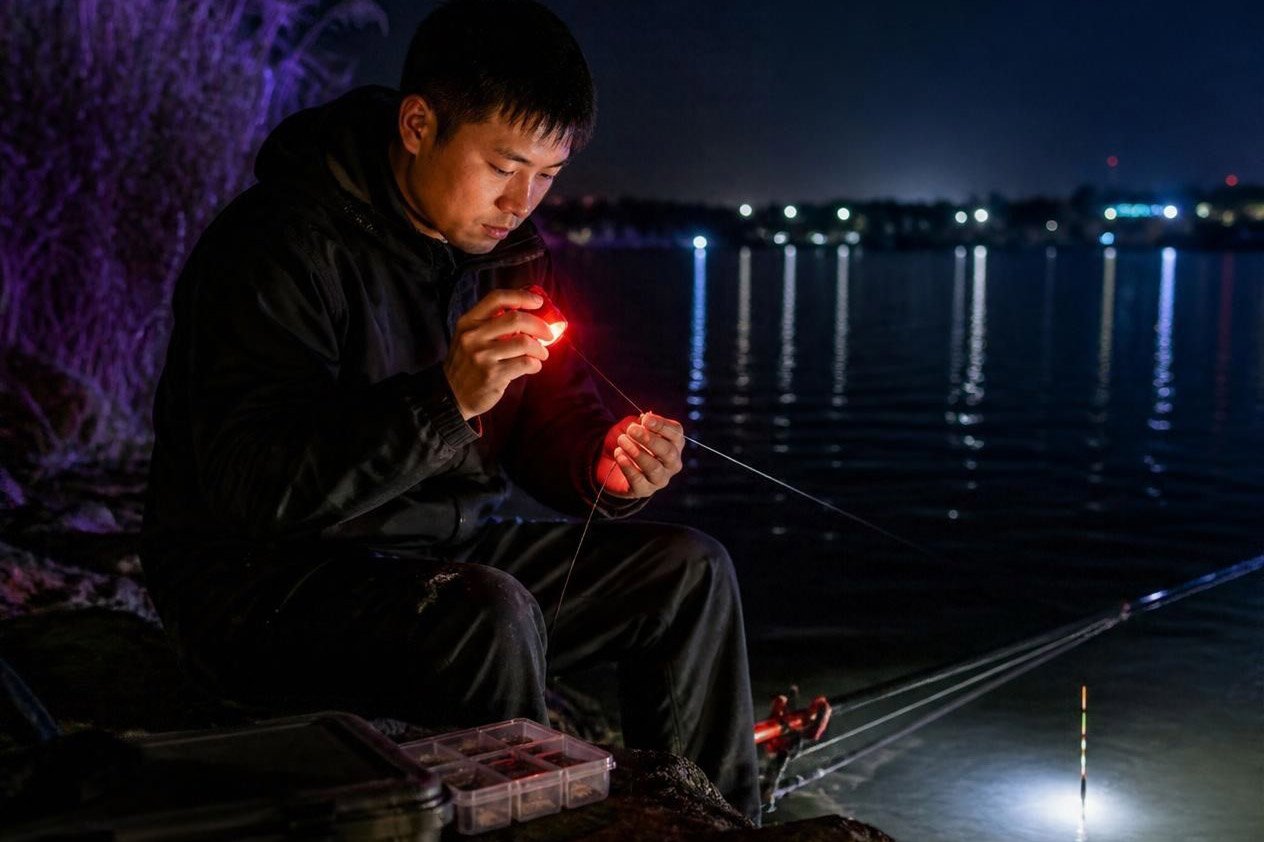
Red light is ideal when you need subtle illumination—like checking supplies without ruining your night vision. However, white light remains necessary for tasks requiring detail, like spotting hazards or determining object colors. Testing red light functionality helps you understand when it’s most effective. Ensure the mode is easy to activate, especially during stressful situations.
Should water resistance and durability factor into your decision?
Emergencies rarely happen under ideal conditions. Your headlamp might face rain, cold, or dusty environments.
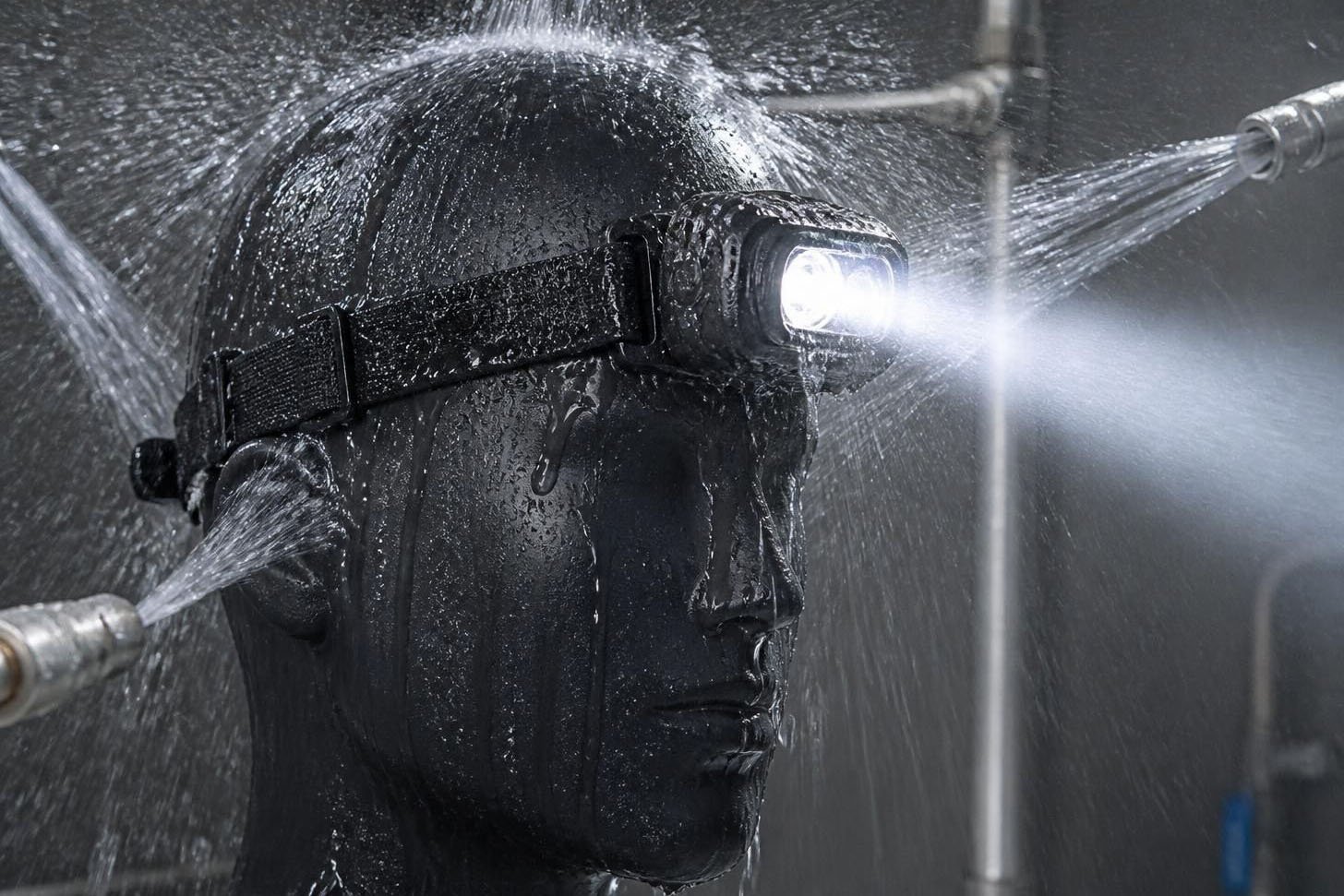
A water-resistant, durable headlamp ensures reliability in adverse conditions. IPX4 or higher ratings are essential for emergency readiness.

Test models not just for water resistance but for comfort during extended wear. Lightweight models are preferable, but they shouldn’t sacrifice battery life or structural durability. Also, check if buttons are operable with gloves, as cold or wet conditions often demand this. For emergencies, simplicity in design wins over overly complex functionality.
How do you test a headlamp to ensure emergency suitability?
The best headlamp isn’t just about specs—it’s about real-world performance. Testing is key1.
Simulate emergency scenarios: test lighting indoors, wear it outdoors, and monitor battery life. Only through usage will you know its true capabilities.
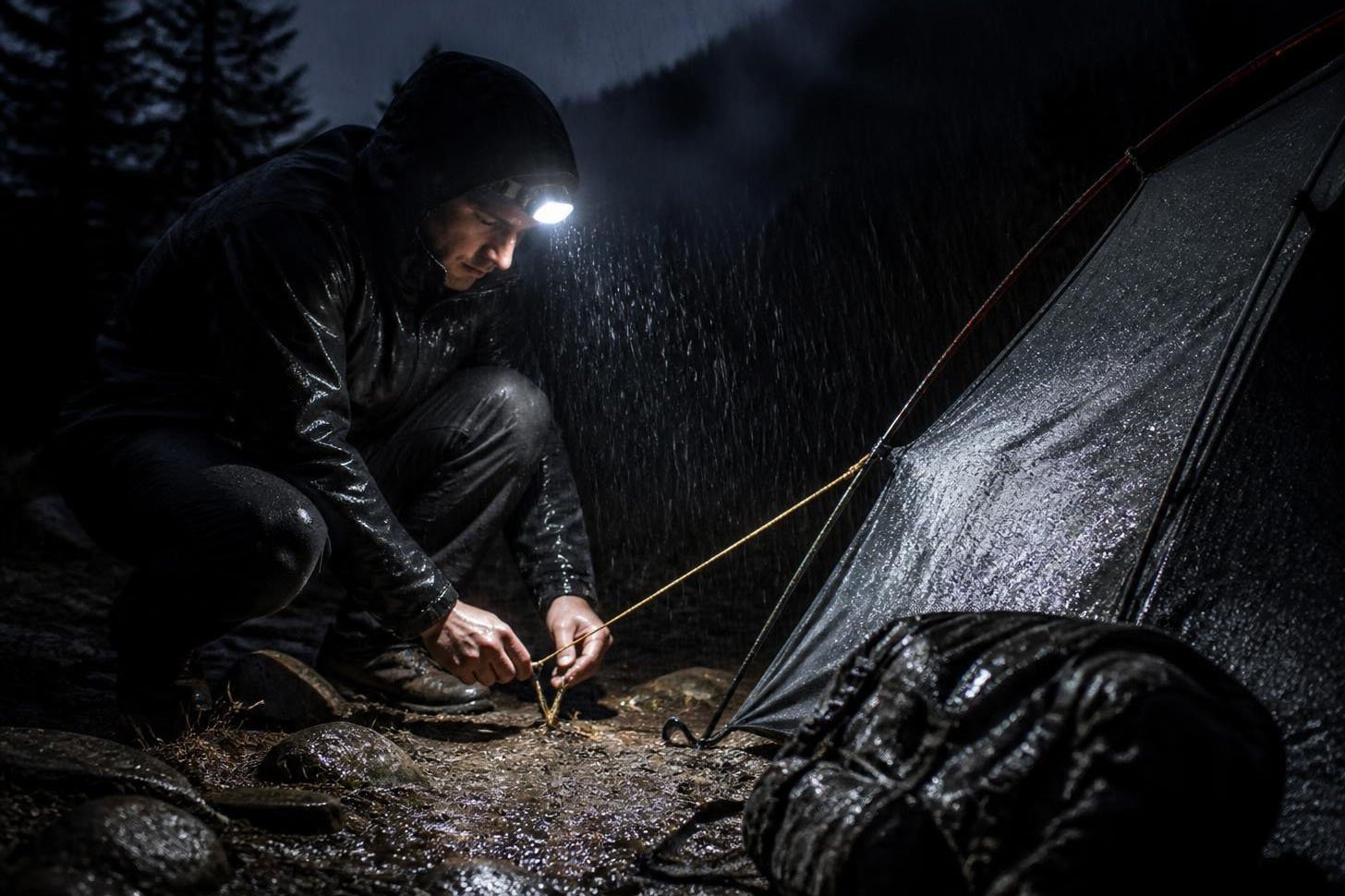
Testing begins with indoor trials—checking comfort, beam width, and brightness while performing tasks like reading or repairing. Then, move outdoors to assess how well it lights paths and distant objects. Finally, run the headlamp continuously to measure battery runtime. Include tests for ease of operation under stress, like switching modes or replacing batteries in the dark. These steps ensure you’re picking a reliable model for emergencies.
Conclusion
The best emergency headlamp isn’t the brightest or the most feature-packed. It’s the one that adapts to your needs, lasts through crises, and performs reliably. Durable, versatile models with long battery life and intuitive controls are the way to go. Make this choice carefully—it’s an investment in your safety.
"Nighttime Glare and Driving Performance: Research Findings", https://www.nhtsa.gov/sites/nhtsa.gov/files/811043.pdf. The source emphasizes the necessity of testing headlamps in real-world scenarios to assess their performance and suitability for emergencies. Evidence role: case_reference; source type: research. Supports: Testing is key.. Scope note: The support is based on anecdotal evidence and may not represent all user experiences. ↩