Inspecting dark spaces can be frustrating when you can't see details clearly. It's not always about having the brightest flashlight. The right choice depends on your needs.
The best flashlight for inspecting dark spaces balances brightness, beam type, portability, and color rendering to achieve effective illumination and detail clarity in various environments.
High brightness may sound appealing, but that's not always practical. A tool that reduces shadows, adapts to tight spaces, and covers your intended inspection area is better.
Does higher lumens mean better inspection?
Many people think higher lumens mean better performance, but that's not always true. Lumens measure the total output of visible light, while lux measures light reaching a surface.
For close inspection, a balanced beam that avoids excessive reflections and shadows is more helpful than sheer brightness1. High lumens can create glare or uneven coverage.
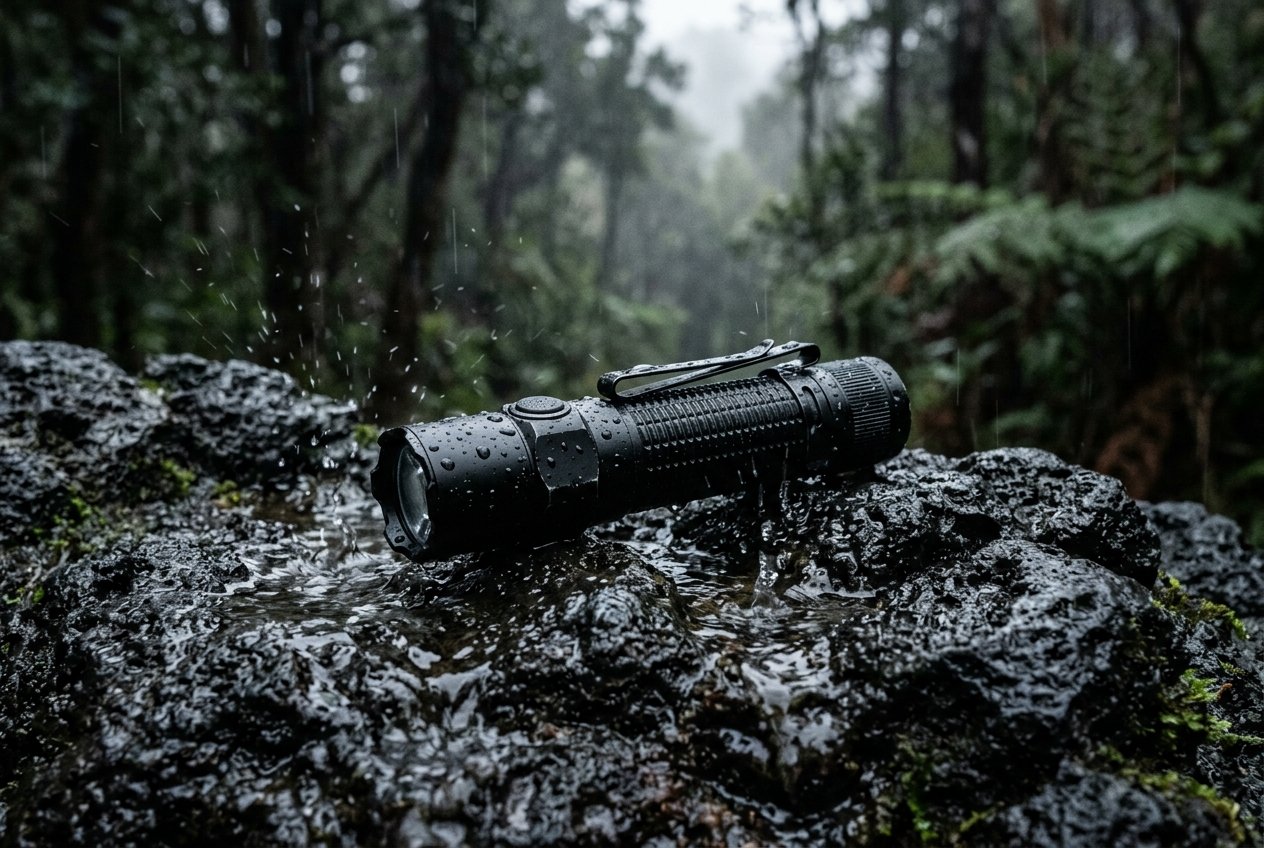
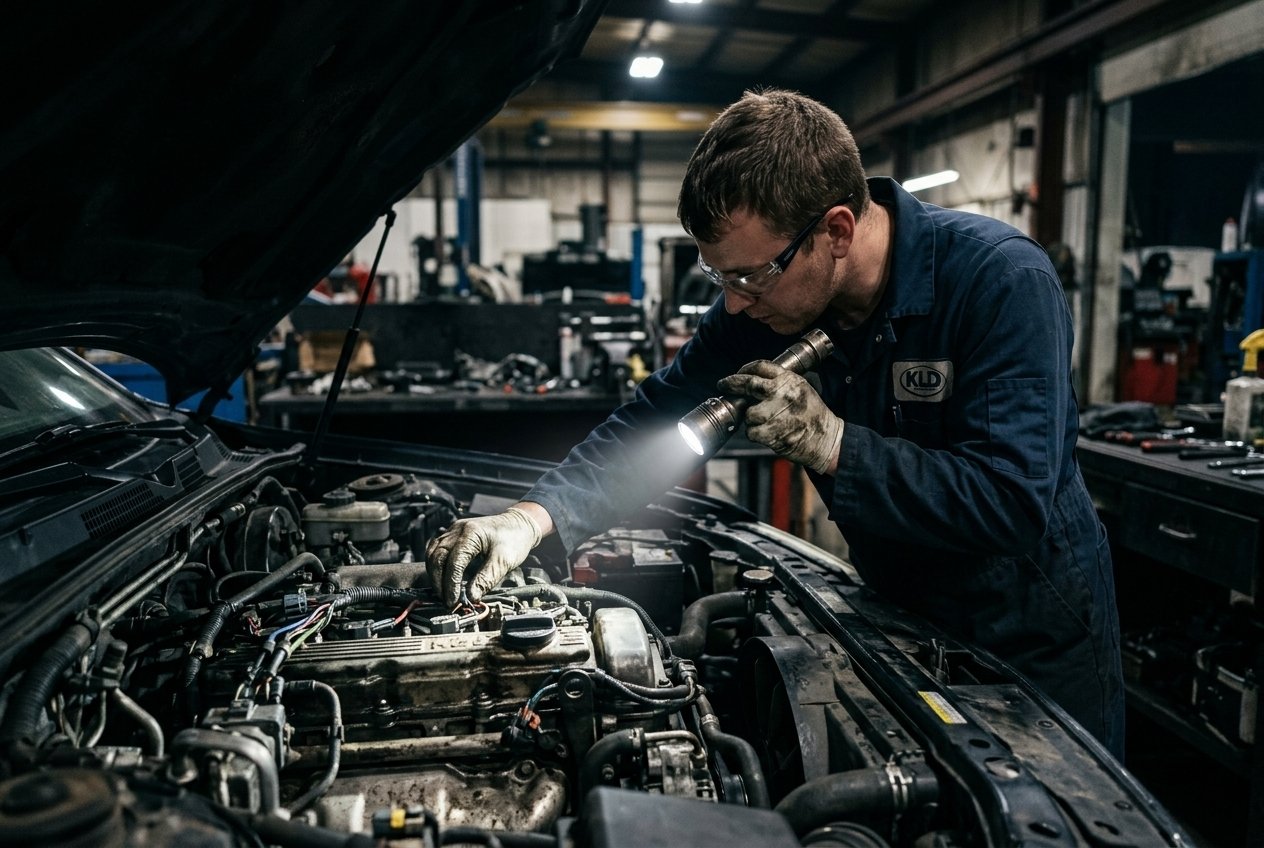
For example, when checking a car engine, a highly concentrated spotlight might leave surrounding areas in shadow. A flashlight with even beam distribution can make inspections more efficient.
| Lumens (Brightness) | Lux (Coverage) | Practical Use |
|---|---|---|
| High | Low | Long-range visibility |
| Moderate | Balanced | Close-up inspection |
| Low | High | Focused tasks |
Should you choose spotlight or floodlight?
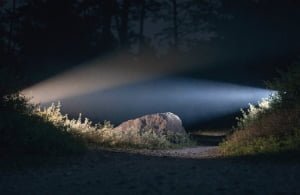
Spotlight and floodlight designs offer different lighting styles. Spotlight is perfect for narrow, deep targets, while floodlight illuminates wider areas closer to you.
Spotlights work for distant objects, while floodlights are better for broad, close inspections. Choose based on your workspace and lighting needs.
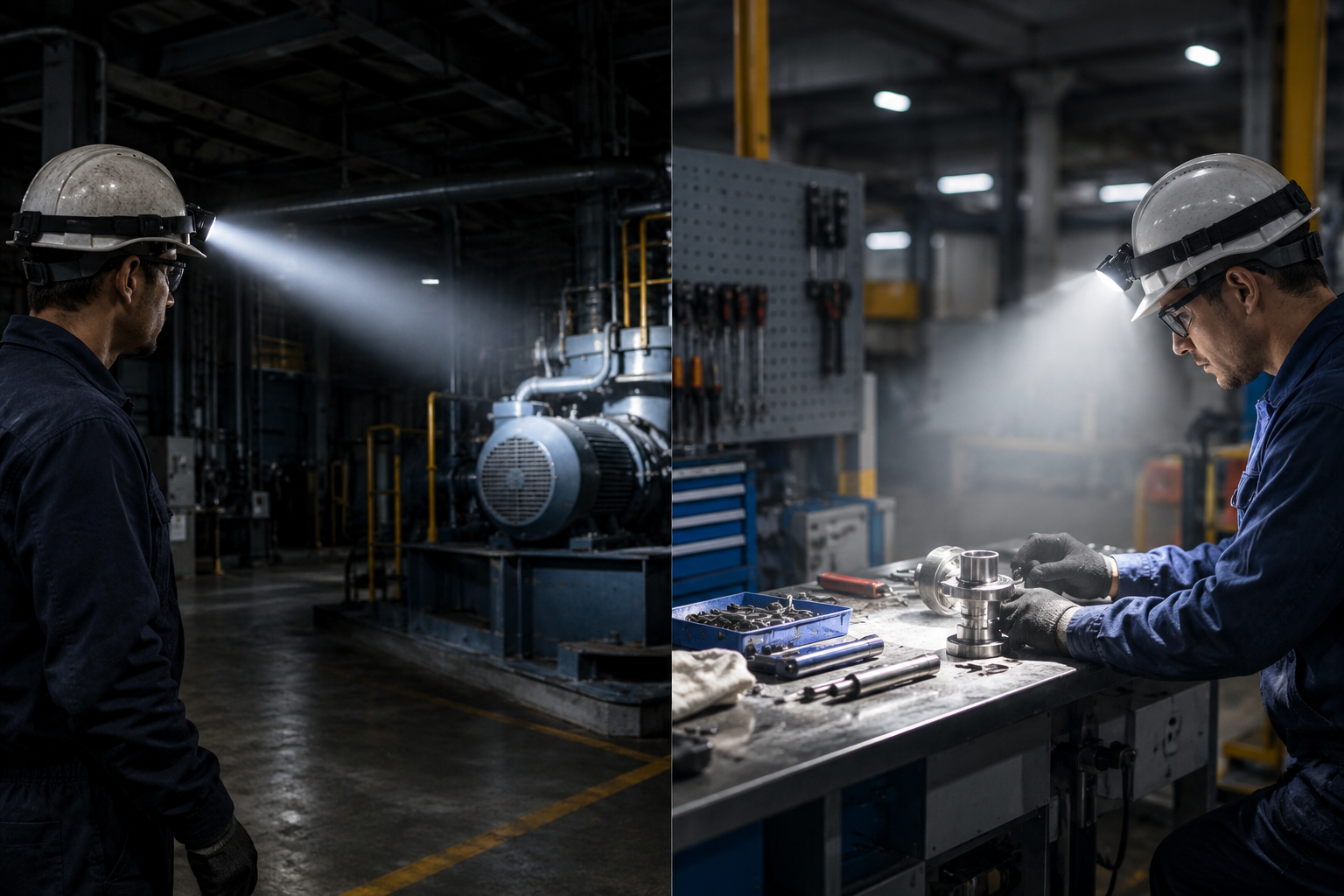
If you're inspecting a machine's deep compartment, use a spotlight for precision. A floodlight, however, works better for wiring arrangements inside electrical panels.
Versatility in lighting modes
Some flashlights allow switching between spotlight and floodlight. This flexibility ensures efficiency for varied tasks. However, dual-mode flashlights need careful testing to ensure beam quality in both modes.
| Lighting Type | Ideal Scenario | Limitation |
|---|---|---|
| Spotlight | Deep compartments, distant objects | May miss surrounding details |
| Floodlight | Wide spaces, close inspections | May lack focus for details |
| Adjustable Beam | Flexible for mixed tasks | Quality varies by product |
Is hands-free operation essential?
Many inspection tasks need both hands free. Holding a flashlight can limit your efficiency. Designs like magnetic bases, hooks, or clips help fix the light in place.
Hands-free flashlights improve productivity. Magnetic bases or clips allow stable placement and consistent lighting.
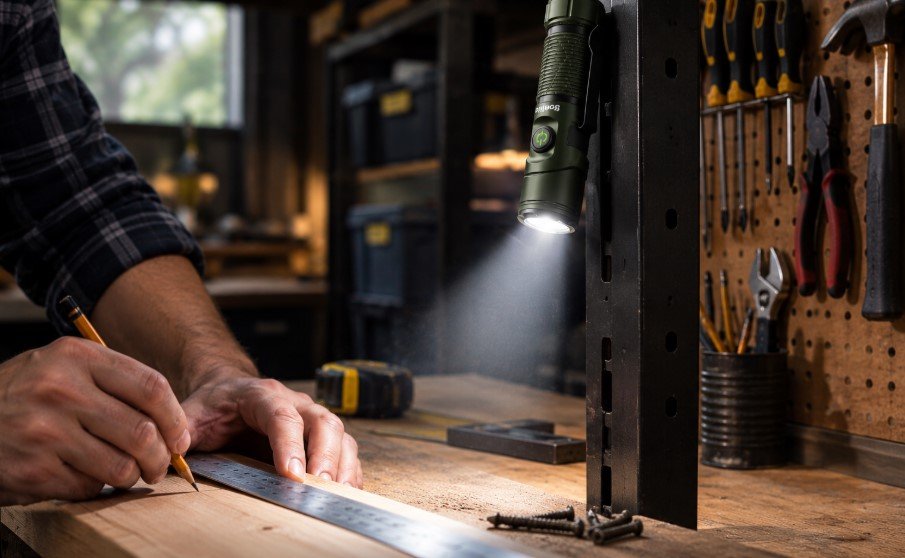
For example, repairing car wires often requires holding tools with both hands while keeping the light source steady. Magnetic flashlights can attach to metal surfaces, offering convenience.
Yet, not all surfaces are magnetic2. Non-metal or vibrating areas may need other mounting solutions like hooks or clamps.
| Hands-Free Option | Advantages | Limitations |
|---|---|---|
| Magnetic Base | Simple and stable | Needs ferrous surface |
| Clips | Portable, versatile | Limited adjustment angles |
| Hooks | Flexible placement | May not fit every surface |
How important is color rendering for inspection?
Color rendering determines how accurately a light source reveals an object's true colors. It’s crucial for identifying wires, reading labels, or spotting surface defects.
A flashlight with high CRI (Color Rendering Index) helps differentiate colors better, enhancing inspection accuracy.
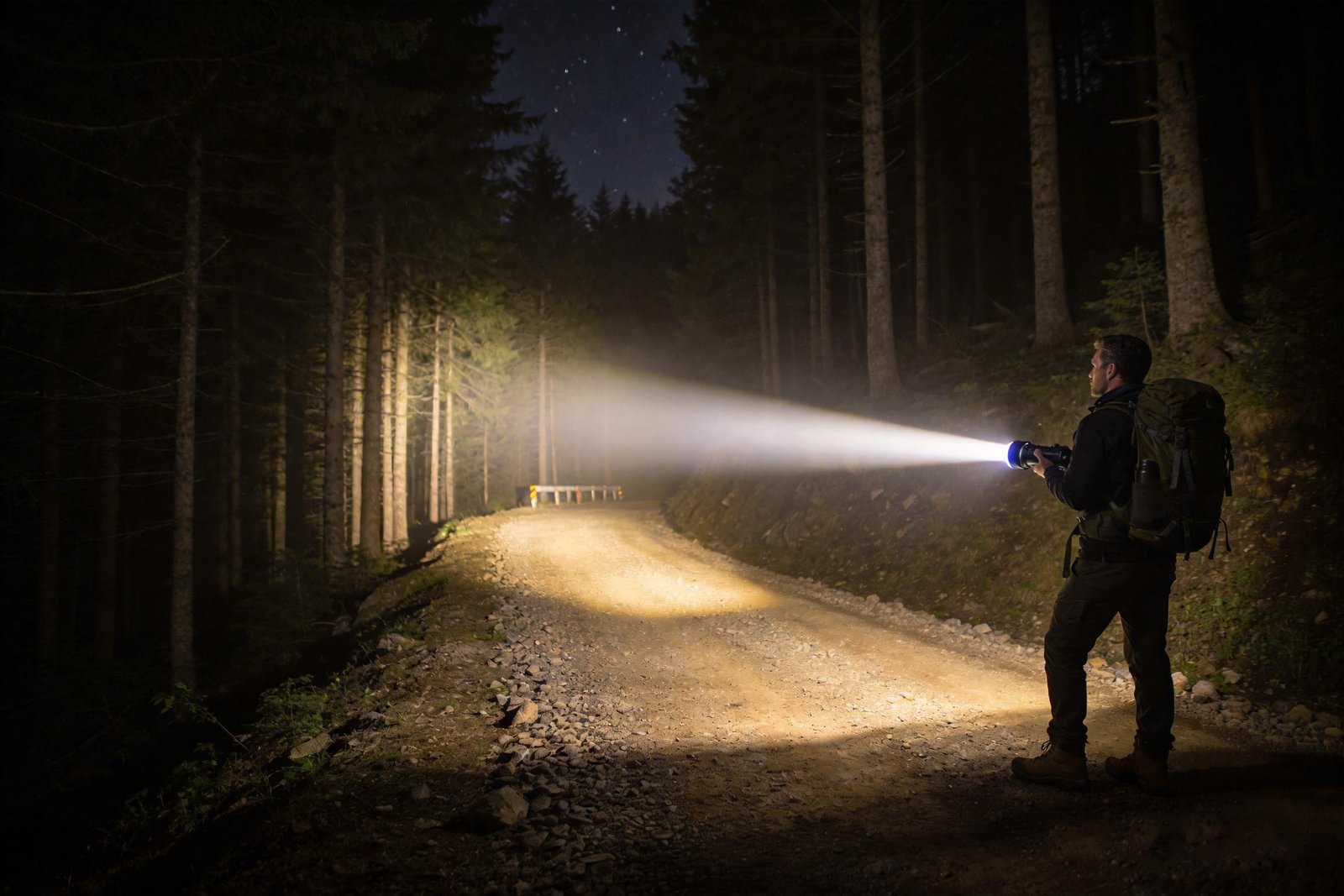
For example, inspecting electric wires with different color codes requires accurate light rendering. High CRI flashlights often make these tasks easier and safer.
However, high CRI doesn’t always mean higher brightness. Beam angle and light temperature also affect visibility in reflective environments.
| CRI Range | Use Cases | Considerations |
|---|---|---|
| Below 70 | Basic illumination | May distort colors |
| 70-85 | General inspections | Good for most tasks |
| Above 85 | Professional applications | Costs more, may affect runtime |
How do size and portability affect performance?
Size matters when working in tight spaces. Larger flashlights may offer higher brightness but might not fit inspection points.
For narrow spaces, slim designs or angled flashlights work better than bulky options3. Compact tools enhance maneuverability.
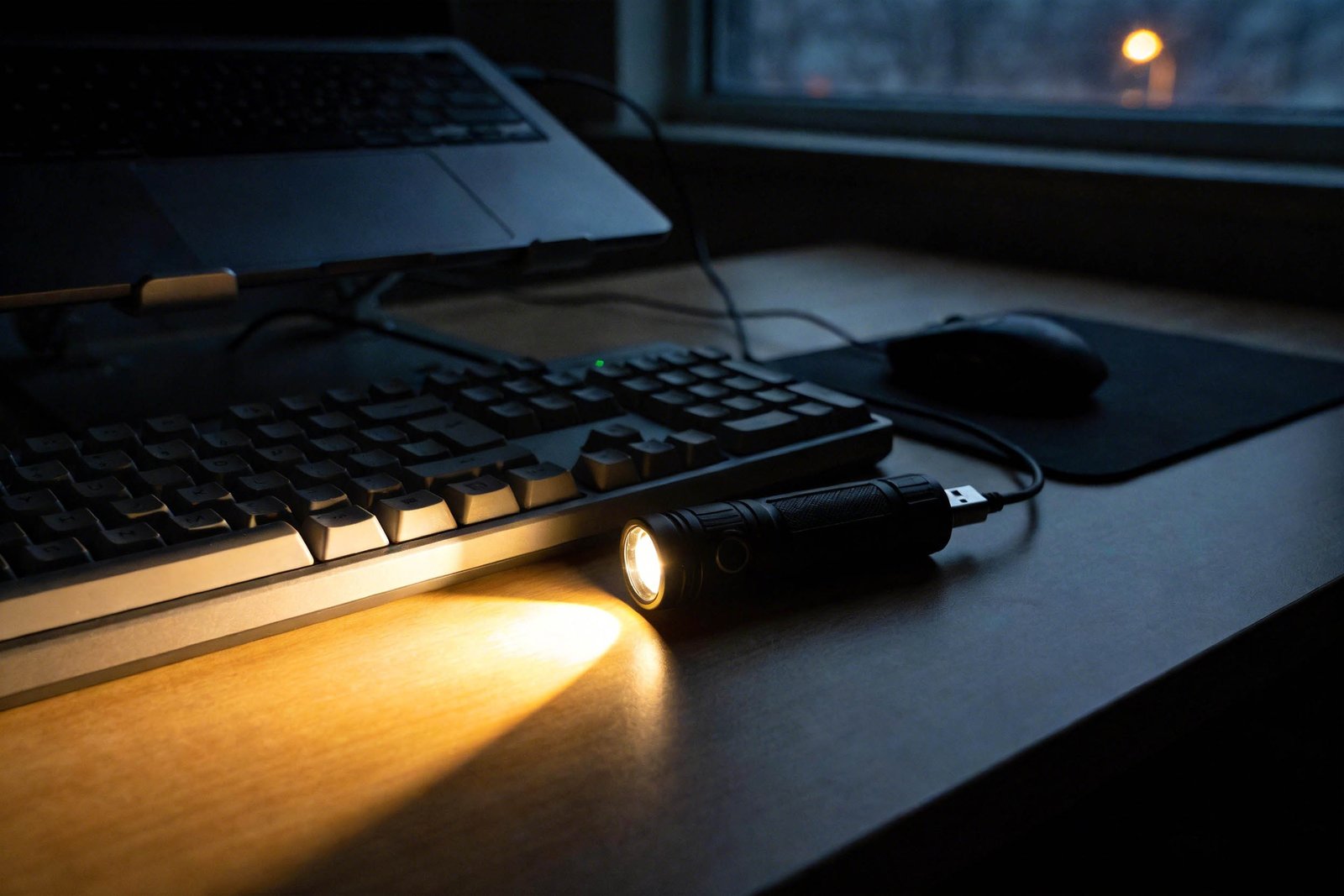
For instance, inspecting underneath car seats or within machine layers requires a slim flashlight to fit into tight spots. In extreme cases, an industrial endoscope might be necessary.
Specialized Tools for Complicated Spaces
In situations where flashlights fail, tools like endoscopes with built-in lighting offer visibility through bends and small openings.
| Tool Type | Strengths | Weaknesses |
|---|---|---|
| Compact Flashlight | Versatile, portable | Limited brightness |
| Angled Flashlight | Flexible positioning | May need additional supports |
| Endoscope | Optimal for tiny spaces | Less general purpose |
Does runtime affect inspection efficiency?
Flashlight runtime impacts continuous inspection tasks. Brightness often diminishes over time, especially under high power. Long-lasting, stable light is critical.
Choose flashlights with stable mid-brightness output for extended tasks. Avoid models that overheat or drain batteries quickly.
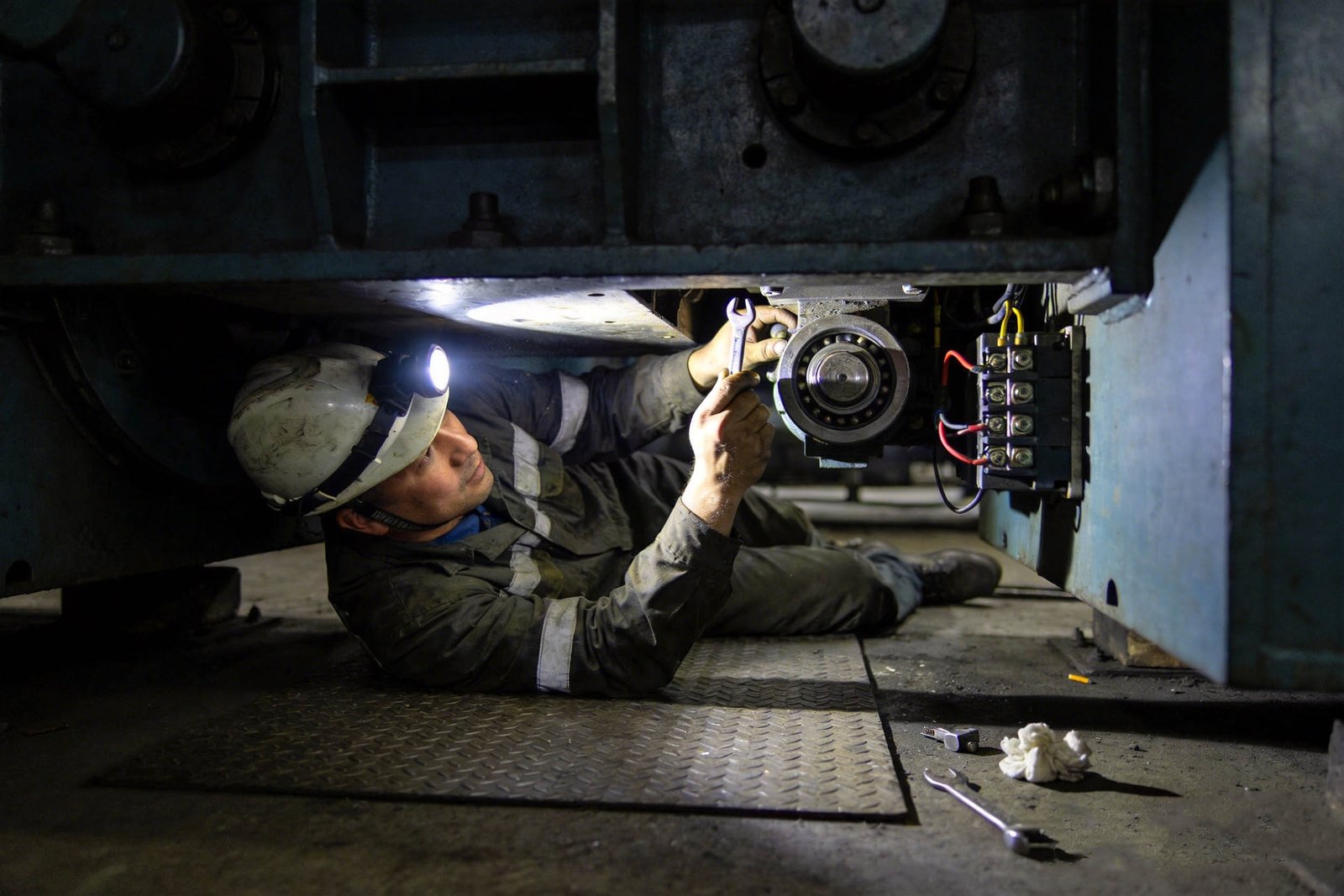
Test flashlights before purchase4. Check how long they perform steadily, whether they heat excessively, and how clear their battery indicators are.
| Runtime Factor | Importance | Pitfalls |
|---|---|---|
| Steady Brightness | Consistent visibility | May reduce peak output |
| Temperature Control | Prevents overheating | May lower brightness |
| Battery Indicators | Simplifies monitoring | Accuracy varies by design |
Conclusion
The best flashlight for inspecting dark spaces isn’t about having the highest lumens. It’s about finding a tool that provides clear visibility, adapts to your needs, and supports your workflow effectively.
"IMPACT Home | HFS", https://hfs.illinois.gov/impact.html. Studies show that beam quality, including balance and distribution, significantly impacts visibility and effectiveness in close inspection tasks. Evidence role: mechanism; source type: paper. Supports: For close inspection, a balanced beam that avoids excessive reflections and shadows is more helpful than sheer brightness.. Scope note: The findings may not apply universally across all flashlight types or inspection scenarios. ↩
"Flashlight Mounts", https://nitecorestore.com/collections/flashlight-mounts?srsltid=AU7gw4VTeLcAdtnQfPNh_GM2egX5KHFyVUeFX3IRS-w8Ec7aEQY4htMG. Research indicates that the effectiveness of magnetic tools is limited to ferrous surfaces, which may not be applicable in all environments. Evidence role: general_support; source type: research. Supports: Not all surfaces are magnetic.. Scope note: The support is general and may not cover all specific use cases or environments. ↩
"Investigating the light emitting diode (LED) flashlight ... - PMC", https://pmc.ncbi.nlm.nih.gov/articles/PMC9674527/. Research supports that compact and angled flashlight designs are more effective in tight spaces, enhancing maneuverability and visibility. Evidence role: mechanism; source type: paper. Supports: For narrow spaces, slim designs or angled flashlights work better than bulky options.. Scope note: The findings may not apply to all flashlight types or inspection scenarios. ↩
"What Are the Benefits of Automated Software Testing?", https://www.qt.io/software-insights/what-are-the-benefits-of-automated-software-testing. Consumer studies suggest that testing products before purchase can lead to better satisfaction and performance outcomes, particularly for tools like flashlights. Evidence role: case_reference; source type: research. Supports: Test flashlights before purchase.. Scope note: The findings may not apply universally to all flashlight types or user preferences. ↩