Choosing the right camping lantern is not just about brightness or battery capacity. It's about finding a product that makes outdoor tasks easier, safer, and more convenient.
The best camping lantern offers versatile illumination for various outdoor activities, ensuring convenience during setup, safety while cooking, and reliability in unpredictable weather conditions.
From setting up tents to cooking meals at night, the right lantern transforms outdoor challenges into manageable tasks. Let’s explore the key factors that help you choose the ideal camping lantern.
Why does a flashlight often fall short for setting up a tent?
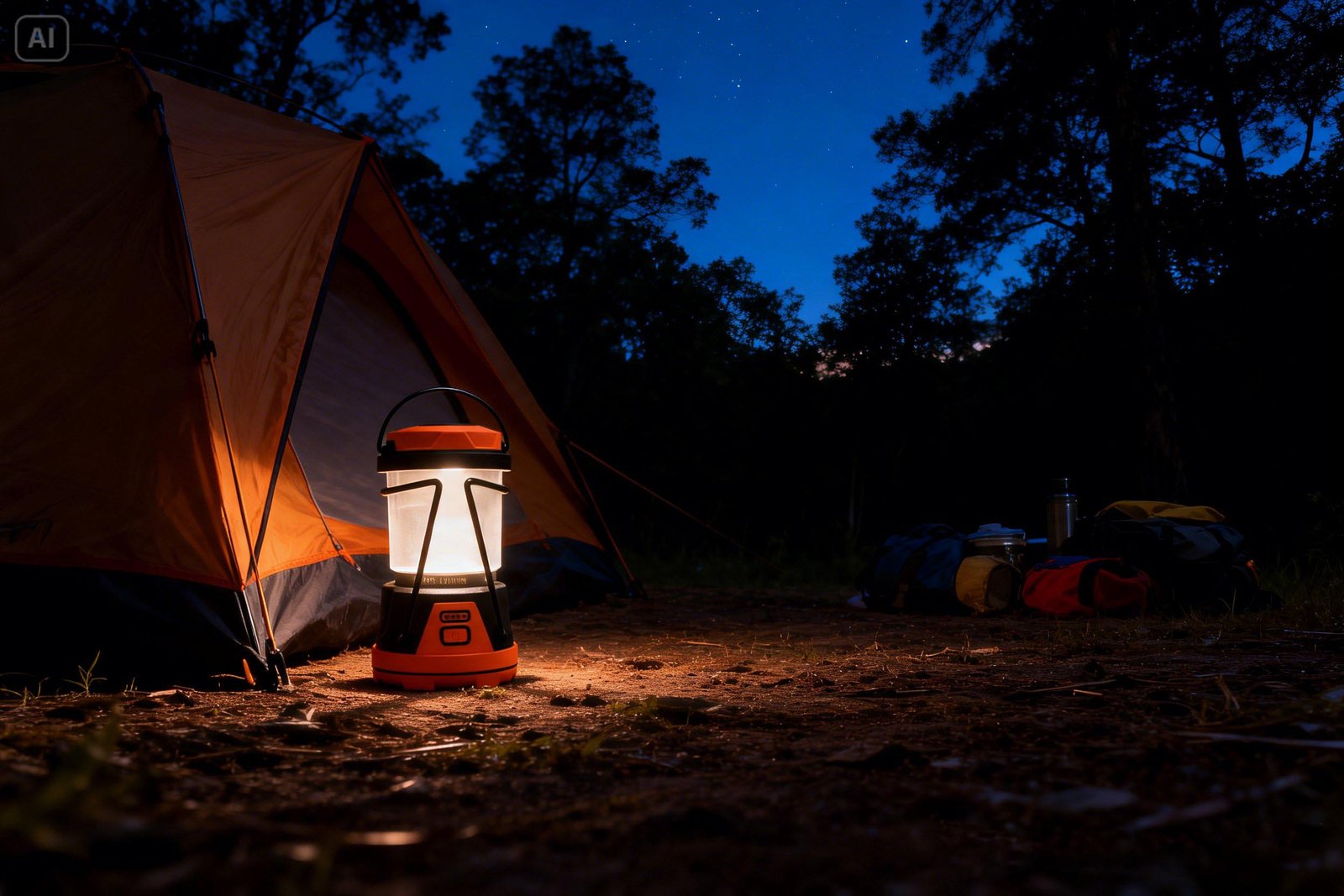
Imagine arriving at your campsite at dusk. You need to unpack your tent, locate stakes, and adjust guy lines—all while checking for debris on the ground. A flashlight’s narrow beam may leave parts of your setup area in darkness.
Camping lanterns provide stable ambient lighting, allowing hands-free operation and consistent illumination across the workspace, ideal for tent setup and other outdoor tasks.
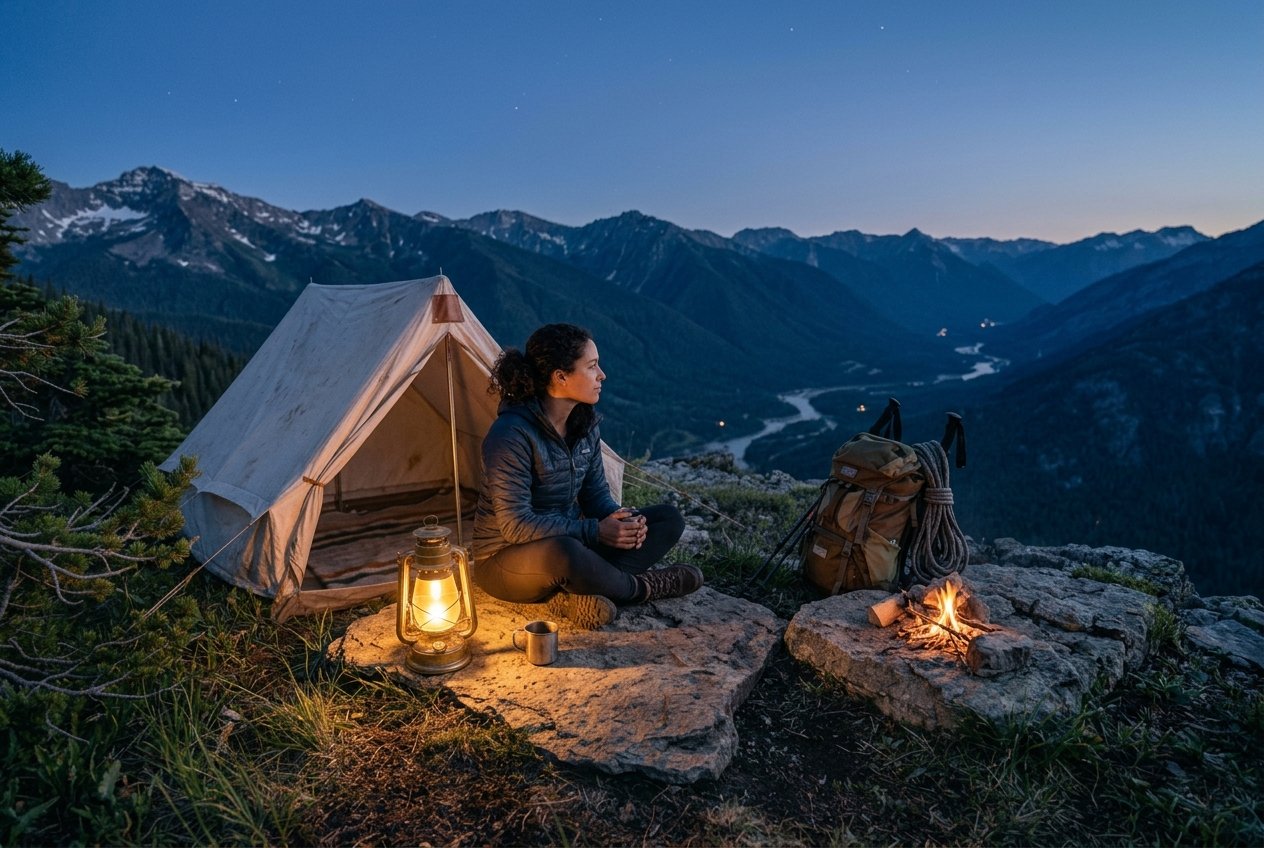
When setting up a tent, a lantern with hooks, handles, or magnetic bases can be placed or hung strategically to create consistent light. Elevating the lantern above ground avoids shadowed areas caused by uneven surfaces or equipment. Pay attention to the light’s distribution pattern and mounting options when choosing a lantern.
Why isn’t higher brightness always better for cooking and organizing?
Cooking in a campsite requires checking ingredients, locating utensils, and ensuring the stove area is safe. A super-bright lantern can create harsh shadows, making it harder to see items at the edges of your workspace.
A lantern with adjustable brightness and a wide beam evenly illuminates cooking areas, improves visibility, and reduces shadows for a safer cooking experience.
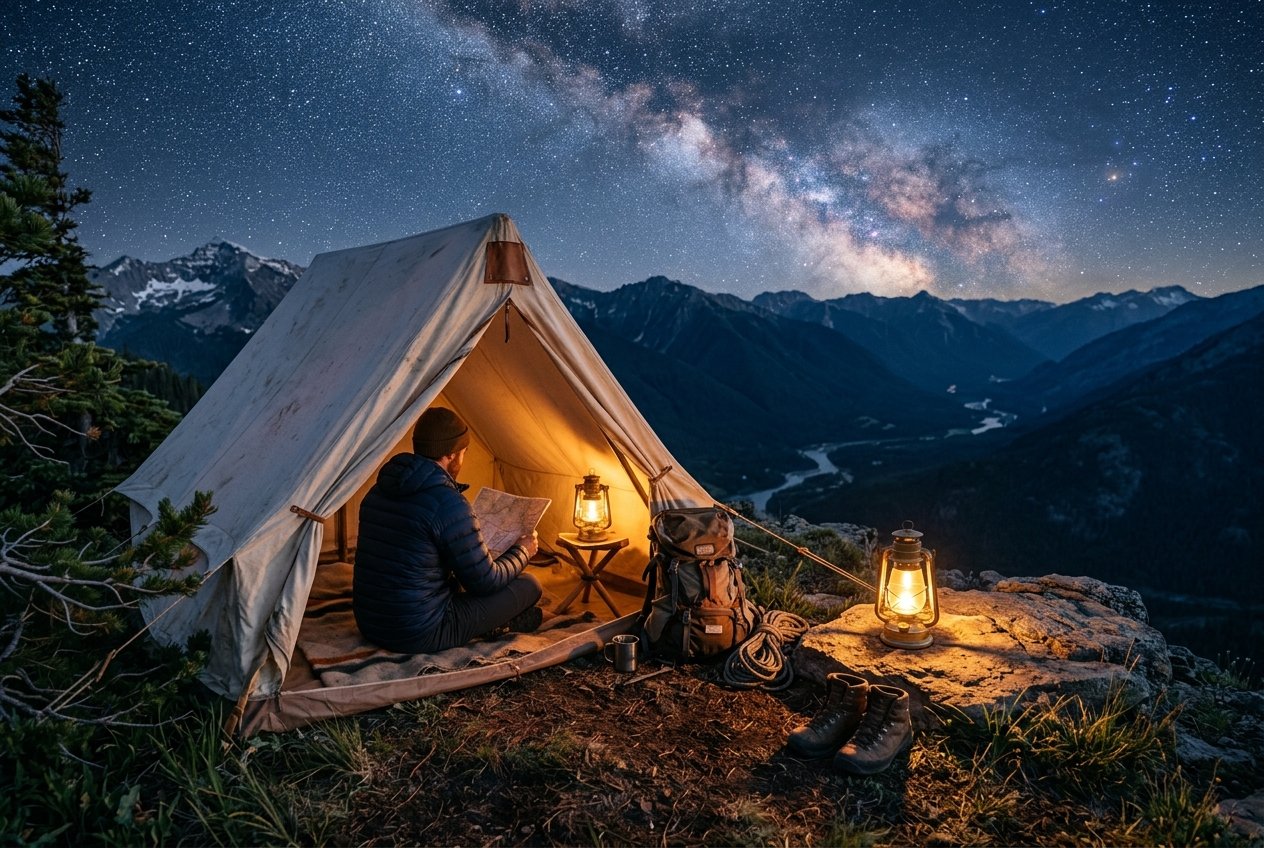
Look for lanterns with broad coverage and dimming options. These features let you transition between bright light for food prep and softer light for dining or relaxing. A stable base and glare-free design also enhance usability. However, remember that lighting supplements good equipment, not replaces safe cooking practices.
Where should a lantern be placed for nighttime essentials?
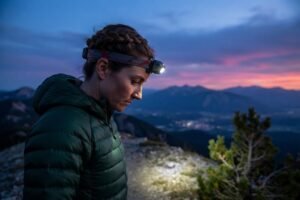
Campers often navigate between tents, washrooms, and vehicles at night. A central lantern won’t illuminate paths or far-off areas effectively. Portable options like headlamps or flashlights are better suited for these tasks.
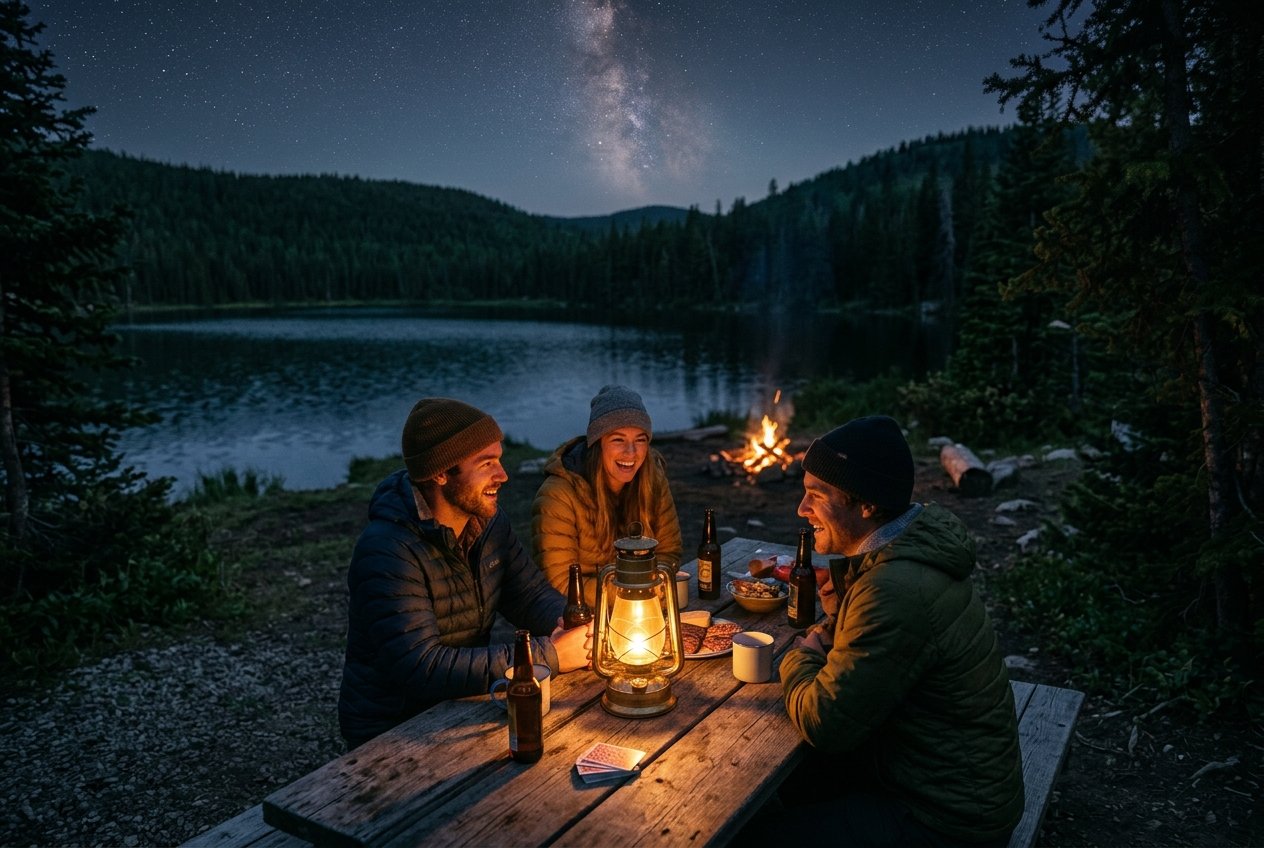
Camping lanterns work best as ambient light sources for tents, tables, and shared spaces, complementing portable lights for mobility and remote tasks.
Understand that camping lights are part of a system. Use lanterns for shared areas, headlamps for hands-free mobility, and flashlights for focused lighting. Low-brightness modes on lanterns can maintain ambient light without draining power overnight.
Why is waterproofing more critical than aesthetics?
Outdoor conditions are unpredictable. Rain, dew, or high humidity can challenge the reliability of your gear. A lantern’s waterproof rating determines its resilience in such weather.
Lanterns with strong waterproof ratings, such as IPX4 or higher, ensure functionality in wet environments and offer peace of mind during unexpected weather changes.
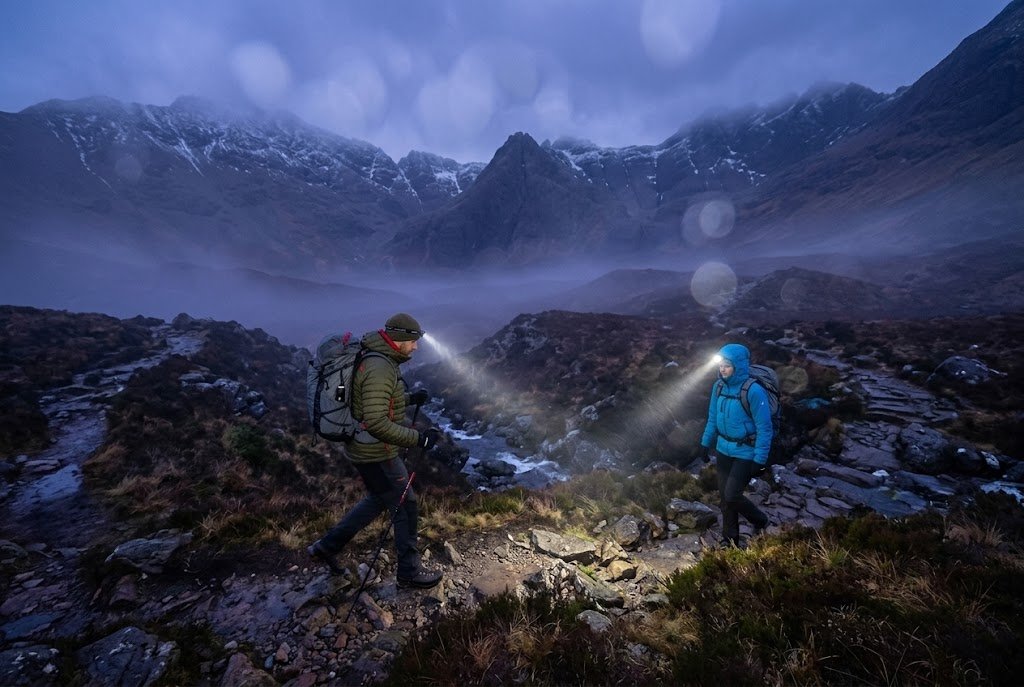
Check IP ratings to understand a lantern’s capabilities. For instance, IPX4 protects against splashes but not submersion, making it suitable for general camping needs. Consider the protection of charging ports and avoid assumptions about performance in extreme conditions.
Why shouldn’t battery life be judged by its highest number?
Camping lanterns often advertise long runtime, but this depends on the brightness setting used. High-brightness modes drain batteries faster, reducing practical usage time.
Comparing runtime across brightness levels is essential for ensuring reliable illumination during multi-day camping trips.1
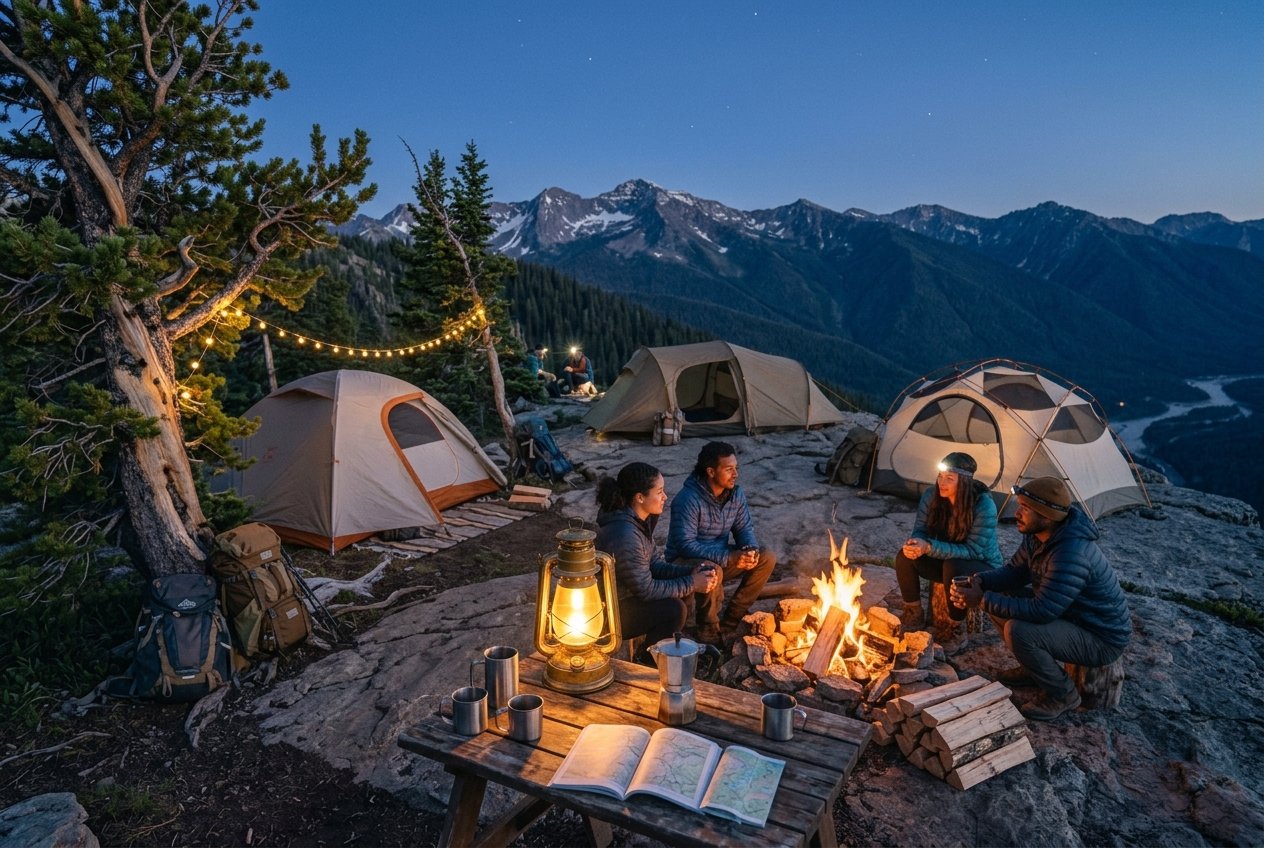
Estimate daily usage based on your itinerary and match it with the lantern's runtime across modes. USB-C rechargeable lanterns paired with power banks can extend battery life. For remote areas, prioritize lanterns with extended battery life and low-battery alerts.
Why is soft lighting important in shared tents?
After dinner, campers transition from activity to rest. Bright light can be disruptive in shared tents, especially when some are sleeping or winding down.
Lanterns with soft, adjustable lighting or warm hues foster a relaxing atmosphere, catering to varied needs in a shared sleeping space.
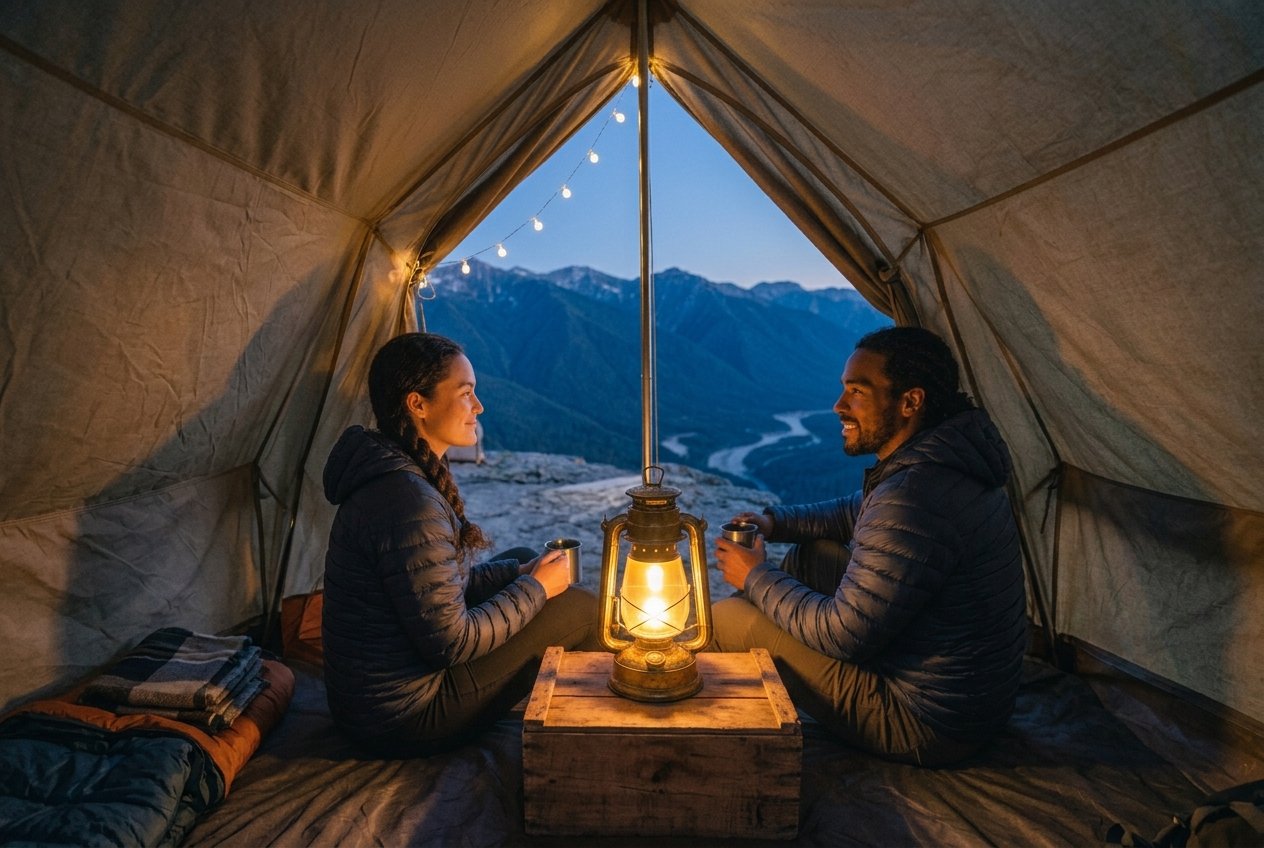
Choose lanterns with dimming capabilities and warm light settings for shared environments.2 Stability and ease of use matter, especially for families. Avoid overly complex light modes that may confuse users during setup.
How does camping style influence lantern choices?
Different camping styles demand different lantern features.3 Let’s break it down:
| Camping Style | Key Features to Consider |
|---|---|
| Lightweight hiking | Compact size, lightweight, efficient runtime, easy hanging options |
| Family car camping | High brightness, broad coverage, stable design, multiple placement options |
| Large group campsites | Extended runtime, versatile mounting, complementary lights for paths and activity areas |
Identify your camping style and prioritize the features that meet your needs. Flexibility adds value across diverse situations.
Conclusion
The best camping lantern doesn’t just light up your campsite—it makes every outdoor activity easier. From tent setup to cooking and resting, the right lantern adapts to the challenges of outdoor life.
"How big of a roll does screen brightness play in battery life?", https://www.reddit.com/r/iphone/comments/2h8awl/how_big_of_a_roll_does_screen_brightness_play_in/. Research shows that battery performance varies significantly with brightness settings, impacting overall runtime and usability in outdoor activities. Evidence role: statistic; source type: research. Supports: Comparing runtime across brightness levels is essential for ensuring reliable illumination during multi-day camping trips.. Scope note: The evidence may not apply to all lantern models and should be considered in context. ↩
"Effect of warm/cool white lights on visual perception and mood ...", https://pmc.ncbi.nlm.nih.gov/articles/PMC8481791/. Studies show that adjustable lighting and warm hues can enhance comfort and usability in shared spaces, particularly in camping settings. Evidence role: statistic; source type: research. Supports: Choose lanterns with dimming capabilities and warm light settings for shared environments.. Scope note: The evidence may not apply universally to all users' preferences. ↩
"Camping Essentials Checklist | REI Expert Advice", https://www.rei.com/learn/expert-advice/family-camping-checklist.html. Research on camping practices indicates that various camping styles require tailored equipment to meet specific needs and enhance the experience. Evidence role: general_support; source type: research. Supports: Different camping styles demand different lantern features.. Scope note: The support is based on general camping practices and may not apply to every individual or situation. ↩