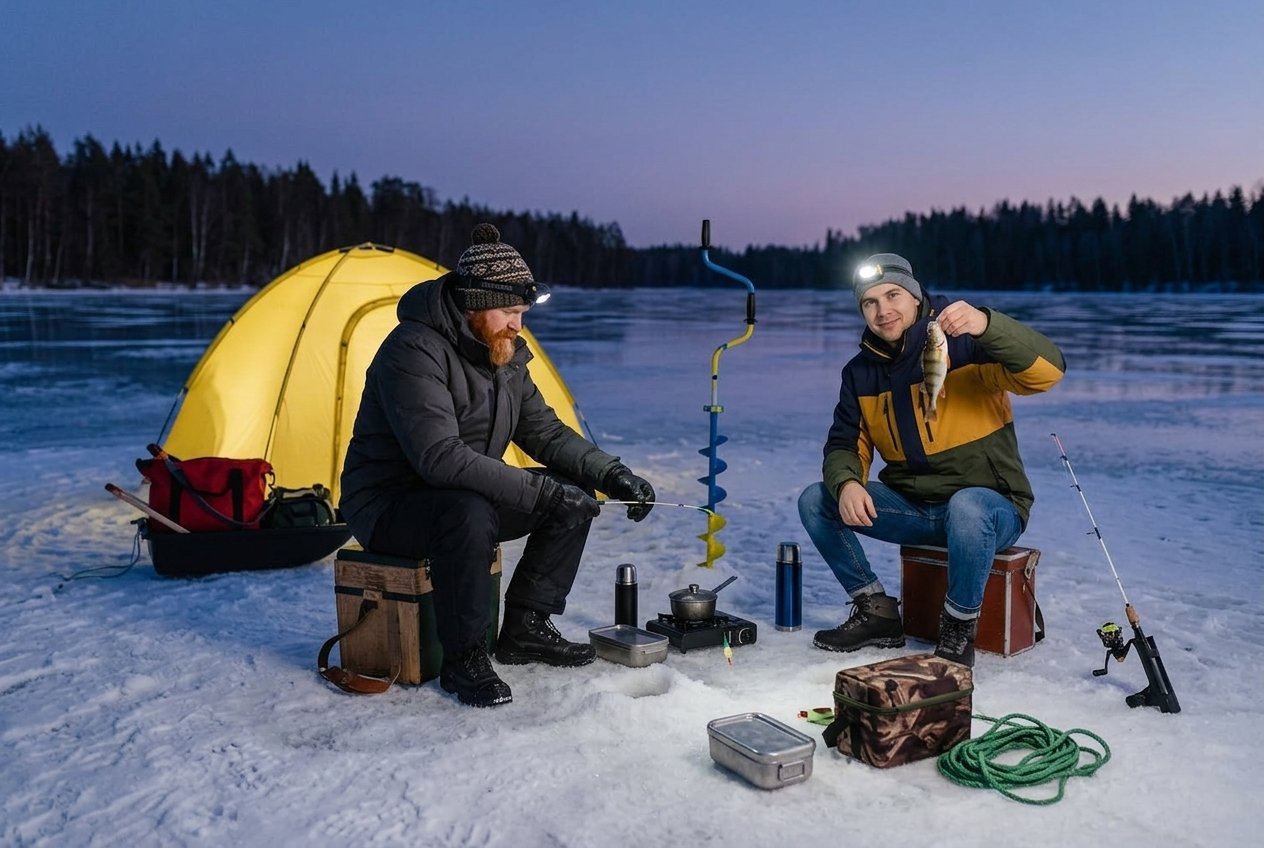
Night fishing becomes a real challenge without the right lighting. A flashlight or a headlamp? Red, white, or UV light? Each option serves a unique purpose.
Headlamps are ideal for tasks requiring both hands, while flashlights are better for targeted illumination. The right choice depends on your fishing style.
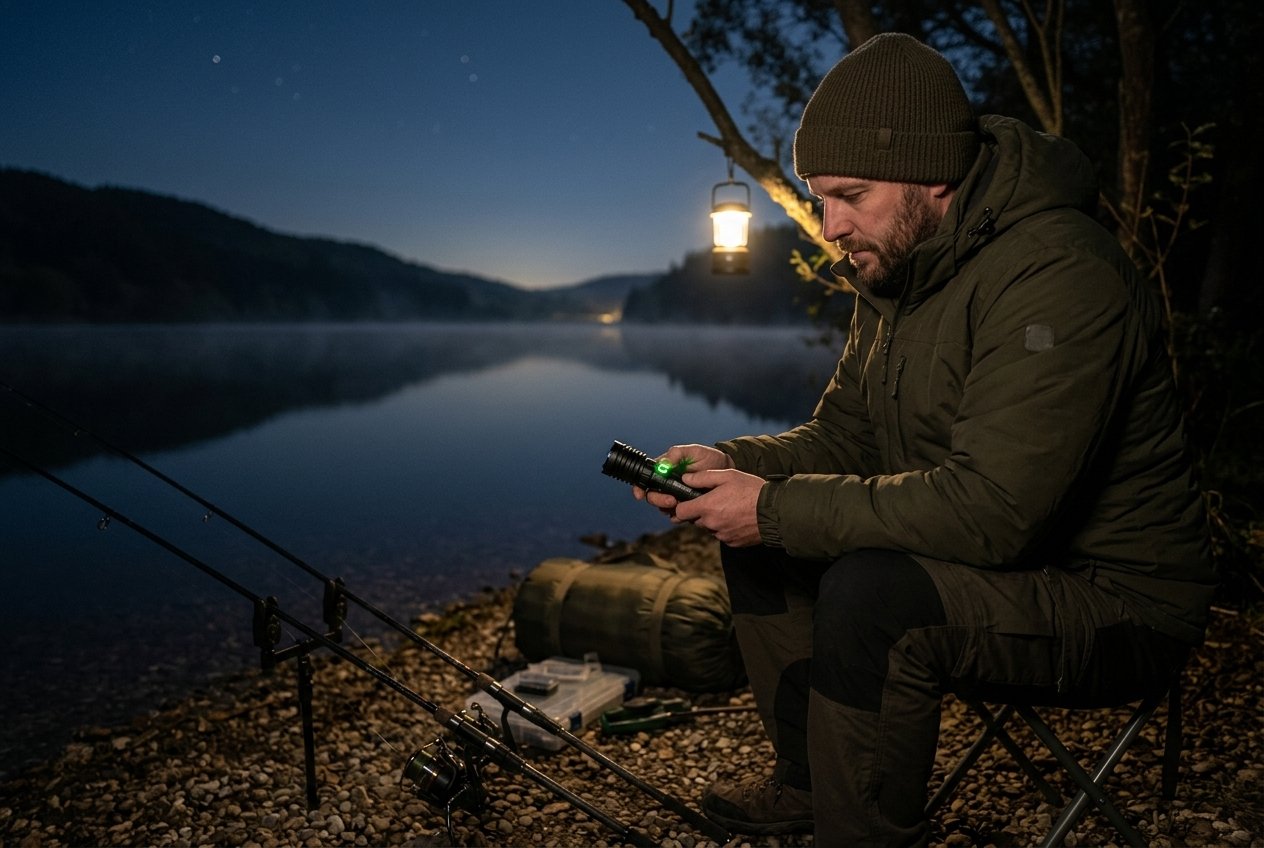
Great lighting isn’t just about brightness. It’s about finding a tool that matches your tasks, whether that’s tying hooks, observing floats, or navigating uneven terrain.
When should you choose a headlamp?
Handling small hooks and bait in the dark can be frustrating. A headlamp frees up your hands, letting you focus on your task without juggling a flashlight.
A headlamp is best for tasks requiring both hands, as its light follows your gaze and stays on your target area, reducing the need for manual adjustments.
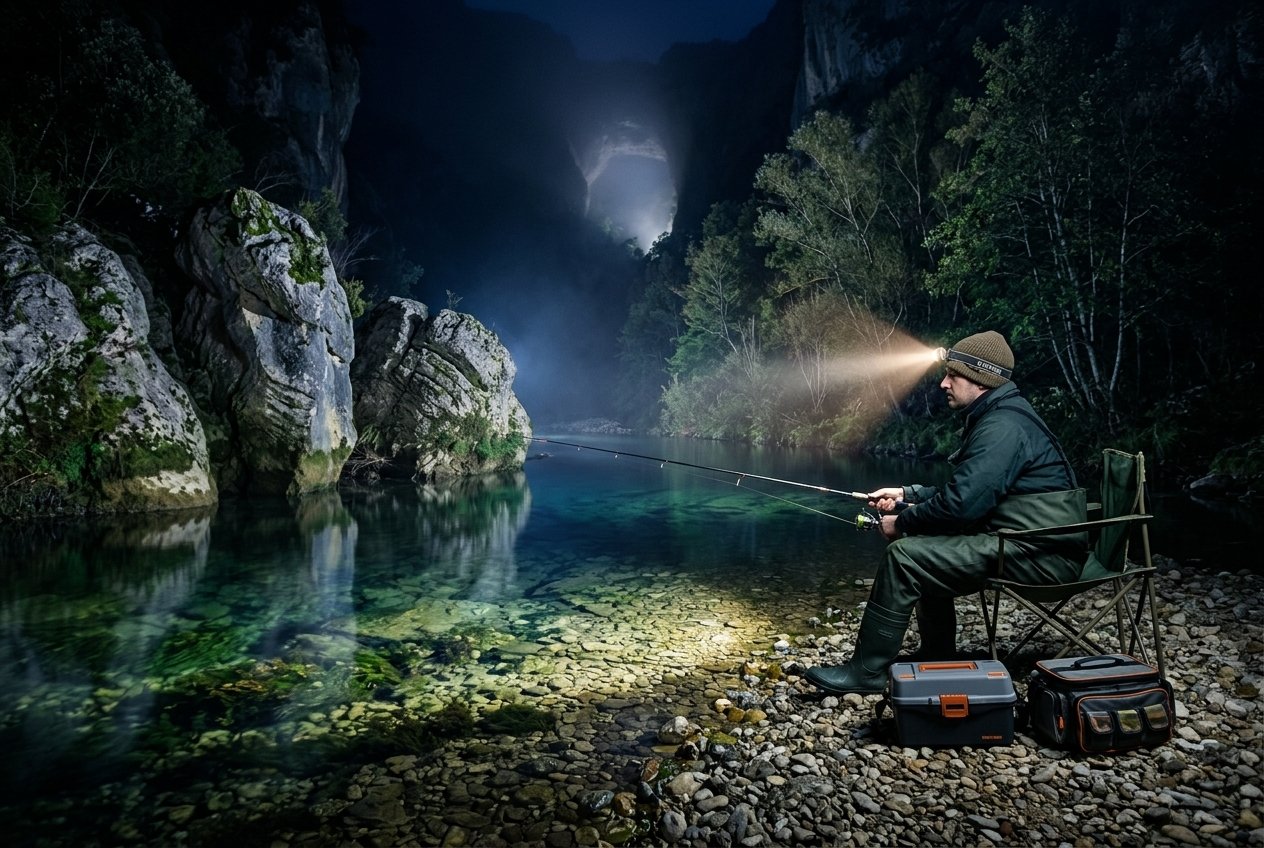
Headlamps are not just about brightness. They follow your line of sight, making it easier to manage gear without frequent readjustments. However, be mindful of light direction—it’s easy to accidentally blind others or disturb the water. Comfort matters too; long fishing sessions demand a headlamp that doesn’t strain your head, with adjustable straps and lightweight builds.
Do you need a flashlight?
Even with a headlamp, there are times when a flashlight shines—literally. It’s easier to aim light at distant or specific targets with a flashlight, offering flexibility in tight spots.
Flashlights excel in long-distance illumination, and their directional light is better suited for checking terrain, searching for dropped items, or scouting fishing spots.
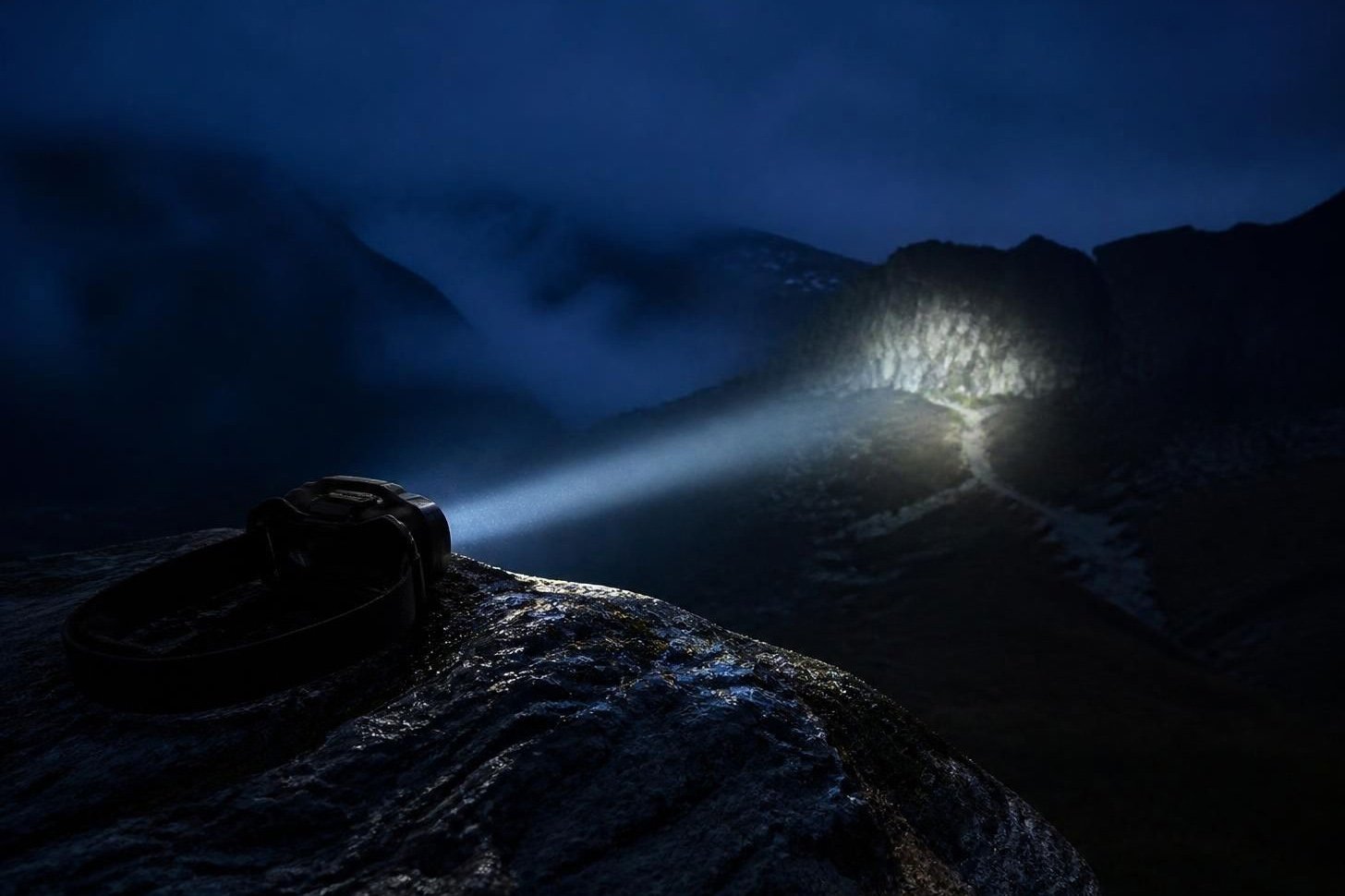
Flashlights come in two types: focused beam for pinpoint illumination and wide beam for broader coverage. Pick one based on the task. While they’re handy for flexible lighting, you’ll need to manage holding the flashlight while carrying other items, which can be cumbersome during active fishing.
What if you can only pick one?
If you sit at a fixed spot, a headlamp might win. If you move around frequently or need precision light, a flashlight could be better.
A headlamp is great for stationary tasks, while a flashlight provides mobility. Ideally, both tools complement each other for a complete setup.
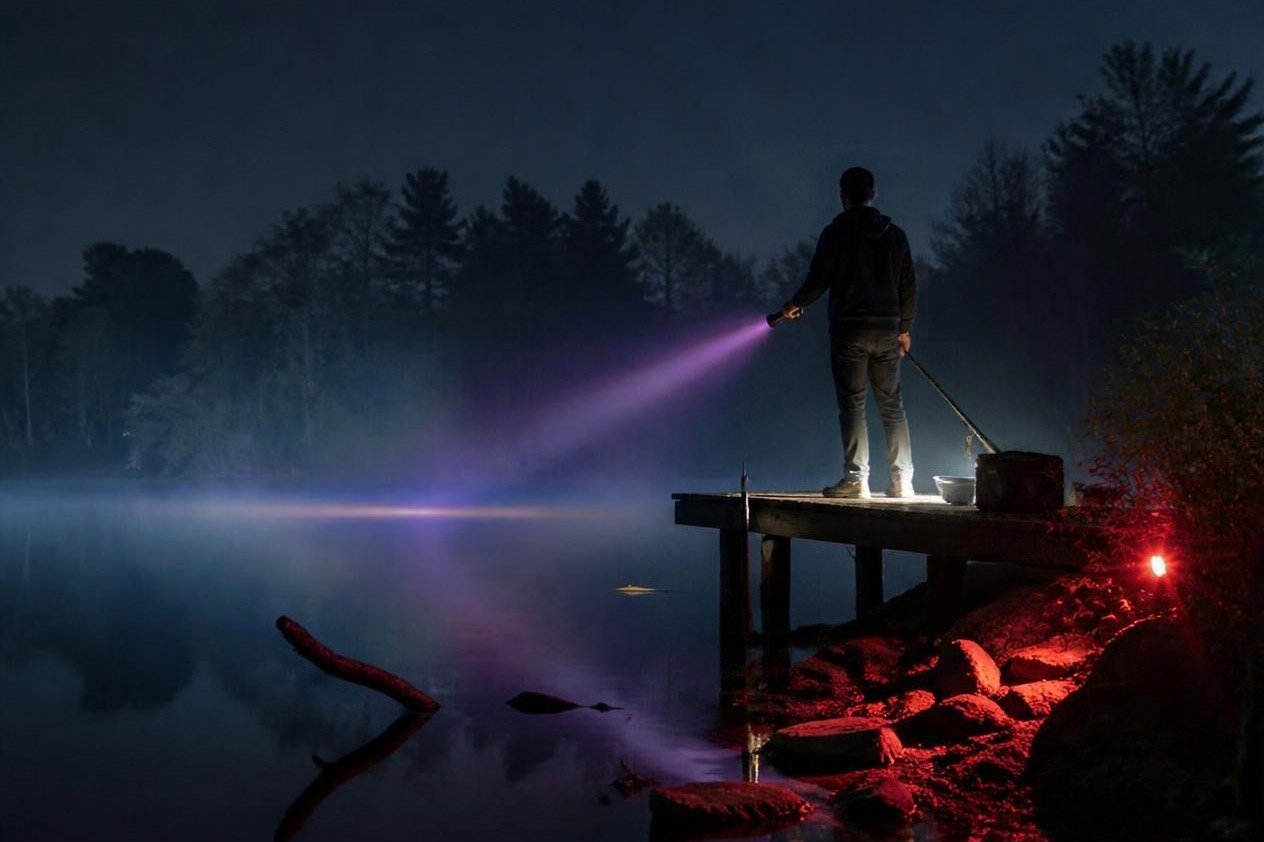
To simplify your gear, prioritize your most common fishing tasks. If you’re unsure, start with one versatile option, and only add more as necessary. This keeps your kit light without sacrificing functionality.
Why do some choose red light for night fishing?
Red light isn’t just an aesthetic choice—it’s functional too. Many outdoor headlamps include this feature, and some anglers swear by its benefits.
Red light offers low-intensity illumination, reducing glare and helping maintain your night vision while performing basic tasks.
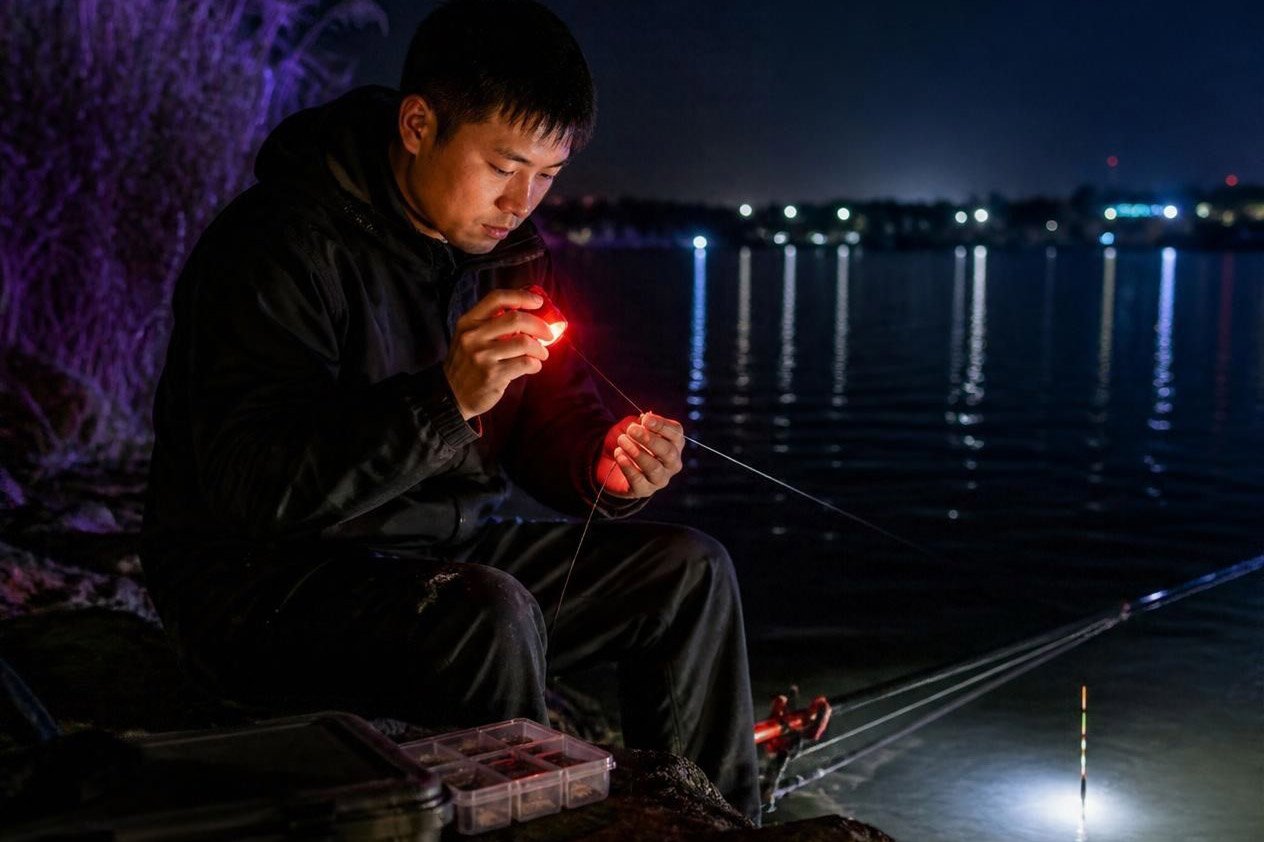
Red light minimizes brightness and avoids sudden flashes that can disrupt your vision. However, its effectiveness depends on the lamp’s design and brightness level. While it’s less intrusive, it won’t always prevent fish spooking since reactions vary among species and conditions.
Should you worry about startling fish with red light?
There’s no universal rule. While red light might be subtler, fish perception varies. Water clarity and light intensity often impact their behavior.
Red light can reduce visibility disturbance, but it’s not guaranteed to prevent fish from reacting to artificial light.
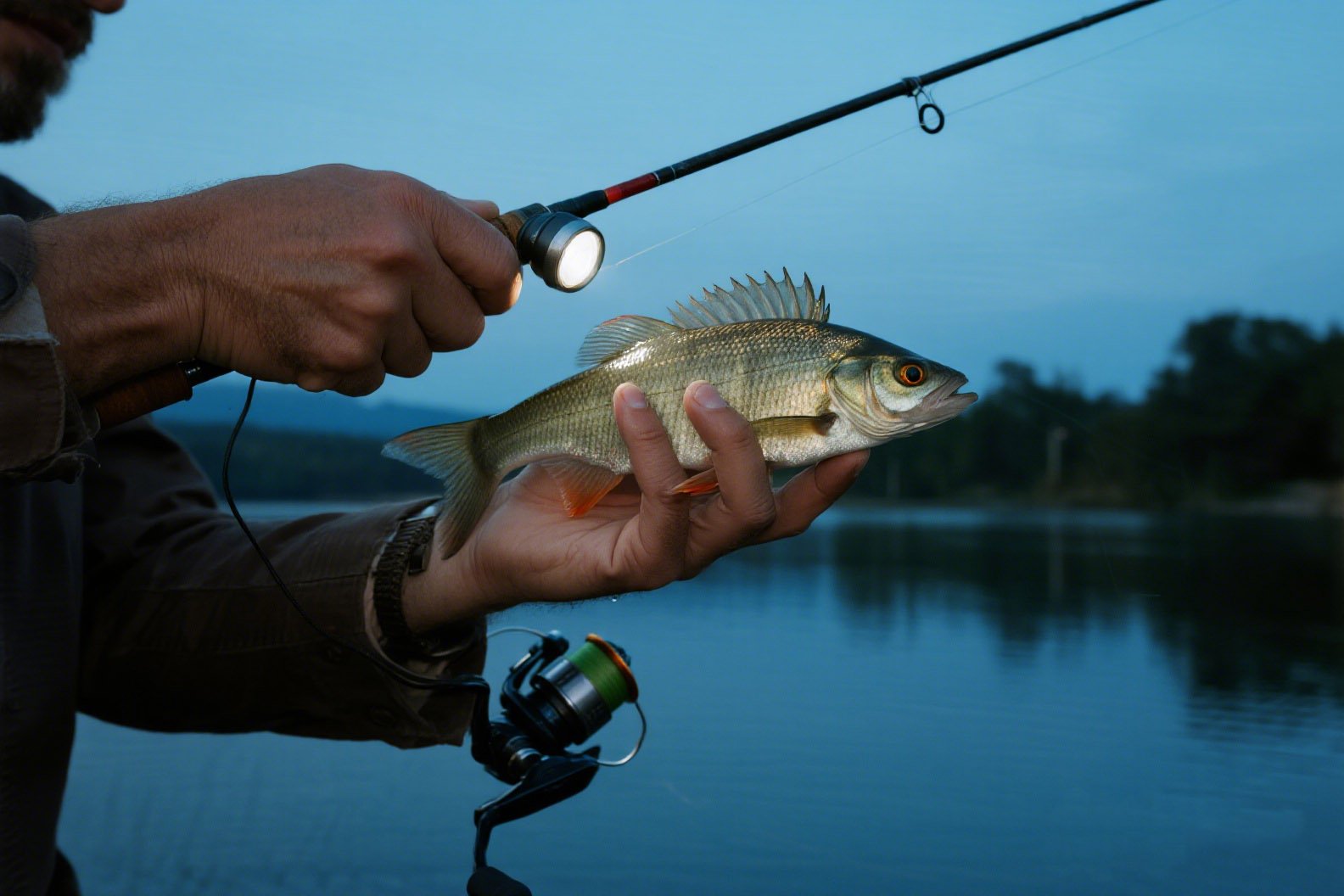
For minimal light disturbance, angle your beam away from the water when observing surroundings. This approach, combined with avoiding excessive brightness, often works better than relying solely on red light.
Does UV light have a role in night fishing?
UV light has carved its niche in fishing-specific tasks, especially for observing fluorescent floats. Targeted UV lighting enhances visibility without overwhelming the surroundings.
UV lights help fluorescent floats glow in the dark, aiding float observation and ensuring precise fishing actions.
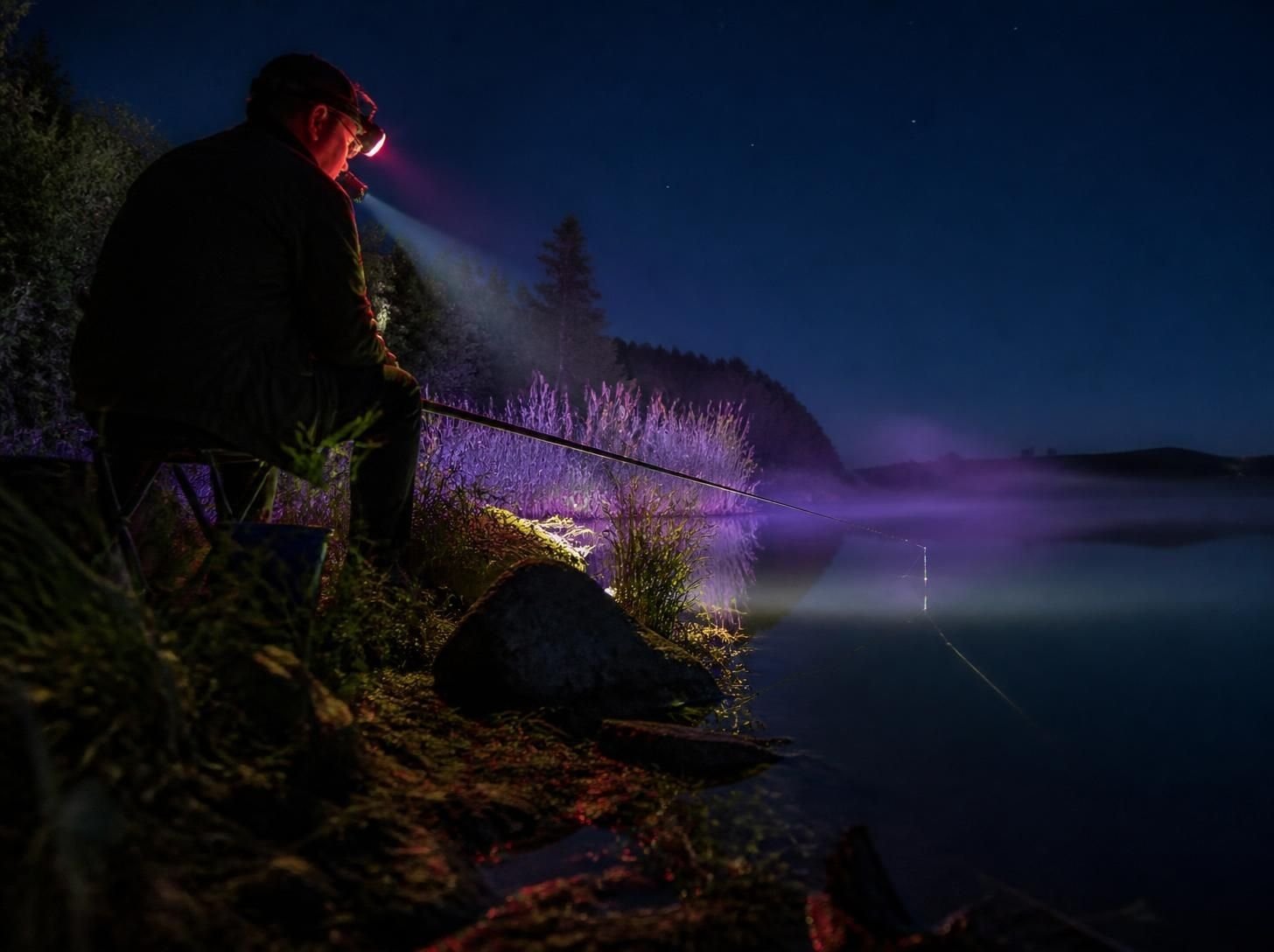
By interacting with fluorescent float coatings, UV lights create a glowing effect that’s easy to spot. However, not all floats respond equally, so compatibility with your gear matters. Additionally, UV light should remain focused on the float to limit unnecessary environmental exposure, especially for species-sensitive waters.
Is high brightness always better?
A common misconception is that brightness or lumens are the ultimate measure of a light’s performance. But fishing tasks often demand more nuanced lighting.
Brightness needs to match the task: low for gear handling, moderate for navigation, and high for distant scouting. Versatility beats raw lumens every time.
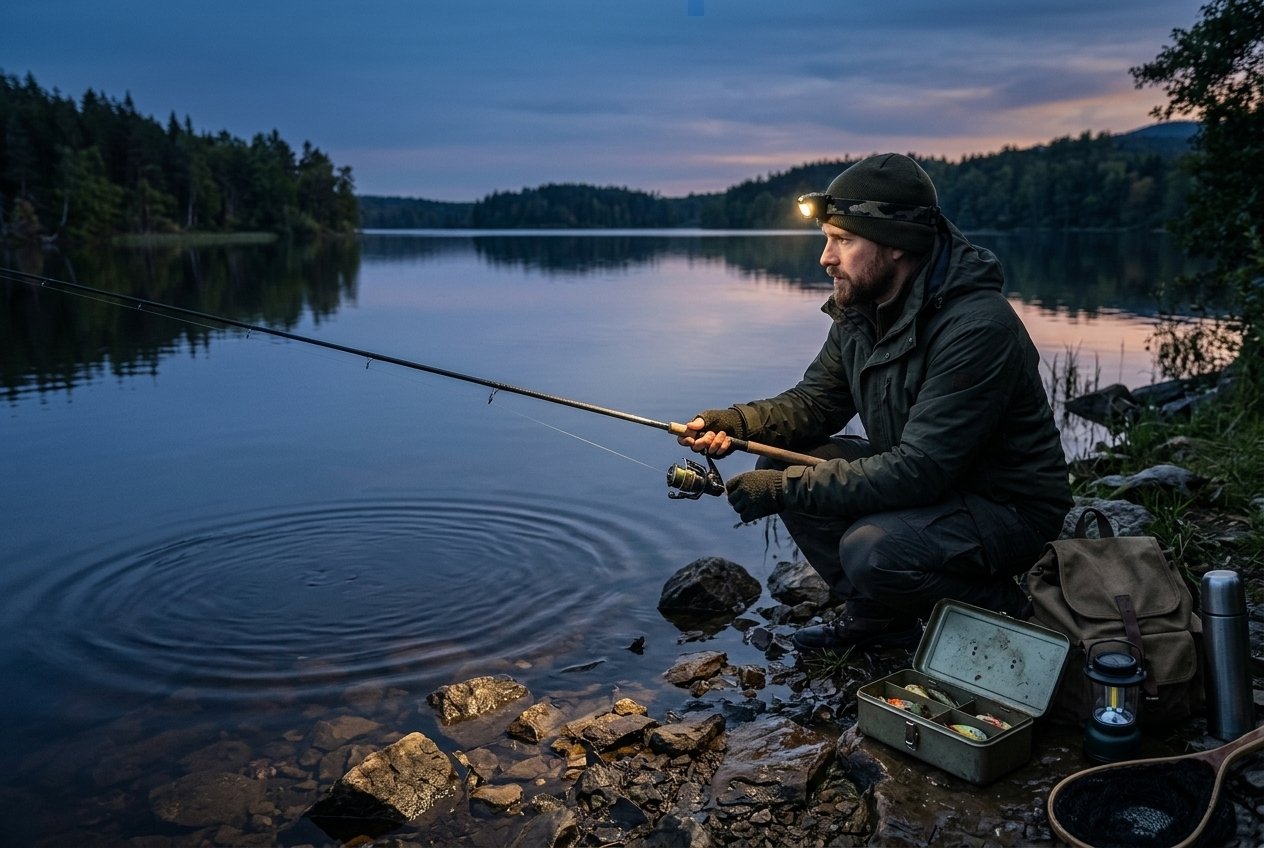
Look for lights with adjustable settings tailored to specific needs. Comfort and longevity matter—your light should last through extended fishing sessions. Consider water resistance and shockproof designs for added durability in demanding conditions.
How important are waterproof and battery features?
Night fishing often involves high moisture levels. Waterproof lights ensure reliability, while versatile battery systems prevent untimely shutdowns.
Water-resistance and multi-mode battery options are vital for sustained performance during long, unpredictable fishing trips.
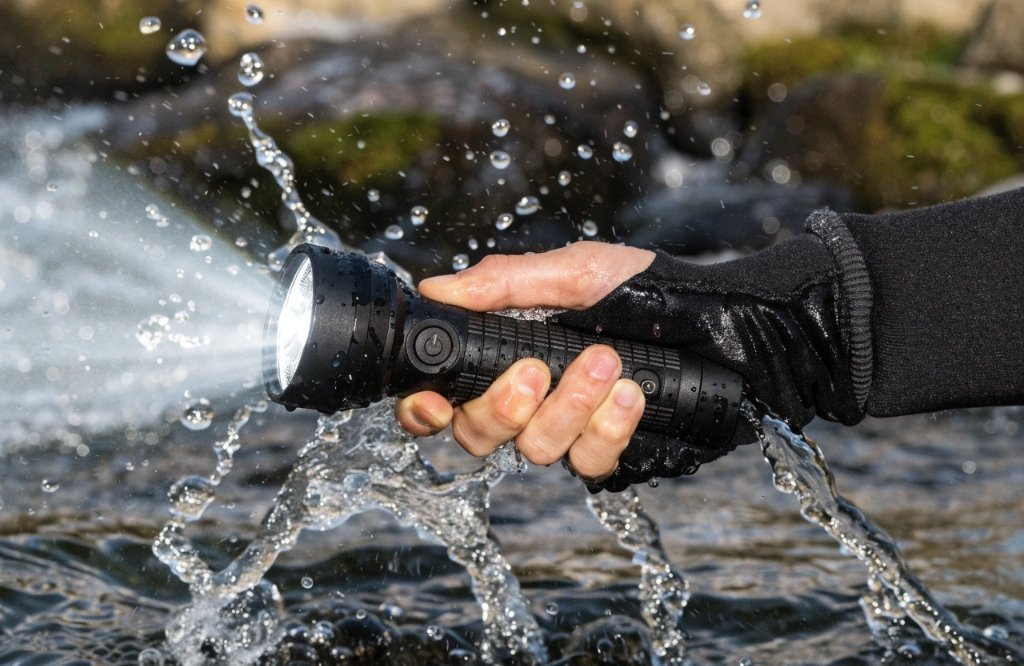
IP ratings guide waterproof choices. Rechargeable designs with indicators help plan usage better. Balancing runtime with portability makes a huge difference, especially if you rely on your light for hours outdoors.
What would my ideal setup look like?
Blending tools based on tasks simplifies fishing preparation. Here’s how I’d build my night fishing kit:
Option 1: A lightweight headlamp with red light for close work.
Option 2: UV light for fluorescent float users.
Option 3: Combine flashlight and headlamp for maximum adaptability.
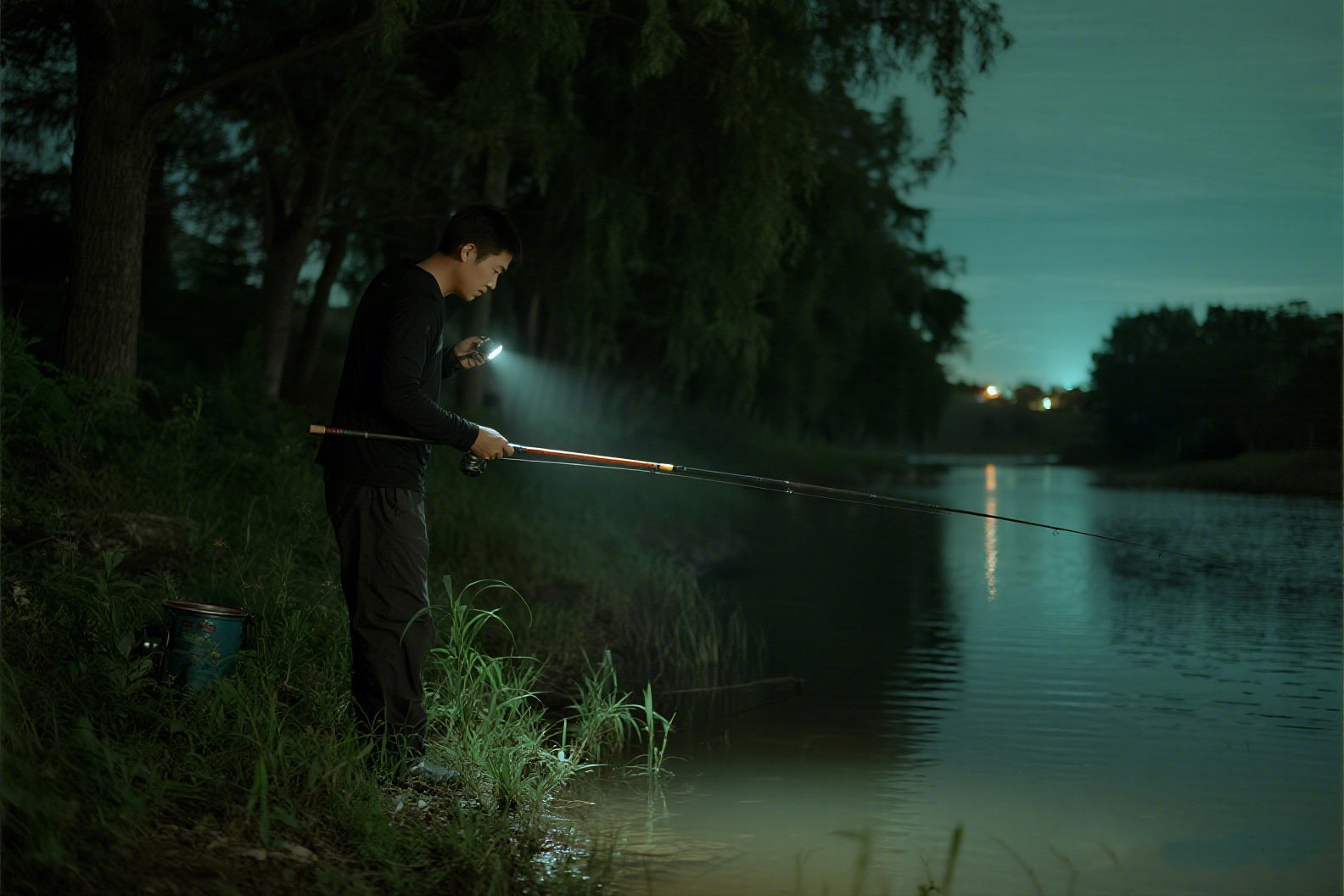
Test individual tools before investing. Start simple and expand only if your fishing setup requires it. This keeps your costs down and gear manageable.
Conclusion
The right lighting isn’t about the brightest option—it’s about the most practical one. Headlamps free your hands for close tasks, flashlights offer focused control, and UV lights assist with specialized needs. Choose lighting that serves your fishing style, minimizes hassle, and enhances your experience. After all, the goal is to make night fishing easier and more enjoyable.